


Secondary sourceArtifact
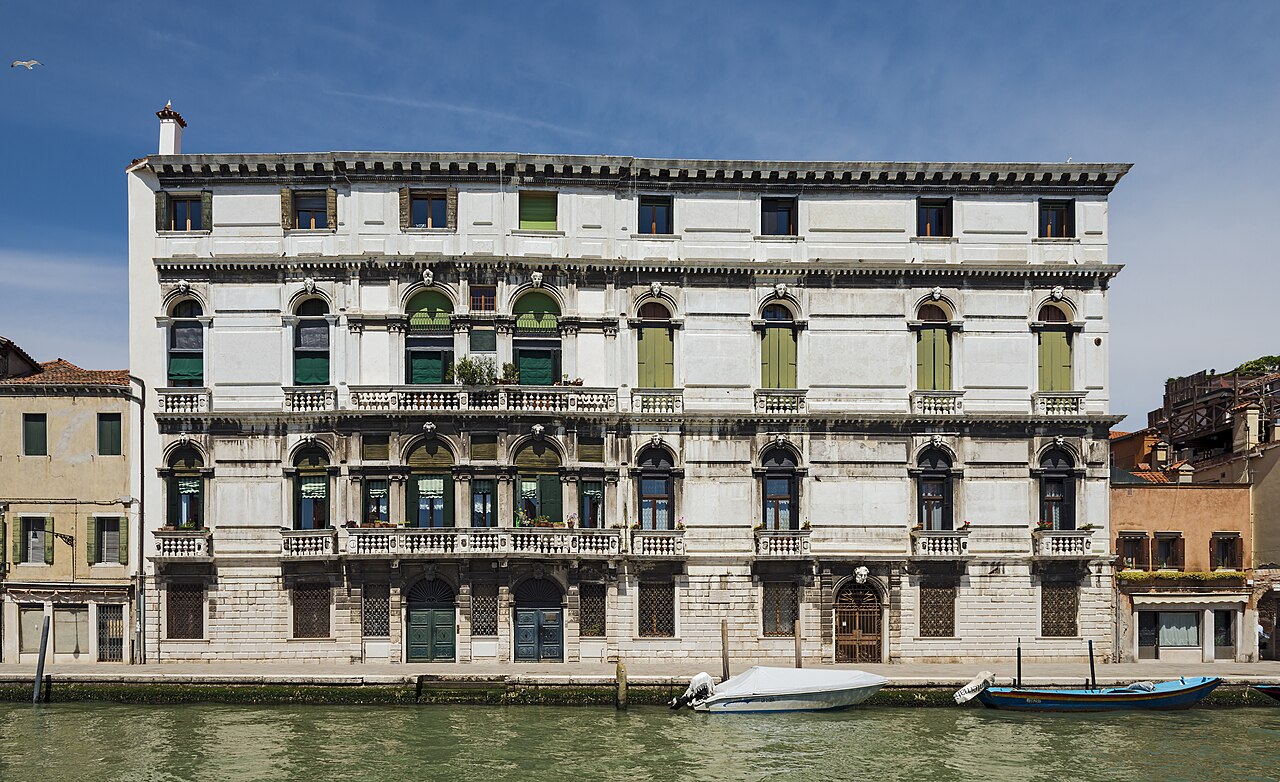
Palazzo Surian Bellotto
Didier Descouens (photo by Archaeodontosaurus)
The Venetian palace that housed the French embassy, where Rousseau served as secretary in 1743–44 and discovered Italian music.
Rousseau served as secretary at this embassy in Venice, where he discovered Italian music that influenced his later work.
About this source
What it is
This is a photograph of the facade of the Palazzo Surian Bellotto in Venice, a large stone building on the Cannaregio Canal. The palace served as the French embassy in Venice during the 18th century.
Why it matters
Jean-Jacques Rousseau worked here as secretary to the French ambassador in 1743–44. His time in Venice exposed him to Italian music, which had a lasting influence on his later writing about music theory and composition. The building connects Rousseau's biography to a specific place and period of his life.
Look closer
- What does the grand architecture of the palace suggest about the importance of diplomatic life in Venice?
- Why might a young secretary like Rousseau have been exposed to new artistic influences while working here?
- How might living in a city built on canals have shaped Rousseau's experiences compared to his earlier life in Geneva?
This artifact is part of the curated material that grounds the AI version of Jean-Jacques Rousseau on Humy.ai — when students ask about related events, the AI can quote it and cite it.
More Jean-Jacques Rousseau sources
Meet the AI Jean-Jacques Rousseau → Book
Primary source
The Social Contract
Jean-Jacques Rousseau · 1762
 Painting
Primary source
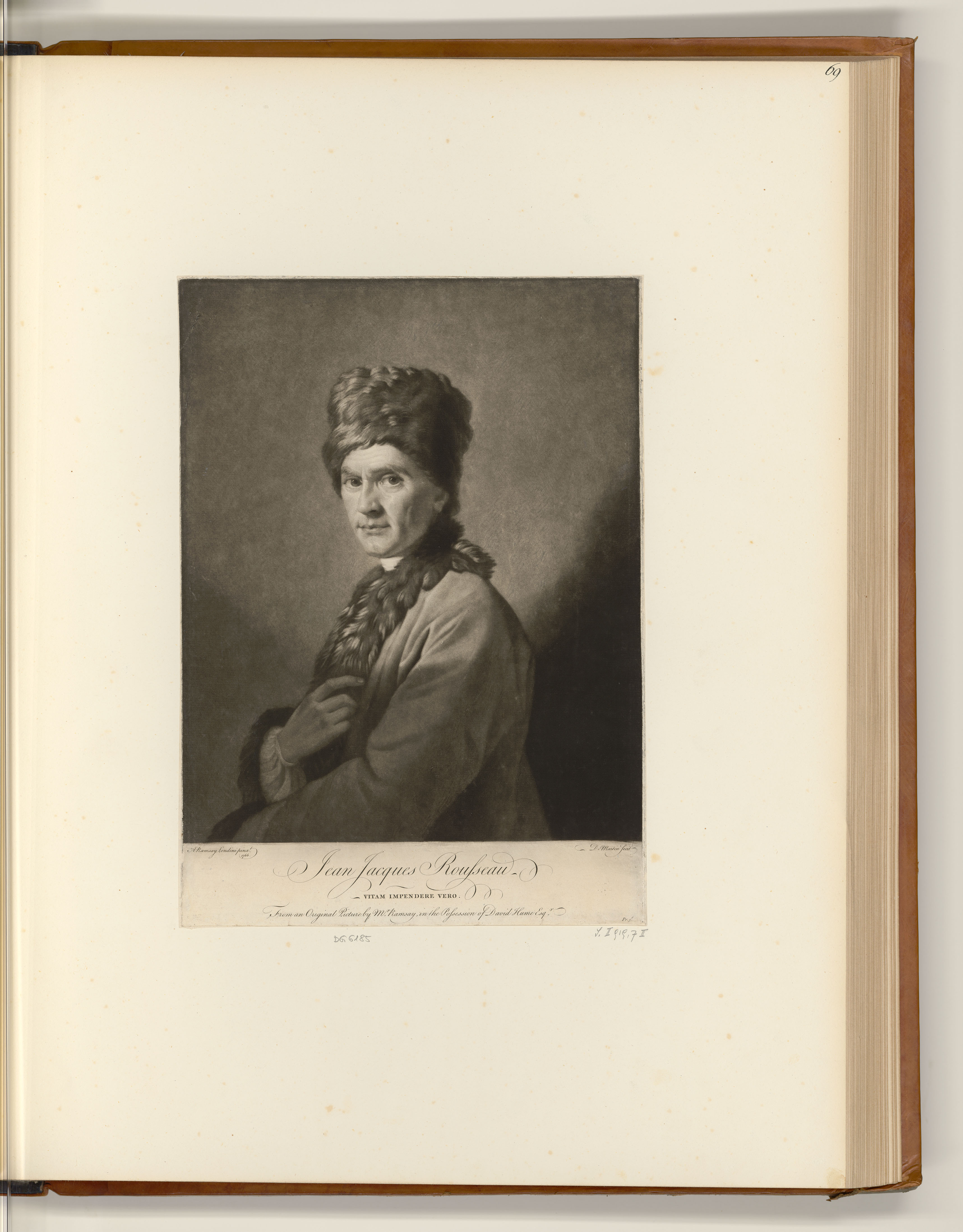
Portrait of Jean Jacques Rousseau
David Martin · 1766
 Book
Primary source
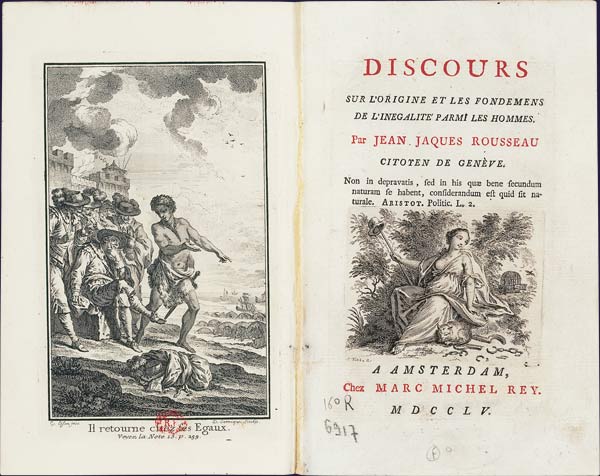
Discourse on Inequality
Jean-Jacques Rousseau · 1754 (published 1755)
 Painting
Secondary source
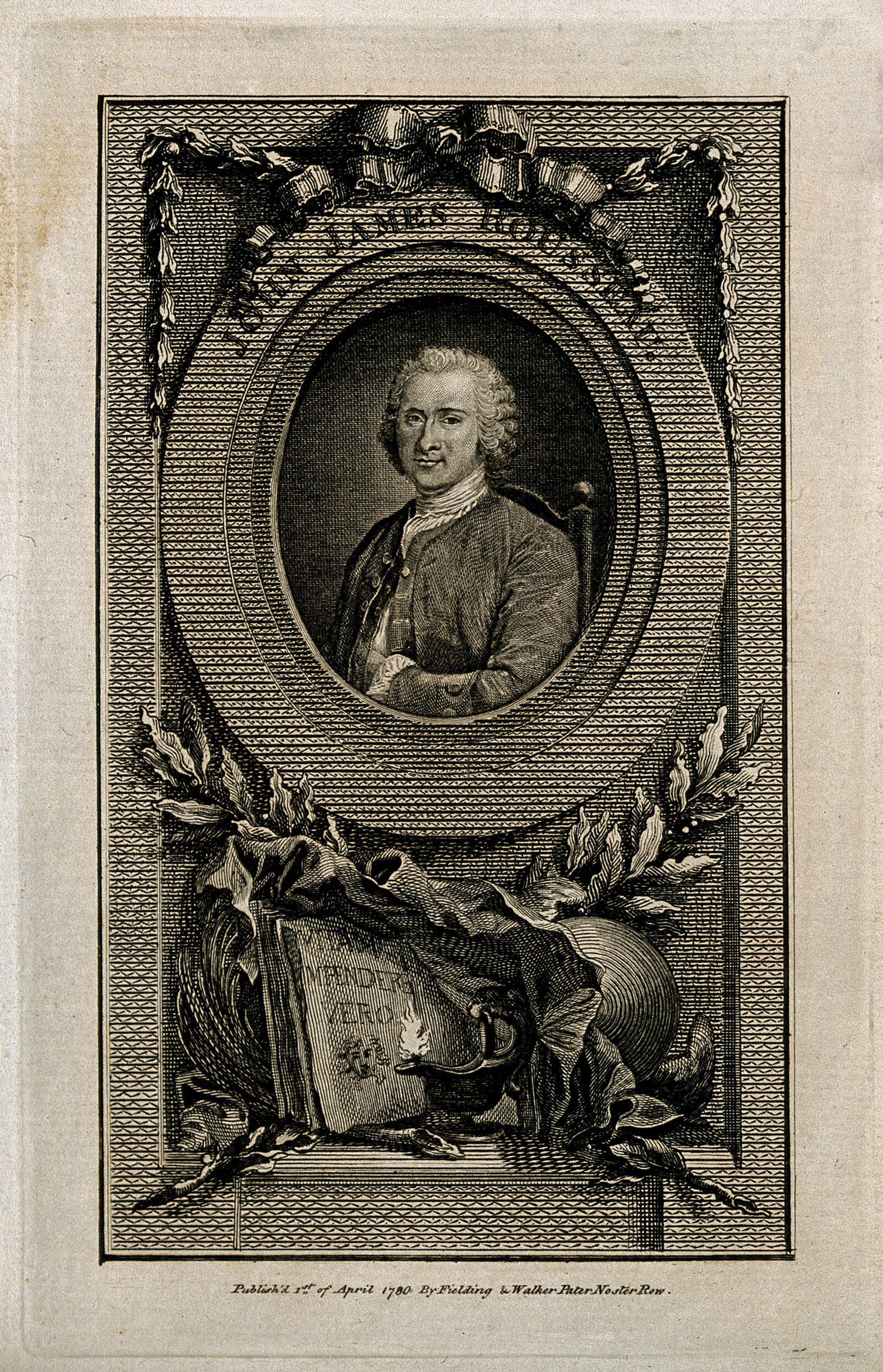
Engraving of Rousseau after La Tour's Portrait
E. Ficquet, after Maurice Quentin de La Tour · 1780
 Book
Primary source
Emile, or On Education
Jean-Jacques Rousseau · 1762
Ready when you are
Start chatting with Jean-Jacques Rousseau now.
20 messages free · No credit card · Available in 50+ languages.