


Secondary sourceDocumentc. 175-225 AD
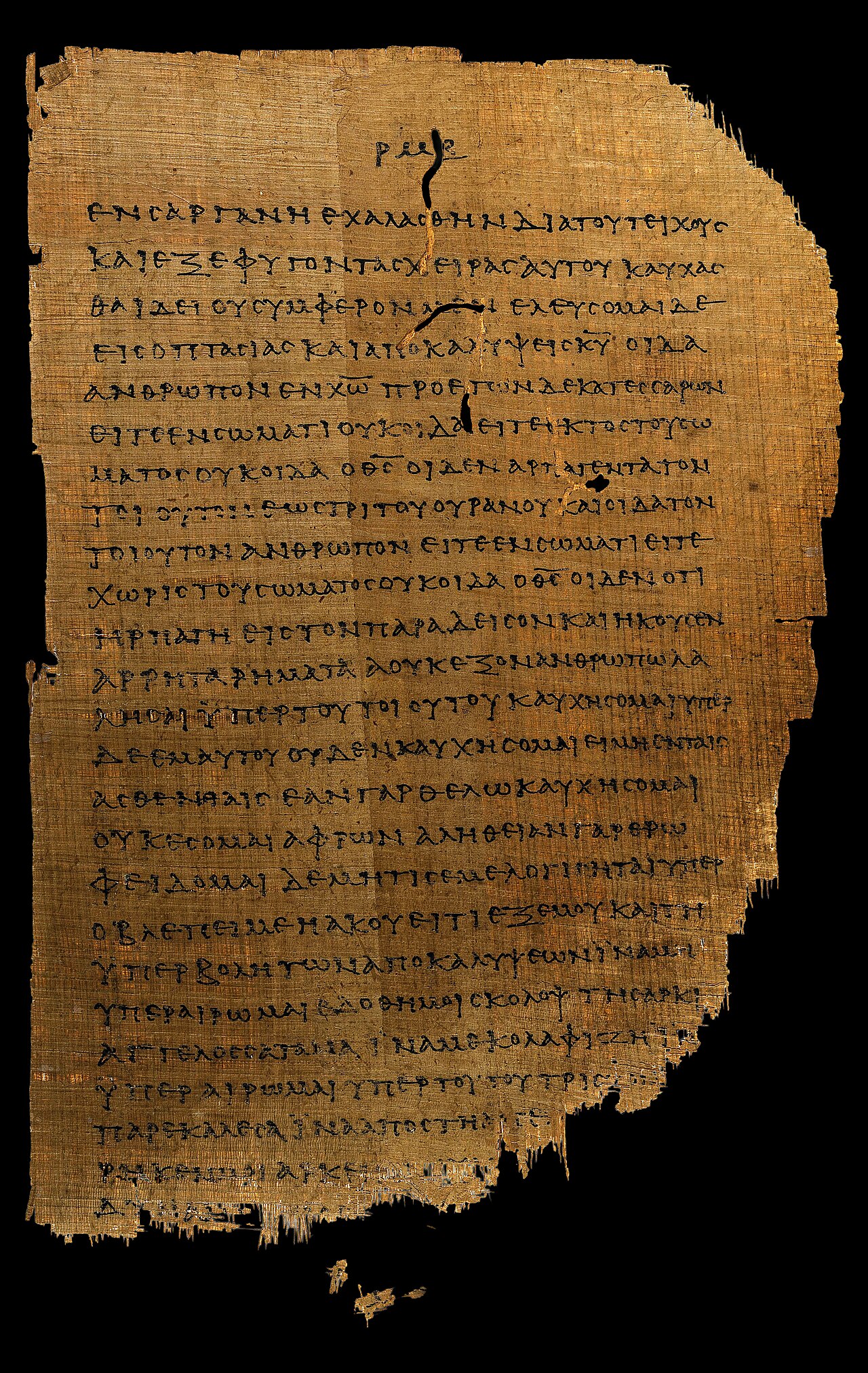
Papyrus 46
c. 175-225 AD
One of the earliest surviving manuscripts of Paul's letters, among the oldest writings referring to Jesus.
An early manuscript of letters about Jesus, among the oldest surviving written sources concerning him.
About this source
What it is
An early Greek manuscript of the New Testament written on papyrus, part of the Chester Beatty Papyri and now held partly by the University of Michigan. Palaeographers date it to around 175-225 AD.
It contains much of Paul the Apostle's letters, including Romans, Corinthians, Galatians and others, written as a codex with numbered pages and abbreviations for sacred words including "Jesus."
Why it matters
This manuscript is one of the oldest surviving copies of writings about Jesus, predating many later, more complete Bibles. It shows how early Christian scribes copied and used texts, including special markings believed to aid readers.
It offers evidence for how beliefs about Jesus were already being written down and circulated within a few generations of his life.
Look closer
- What does the use of special abbreviations for words like "Jesus" and "Lord" suggest about how scribes viewed these names?
- Why might marks added by a later reader tell us something about how the text was used?
- What is lost when parts of an ancient manuscript like this are missing?
This document is part of the curated material that grounds the AI version of Jesus Christ and Saint Paul on Humy.ai — when students ask about related events, the AI can quote it and cite it.
More Jesus Christ sources
Meet the AI Jesus Christ →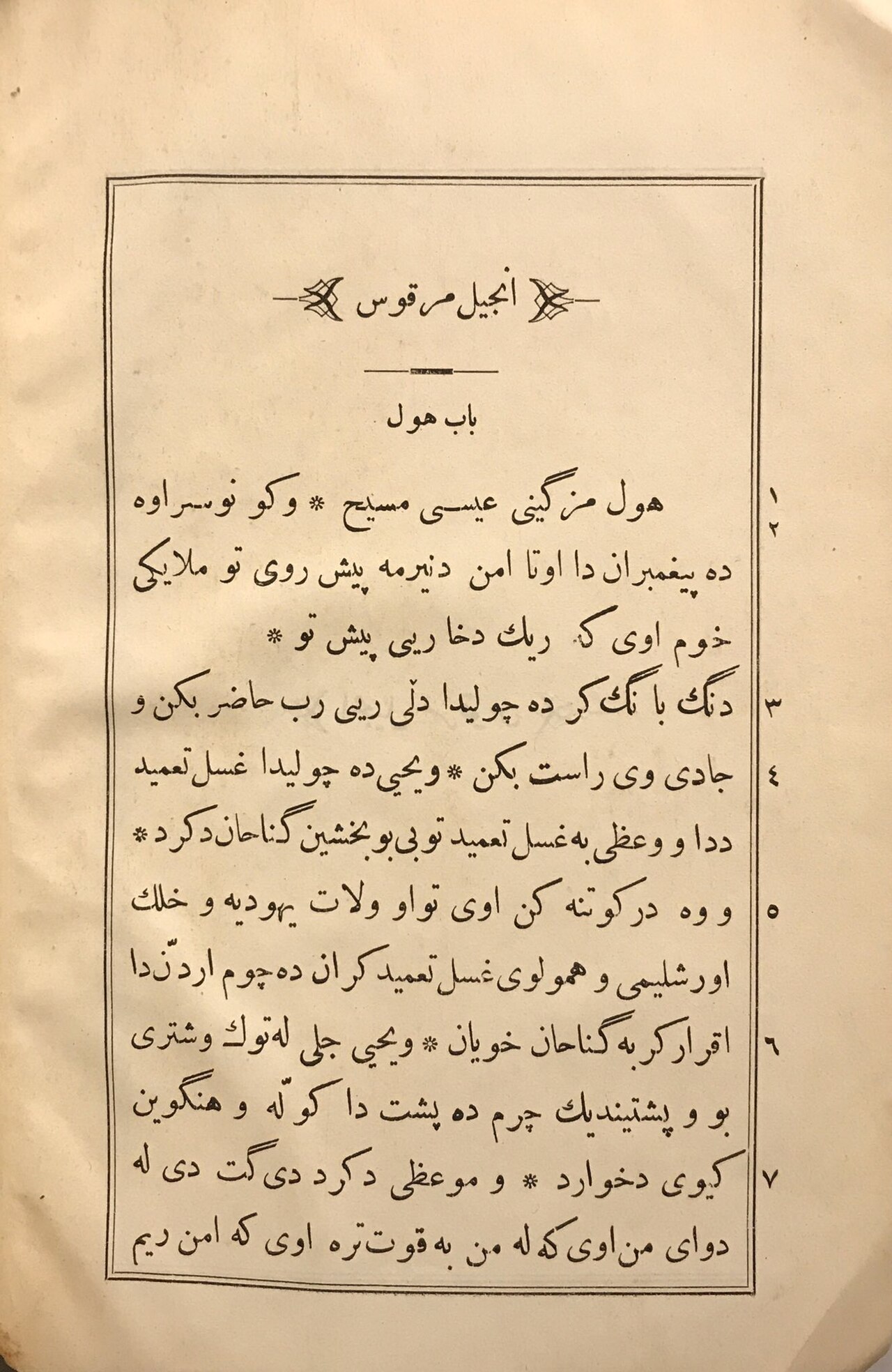 Book
Secondary source
Gospel of Mark
Mark the Evangelist · c. AD 66-75
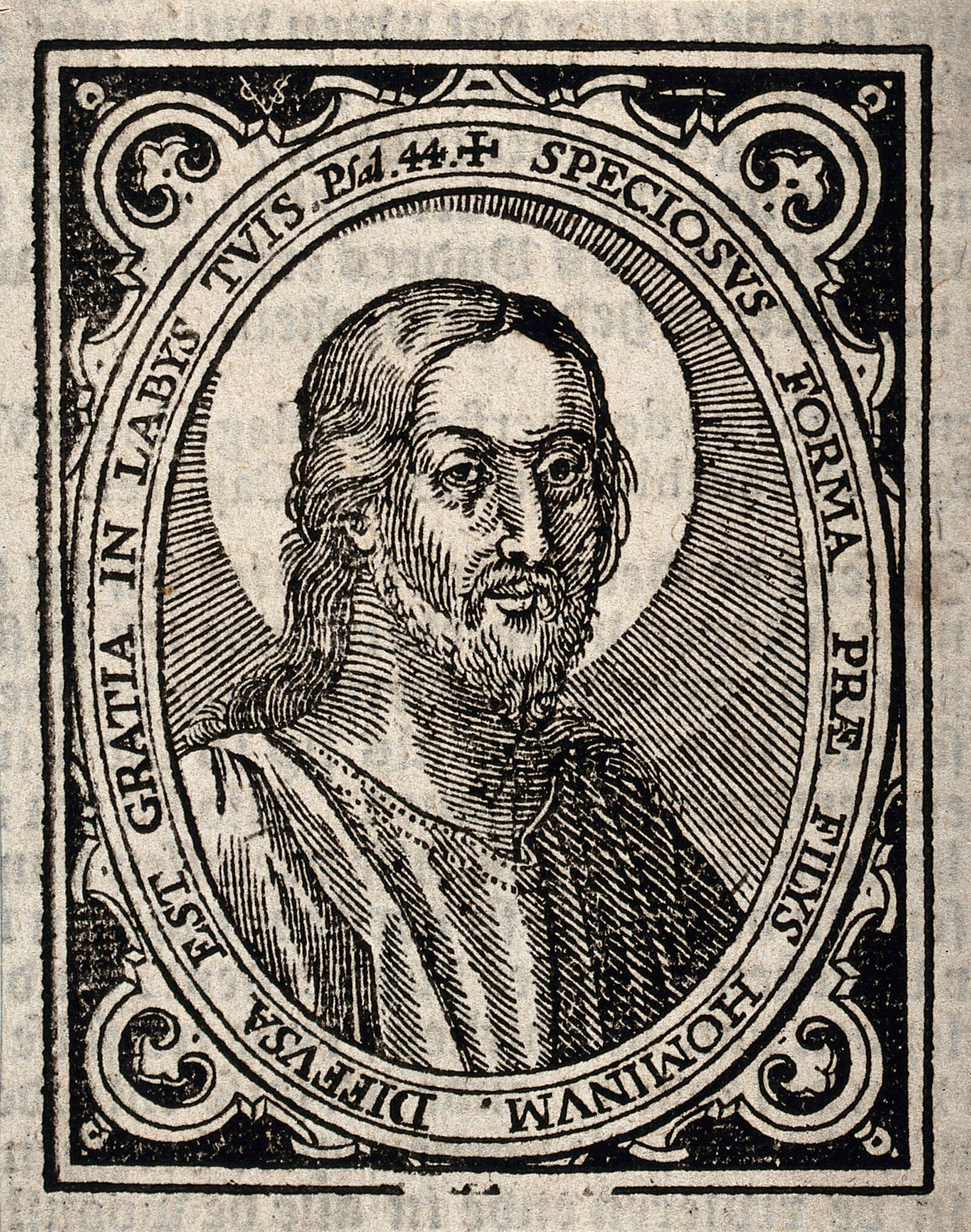 Artifact
Secondary source
Jesus Christ, woodcut by Christoffel van Sichem III
Christoffel van Sichem III · c. 1645
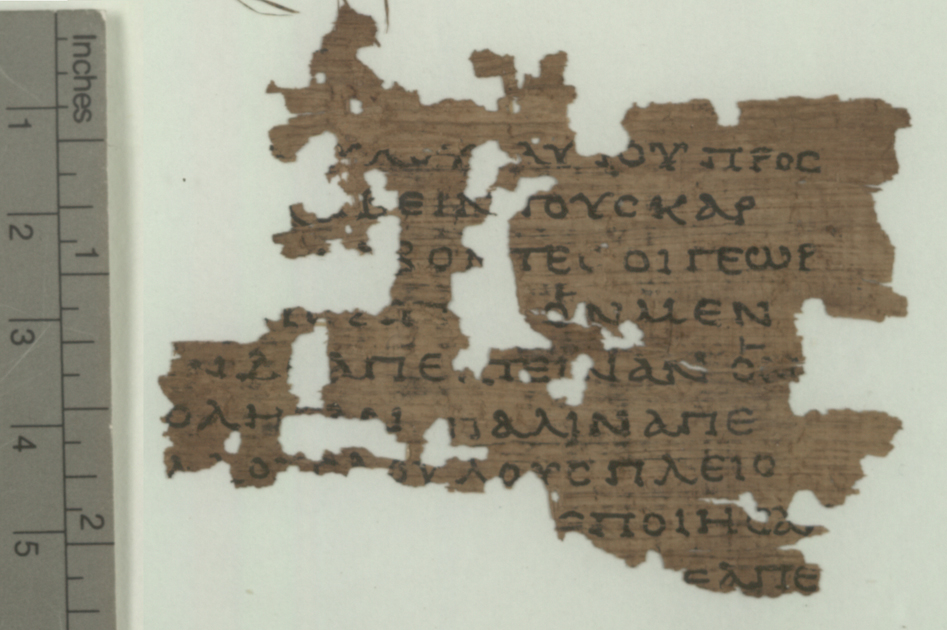 Book
Secondary source
Gospel of Matthew
Matthew the Apostle · late 1st century AD
 Painting
Secondary source
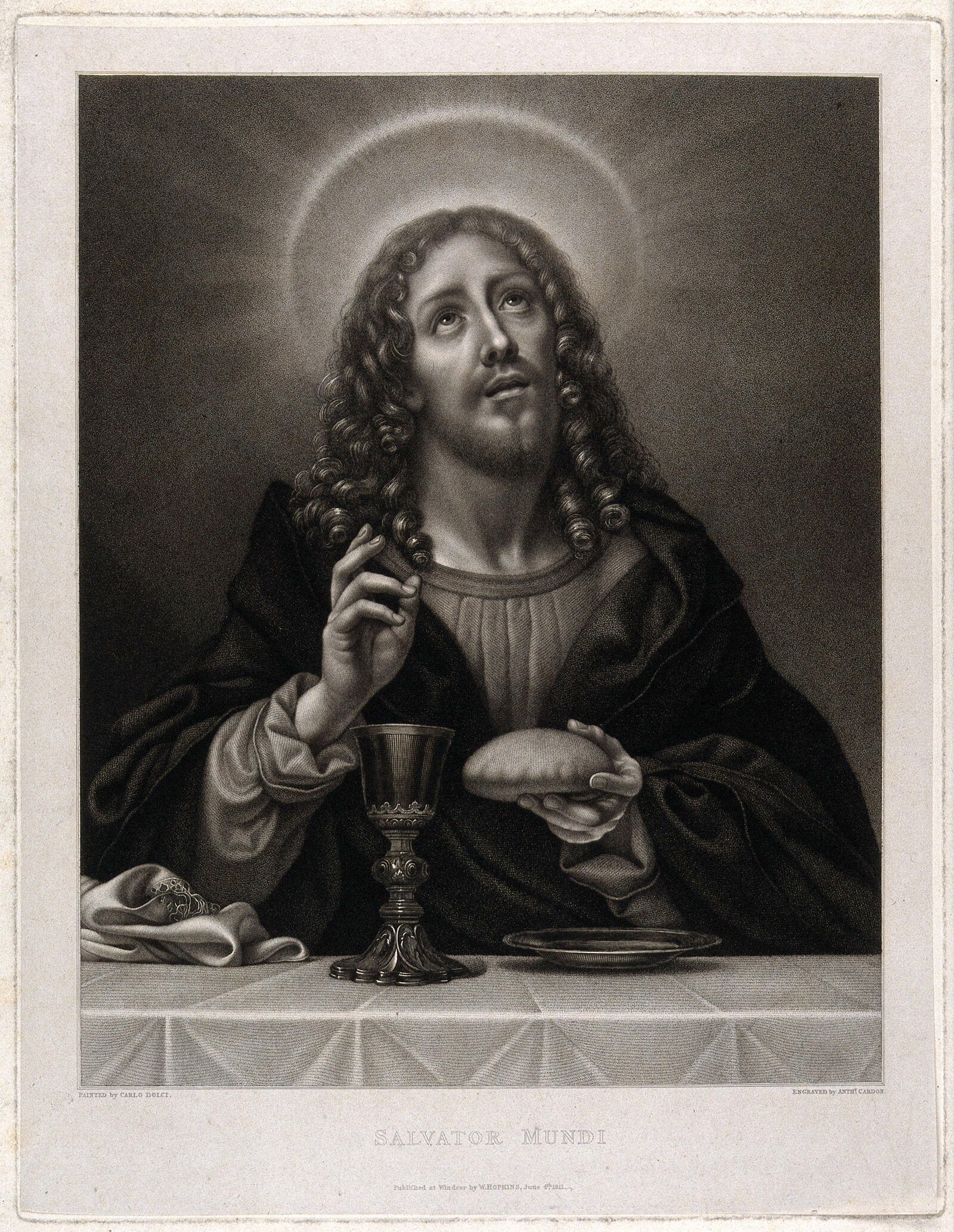
Jesus Christ blessing the Host
Carlo Dolci (painting); Anth. Cardon (engraving) · 4 June 1811
 Painting
Secondary source
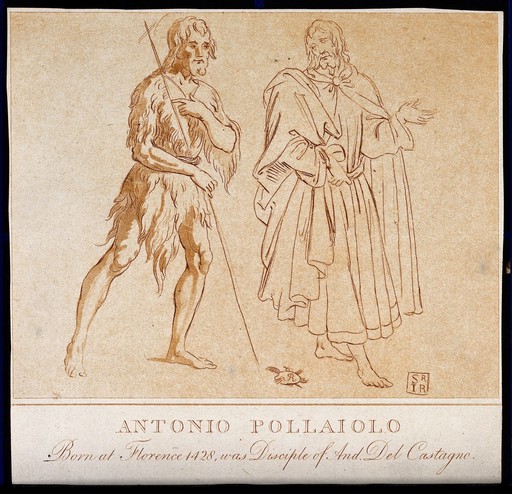
John the Baptist Meets Jesus Christ
Antonio Pollaiuolo
Ready when you are
Start chatting with Jesus Christ now.
20 messages free · No credit card · Available in 50+ languages.