


Primary sourceBook1674
Paradise Lost
John Milton · 1674
A long English epic poem by John Milton, shown here in its 1674 second edition, issued in the year of his death and divided into twelve books. Its opening essay, The Verse, explains why it is unrhymed.
Milton wrote this epic and printed this second edition himself in his lifetime, making it the central work of his literary career.
Free Humy account · No credit card · 120,912 sources to read
About this source
What it is
This is the text of Paradise Lost, an epic poem by John Milton. The opening section, titled The Verse, explains his choice of English heroic verse without rhyme. He compares it to the unrhymed epics of Homer in Greek and Virgil in Latin, and he argues that rhyme is an invention of a barbarous age. This 1674 edition was issued in the year of Milton's death and restructured the epic into twelve books, the form in which it is read today.
Why it matters
The Verse shows that Milton was making a deliberate argument about poetry, not just telling a story. He says that true musical pleasure comes from apt numbers, the right quantity of syllables, and sense carried from one line into the next, rather than from the jingling sound of matching endings. He also names Italian and Spanish poets and English tragedies that had given up rhyme, so the poem connects Milton to a wider European debate about verse. Reading it helps students see how a writer can use the form of a work to make an argument.
Look closer
- Milton calls rhyme a fault of a barbarous age, yet many earlier poets used it. What does this tell you about how Milton wanted readers to see him?
- The Verse appears before the poem itself. Why might an author explain his form to readers at the start?
- Who would have bought this 1674 edition, and what does the printed format suggest about who the readers were?
This book is part of the curated material that grounds the AI version of John Milton on Humy.ai — when students ask about related events, the AI can quote it and cite it.
More John Milton sources
Browse all 91 →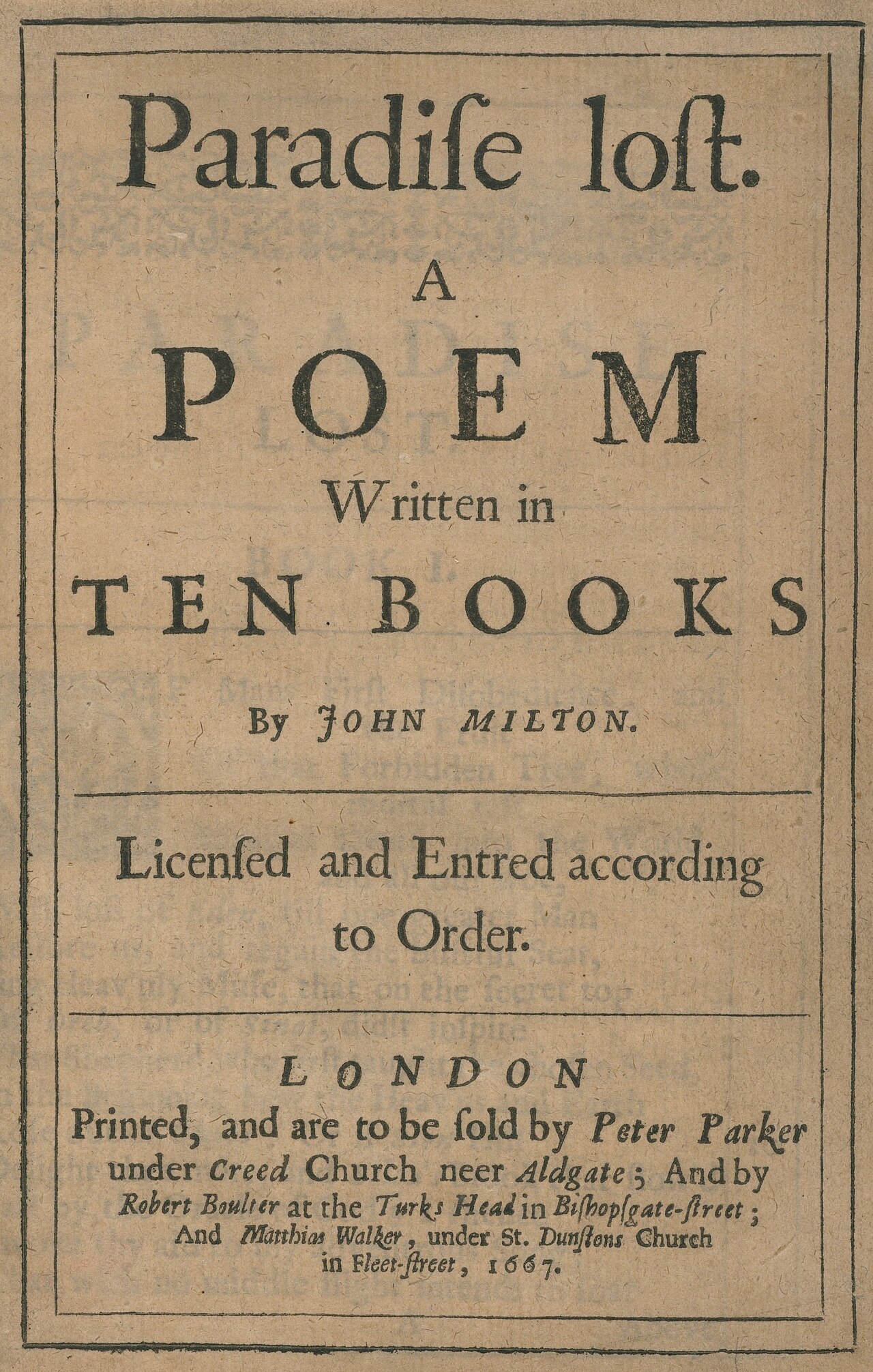 Book
Primary source
Paradise Lost
John Milton · 1667
 Book
Primary source
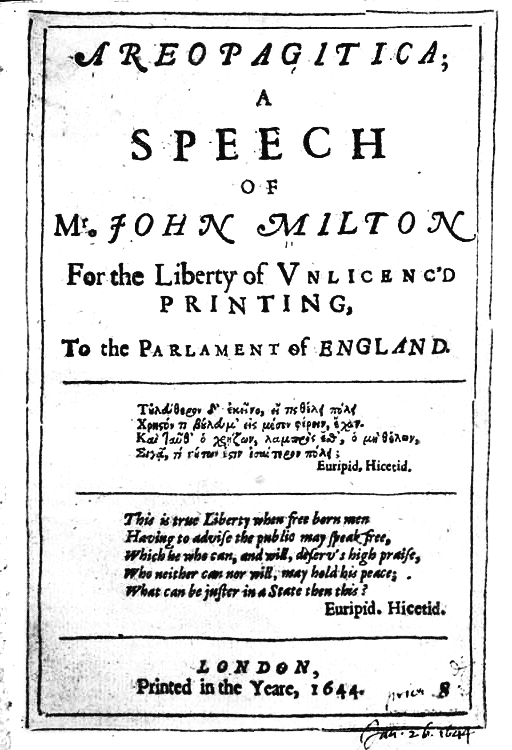
Areopagitica
John Milton · 23 November 1644
Primary source
When I Consider How My Light is Spent
John Milton · c. 1655
 Painting
Primary source
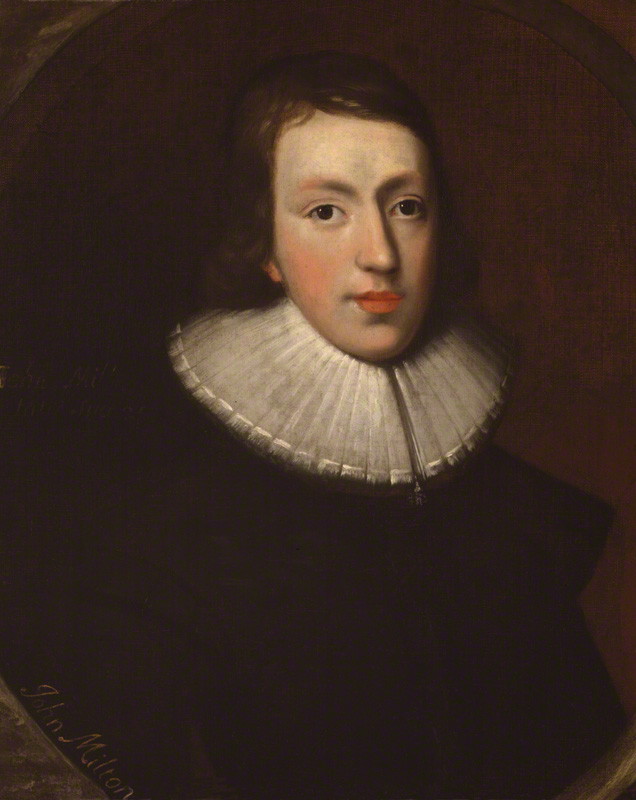
Portrait of John Milton
Unknown painter · 1629
Free account
Read every John Milton source
Sign up free →
Ready when you are
Start chatting with John Milton now.
20 messages free · No credit card · Available in 50+ languages.