


Primary sourceBook1667
Paradise Lost
John Milton · 1667
John Milton's epic poem about the Fall of Man, in the ten-book edition of 1667. This LibriVox entry is a volunteer audio reading of the text, not a recording of Milton.
Shows Milton's major epic, which he wrote and which connects his religious beliefs to his ambition as a poet.
Free Humy account · No credit card · 120,912 sources to read
About this source
What it is
This entry is a LibriVox audio recording of Paradise Lost, a long poem by John Milton. The text opens with the invocation to the heavenly Muse, which begins "Of Mans First Disobedience, and the Fruit Of that Forbidden Tree." The recording is a volunteer reading, made recently and dedicated to the public domain. It is not the poet's own voice.
Why it matters
The facts describe the poem as the first epic of English literature written in the classical style. Milton saw himself as the heir of Homer, Virgil and Dante, and he aimed to express the basic tenets of Protestant faith. The facts also note that the work was dictated from memory and transcribed by his daughter.
Look closer
- How does the poet's opening call for help from a heavenly Muse shape the reader's expectations?
- Why might Milton have chosen to write in the style of ancient epics?
- What does a modern volunteer reading add to the poem, and what might it change from the printed text?
This book is part of the curated material that grounds the AI version of John Milton on Humy.ai — when students ask about related events, the AI can quote it and cite it.
More John Milton sources
Browse all 91 →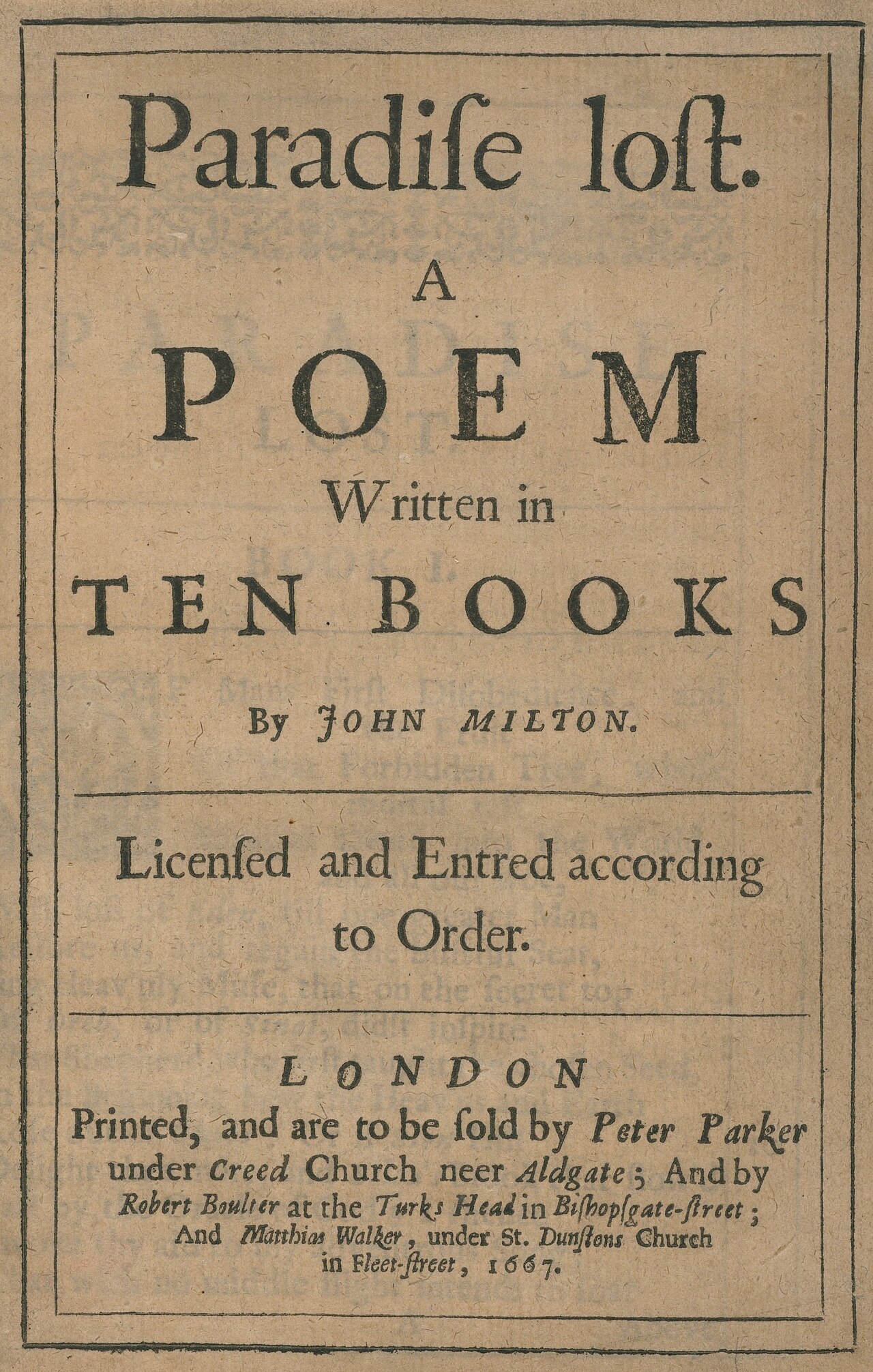 Book
Primary source
Paradise Lost
John Milton · 1667
 Book
Primary source
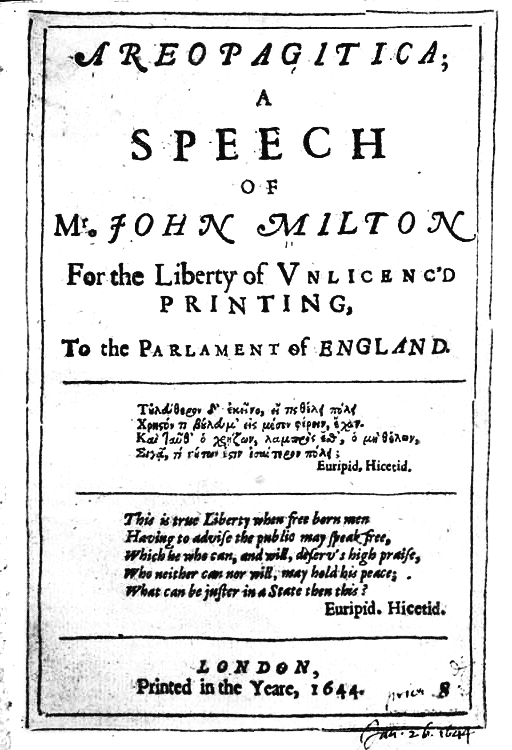
Areopagitica
John Milton · 23 November 1644
Primary source
When I Consider How My Light is Spent
John Milton · c. 1655
 Painting
Primary source
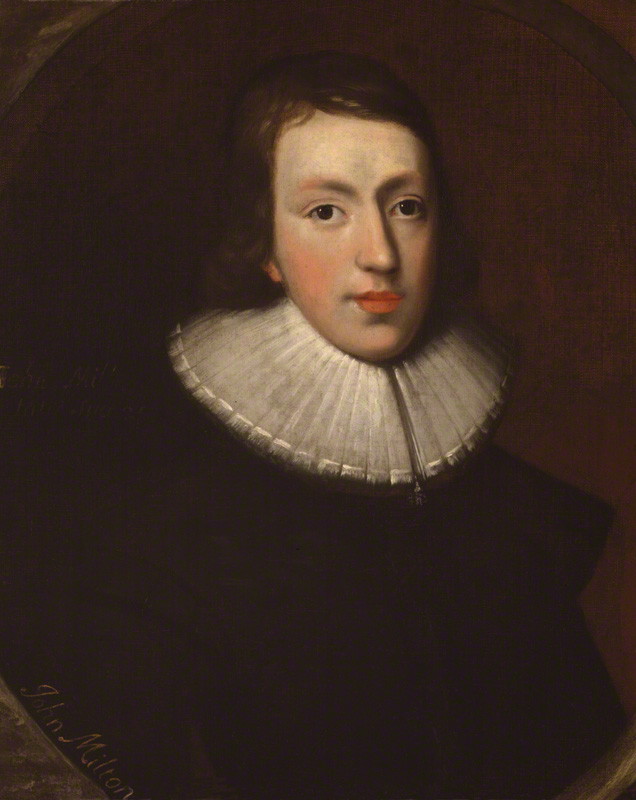
Portrait of John Milton
Unknown painter · 1629
Free account
Read every John Milton source
Sign up free →
Ready when you are
Start chatting with John Milton now.
20 messages free · No credit card · Available in 50+ languages.