


Primary sourceBook46 BC
Paradoxa Stoicorum
Cicero · 46 BC
A short philosophical treatise by Cicero explaining six famous Stoic paradoxes, dedicated to Brutus.
Cicero wrote this treatise himself, using Stoic philosophy to defend his own political choices and attack rivals.
About this source
What it is
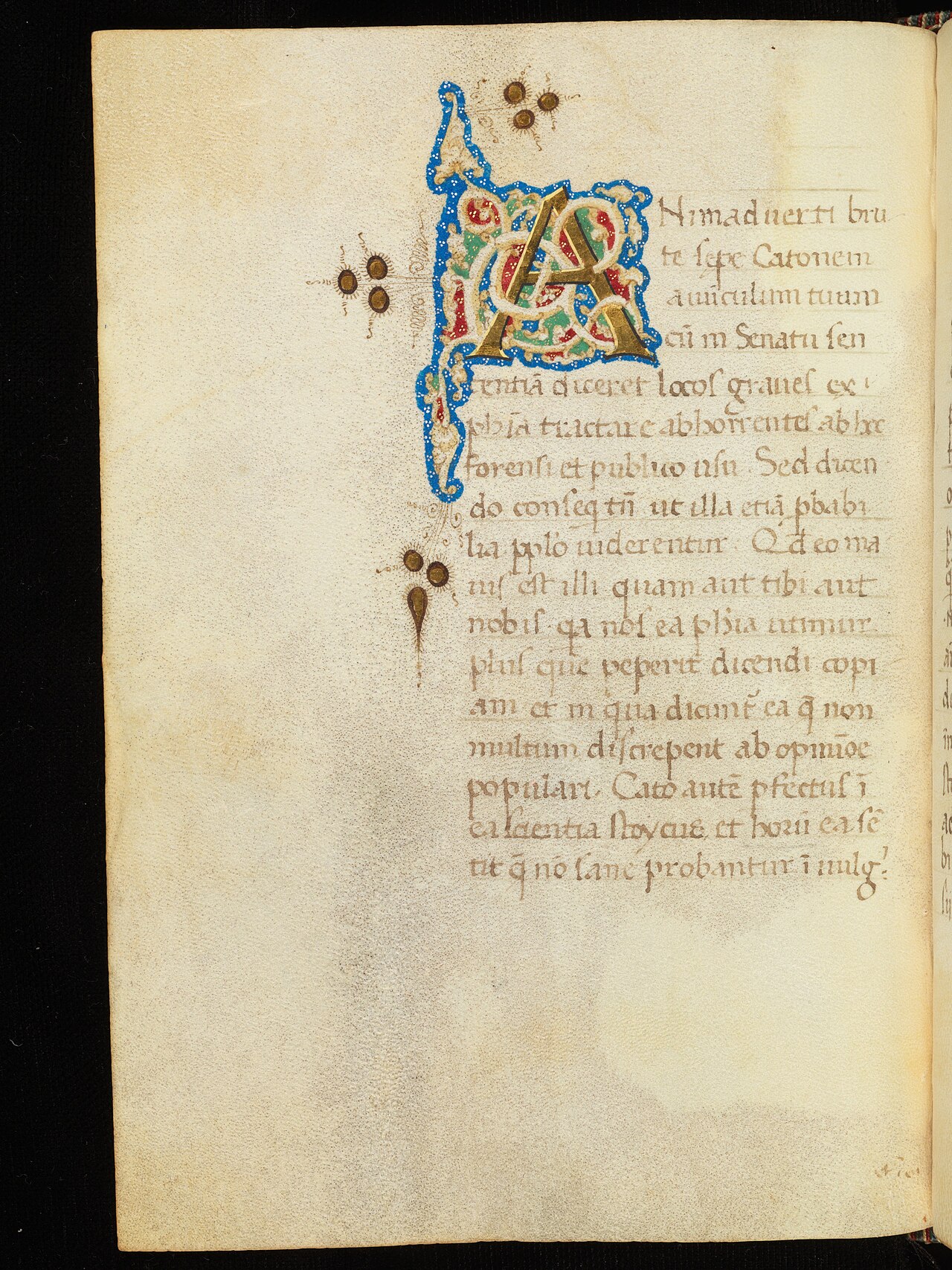
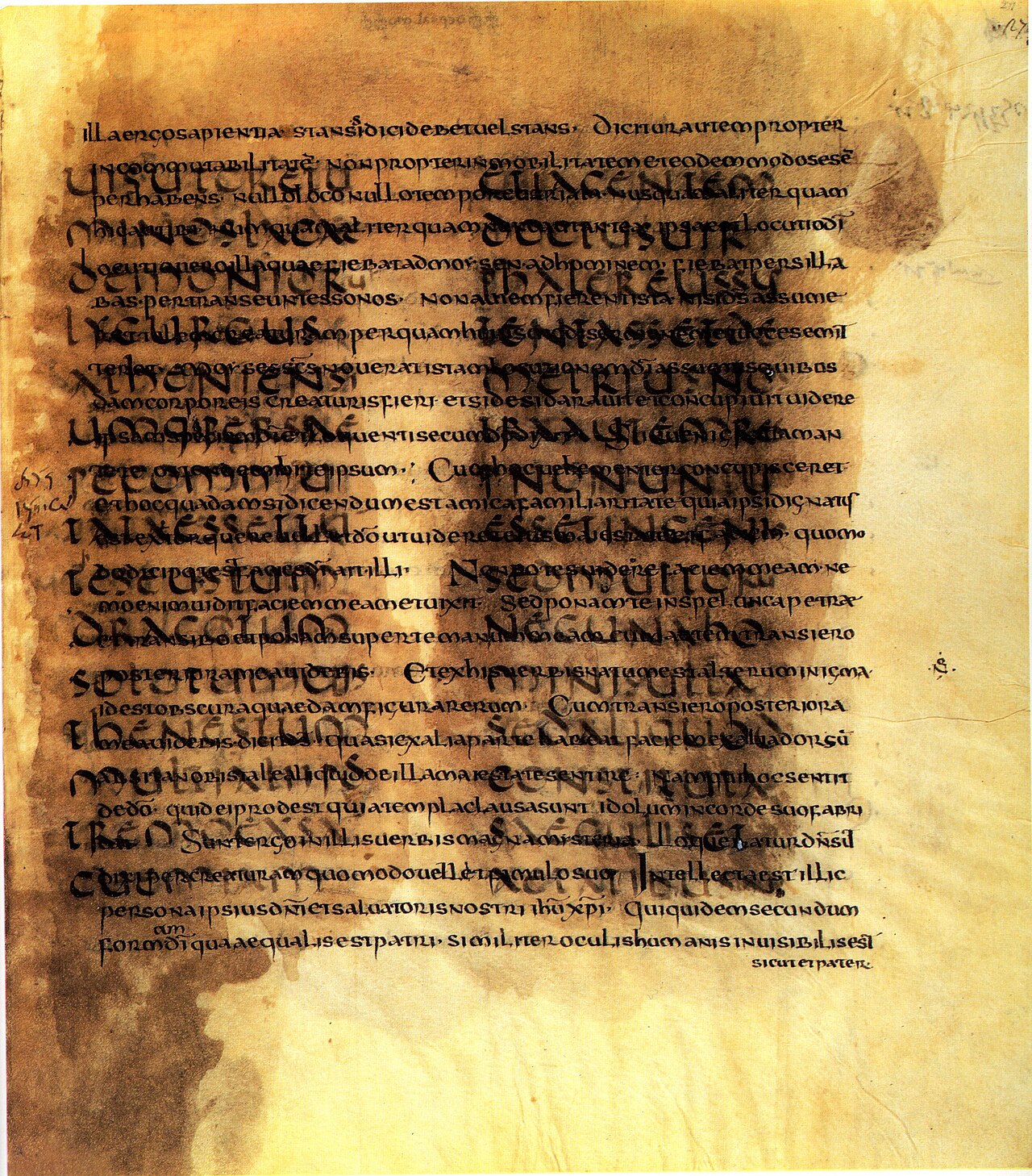
The Paradoxa Stoicorum is a short work written by Cicero around 46 BC. In it, he tries to explain six Stoic sayings that seem strange at first glance, such as the idea that virtue alone is good or that only the wise are free. It is dedicated to Marcus Brutus. The image shown is a page from a 15th-century Italian manuscript copy, with decorated initial letters.
Why it matters
Cicero wrote this to translate Greek Stoic ideas into polished Latin suited for Roman public speech. He also uses it to attack his personal enemies and defend his own exile. The work shows how Cicero connected Greek philosophy to Roman politics and rhetoric, and it later became one of the first books ever printed, showing how valued his writing remained centuries later.
Look closer
- Why might Cicero dedicate this work to Brutus and praise Cato?
- Does Cicero seem to believe deeply in these paradoxes, or is he showing off his rhetorical skill?
- What does the decorated manuscript page tell you about how later readers valued Cicero's writings?
This book is part of the curated material that grounds the AI version of Cicero on Humy.ai — when students ask about related events, the AI can quote it and cite it.
More Cicero sources
Meet the AI Cicero →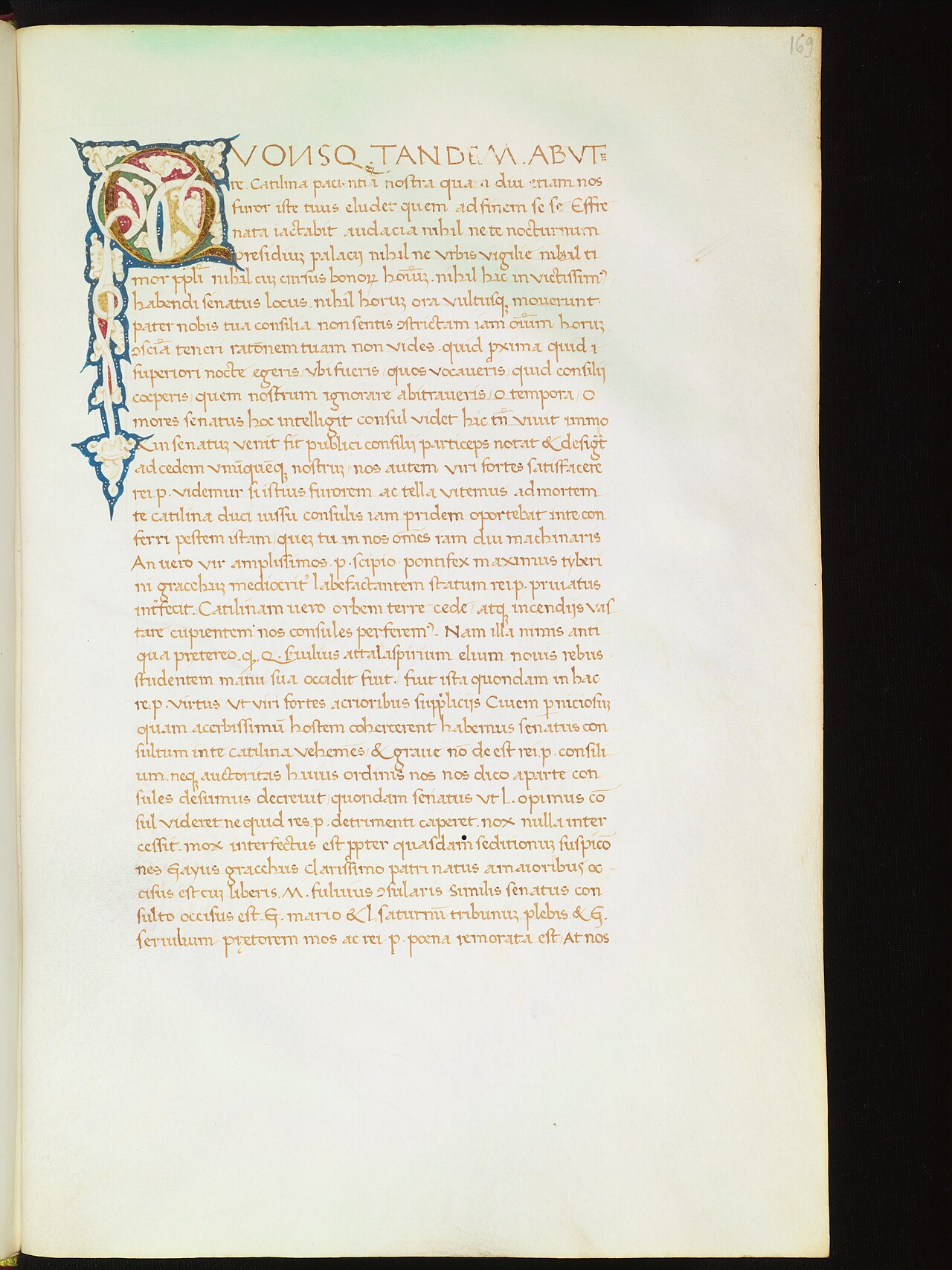 Speech
Primary source
Catiline Orations
Cicero · 63 BCE
 Painting
Secondary source
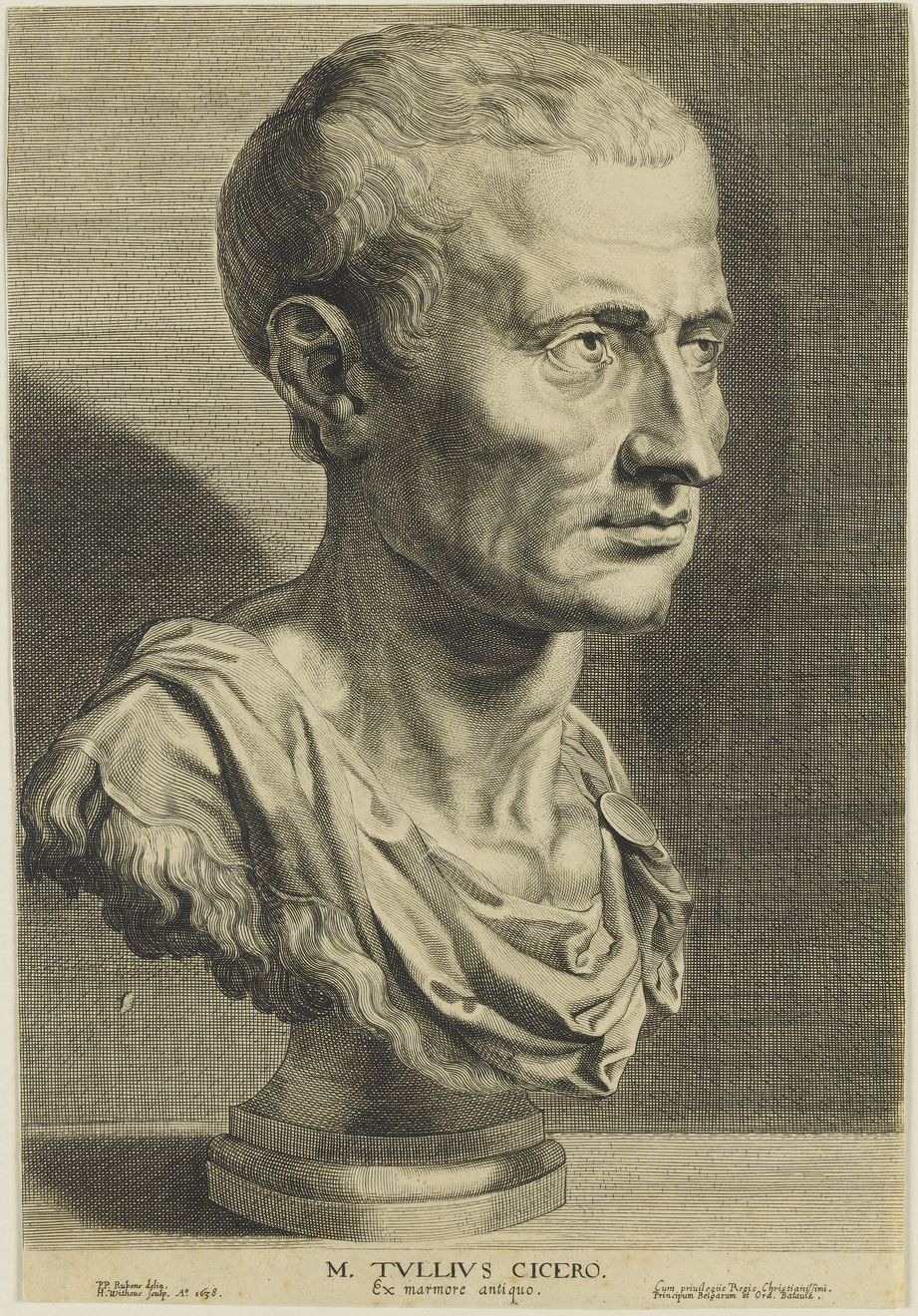
Marcus Tullius Cicero, engraved after antique marble busts
Jan Witdoeck
 Book
Primary source
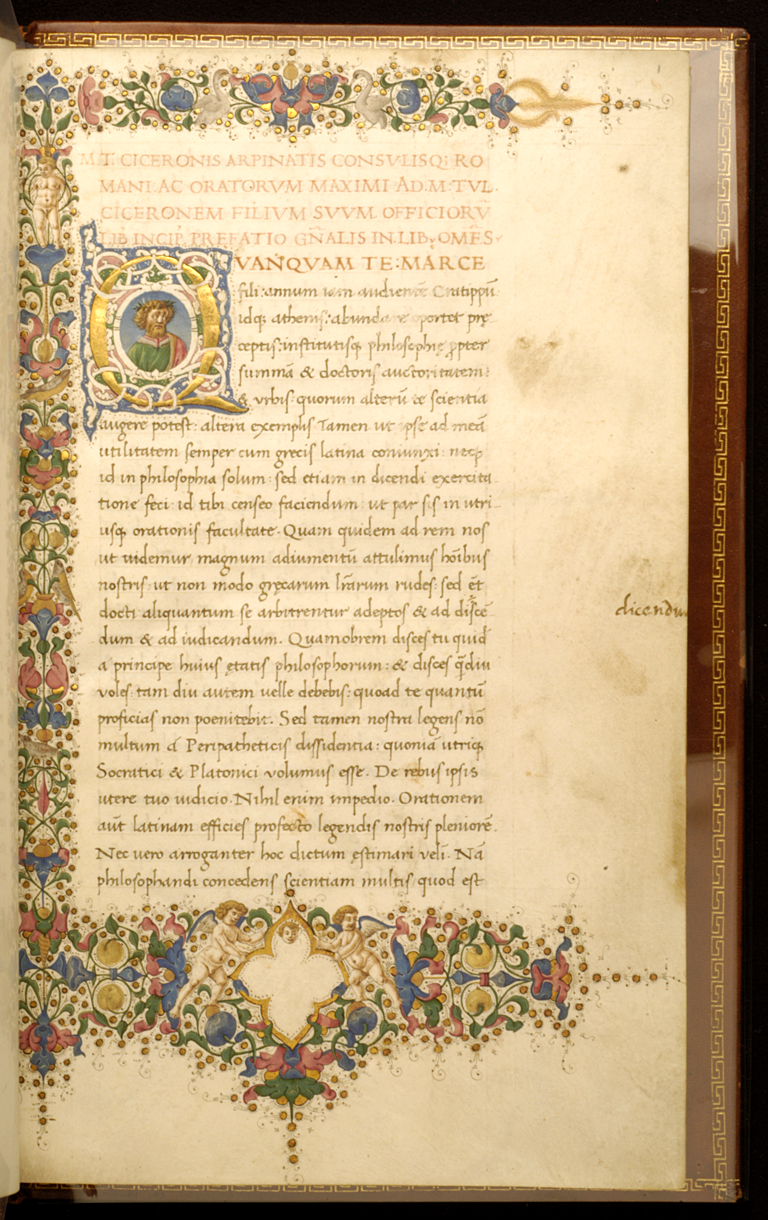
De Officiis
Cicero · 44 BC
 Painting
Secondary source
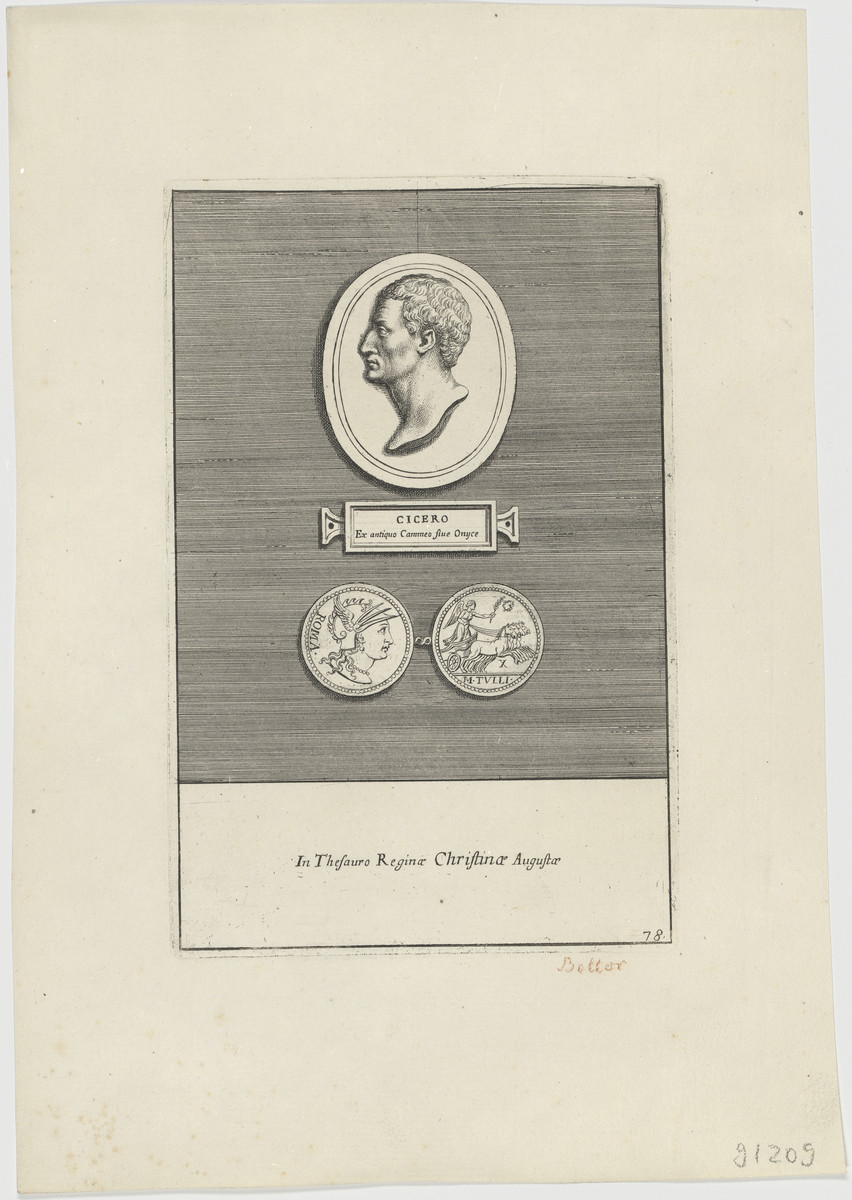
Portrait of Cicero (Bildnis des Cicero)
 Book
Primary source
De re publica
Cicero · c. 54–51 BC
Ready when you are
Start chatting with Cicero now.
20 messages free · No credit card · Available in 50+ languages.