


Primary sourceSculptureAmarna period
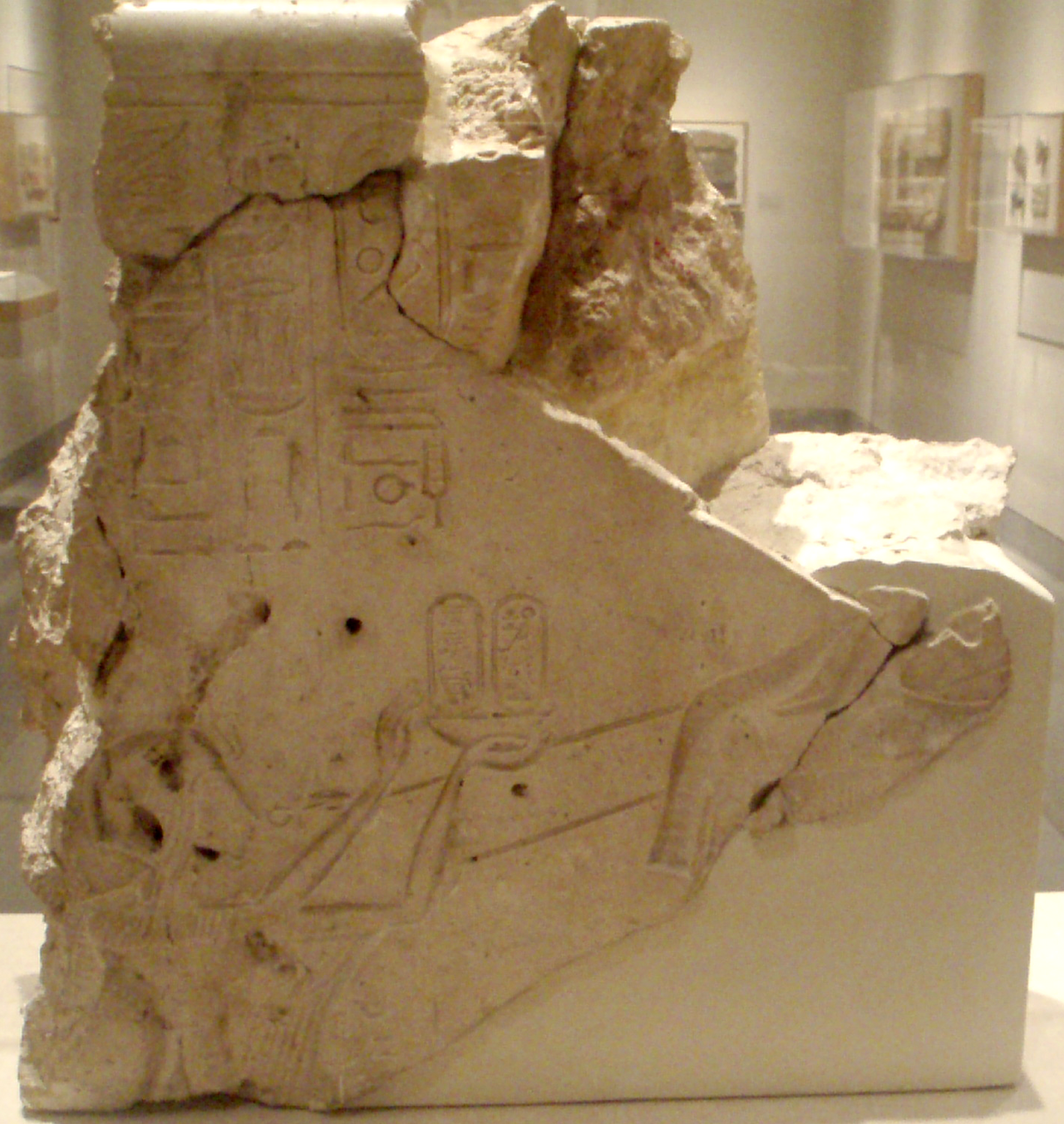
Parapet Fragment of Nefertiti Presenting Cartouches of the Aten
Amarna period
A broken limestone relief fragment showing Nefertiti kneeling and presenting cartouches bearing the Aten's names.
This fragment shows Nefertiti presenting the Aten's cartouche-names, pointing to her formal religious role.
About this source
What it is
This photograph shows a chipped and broken limestone relief fragment from a parapet, held at the Brooklyn Museum. It shows a kneeling figure presenting two cartouches, with hieroglyphs carved above, identified as Nefertiti presenting the Aten's names.
Why it matters
Cartouches usually held the names of pharaohs, but here they contain the Aten's 'royal' names. Showing Nefertiti presenting them suggests she had a formal ritual role in promoting the new religion centred on the sun-god, alongside Akhenaten.
Look closer
- Why might the Aten's name be written inside a cartouche, a shape normally used for kings?
- What does the damage to the stone suggest about what else might have been shown here?
- What does the kneeling pose tell you about the relationship between the figure and the god?
This sculpture is part of the curated material that grounds the AI version of Queen Nefereti on Humy.ai — when students ask about related events, the AI can quote it and cite it.
More Queen Nefereti sources
Browse all 83 →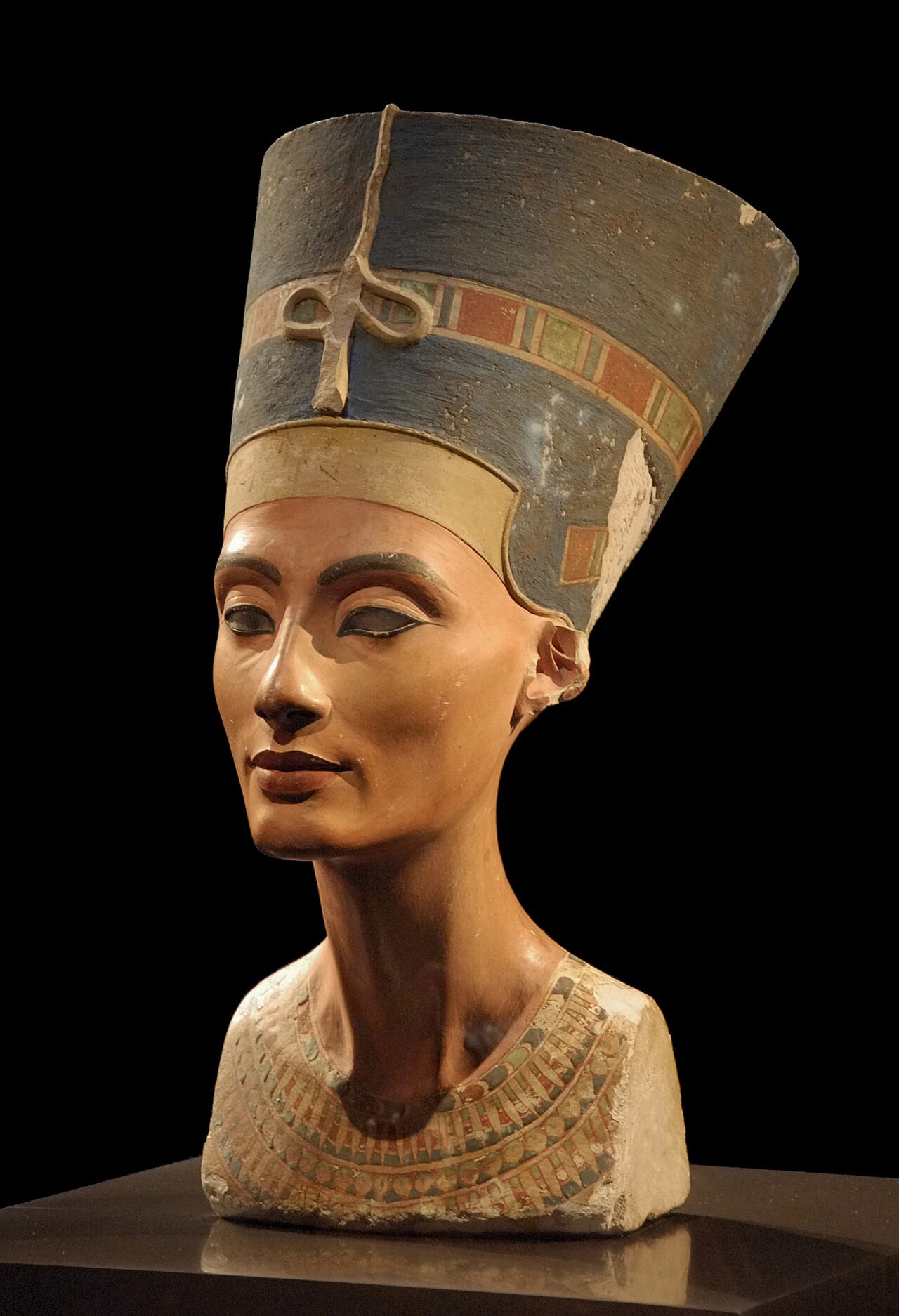 Sculpture
Primary source
Bust of Queen Nefertiti
Thutmose · c. 1345 BC
 Sculpture
Primary source
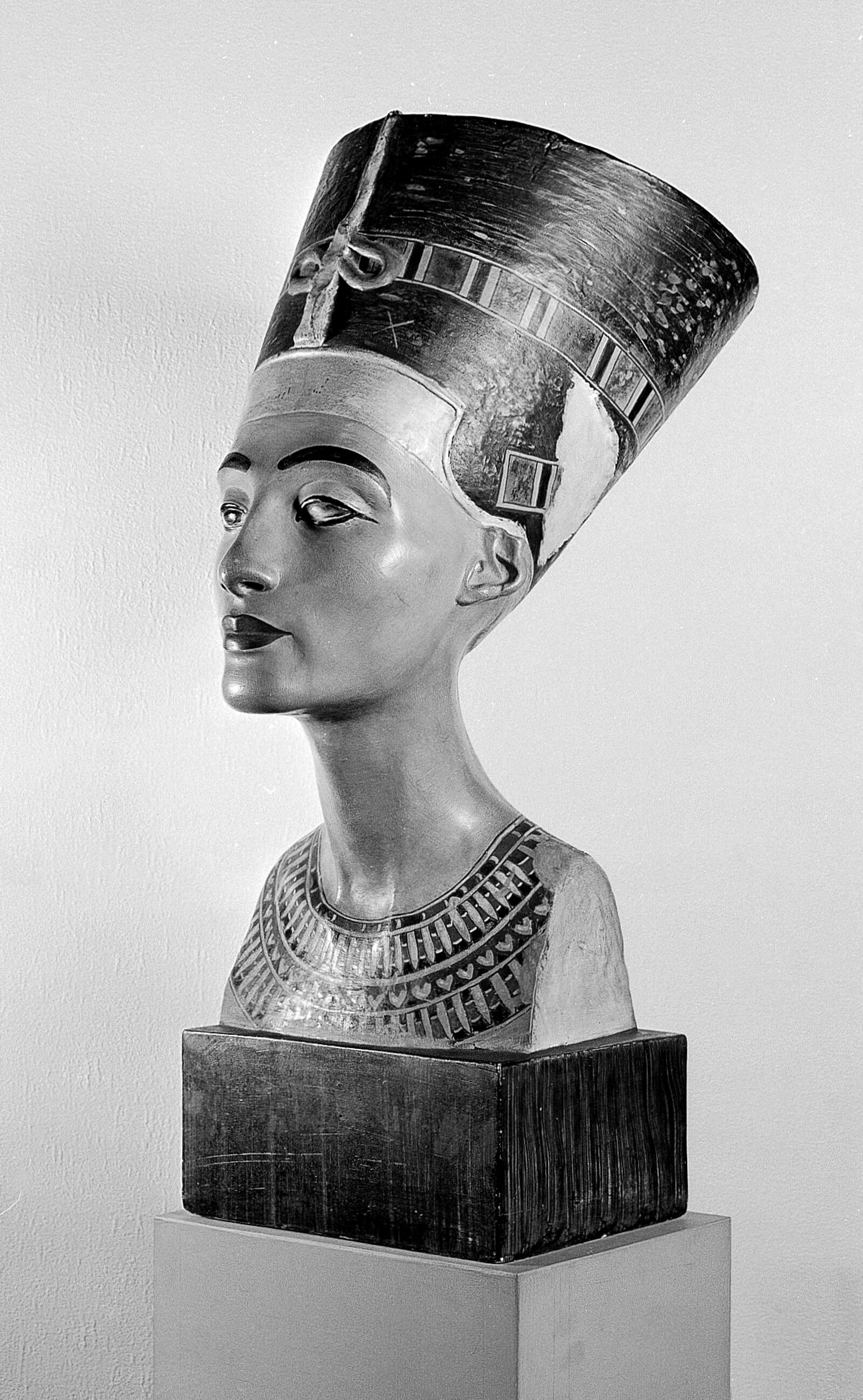
Figure of Nefertiti
 Sculpture
Primary source
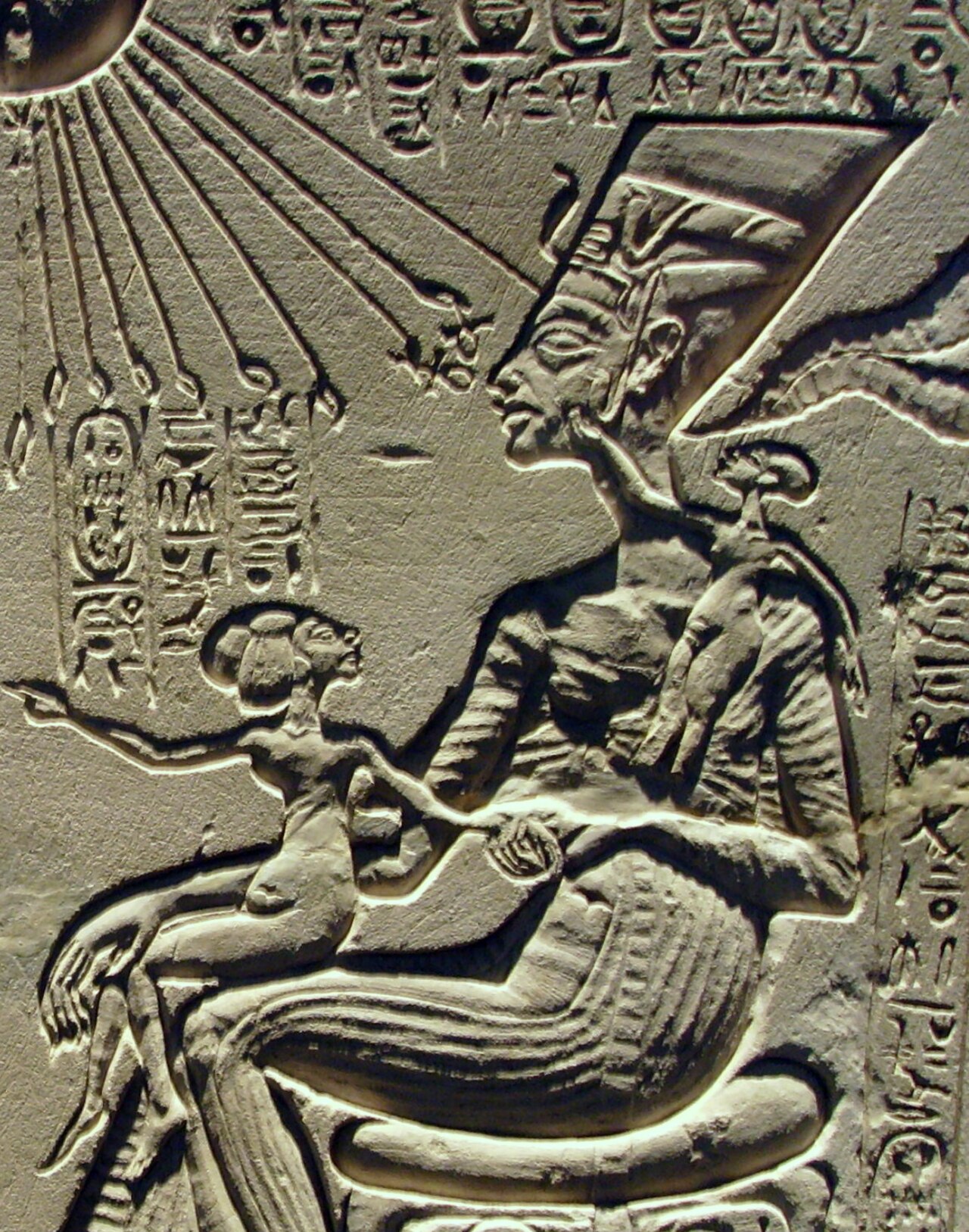
Akhenaten and His Family
c. 1352 BC
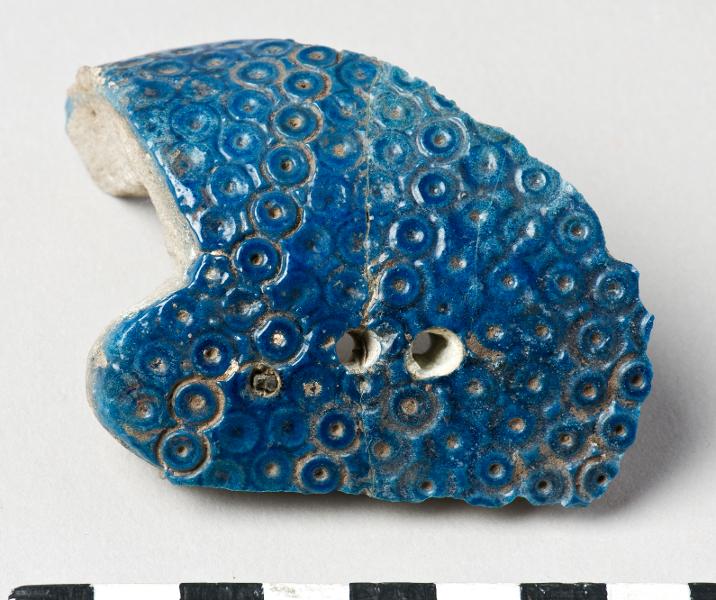 Sculpture
Primary source
Relief Fragment Showing the Blue Crown of Nefertiti
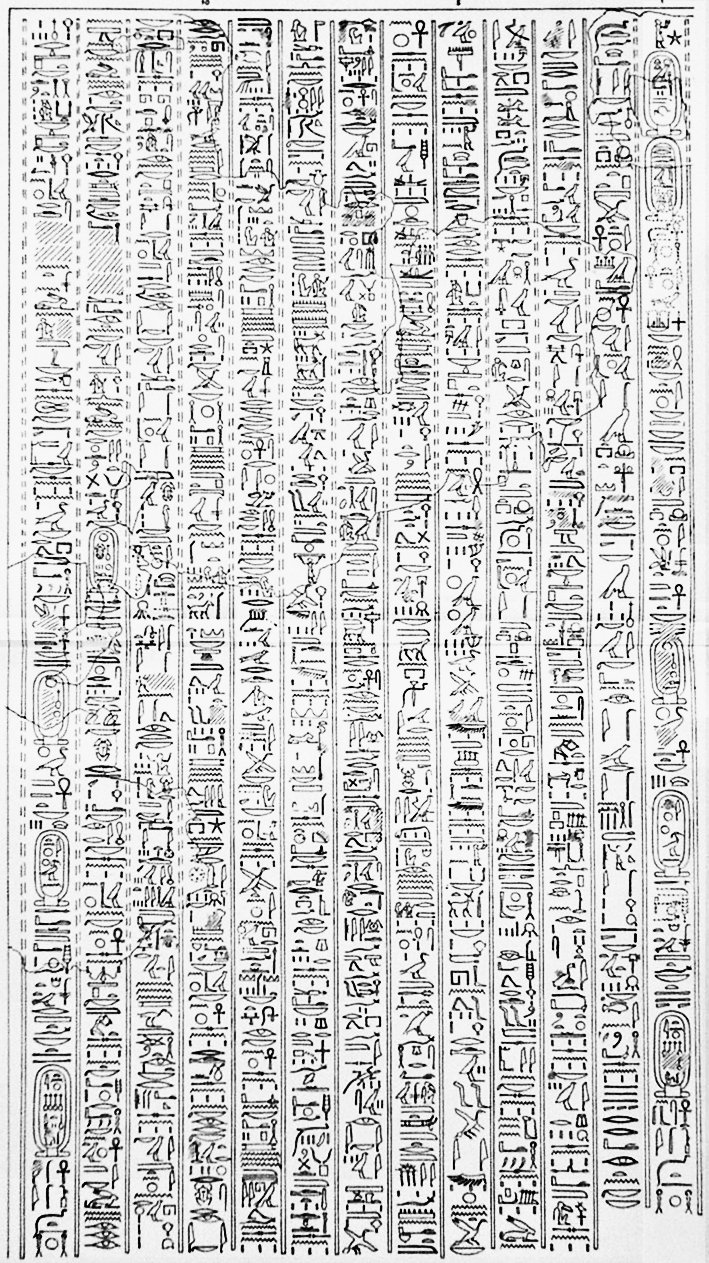
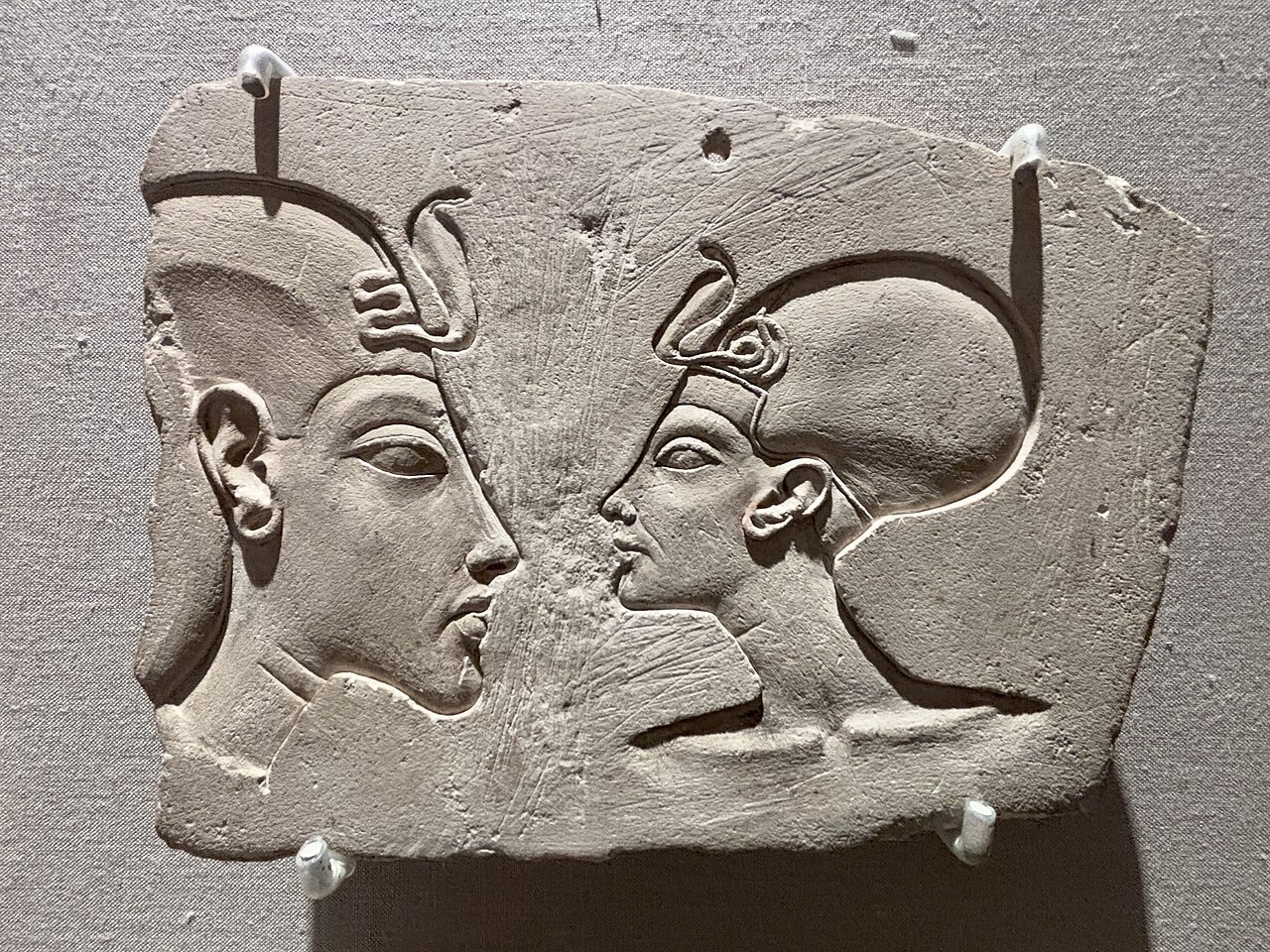
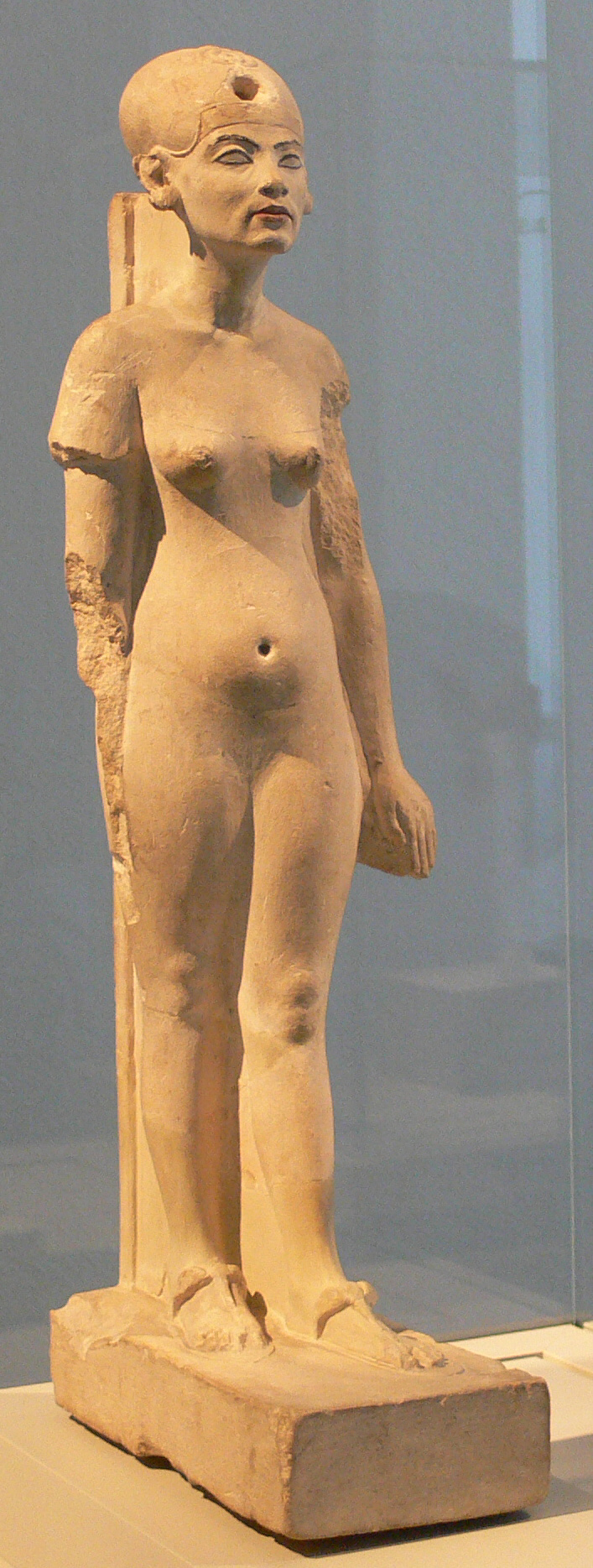
Free account
Read every Queen Nefereti source
Sign up free →
Ready when you are
Start chatting with Queen Nefereti now.
20 messages free · No credit card · Available in 50+ languages.