


Primary sourcePaintingc. 1830
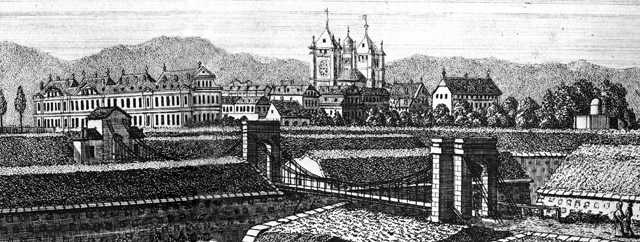
Passerelle de Saint-Antoine
Charles-Moïse Briquet · c. 1830
A contemporary copper engraving of the Saint-Antoine footbridge in Geneva, a wire suspension bridge linked to Dufour's engineering work.
Shows a Geneva suspension footbridge connected to Dufour's work as a bridge engineer.
About this source
What it is
This is a copper engraving made around 1830 by Charles-Moïse Briquet, showing the Saint-Antoine footbridge in Geneva. It depicts the bridge's stone pillars and cables crossing a river, with the town skyline, including a church with twin towers, in the background.
Why it matters
The bridge was a wire suspension footbridge connected to the engineering work of Guillaume Henri Dufour, who was involved in bridge-building in Geneva. Images like this let us see what early suspension bridges looked like and how they fit into the city around them.
Look closer
- What details tell you this is an engraving rather than a photograph?
- Why might an engineer like Dufour be connected to building bridges like this one?
- What does the surrounding townscape tell you about Geneva at the time?
This painting is part of the curated material that grounds the AI version of Guillaume Henri Dufour on Humy.ai — when students ask about related events, the AI can quote it and cite it.
More Guillaume Henri Dufour sources
Browse all 97 →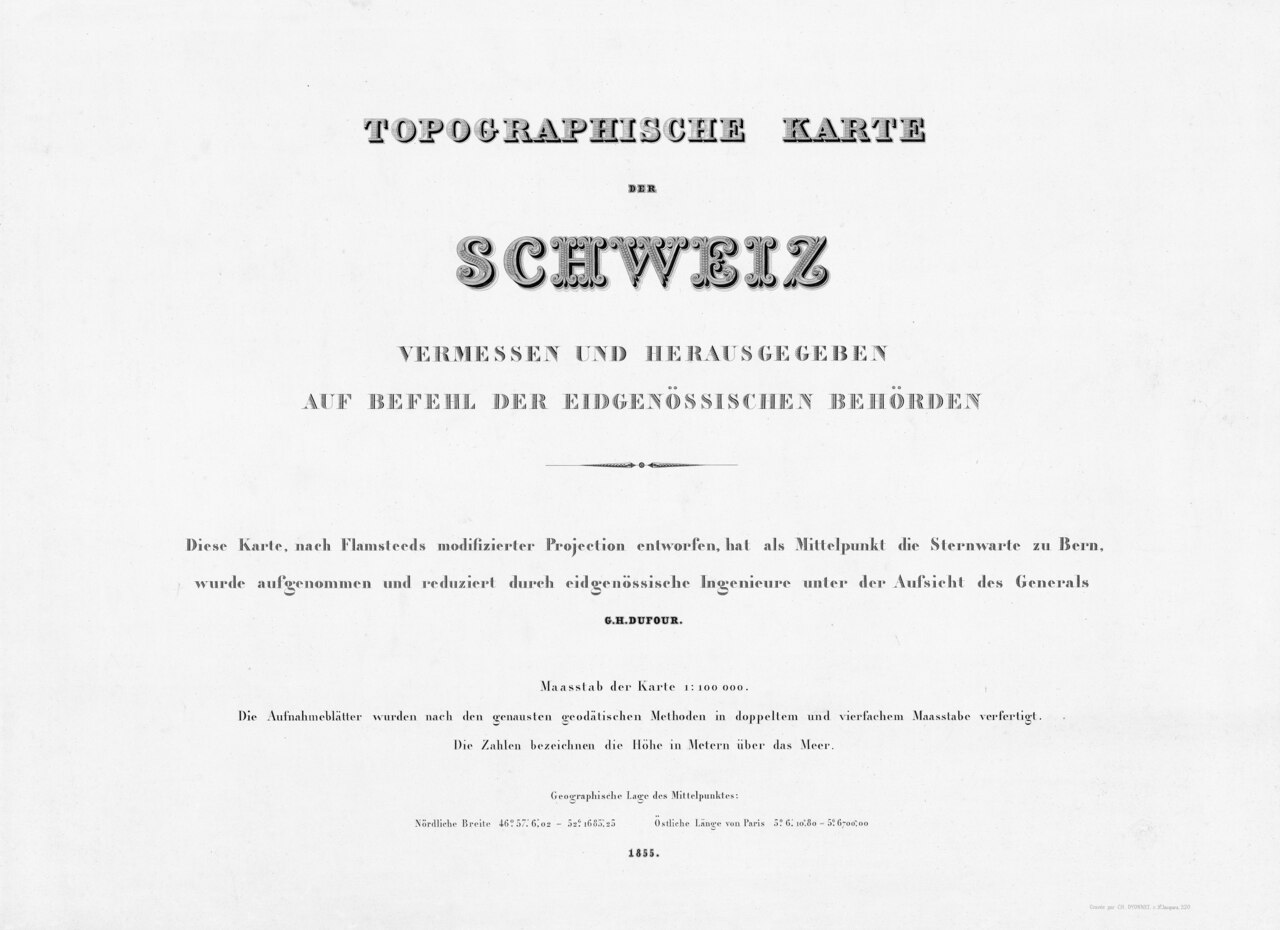 Document
Primary source
Dufour Map
Guillaume Henri Dufour / Federal Topographic Bureau · 1845–1865
 Document
Primary source
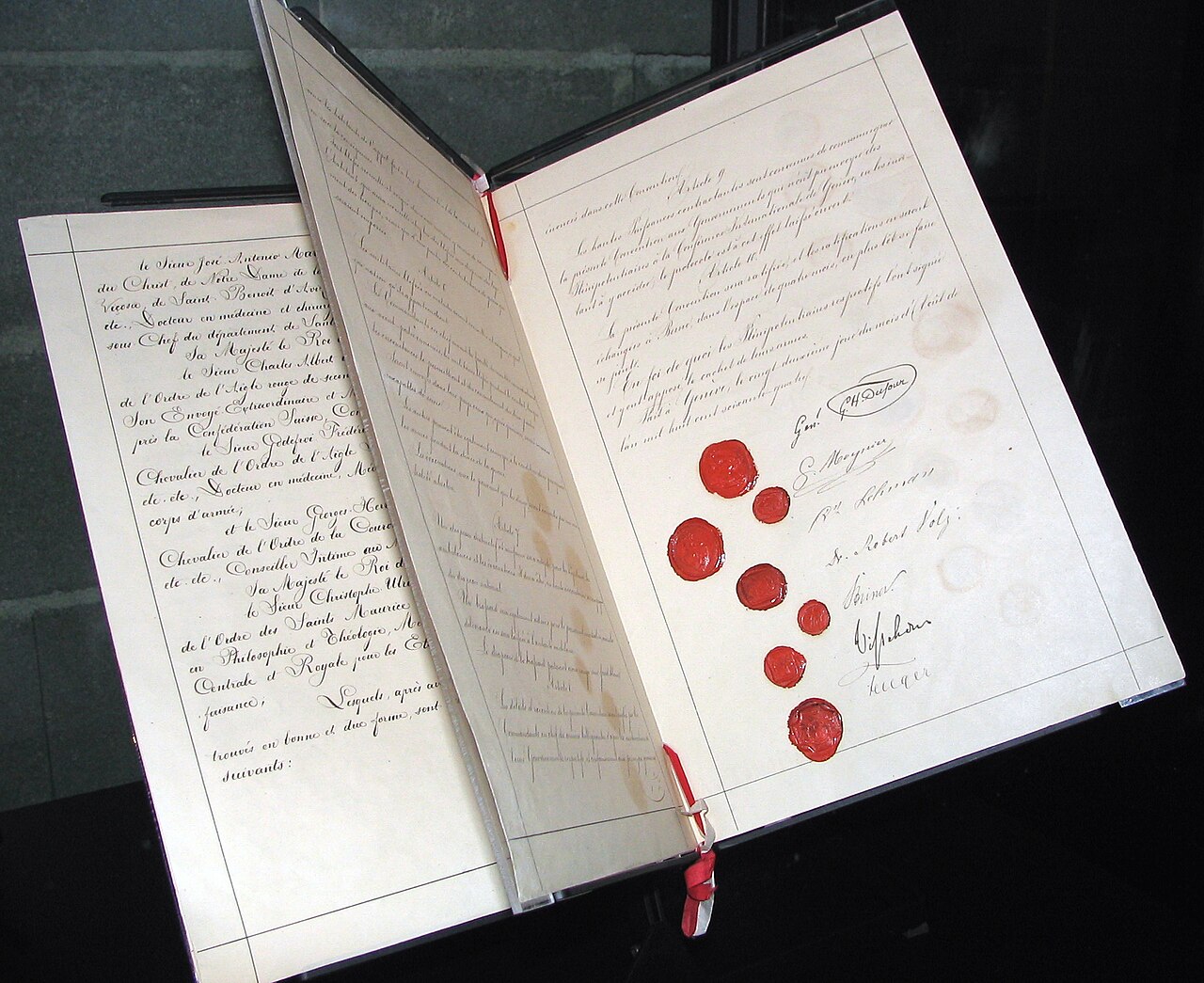
Geneva Convention of 1864
1864
 Artifact
Secondary source
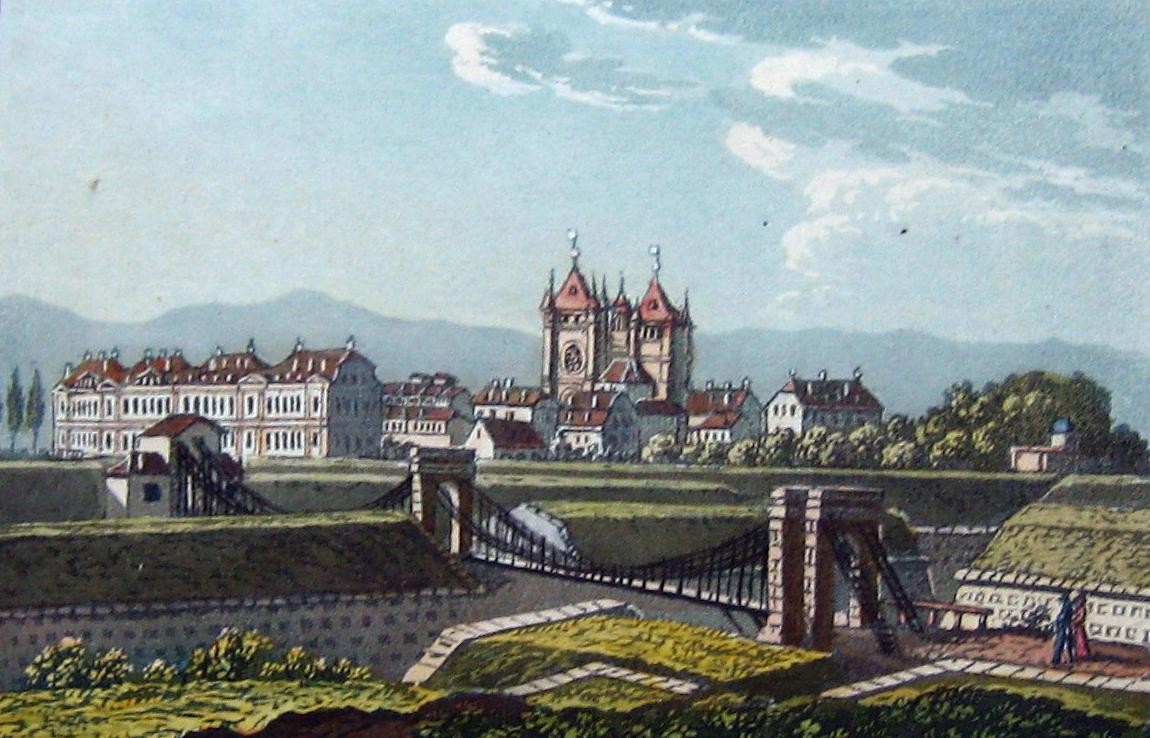
Passerelle de Saint-Antoine
1823
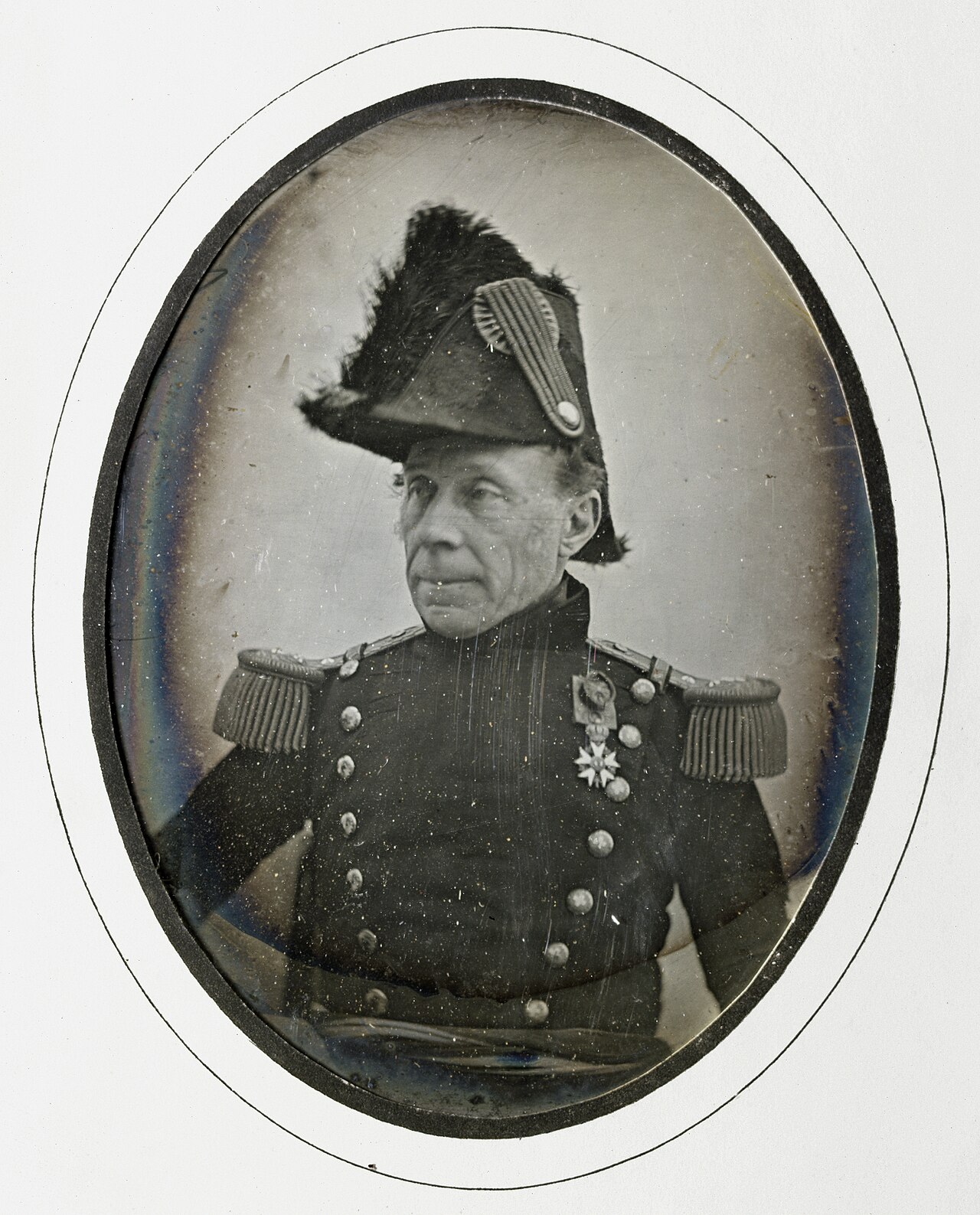 Photograph
Primary source
Daguerreotype Portrait of Guillaume Henri Dufour
Jean de Humnicki · c. 1850
Free account
Read every Guillaume Henri Dufour source
Sign up free →
Ready when you are
Start chatting with Guillaume Henri Dufour now.
20 messages free · No credit card · Available in 50+ languages.