


Primary sourceSculpture3rd century BCE
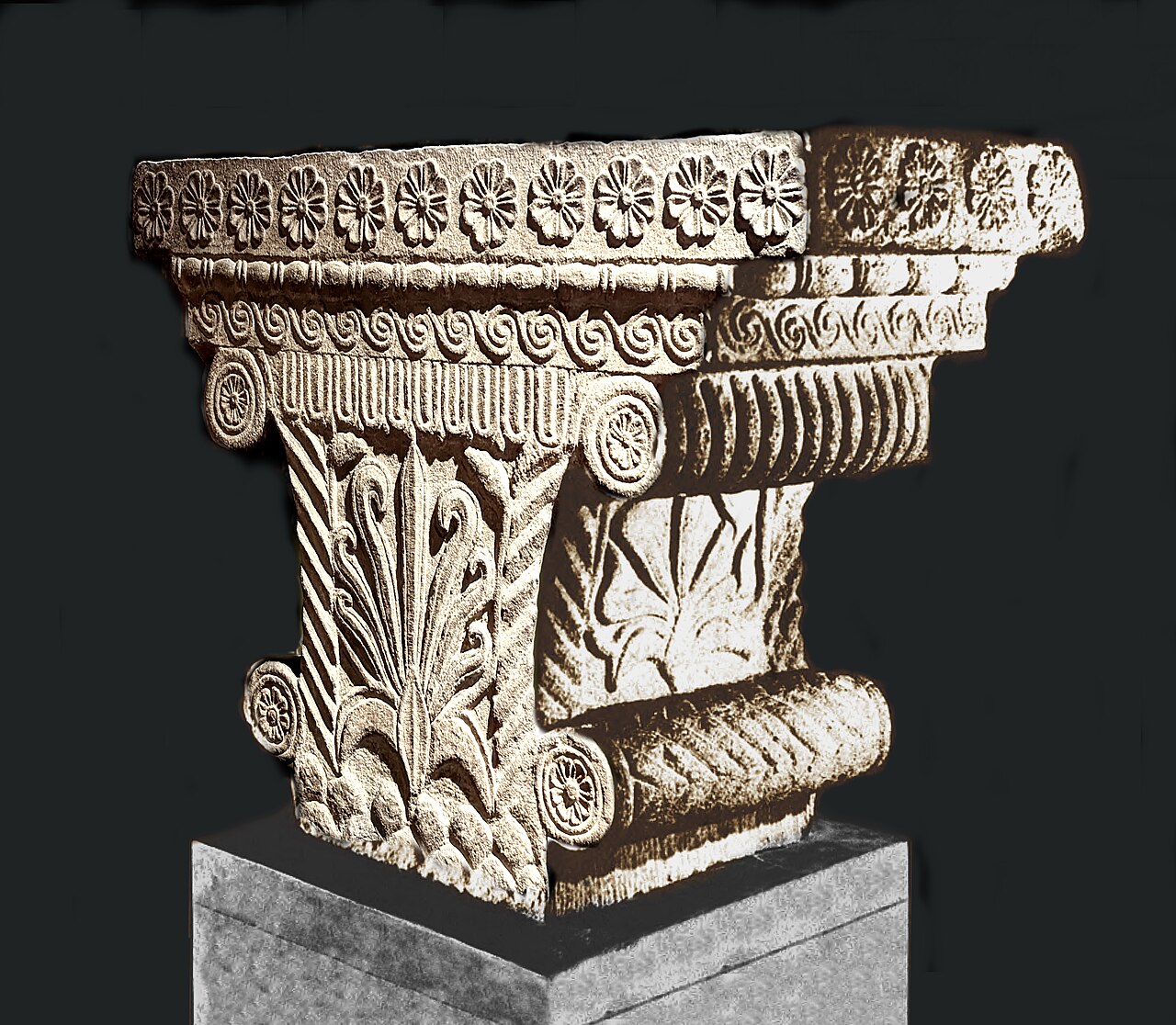
Pataliputra capital
3rd century BCE
A monumental stone capital found in the ruins of Pataliputra, the Maurya capital, showing Greek and Persian artistic influence on the early Maurya court.
Found in the ruins of Chandragupta's capital Pataliputra, it reflects the foreign contacts of his court.
About this source
What it is
This is a large stone capital carved from unpolished sandstone, discovered in the palace ruins of Pataliputra (modern Patna), the capital of the Maurya Empire. It is dated to the 3rd century BCE and is now held in the Patna Museum.
Why it matters
The capital is decorated with rosettes, bead-and-reel bands, wave patterns and a flame palmette design that are closely linked to Classical Greek and Achaemenid Persian art. It is thought to date from the reign of Chandragupta Maurya or his son and grandson, a period when Greek ambassadors were received at the Mauryan court. The capital is strong evidence that the early Maurya rulers were in contact with Hellenistic and Persian cultures, and that foreign craftsmen or styles reached the heart of their empire.
Look closer
- What details in the carving look Greek or Persian rather than purely Indian?
- Why might a ruler want their palace decorated in a foreign style?
- What does this object tell us that written records alone cannot?
This sculpture is part of the curated material that grounds the AI version of Chandragupta Maurya on Humy.ai — when students ask about related events, the AI can quote it and cite it.
More Chandragupta Maurya sources
Meet the AI Chandragupta Maurya →Secondary source
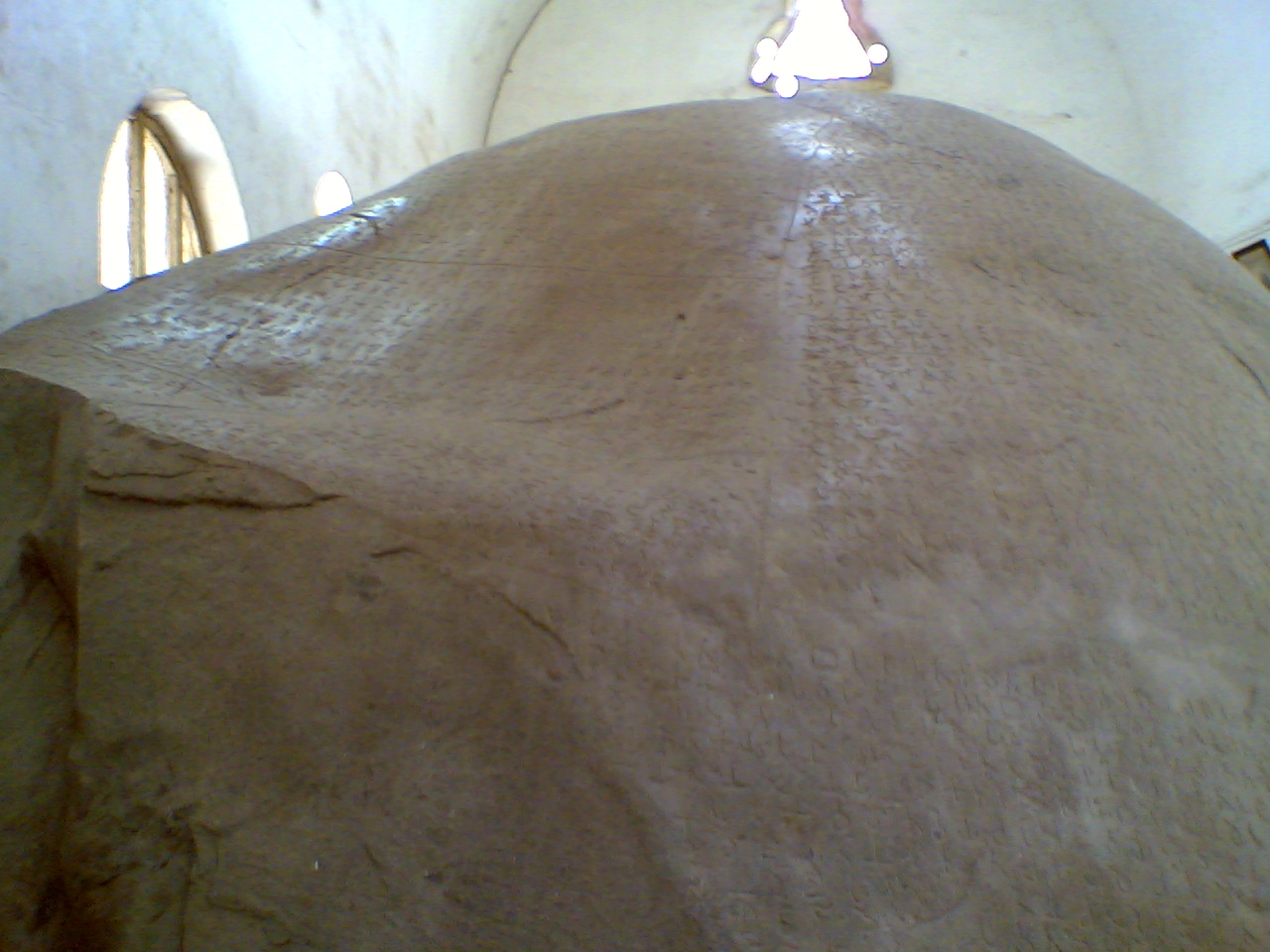
Arthashastra
Chanakya (traditional attribution) · c. 1st–3rd century CE (traditionally attributed to Chanakya, c. 300 BCE)
 Document
Secondary source
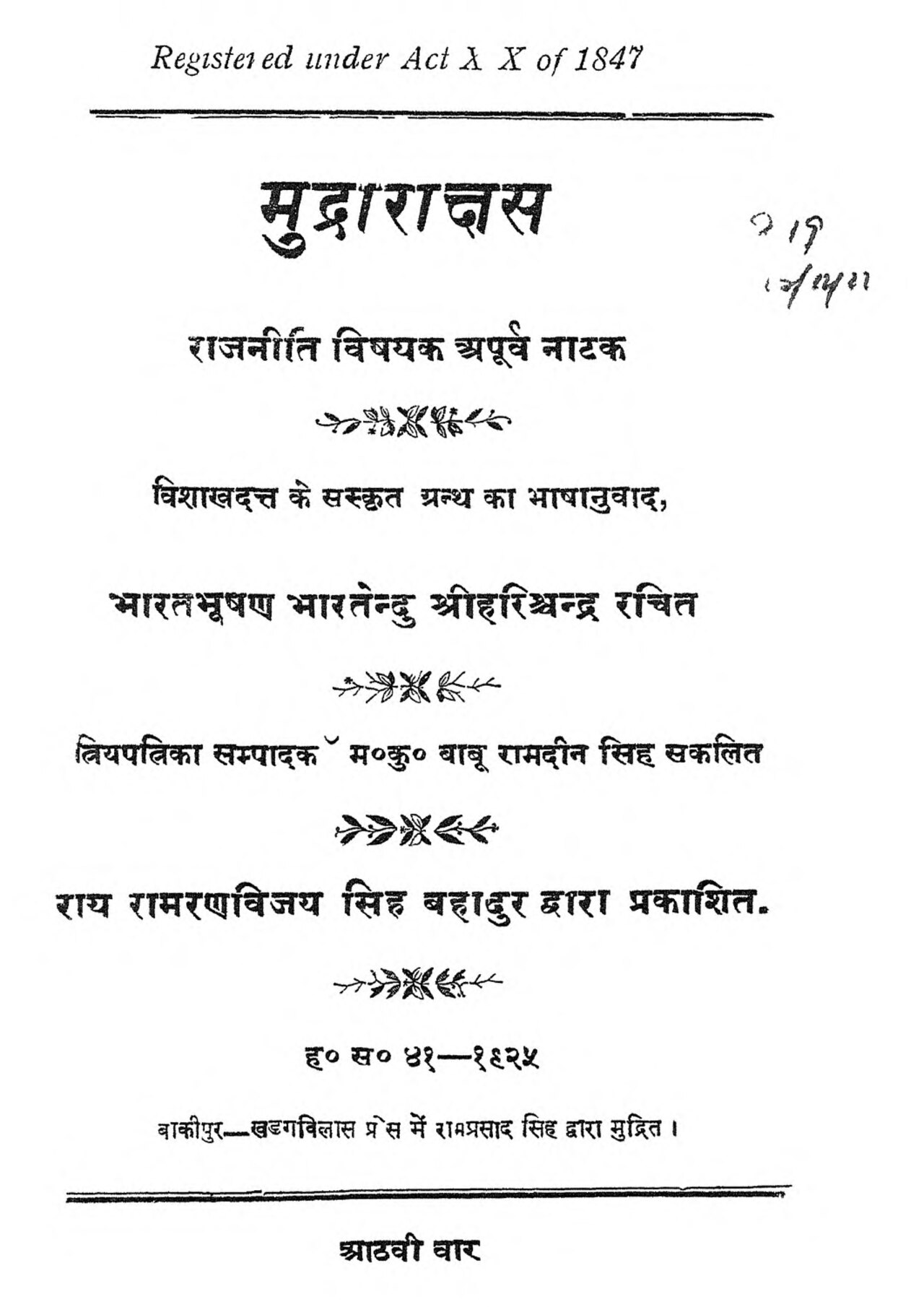
Junagadh Rock Inscription of Rudradaman
Rudradaman I (commissioner) · shortly after 150 CE
 Book
Secondary source
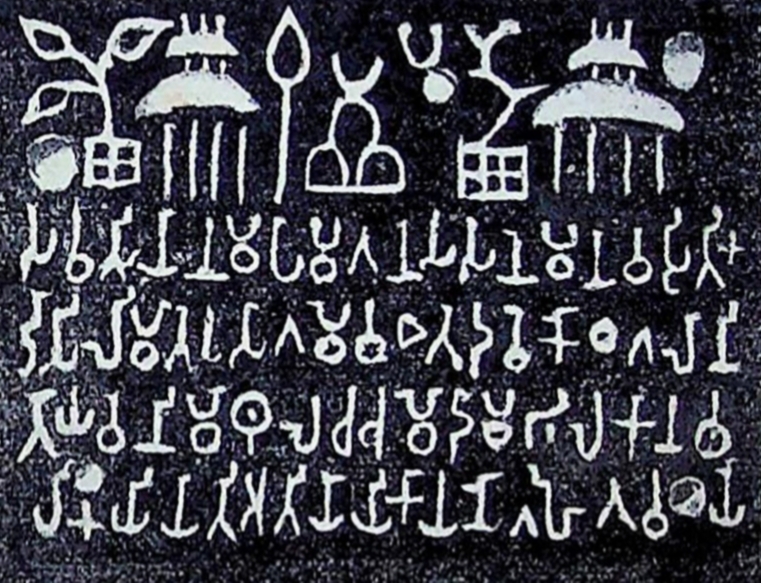
Mudrarakshasa
Vishakhadatta · between the 4th and 8th century CE
 Document
Primary source
Sohgaura Copper Plate Inscription
3rd century BCE
 Document
Secondary source
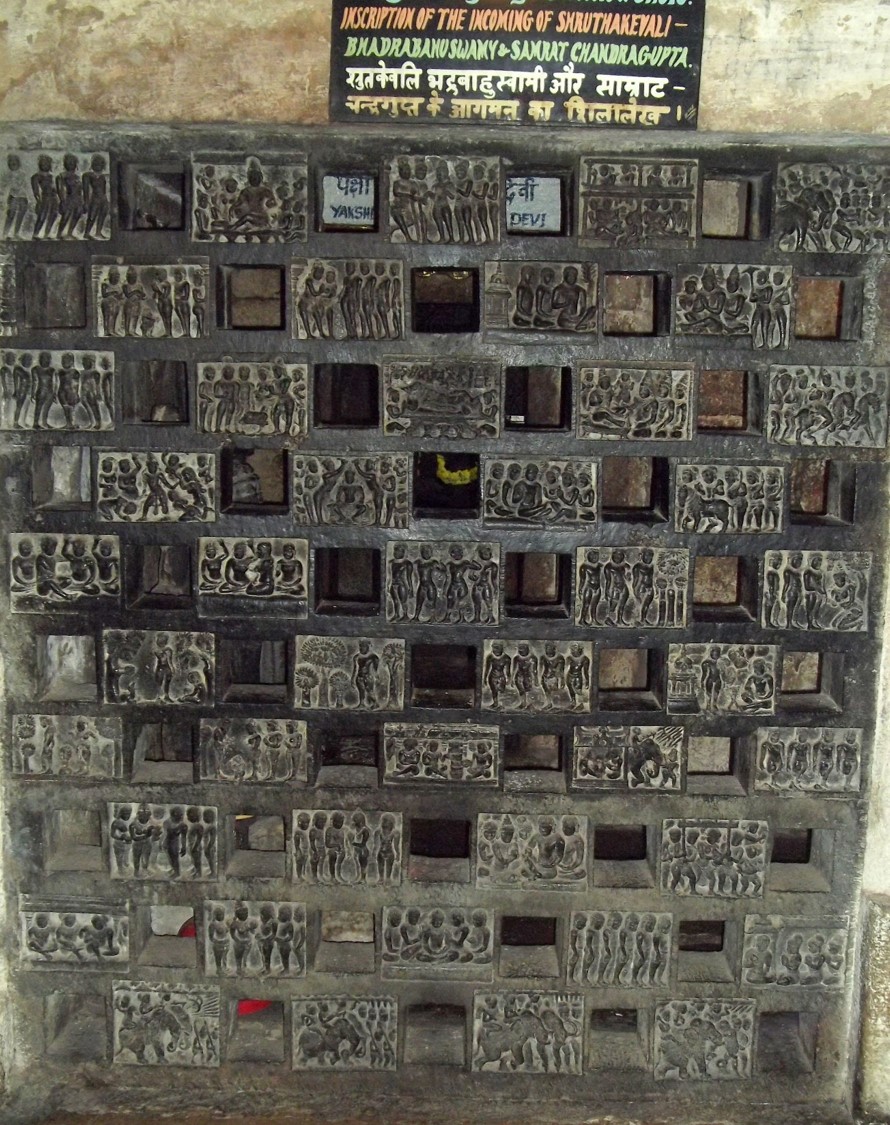
Shravanabelagola Inscription of Bhadrabahu and Chandragupta
Ready when you are
Start chatting with Chandragupta Maurya now.
20 messages free · No credit card · Available in 50+ languages.