


Primary sourceArtifactbetween 1279 and 1213 BC
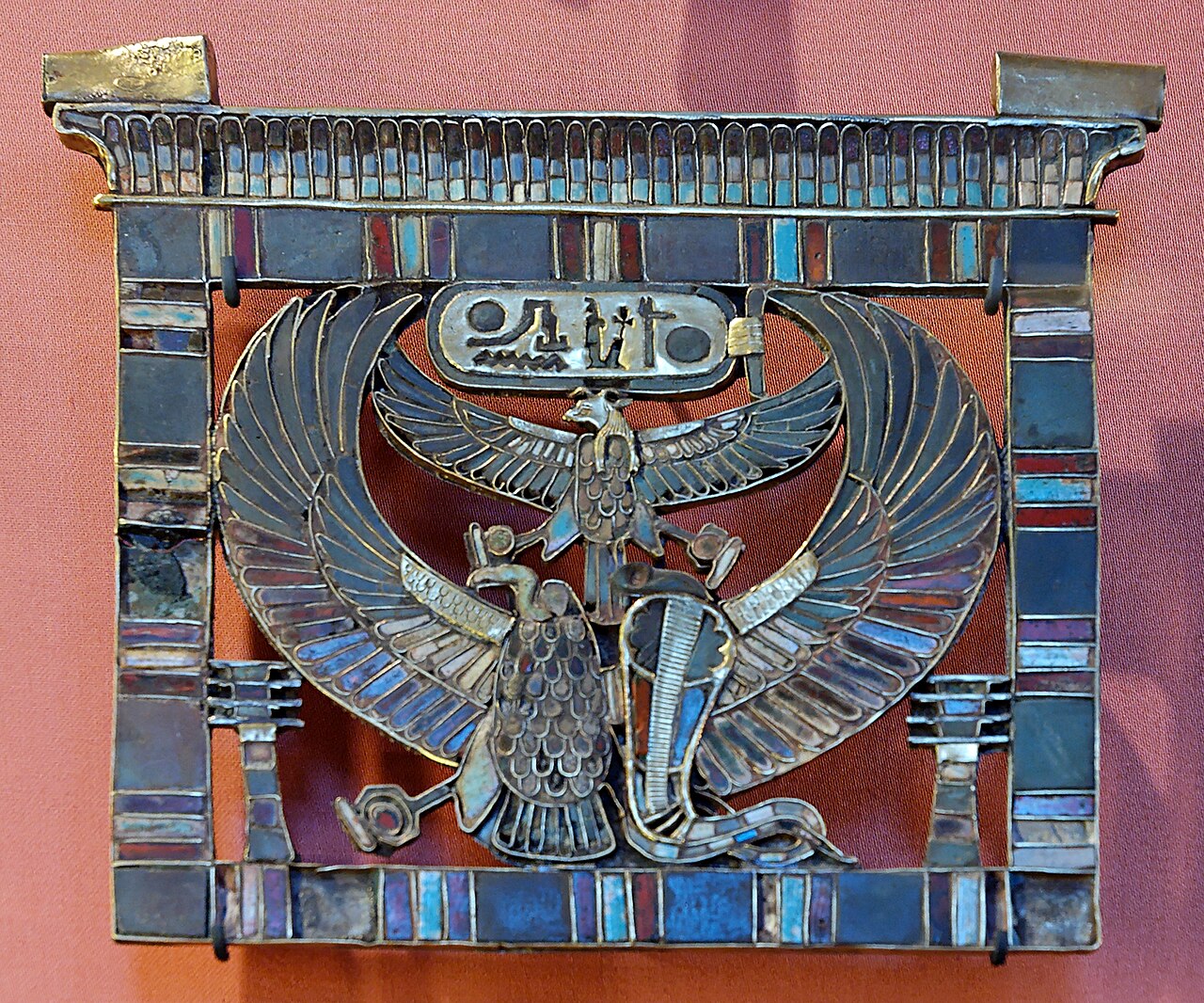
Pectoral Bearing the Name of Ramesses II
Unknown artist · between 1279 and 1213 BC
An ancient gold pectoral inscribed with the cartouche of Ramesses II, made during the New Kingdom and now in the Louvre.
Bears the royal cartouche of Ramesses II, a genuine object made during his reign to display his name and power.
About this source
What it is
This is an ancient Egyptian gold pectoral, inlaid with blue and red glass or stone, made sometime between 1279 and 1213 BC during the New Kingdom. It bears the cartouche of Ramesses II along with hieroglyphic symbols including the Shen ring and Djed pillar, and images of the goddesses Nekhbet and Wadjet. It is held in the Louvre.
Why it matters
This piece was made during Ramesses II's own lifetime and carries his royal name directly, making it a genuine artifact of his reign rather than a later copy or depiction. Objects like this show how Egyptian rulers combined religious symbols and royal names to display their authority and connection to the gods.
Look closer
- Why do you think the pharaoh's name was placed inside a cartouche?
- What do the symbols of the vulture and cobra suggest about the beliefs connected to kingship?
- What questions can't we answer just from looking at this object, such as who wore it or why it was made?
This artifact is part of the curated material that grounds the AI version of Ramses II (Ramses the Great) on Humy.ai — when students ask about related events, the AI can quote it and cite it.
More Ramses II (Ramses the Great) sources
Meet the AI Ramses II (Ramses the Great) →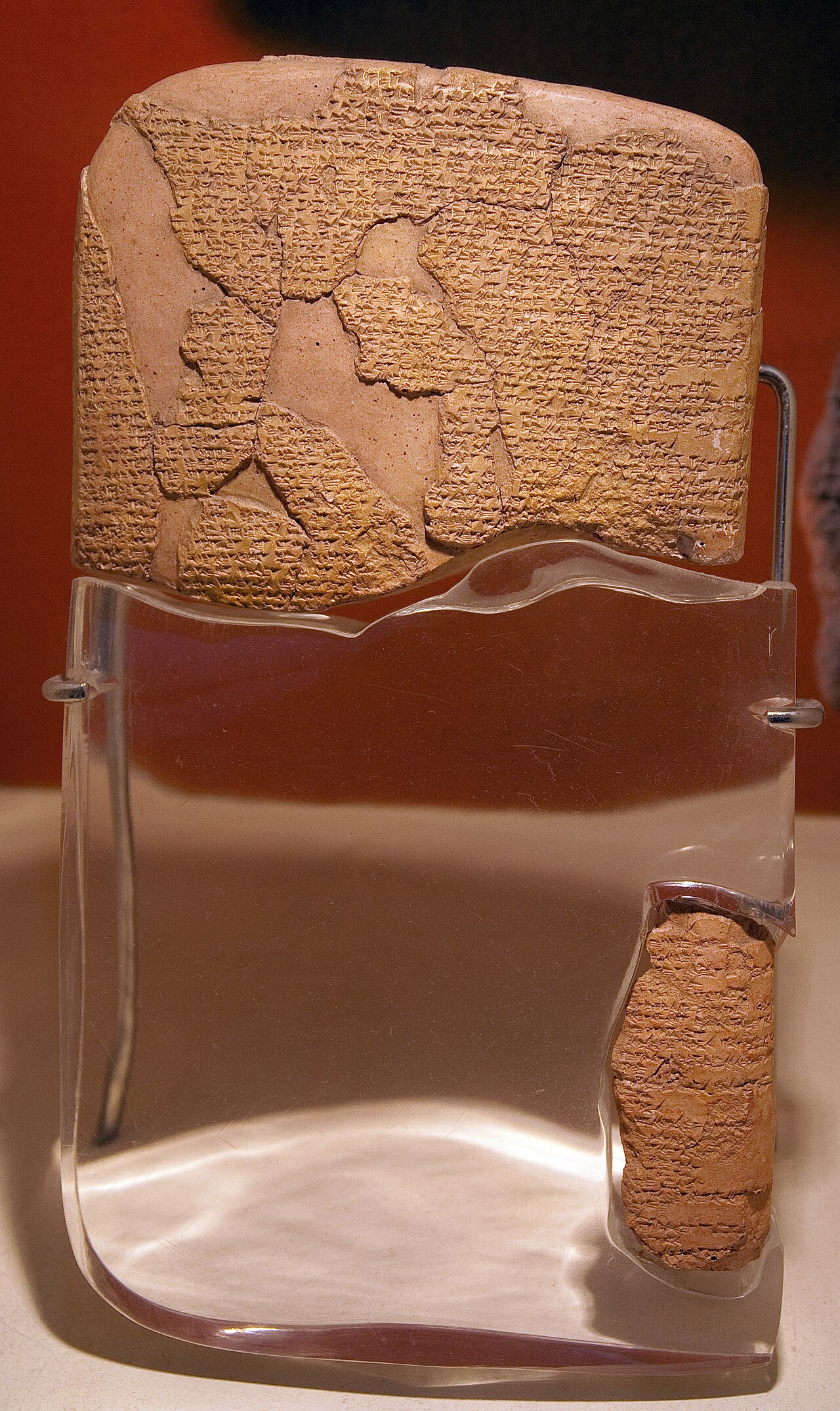 Document
Primary source
Egyptian–Hittite Peace Treaty
c. 1258 BCE
 Photograph
Secondary source
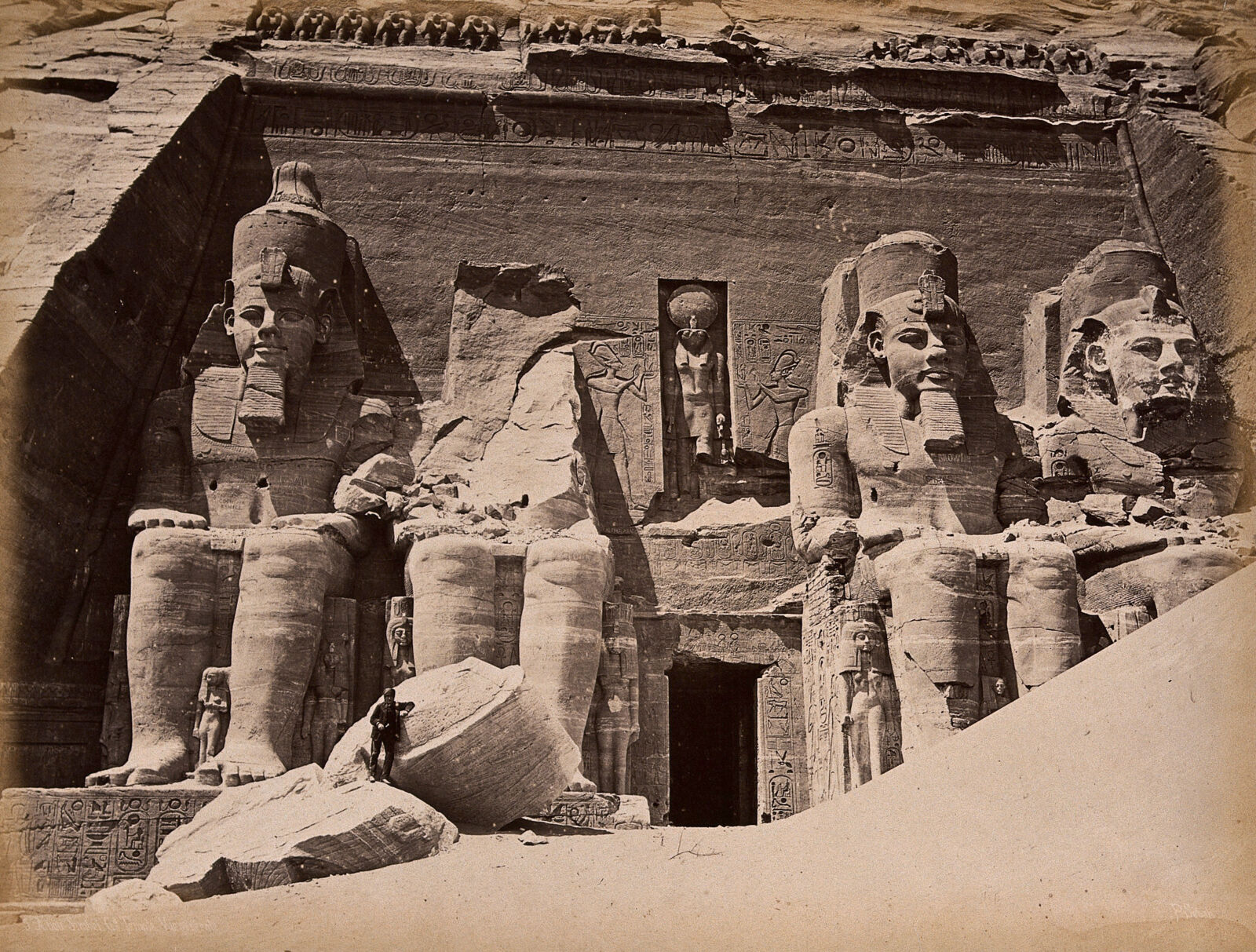
Abu Simbel Temple Colossi
Pascal Sébah · 1875
 Artifact
Primary source
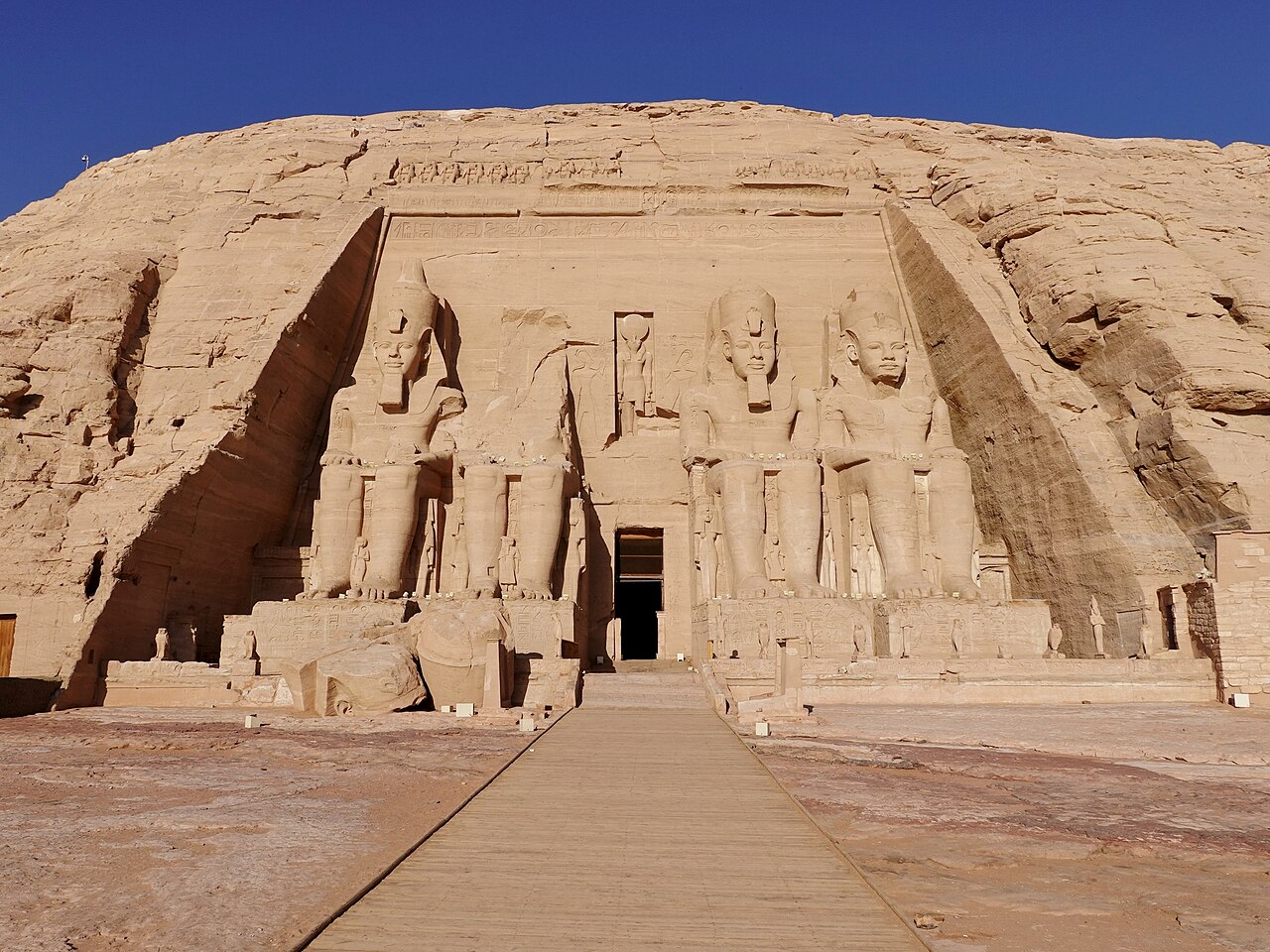
Abu Simbel
Ramesses II · c. 1273 BCE
 Photograph
Secondary source
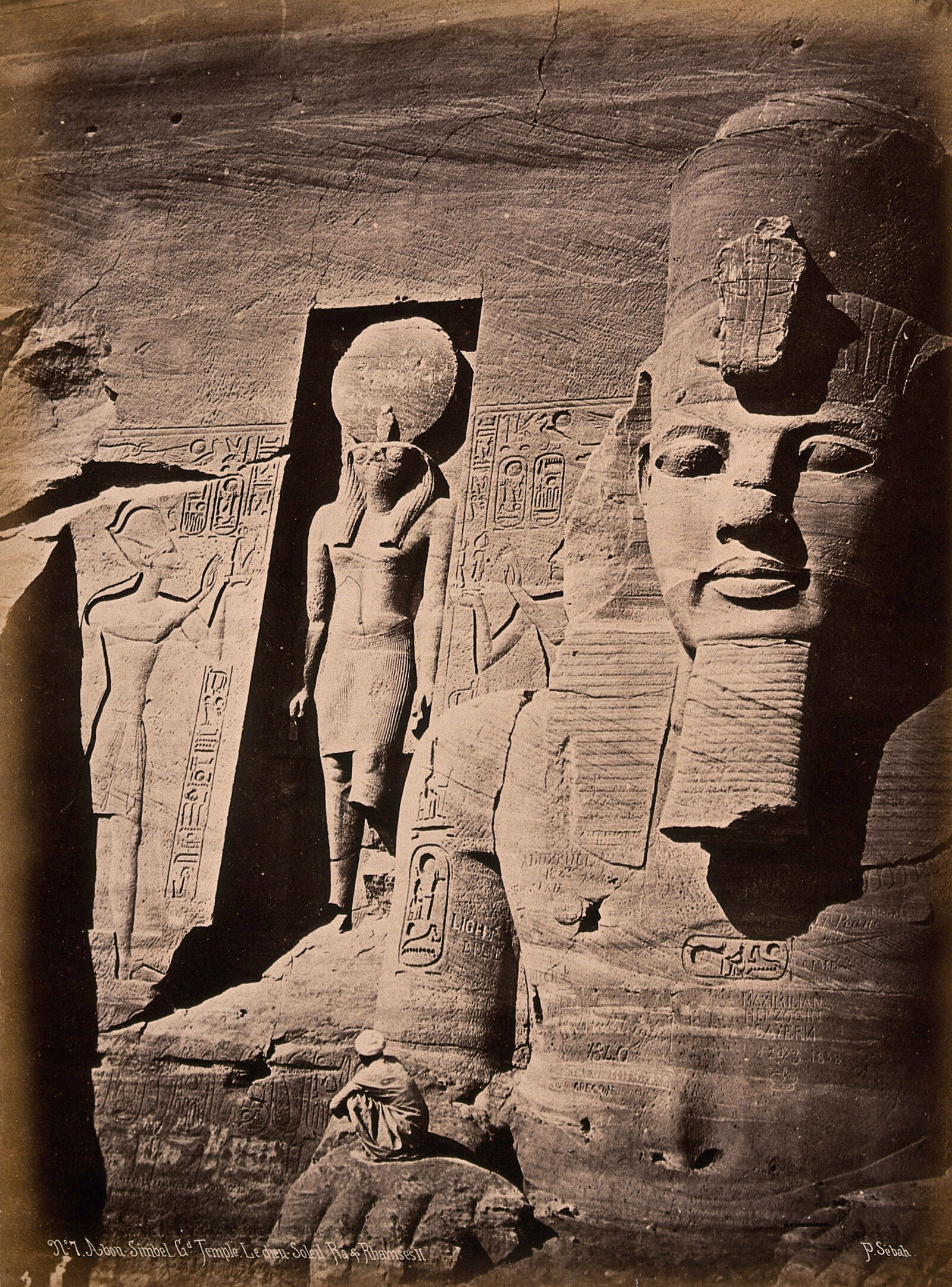
Facade Detail of Abu Simbel Showing Ramesses II and Ra
Pascal Sébah · 1875
 Photograph
Secondary source
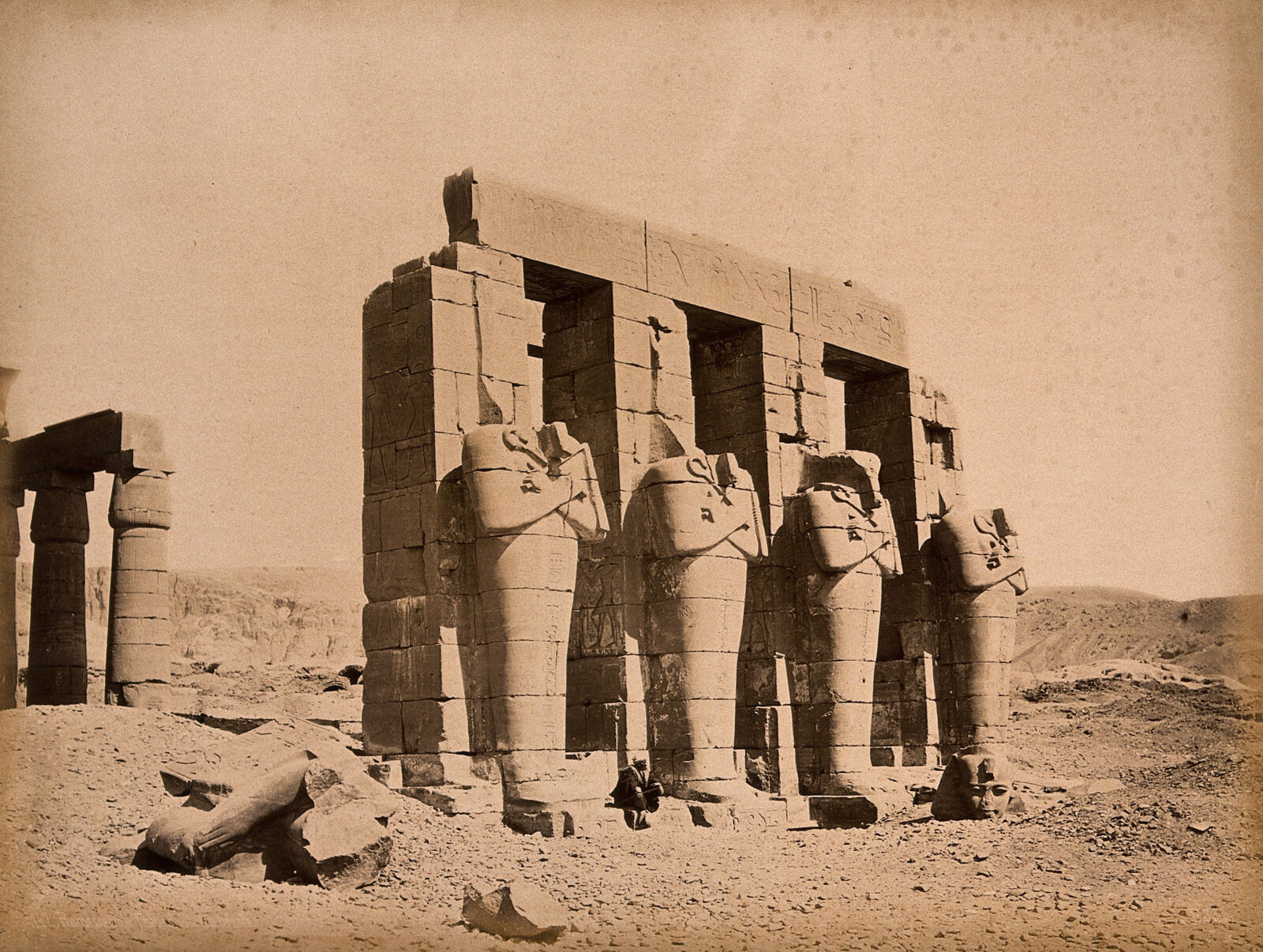
Ramesseum Colossi in Ruins
Pascal Sébah · c. 1875
Ready when you are
Start chatting with Ramses II (Ramses the Great) now.
20 messages free · No credit card · Available in 50+ languages.