


Primary sourceArtifactc. 515 BCE
Persepolis
c. 515 BCE
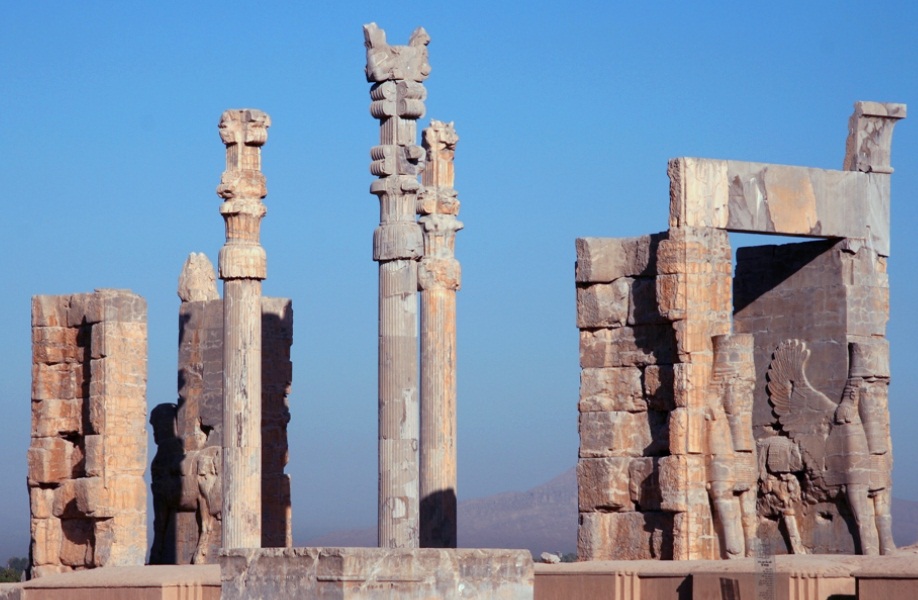
The ceremonial capital of the Achaemenid Empire, founded by Darius I, whose terraces, palaces and reliefs displayed his power over many nations.
Darius I founded Persepolis and ordered construction of its main terrace and palaces.
About this source
What it is
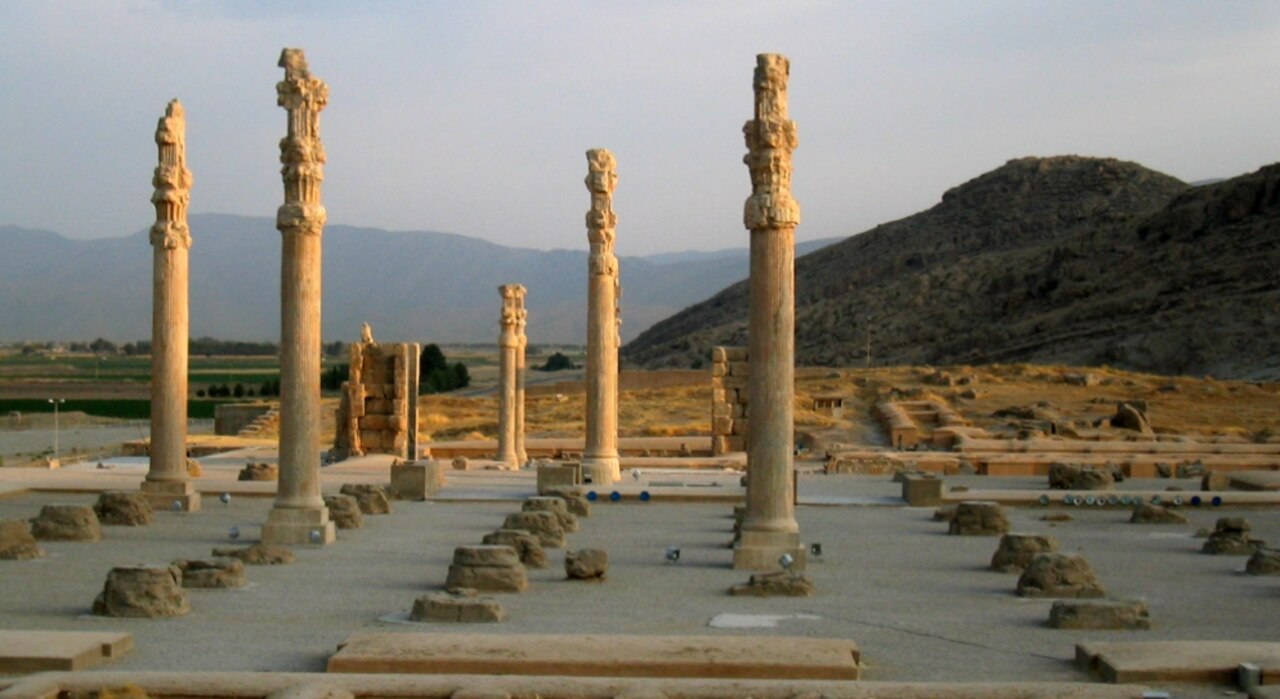
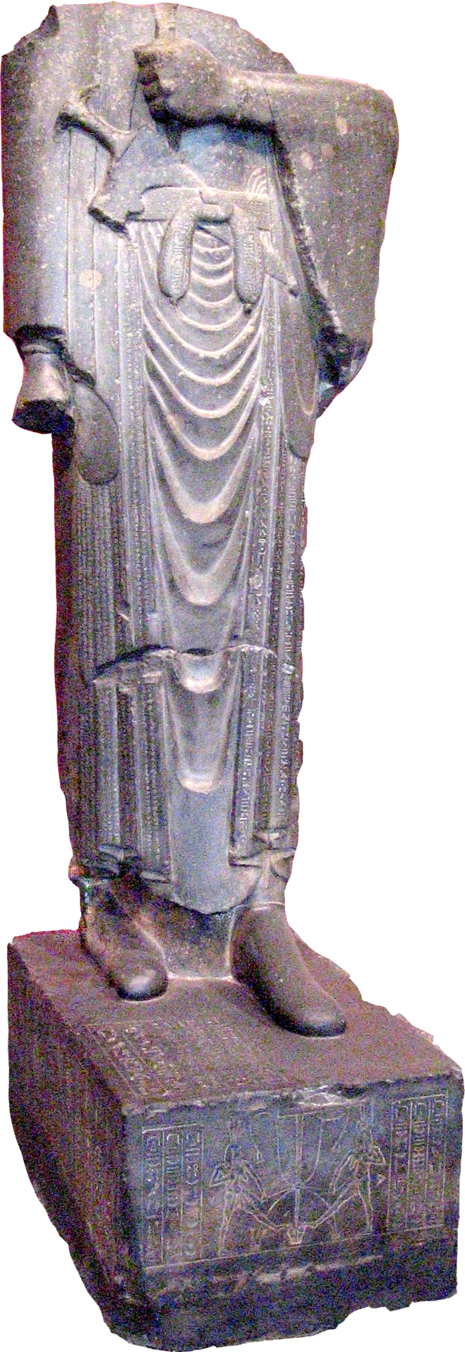
Persepolis was the ceremonial capital of the Achaemenid Empire, located in what is now Fars province, Iran. Its earliest remains date to around 515 BCE. Darius I ordered the construction of its terrace, the Apadana and the Council Hall, work completed under his son Xerxes I. It is now a UNESCO World Heritage Site.
Why it matters
Persepolis was not a large city but a grand seasonal complex, likely used for ceremonies such as Nowruz, where nobles and subject peoples from across the empire brought gifts to the king, shown in the stairway reliefs. It reveals how Darius and his successors staged royal power and ruled a multi-ethnic empire. The site was burned after being taken by Alexander the Great's army in 330 BCE.
Look closer
- What does the scale and decoration of the site tell you about the purpose it served?
- Why might the exact function of Persepolis still be debated by historians?
- What does the destruction of the site tell us about how empires can end?
This artifact is part of the curated material that grounds the AI version of Darius the Great on Humy.ai — when students ask about related events, the AI can quote it and cite it.
More Darius the Great sources
Meet the AI Darius the Great →

Ready when you are
Start chatting with Darius the Great now.
20 messages free · No credit card · Available in 50+ languages.