


Primary sourceDocumentc. 509-457 BCE
Persepolis Administrative Archives
c. 509-457 BCE
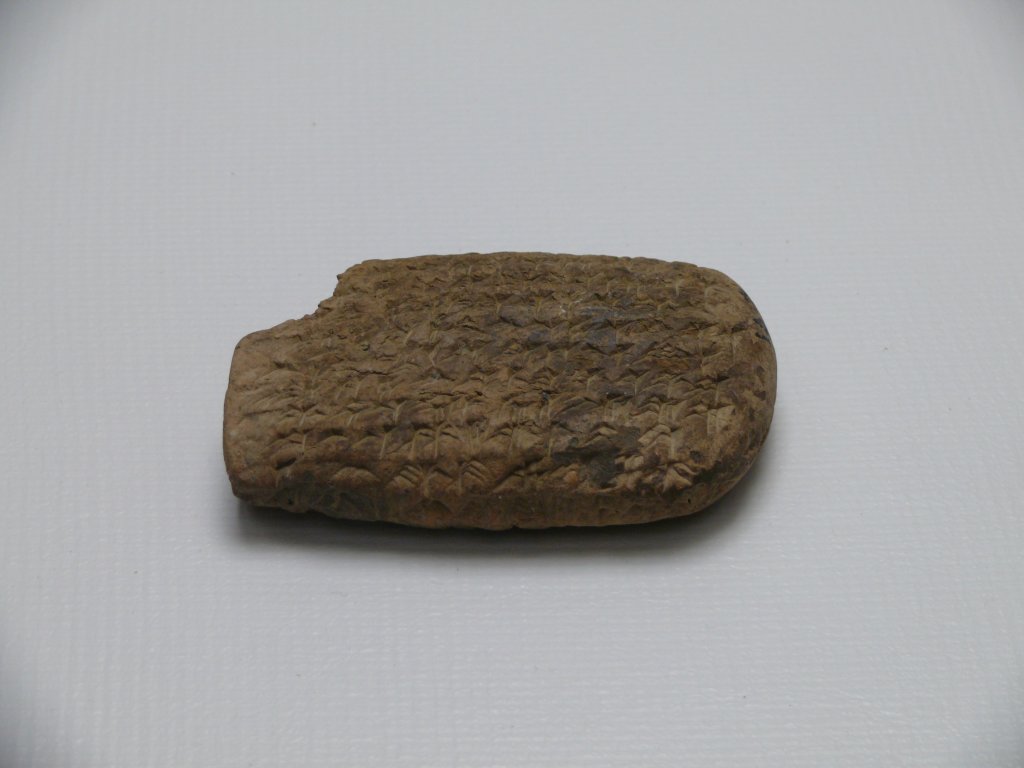
Thousands of clay tablets recording the everyday bureaucracy of Darius's empire, including rations, travel and workers.
These administrative tablets from Darius's reign reveal the day-to-day bureaucracy that ran his empire behind the royal image.
About this source
What it is
Two large groups of clay administrative tablets found at Persepolis, Iran, written mainly in Elamite and Aramaic. They were discovered during excavations by archaeologists from the Oriental Institute of the University of Chicago in the 1930s and date from the reign of Darius the Great onward.
Why it matters
Rather than telling a dramatic story, these tablets record ordinary administrative transactions: rations of food and drink, travel passes, and payments to workers, officials and priests. They are considered the single most important surviving primary source for understanding how the Achaemenid Empire was actually run day to day, revealing the scale and complexity of the bureaucracy that supported Darius's rule.
Look closer
- Why might records about food and travel be as valuable to historians as grand inscriptions and monuments?
- What does the sheer number of these tablets suggest about how the empire managed its resources?
- What kinds of people and activities appear in these records that are missing from Darius's own royal inscriptions?
This document is part of the curated material that grounds the AI version of Darius the Great on Humy.ai — when students ask about related events, the AI can quote it and cite it.
More Darius the Great sources
Meet the AI Darius the Great →

Ready when you are
Start chatting with Darius the Great now.
20 messages free · No credit card · Available in 50+ languages.