


Primary sourceArtifact1066
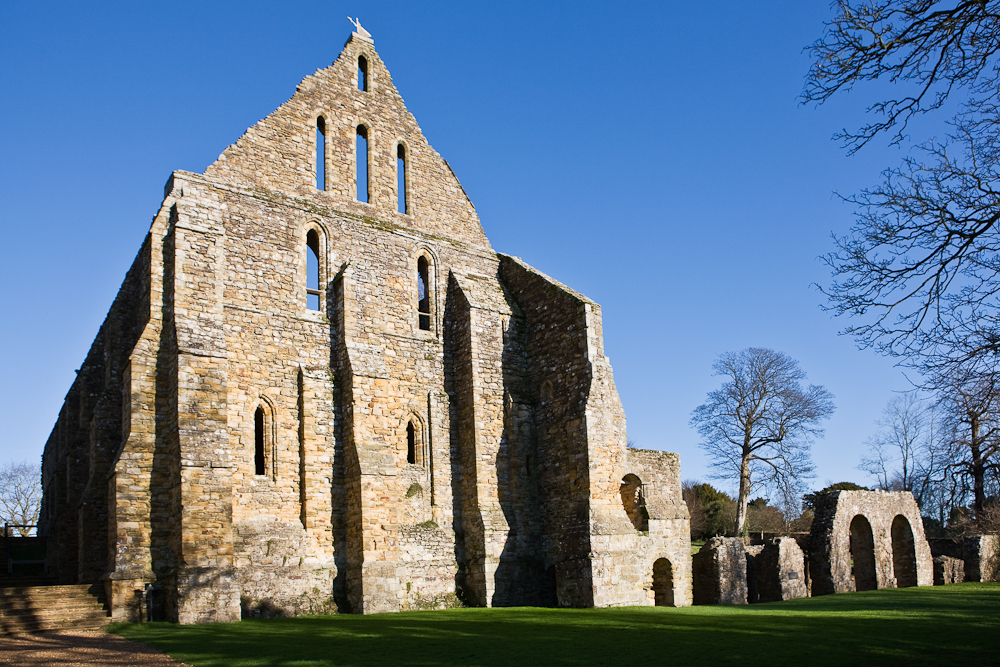
Pevensey Castle
1066
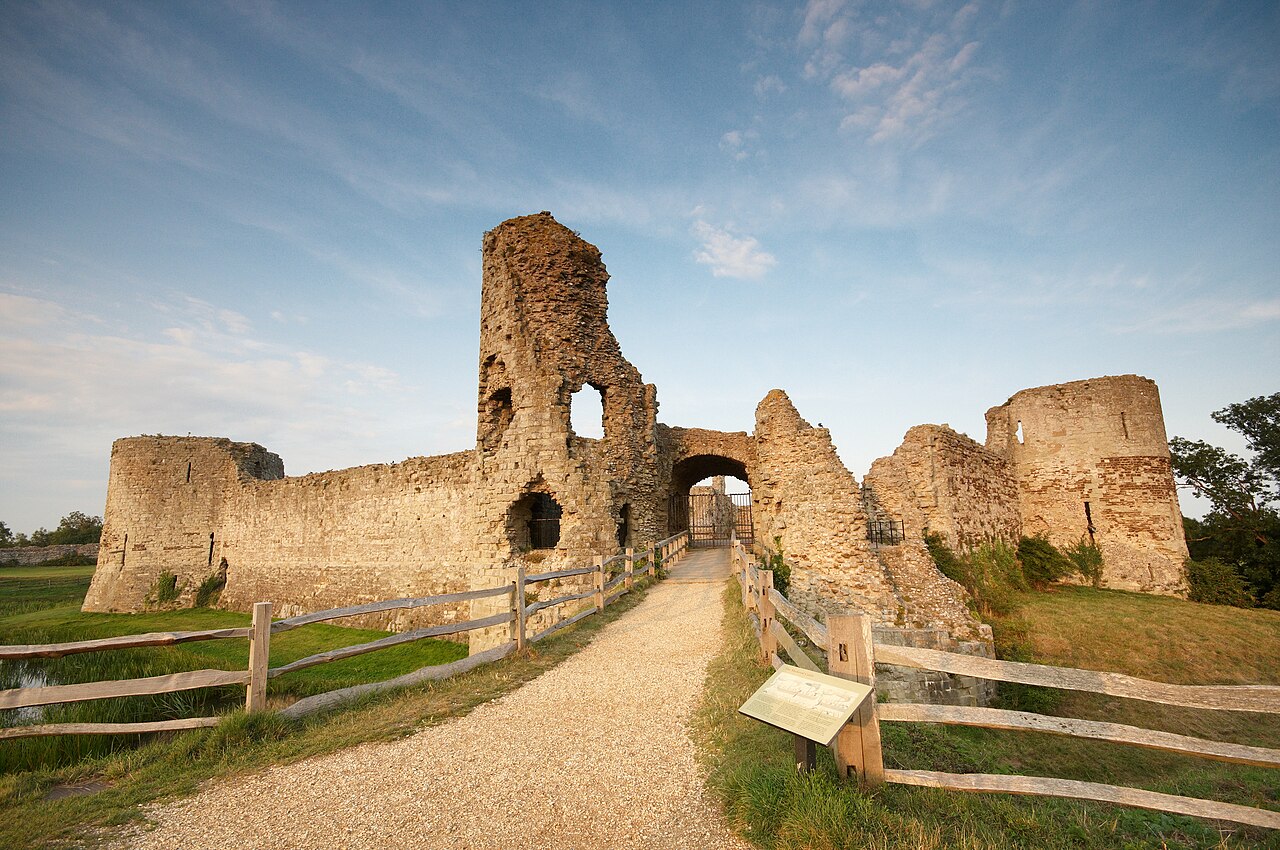
A former Roman fort where William landed in 1066 and raised his first fortification in England.
William ordered this fortification built immediately after landing in England in 1066.
About this source
What it is
Pevensey Castle began as a Roman fort, built centuries earlier on the English coast. In 1066, William the Conqueror landed here with his invasion fleet and had his men quickly throw up an early fortification inside the old Roman walls. A stone keep was added later. It is now a ruin cared for by English Heritage in East Sussex.
Why it matters
Pevensey marks the very start of the Norman Conquest. William's choice to fortify the site immediately shows how central castle-building was to his strategy for controlling a new land. It also shows the Normans reusing older Roman defences for their own purposes.
Look closer
- Why might William have wanted a fortification built so quickly after landing?
- What does reusing Roman walls tell you about Norman priorities?
- What can ruins like this tell us, and what do they leave out about daily life there?
This artifact is part of the curated material that grounds the AI version of William the Conqueror, William II of England and John of Gaunt on Humy.ai — when students ask about related events, the AI can quote it and cite it.
More William the Conqueror sources
Browse all 89 →
Ready when you are
Start chatting with William the Conqueror now.
20 messages free · No credit card · Available in 50+ languages.