


Secondary sourceSculpture1782
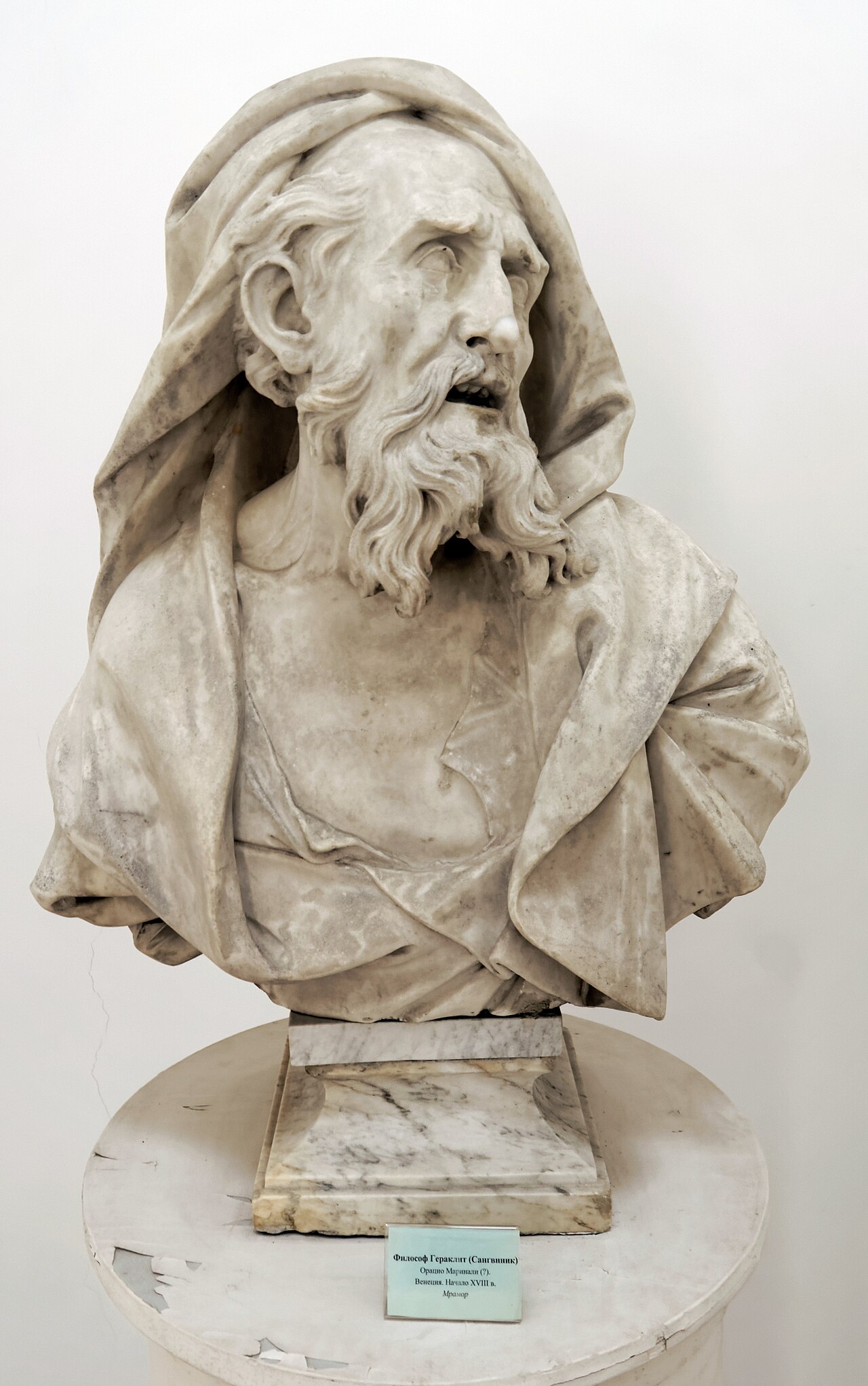
Philosopher Heraclitus statue, Temple of Friendship, Pavlovsk
Charles Cameron · 1782
A marble bust of Heraclitus on Charles Cameron's 1782 Temple of Friendship in Pavlovsk Park, near St Petersburg, shown in a 2014 photograph.
This statue commemorates Heraclitus on a late eighteenth-century Russian temple, showing how he was honoured centuries after his death.
About this source
What it is
This entry is a photograph of a white marble bust of an elderly bearded man, with a hood or cloth draped over his head and shoulders. He gazes upward to the side and stands on a stepped marble pedestal. A small Russian-language label is attached at the base. The photograph was taken in 2014 by a user named Txllxt TxllxT. The statue stands in the Pavlovsk park, on the Temple of Friendship, which was built in 1782 by Charles Cameron.
Why it matters
Pavlovsk was a country estate near St Petersburg, and its park was filled with buildings and statues meant to suggest learning and virtue. Placing a philosopher on a temple dedicated to friendship shows how eighteenth-century Russian patrons used ancient thinkers to express their values. The statue tells us about the taste of its patrons and designers as much as about Heraclitus himself.
Look closer
- What does the hooded head and upward gaze suggest about the philosopher the sculptor wanted to show?
- Why might the owners of a park want to place a philosopher statue on a temple of friendship?
- What does the small label at the base tell you that the photograph cannot show clearly?
This sculpture is part of the curated material that grounds the AI version of Heraclitus on Humy.ai — when students ask about related events, the AI can quote it and cite it.
More Heraclitus sources
Browse all 88 →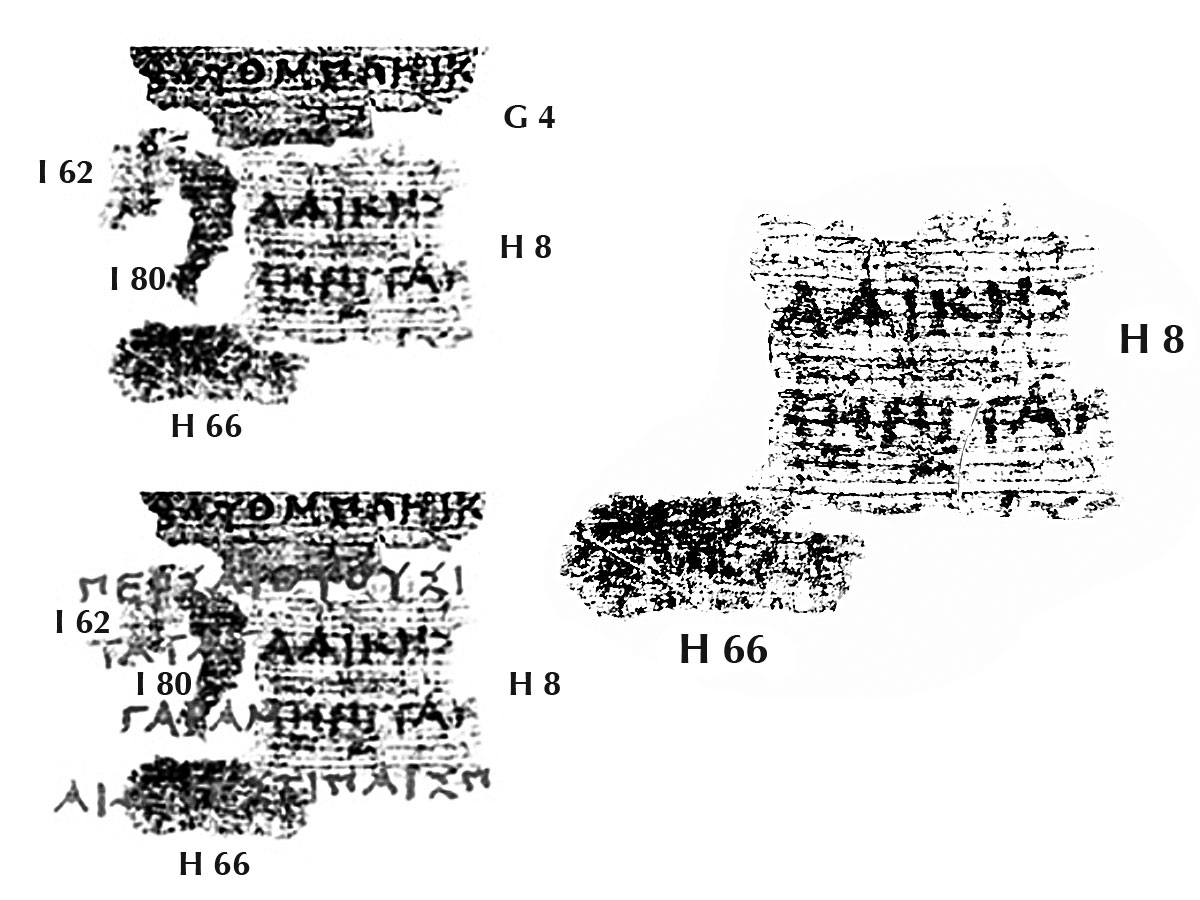 Document
Primary source
Derveni Papyrus, Column IV
Unknown author · 4th century BC
 Book
Secondary source
Lives and Opinions of Eminent Philosophers, Book V (Life of Aristotle)
Diogenes Laërtius · c. 3rd century CE
Primary source
Cratylus
Plato
 Book
Secondary source
Metaphysics
Aristotle · c. 400 BCE
Free account
Read every Heraclitus source
Sign up free →
Ready when you are
Start chatting with Heraclitus now.
20 messages free · No credit card · Available in 50+ languages.