


Primary sourcePhotograph1920s
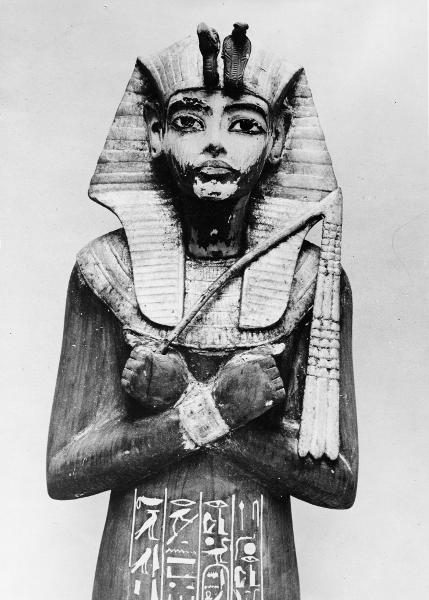
Photograph of Tutankhamun's Shawabti Figure
Harry Burton · 1920s
An excavation photograph by Harry Burton showing a painted wooden shawabti figure of Tutankhamun found in his tomb.
The shawabti figure photographed here was made for Tutankhamun's burial, showing his royal insignia and funerary equipment.
About this source
What it is
This black-and-white photograph was taken by Harry Burton during Howard Carter's excavation of Tutankhamun's tomb in the 1920s. It shows a wooden shawabti (servant) figure of the king, wearing a royal headdress with a protective cobra and carrying ceremonial insignia. The photograph is held by the Museum of Mediterranean and Near Eastern Antiquities, Sweden.
Why it matters
Shawabti figures were placed in tombs to magically serve the dead king in the afterlife. This image, made by Burton as part of the official excavation record, documents one such object exactly as it was found, giving historians evidence about burial customs and the craftsmanship devoted to Tutankhamun's funeral equipment.
Look closer
- What symbols can you spot on the figure, and what might they have meant to the ancient Egyptians?
- Why would an excavation team want a careful photographic record like this before moving objects?
- What does the condition of the face tell you about the passage of time?
This photograph is part of the curated material that grounds the AI version of Tutankhamun on Humy.ai — when students ask about related events, the AI can quote it and cite it.
More Tutankhamun sources
Meet the AI Tutankhamun →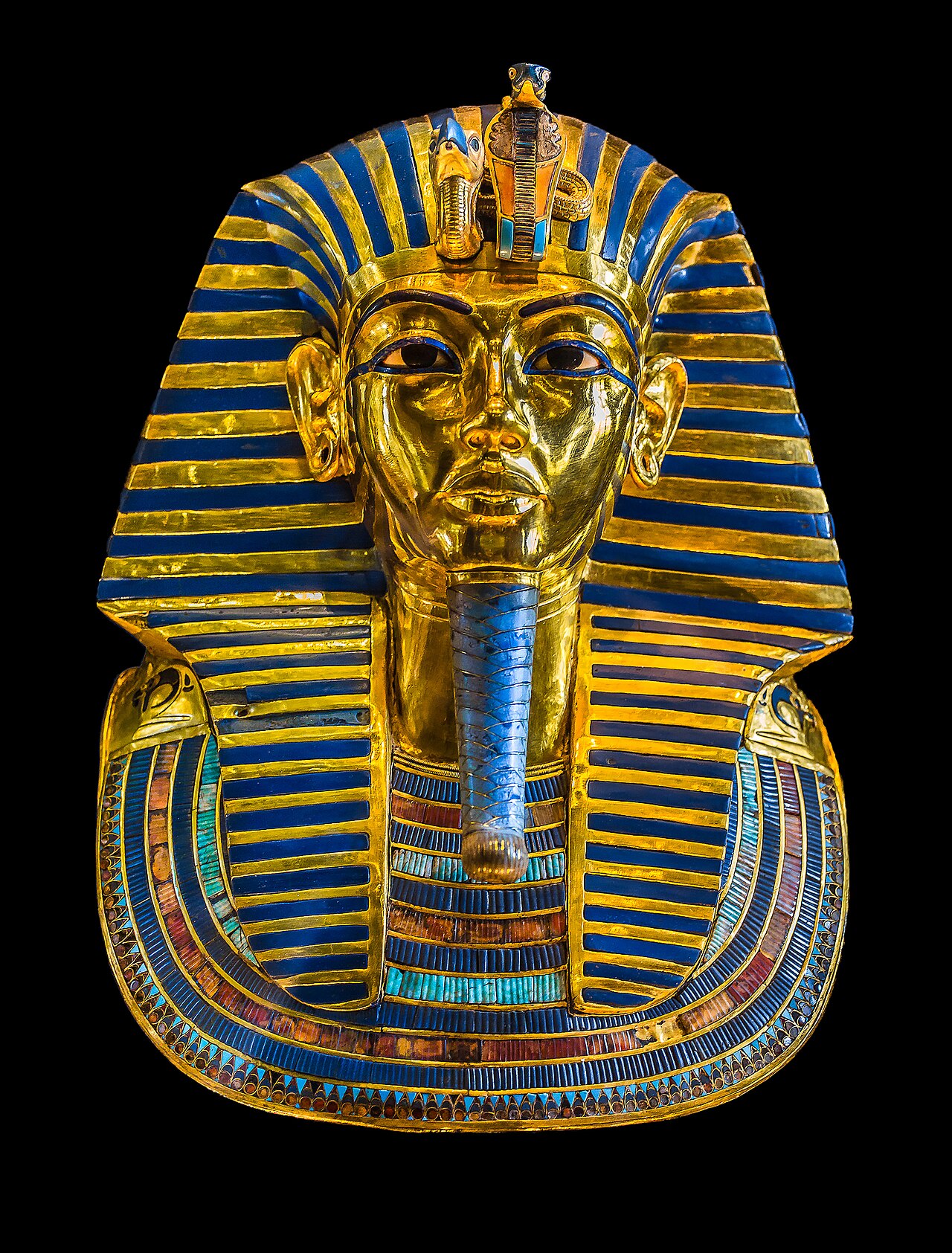 Artifact
Primary source
Mask of Tutankhamun
c. 1333 BCE
 Artifact
Primary source
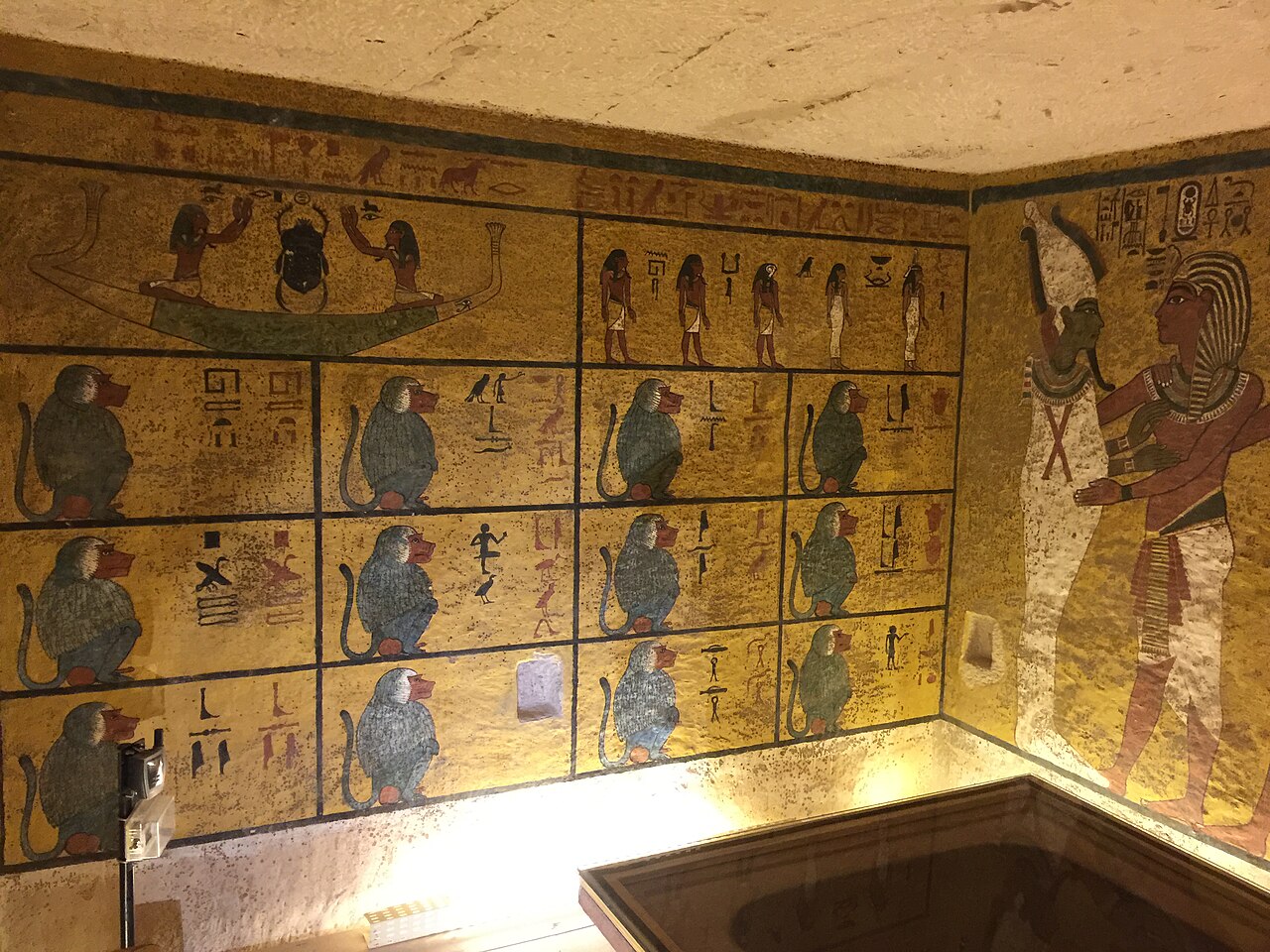
Tomb of Tutankhamun
14th century BCE
 Photograph
Primary source
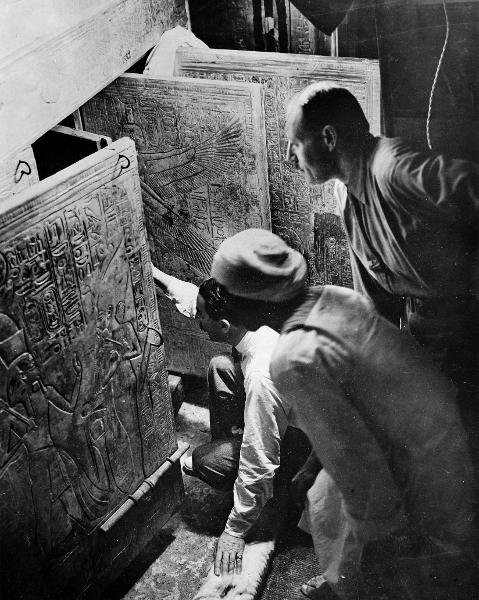
Opening the Doors of the Fourth Shrine in Tutankhamun's Tomb
Harry Burton · 1920s
 Document
Primary source
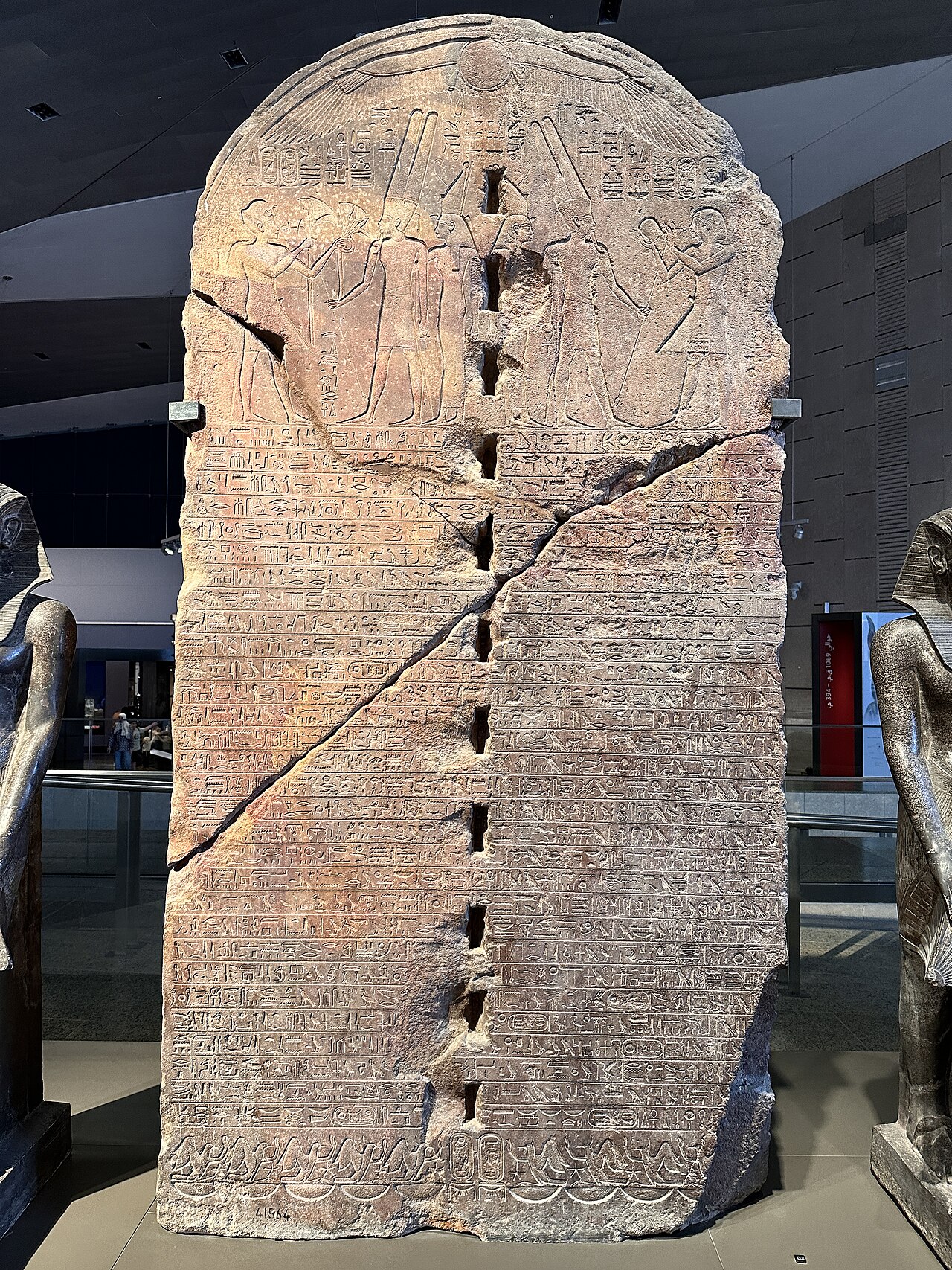
Restoration Stela
Tutankhamun · c. 1326 BCE
 Photograph
Primary source
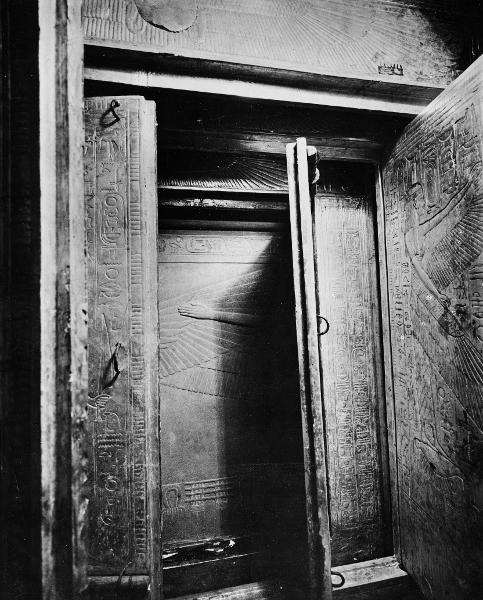
First Published View of Tutankhamun's Sarcophagus Between the Shrine Doors
Harry Burton · 1920s
Ready when you are
Start chatting with Tutankhamun now.
20 messages free · No credit card · Available in 50+ languages.