


Primary sourceDocumentc. 1326 BCE
Restoration Stela
Tutankhamun · c. 1326 BCE
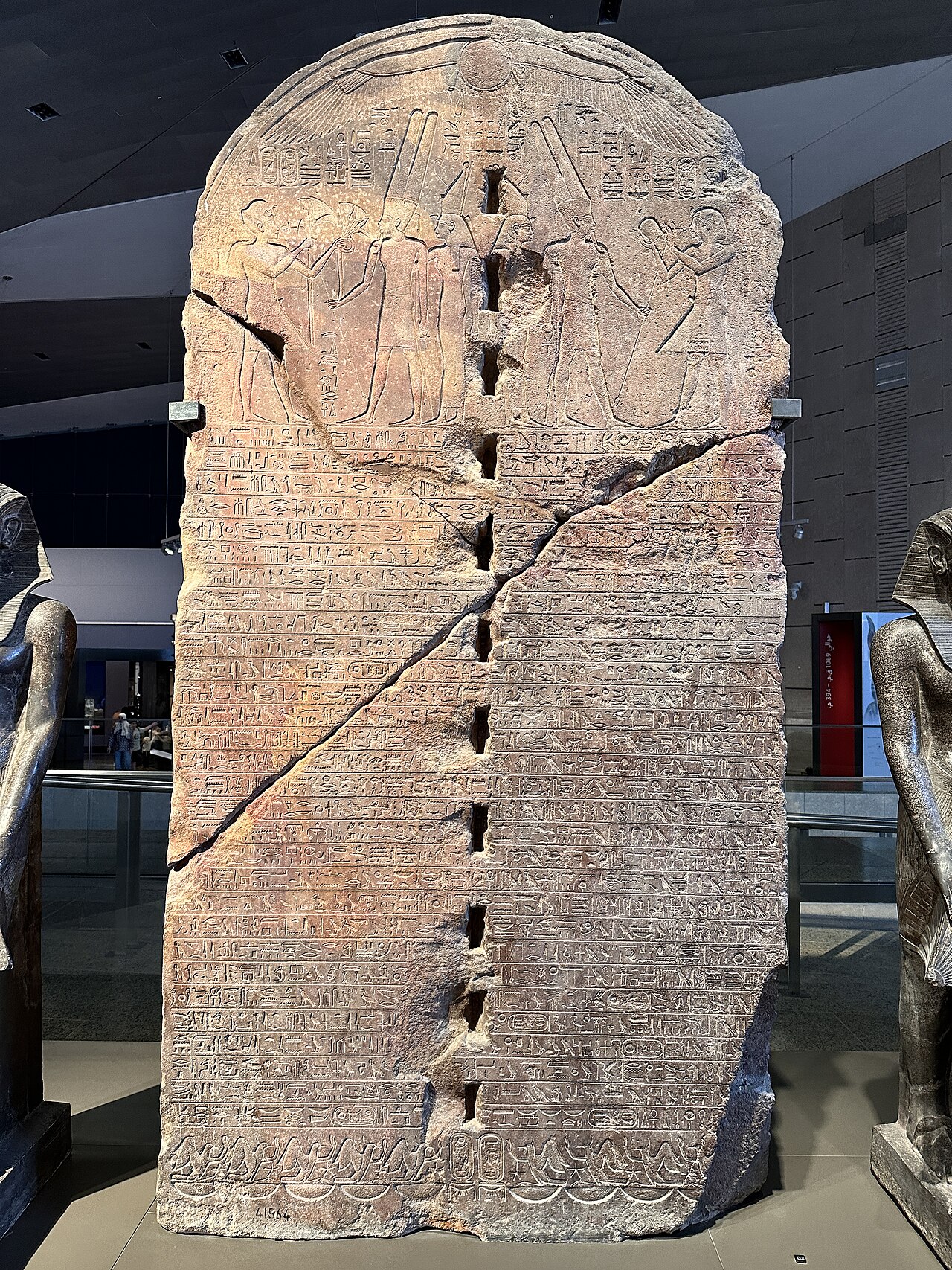
A stone decree from Tutankhamun's reign describing the restoration of Egypt's traditional gods after Akhenaten's religious reforms.
This decree was issued in Tutankhamun's name, recording his reversal of Akhenaten's religious policies.
About this source
What it is
The Restoration Stela is an inscribed stone monument from Tutankhamun's reign, found in fragments at the Temple of Amun at Karnak by Georges Legrain in 1905. It is now in the Egyptian Museum.
The text describes the neglect of temples and society under Akhenaten's Atenism and records Tutankhamun's actions to restore the old religion, rebuild temples, and increase support for priests, funded partly by foreign tribute. It originally showed Tutankhamun and queen Ankhesenamun making offerings to Amun-Ra, though her image was later erased when Horemheb usurped the monument.
Why it matters
It documents one of the major policy changes of Tutankhamun's reign, reversing his father's religious revolution, and shows how later kings like Horemheb reused and altered monuments to claim their own legitimacy.
Look closer
- Why would a king want to publicly announce reversing his predecessor's religion?
- What does the erasure of Ankhesenamun's image tell you about how monuments could be changed later?
- Whose voice is really speaking here, and what might it leave out?
This document is part of the curated material that grounds the AI version of Tutankhamun on Humy.ai — when students ask about related events, the AI can quote it and cite it.
More Tutankhamun sources
Meet the AI Tutankhamun →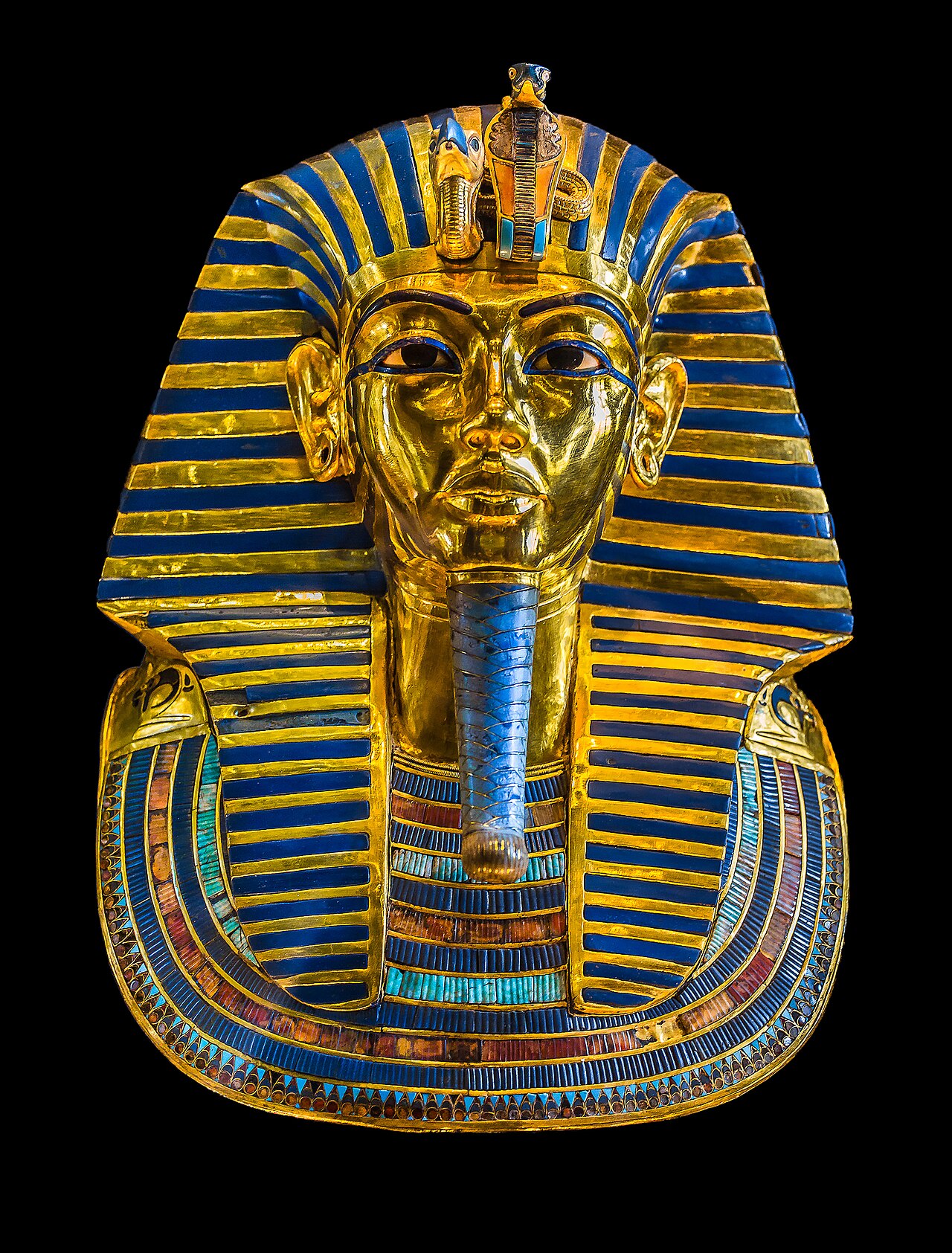 Artifact
Primary source
Mask of Tutankhamun
c. 1333 BCE
 Photograph
Primary source
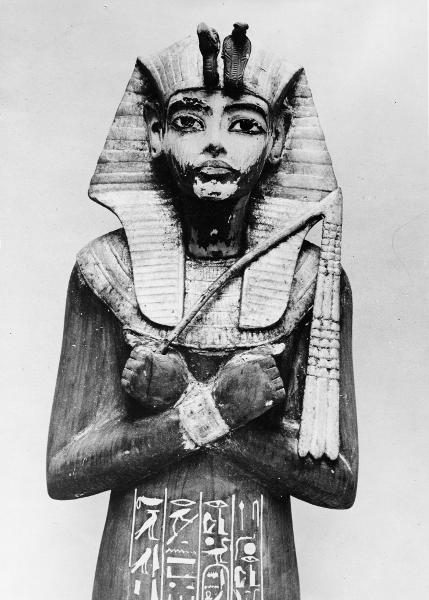
Photograph of Tutankhamun's Shawabti Figure
Harry Burton · 1920s
 Artifact
Primary source
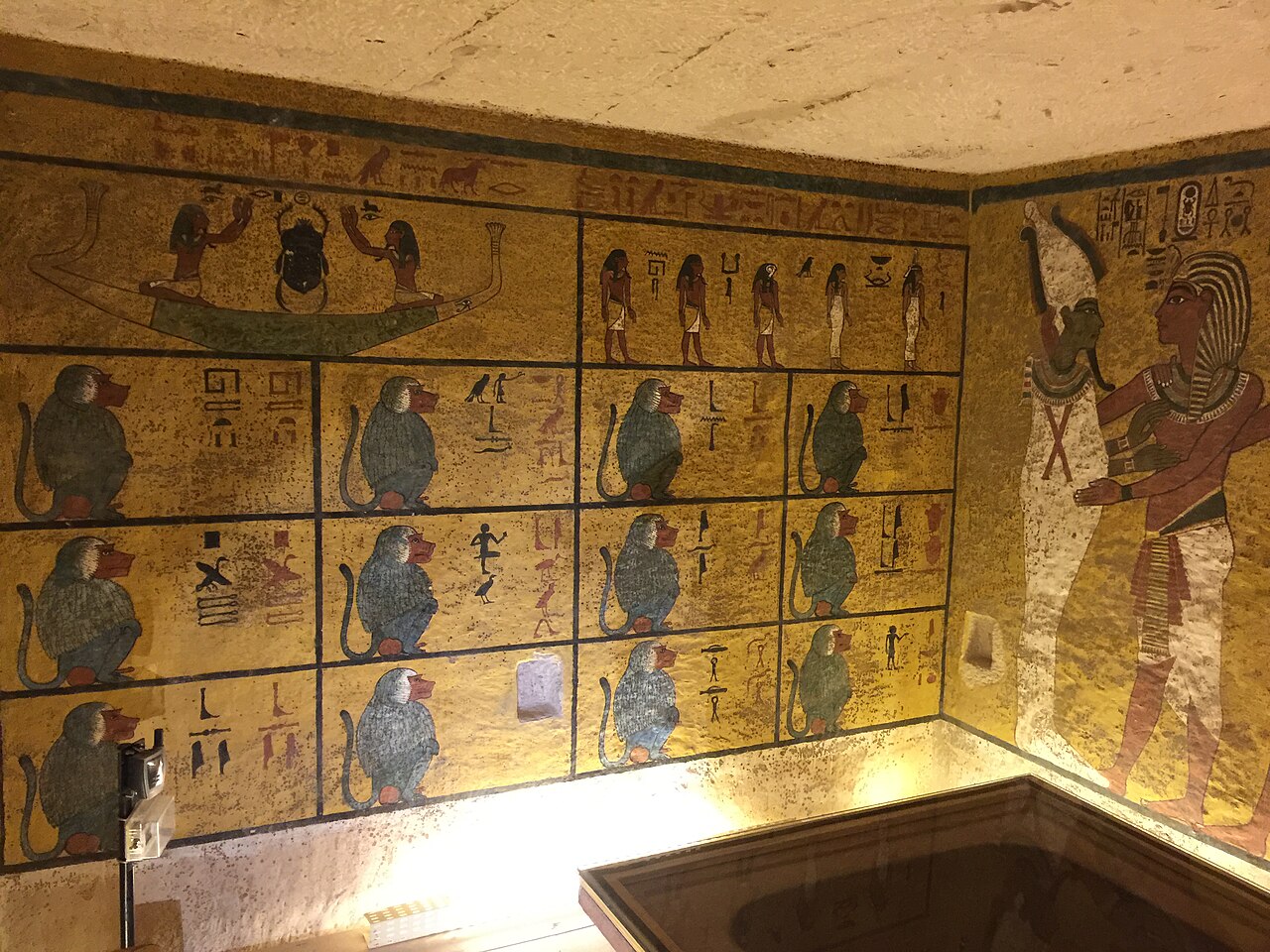
Tomb of Tutankhamun
14th century BCE
 Photograph
Primary source
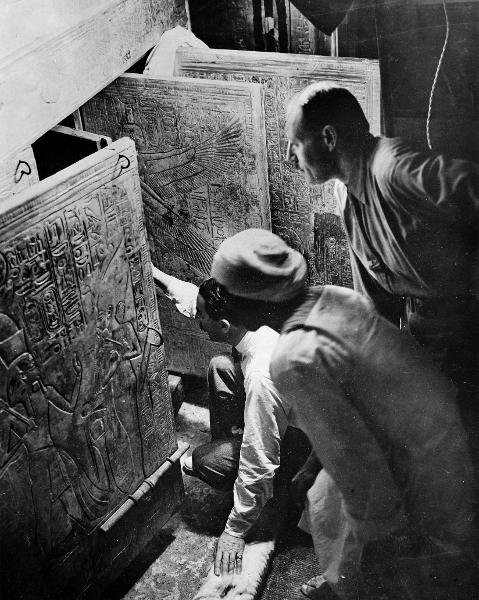
Opening the Doors of the Fourth Shrine in Tutankhamun's Tomb
Harry Burton · 1920s
 Photograph
Primary source
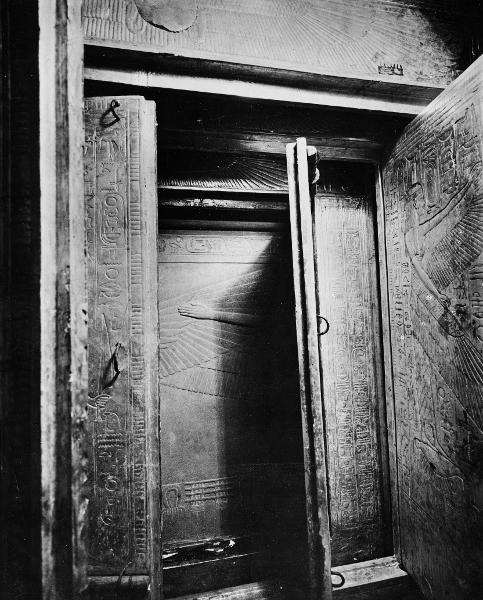
First Published View of Tutankhamun's Sarcophagus Between the Shrine Doors
Harry Burton · 1920s
Ready when you are
Start chatting with Tutankhamun now.
20 messages free · No credit card · Available in 50+ languages.