


Primary sourceArtifact14th century BCE
Tomb of Tutankhamun
14th century BCE
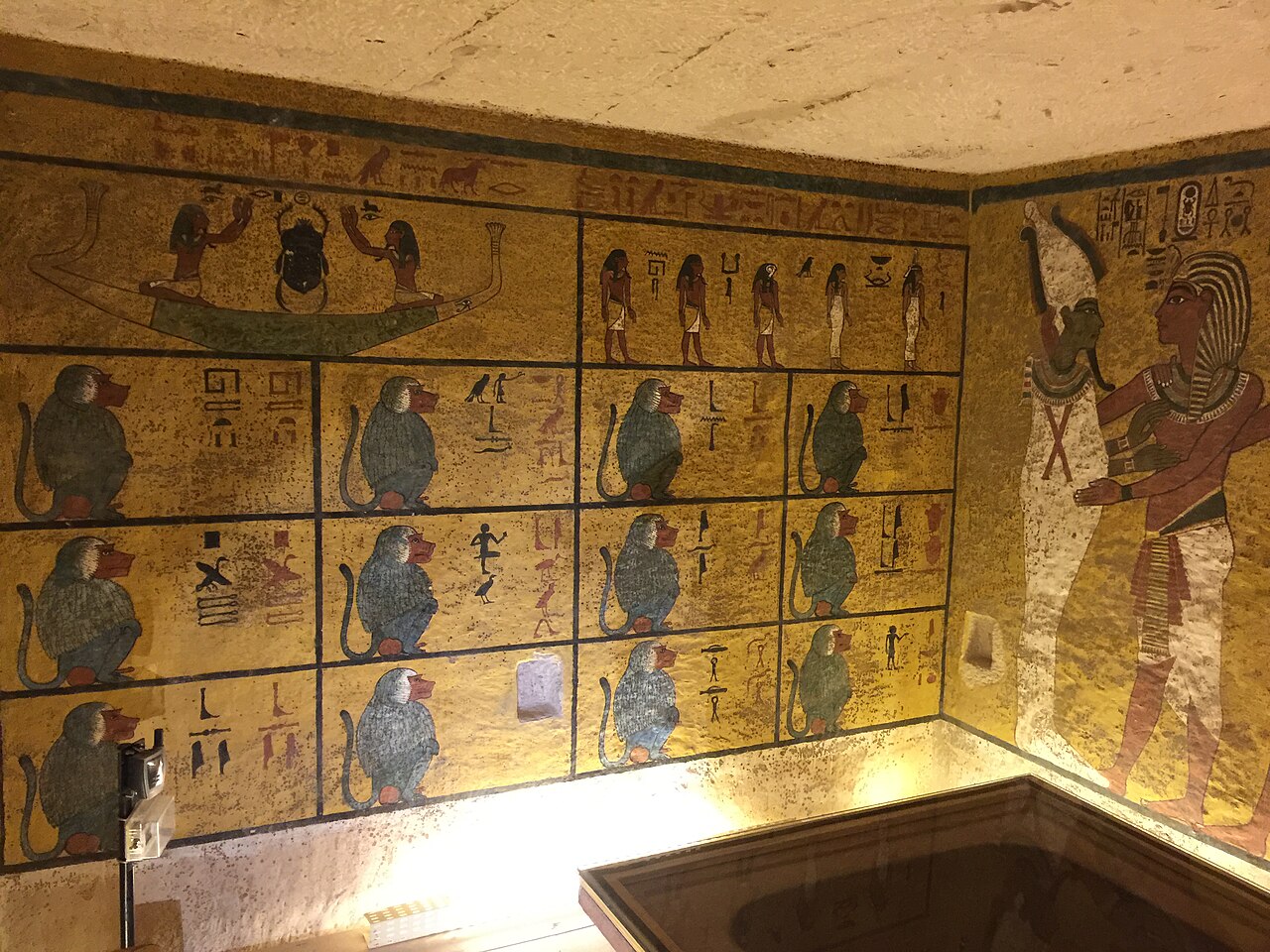
The small tomb (KV62) in the Valley of the Kings where Tutankhamun was buried and found largely intact in 1922.
This is Tutankhamun's own burial place, built and furnished for him after his premature death.
About this source
What it is
This is the tomb of Tutankhamun, known as KV62, in the Valley of the Kings. It probably began as a tomb for a non-royal person and was enlarged after the young king's sudden death. It was discovered by Howard Carter and his patron Lord Carnarvon in 1922.
The tomb has four small chambers and was packed with thousands of burial goods. Robbers entered twice shortly after the burial, but the mummy and most goods survived, and the low, hidden entrance kept it safe from later looting.
Why it matters
Because the tomb survived nearly intact, it became the most famous archaeological find in Egyptology, revealing enormous detail about the wealth and craftsmanship surrounding a pharaoh, even though it told historians less about Tutankhamun's actual reign.
Look closer
- Why might a tomb built in a hurry still contain so many treasures?
- What does the crowding of objects suggest about how quickly it was sealed?
- What can a tomb tell us, and what can it not tell us, about a ruler's life?
This artifact is part of the curated material that grounds the AI version of Tutankhamun on Humy.ai — when students ask about related events, the AI can quote it and cite it.
More Tutankhamun sources
Meet the AI Tutankhamun →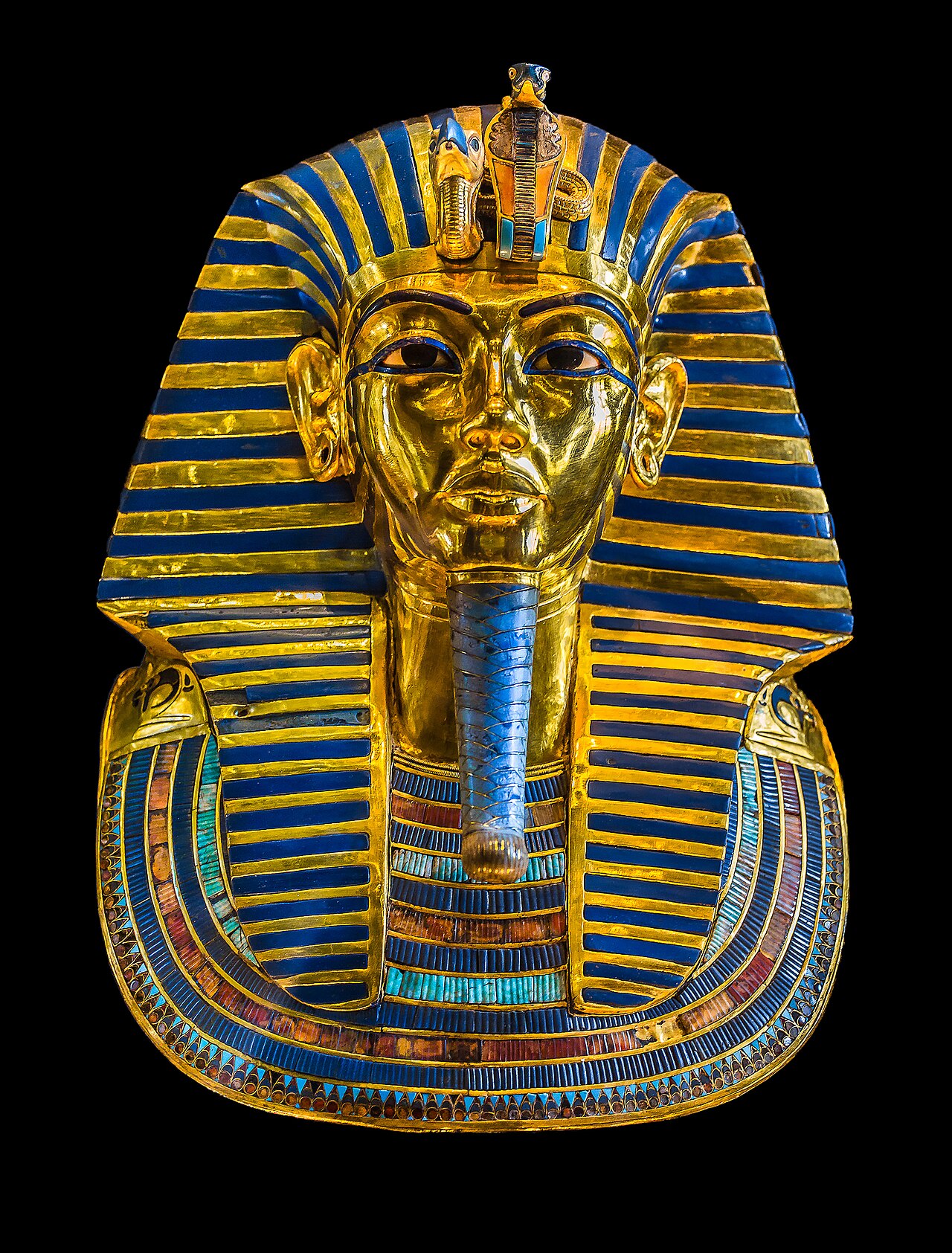 Artifact
Primary source
Mask of Tutankhamun
c. 1333 BCE
 Photograph
Primary source
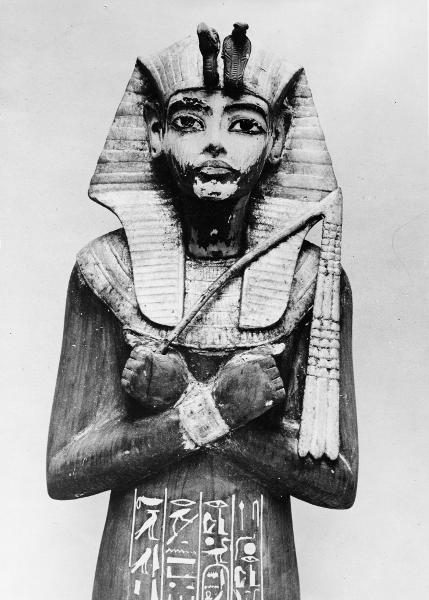
Photograph of Tutankhamun's Shawabti Figure
Harry Burton · 1920s
 Photograph
Primary source
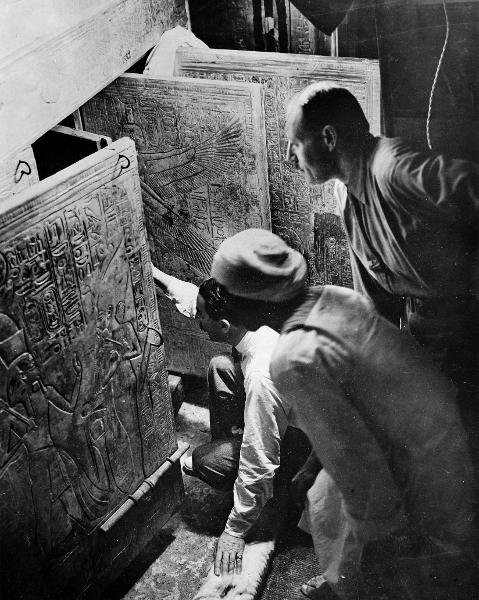
Opening the Doors of the Fourth Shrine in Tutankhamun's Tomb
Harry Burton · 1920s
 Document
Primary source
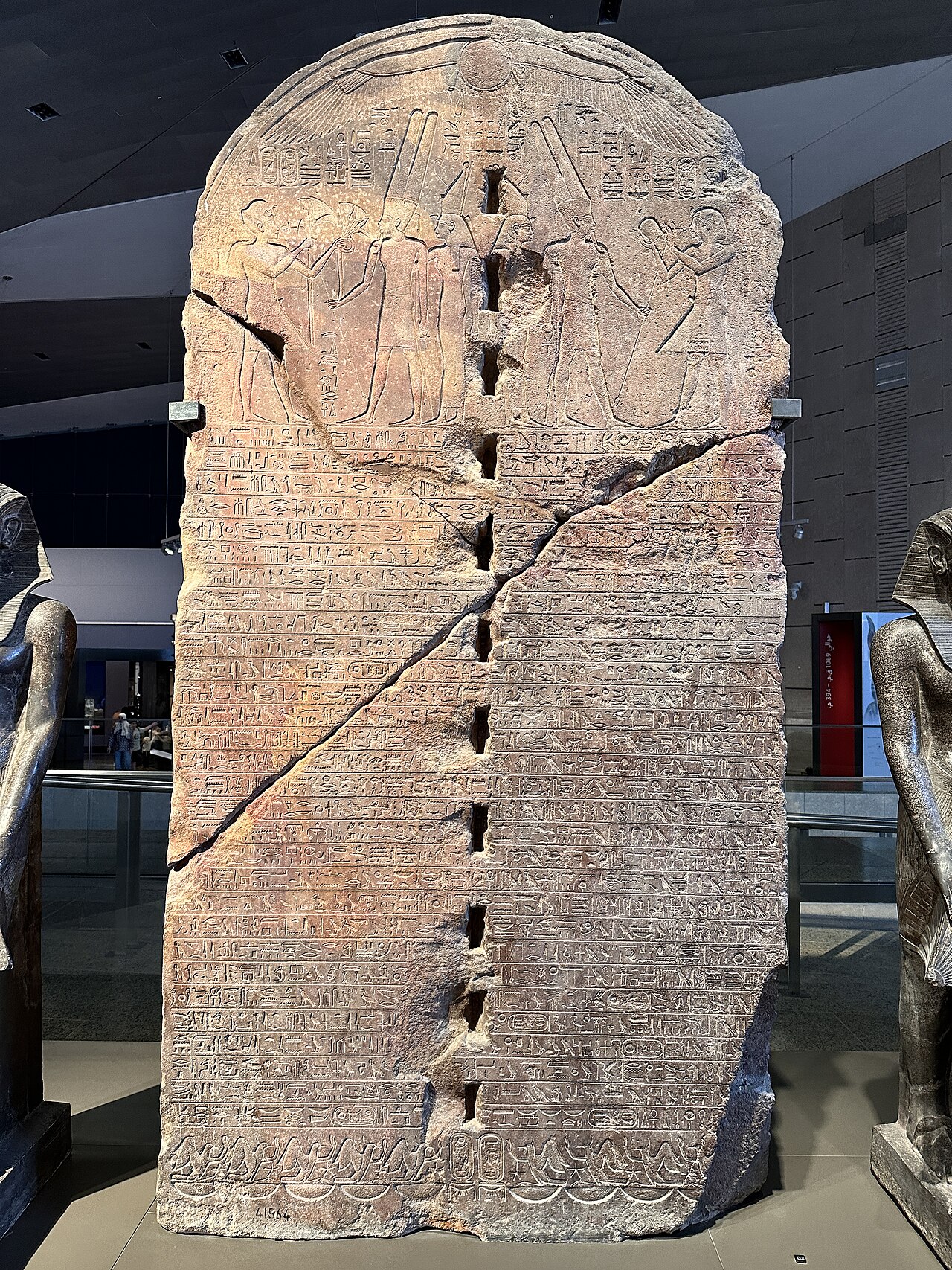
Restoration Stela
Tutankhamun · c. 1326 BCE
 Photograph
Primary source
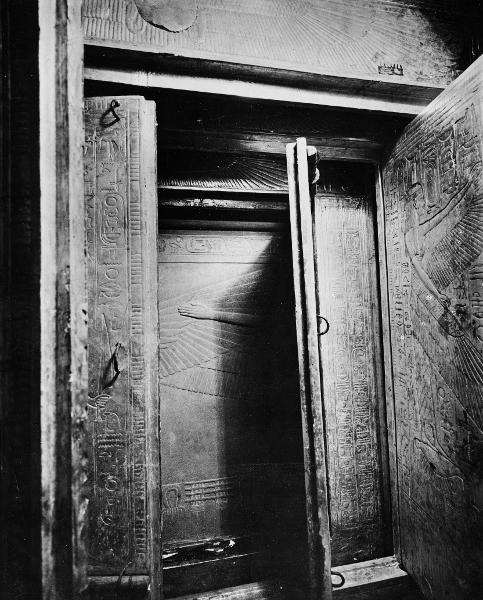
First Published View of Tutankhamun's Sarcophagus Between the Shrine Doors
Harry Burton · 1920s
Ready when you are
Start chatting with Tutankhamun now.
20 messages free · No credit card · Available in 50+ languages.