


Secondary sourcePhotograph1912-1913
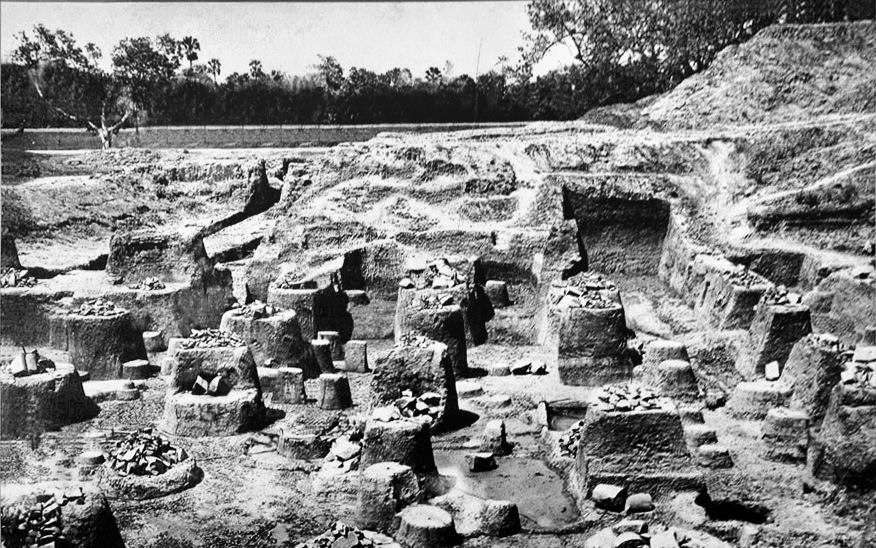
Pillared Hall Ruins at Kumrahar, Pataliputra
Archaeological Survey of India Eastern Circle · 1912-1913
A 1912-13 excavation photograph of brick pillar bases from the ruins of Pataliputra, the capital city Chandragupta Maurya founded his empire from.
Shows the excavated remains of Pataliputra, the capital city of the empire Chandragupta Maurya founded.
About this source
What it is
This is a black-and-white photograph taken during a 1912-13 archaeological excavation at Kumrahar, part of the site of ancient Pataliputra. It shows rows of square pillar bases uncovered in the earth, with stone fragments resting on top.
Why it matters
Pataliputra was the capital of the Maurya Empire, founded by Chandragupta Maurya. Little survives from his own lifetime, so archaeological remains like this pillared hall are some of the main physical evidence historians use to understand the scale and wealth of the city he built his power from.
Look closer
- What can you tell about the size of the original building from the spacing of the pillar bases?
- Why might a photograph from an excavation count as useful evidence, even though the building itself is gone?
- What is missing from this image that would help us picture the hall as it originally looked?
This photograph is part of the curated material that grounds the AI version of Chandragupta Maurya on Humy.ai — when students ask about related events, the AI can quote it and cite it.
More Chandragupta Maurya sources
Meet the AI Chandragupta Maurya →Secondary source
Arthashastra
Chanakya (traditional attribution) · c. 1st–3rd century CE (traditionally attributed to Chanakya, c. 300 BCE)
 Document
Secondary source
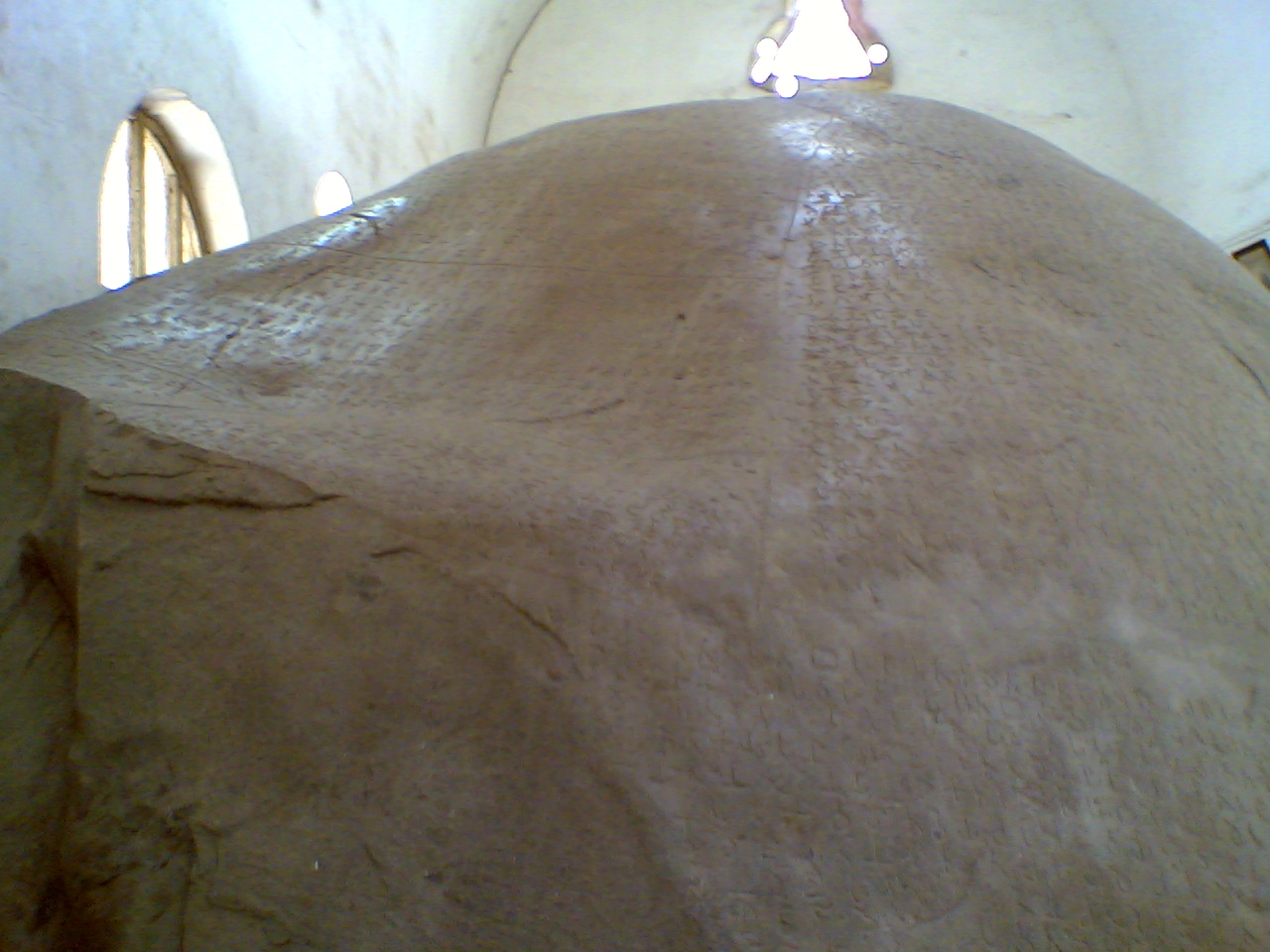
Junagadh Rock Inscription of Rudradaman
Rudradaman I (commissioner) · shortly after 150 CE
 Book
Secondary source
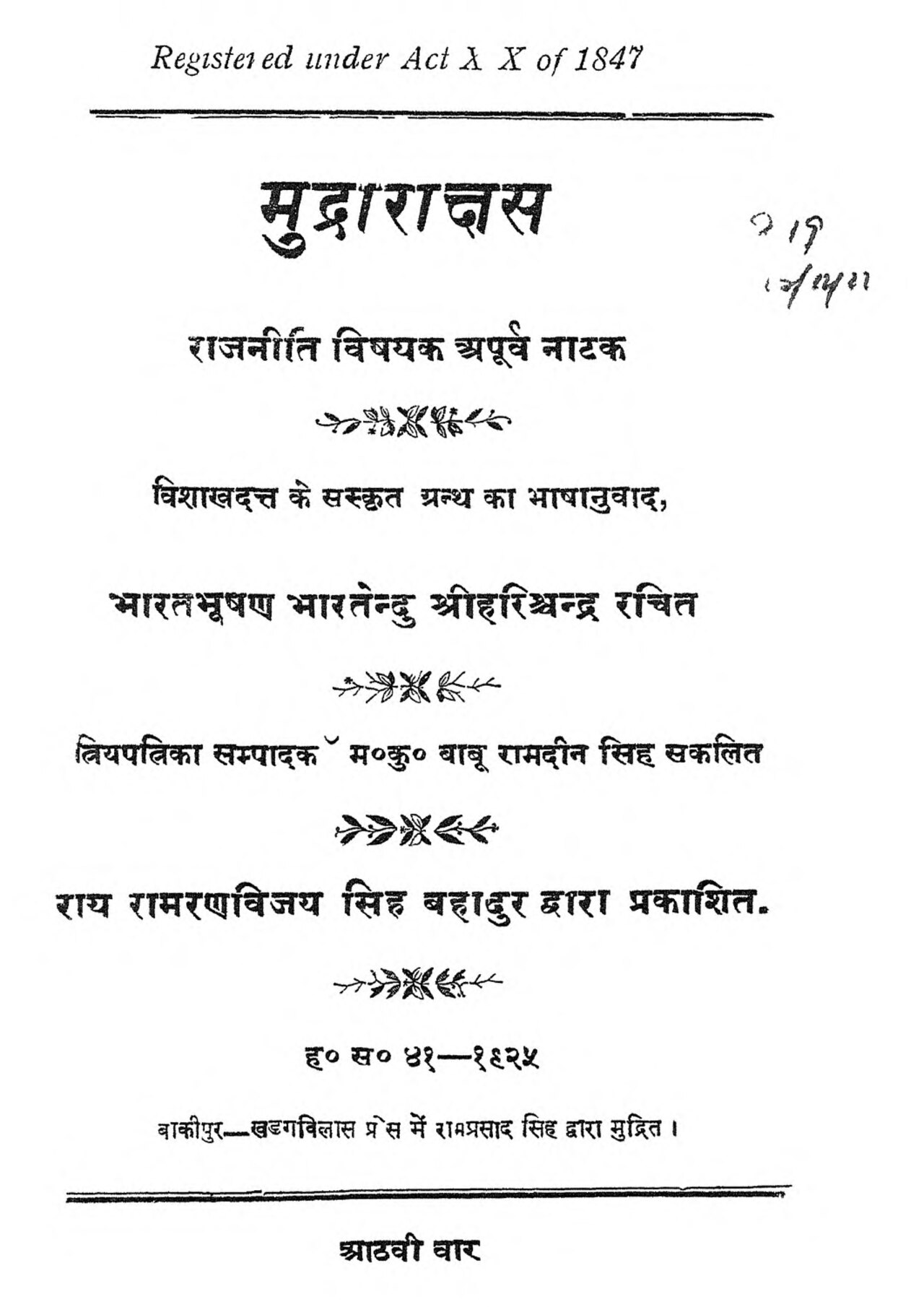
Mudrarakshasa
Vishakhadatta · between the 4th and 8th century CE
 Document
Primary source
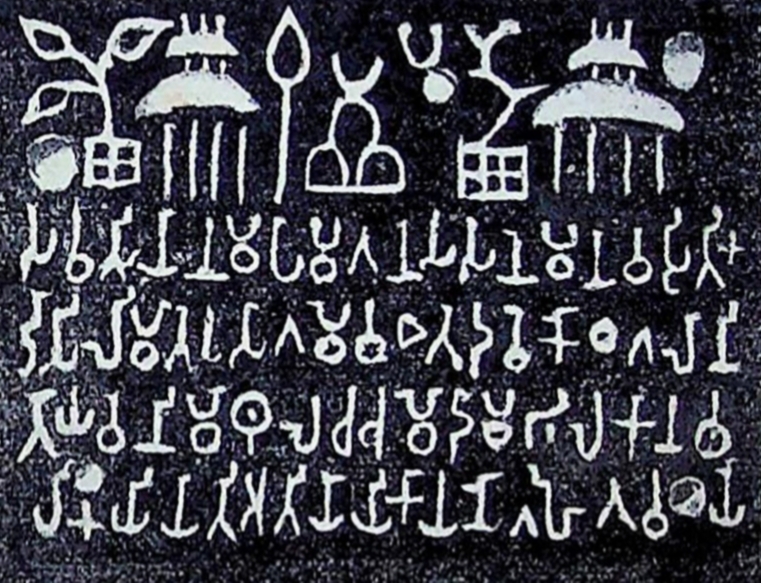
Sohgaura Copper Plate Inscription
3rd century BCE
 Document
Secondary source
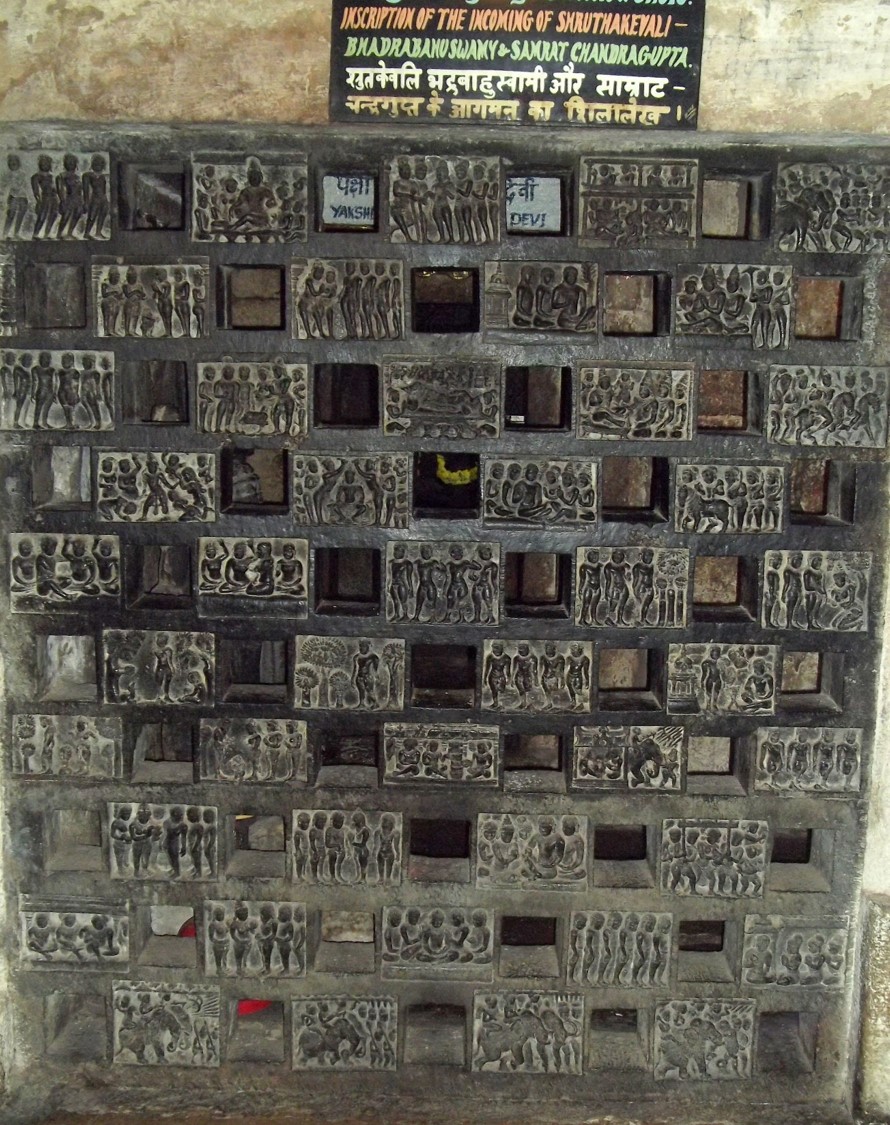
Shravanabelagola Inscription of Bhadrabahu and Chandragupta
Ready when you are
Start chatting with Chandragupta Maurya now.
20 messages free · No credit card · Available in 50+ languages.