


Secondary sourceDocument1745
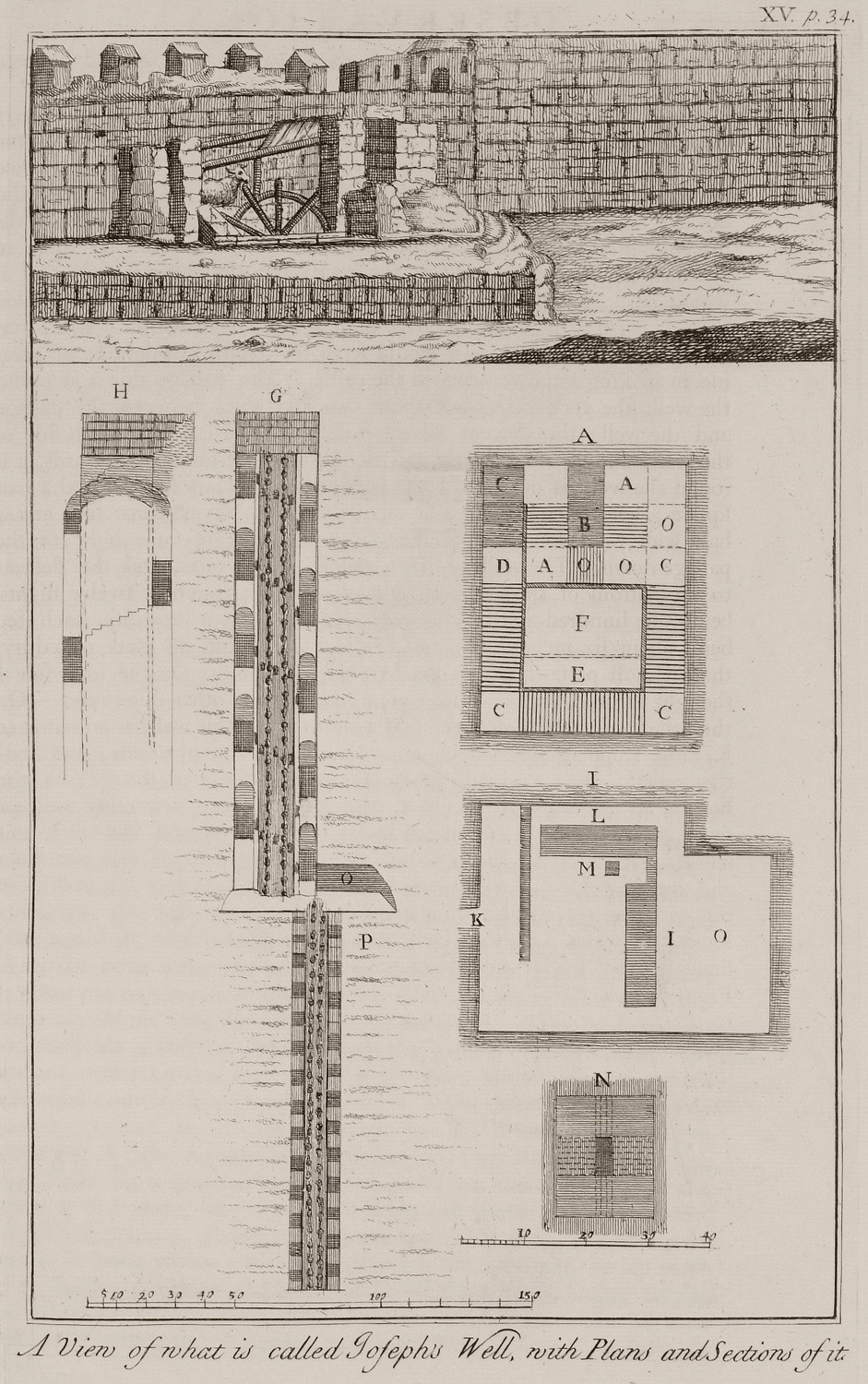
Plan and Sections of Joseph's Well, Cairo
Richard Pococke · 1745
An 18th-century engraving of a deep well in the Citadel of Cairo, a site connected to Saladin's fortress.
Documents a well within the Citadel of Cairo, a fortress complex associated with Saladin's rule.
About this source
What it is
This engraved plate, titled 'A View of what is called Joseph's Well, with Plans and Sections of it,' comes from Richard Pococke's 1745 travel book A Description of the East. It shows a perspective view of the well-house along with technical plans and sections.
Why it matters
The well is part of the Citadel of Cairo, a fortress linked to Saladin's reign. Pococke's engraving, made centuries after Saladin's time, shows how European travelers documented and studied structures from his era during the Age of Enlightenment exploration of the East.
Look closer
- Why might a European traveler in the 1740s be interested in drawing a well built centuries earlier?
- What do the technical plans and sections tell you that the perspective view alone cannot?
- What does the name 'Joseph's Well' suggest about how people explained the origins of old structures?
This document is part of the curated material that grounds the AI version of Saladin on Humy.ai — when students ask about related events, the AI can quote it and cite it.
More Saladin sources
Meet the AI Saladin →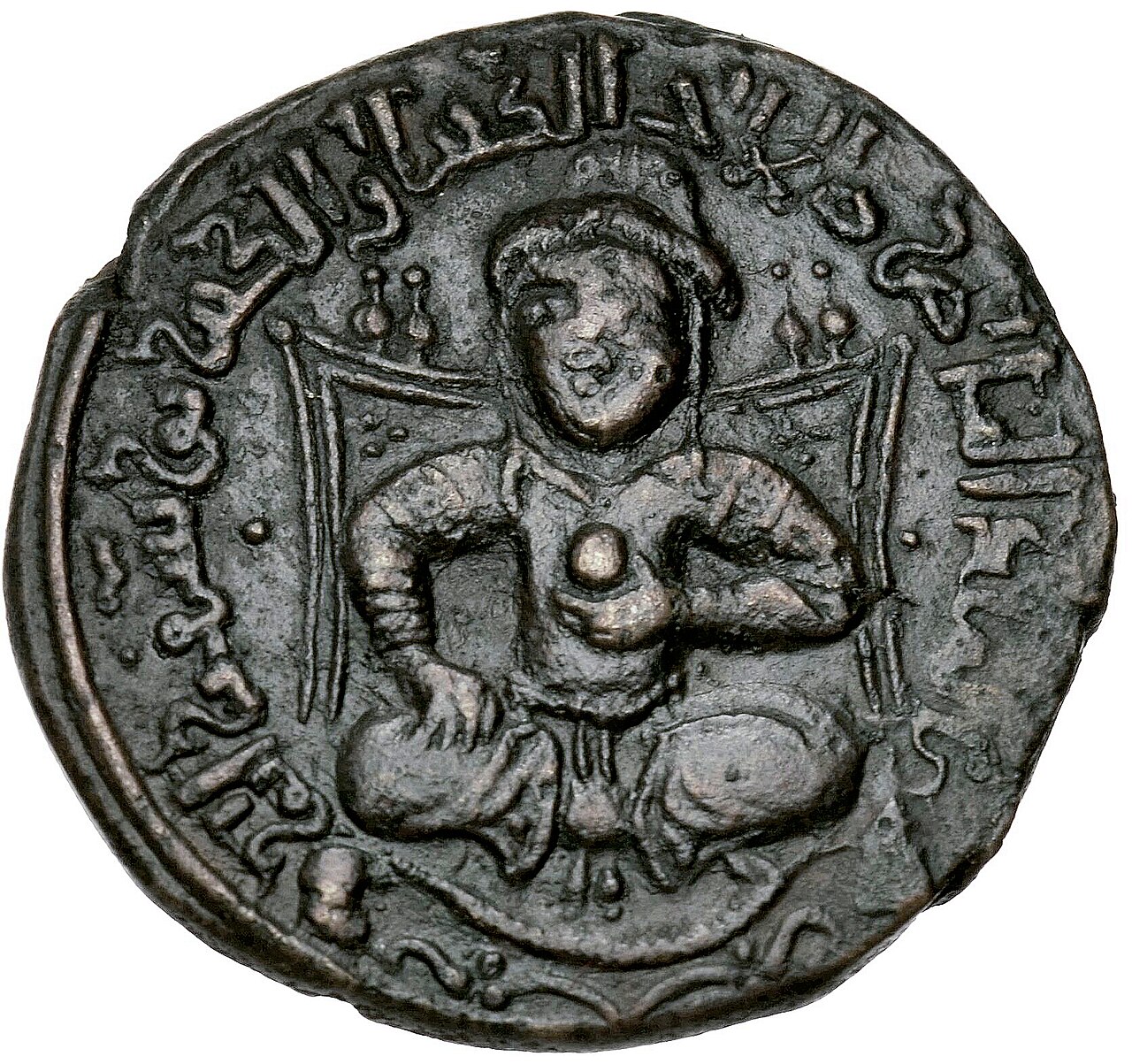 Artifact
Primary source
Dirham of Saladin
AH 586 (AD 1190-91)
 Painting
Secondary source
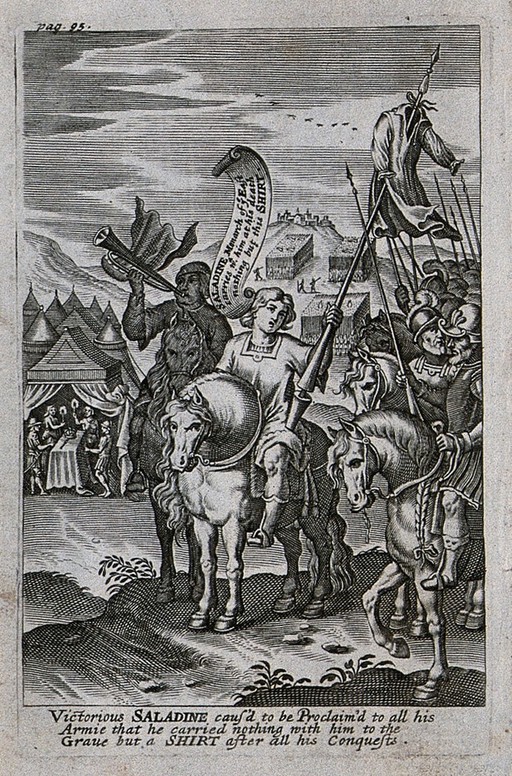
Saladin Proclaims He Will Take Only a Shirt to His Grave
John Payne · 1639
 Artifact
Primary source
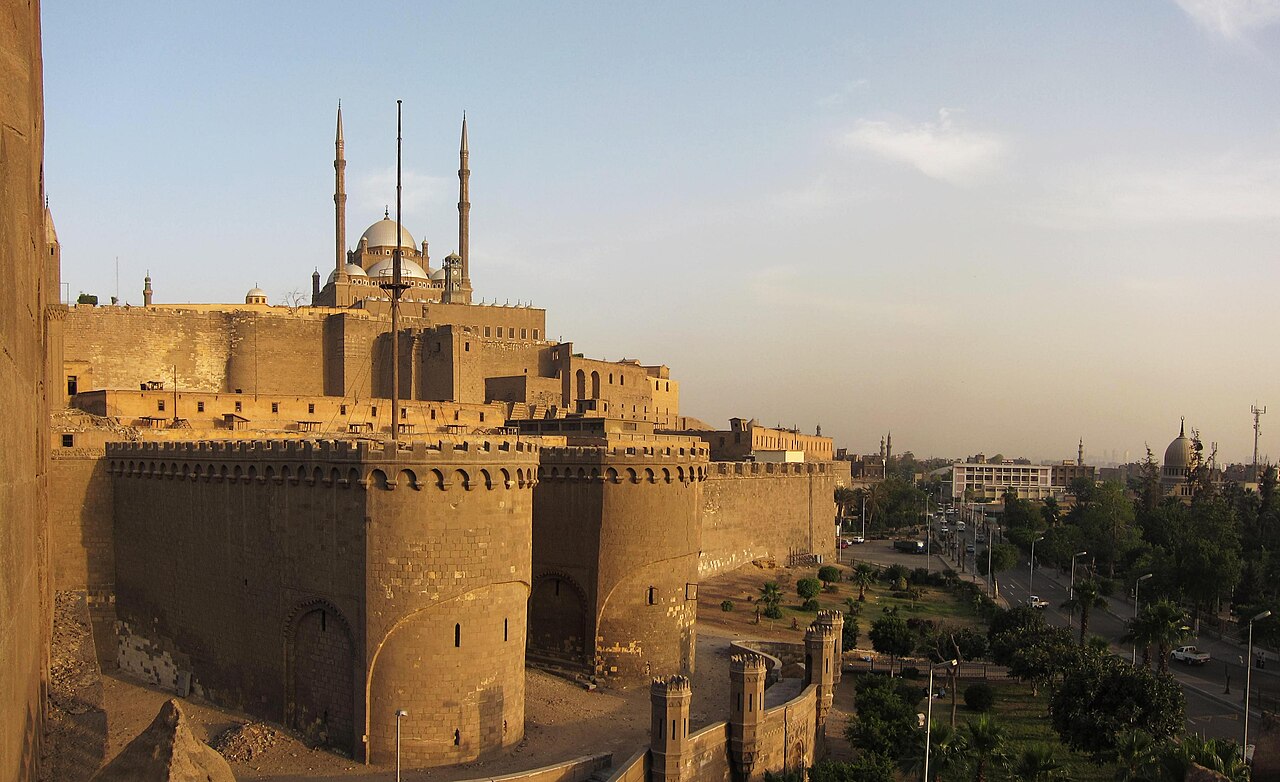
Cairo Citadel
Saladin · begun 1176
 Photograph
Secondary source
Tomb of Saladin, Damascus
 Painting
Secondary source
Saladin Seizing the True Cross from Guy of Lusignan
Matthew Paris
Ready when you are
Start chatting with Saladin now.
20 messages free · No credit card · Available in 50+ languages.