


Secondary sourceSculpture2008 (photograph of plaster cast)
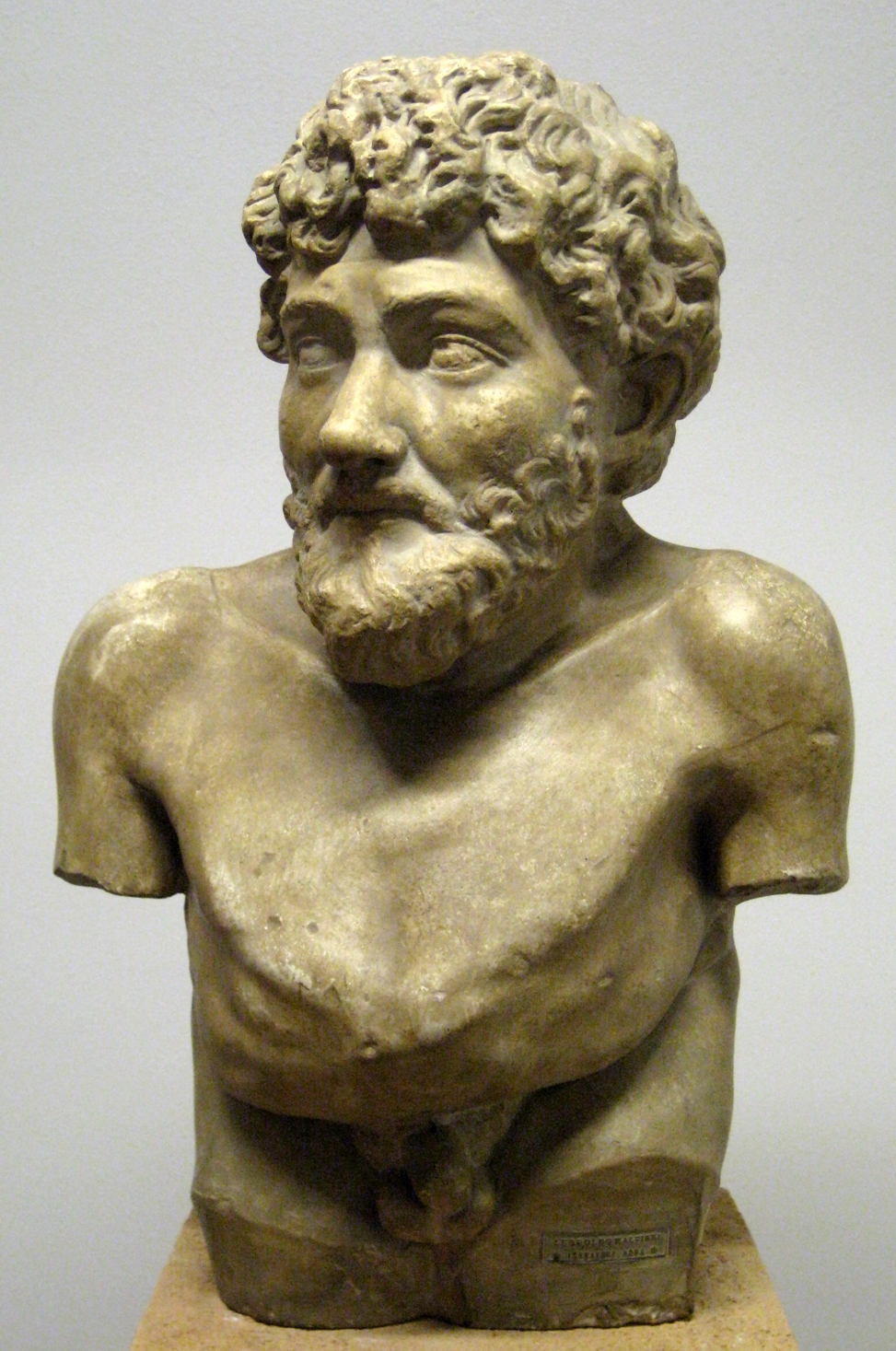
Plaster cast of the bust thought to be Aesop
2008 (photograph of plaster cast)
A photograph of a plaster cast of an ancient bust that is thought, but not certain, to show Aesop. The cast is in the Pushkin Museum in Moscow.
This bust is thought to show Aesop, though its identity is uncertain, making it one of the traditional images used to picture him.
About this source
What it is
This is a photograph of a light-colored plaster cast of an ancient bust thought to depict Aesop. The original bust was at the Villa Albani in Rome, and the cast is held by the Pushkin State Museum of Fine Arts in Moscow. The photograph was uploaded in 2008. The identity of the figure shown is uncertain, so the bust should be treated as a possible portrait rather than a sure one.
Why it matters
No portrait of Aesop made during his lifetime is known to survive, so later artists and collectors often tried to picture him from imagination or guesses. Ancient sculptures like this one were copied and collected in later centuries, and a cast like this shows how people in the past wanted to give a face to a storyteller whose life is poorly documented.
Look closer
- What features of the bust make the viewer think it might be a storyteller or thinker?
- How can we tell the difference between an ancient original and a later plaster copy?
- What would we need to know to be sure this bust really shows Aesop?
This sculpture is part of the curated material that grounds the AI version of Aesop on Humy.ai — when students ask about related events, the AI can quote it and cite it.
More Aesop sources
Browse all 85 →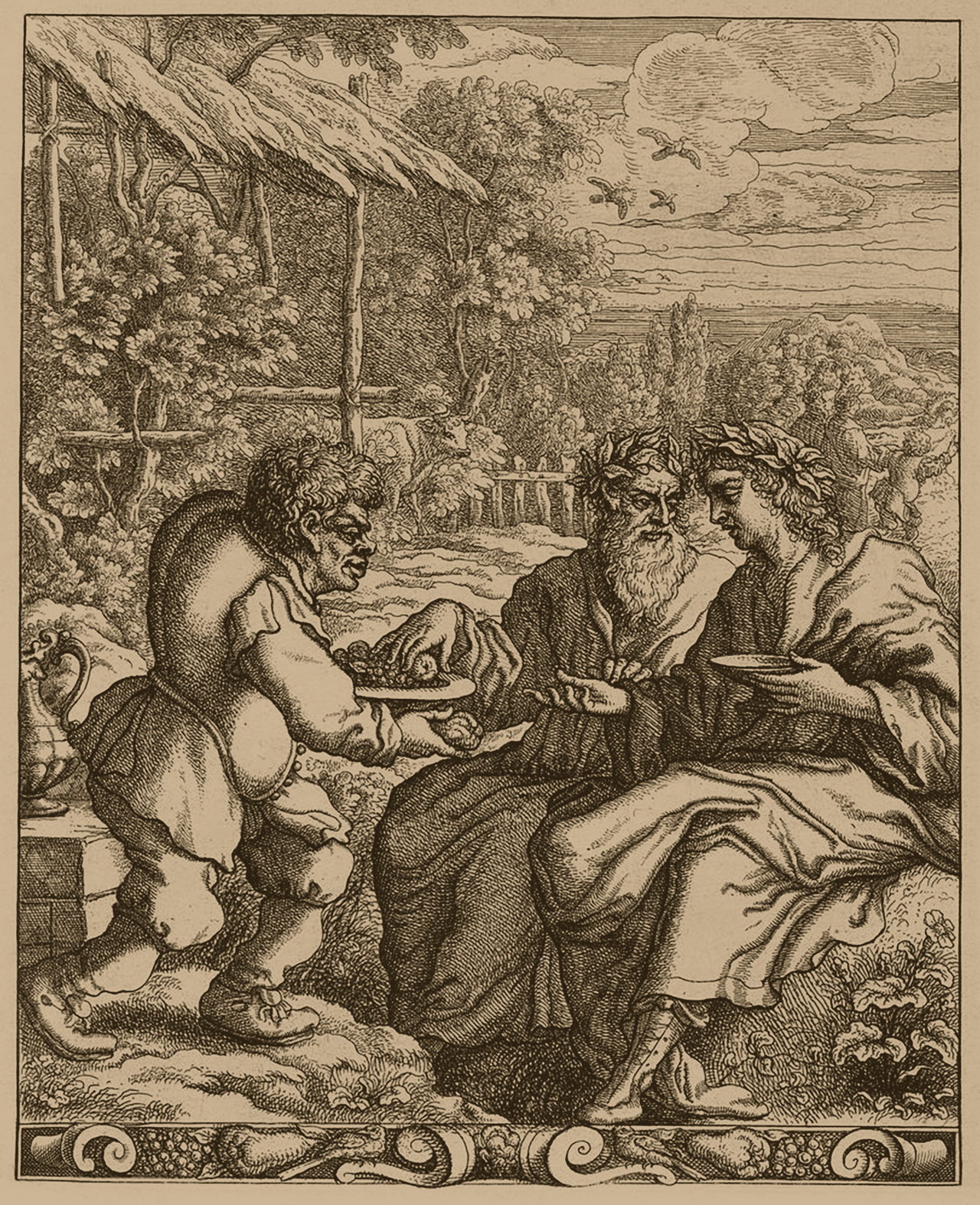 Book
Secondary source
Aesop's Fables
Aesop (attributed) · compiled from the 3rd century BCE onward
 Artifact
Secondary source
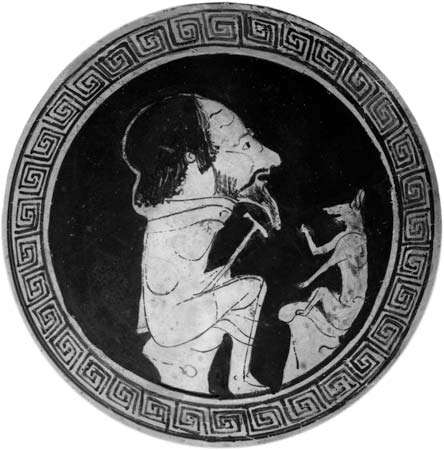
Aesop and the Fox (Red-Figure Kylix)
Unknown Greek artist · c. 450 BCE
 Book
Secondary source
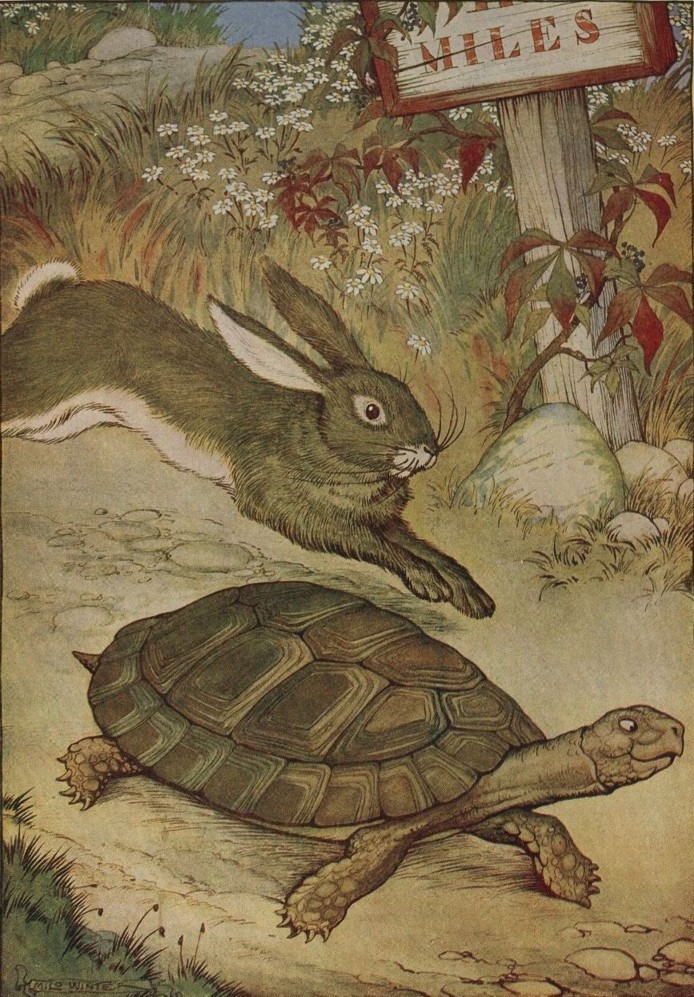
The Tortoise and the Hare
Aesop (attributed) · ancient Greek origin, no early Latin version; printed from 16th century
 Book
Secondary source
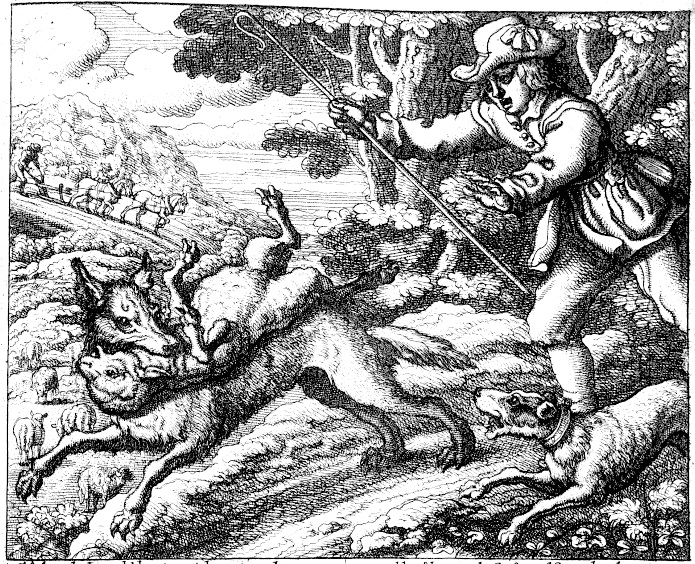
The Boy Who Cried Wolf
Aesop (attributed) · ancient Greek origin; translated into Latin in the 15th century
Free account
Read every Aesop source
Sign up free →
Ready when you are
Start chatting with Aesop now.
20 messages free · No credit card · Available in 50+ languages.