


Secondary sourceBookancient Greek origin, no early Latin version; printed from 16th century
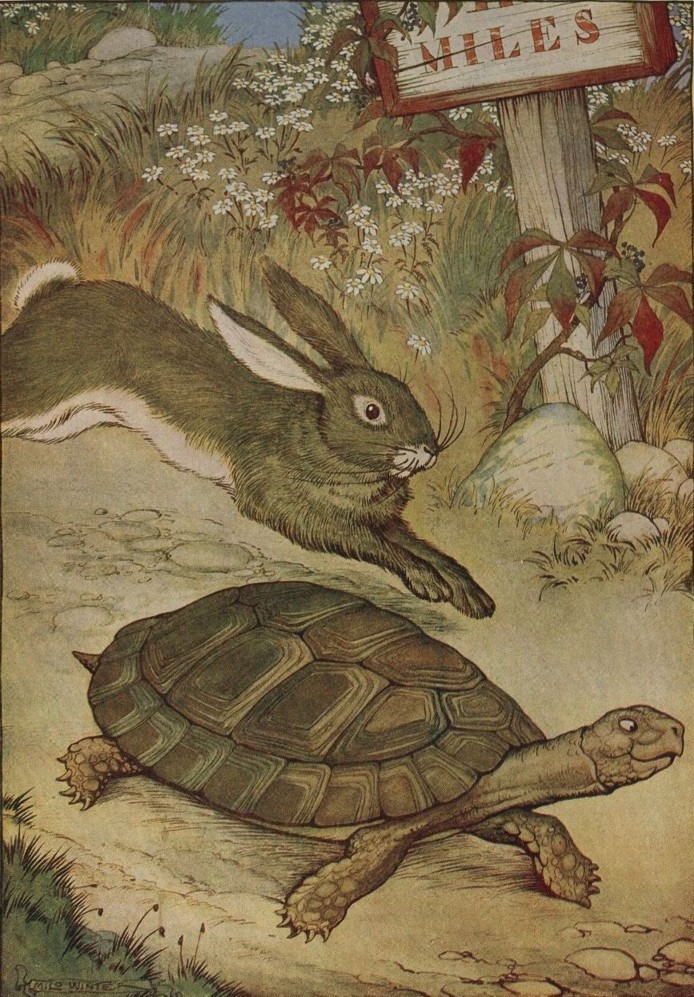
The Tortoise and the Hare
Aesop (attributed) · ancient Greek origin, no early Latin version; printed from 16th century
Aesop's fable of a slow but steady tortoise beating an overconfident hare in a race, teaching perseverance over arrogance.
This is one of the best-known fables credited to Aesop, showing the compact animal-story form linked to his name.
Free Humy account · No credit card · 53,307 sources to read
About this source
What it is
This is one of Aesop's Fables, numbered 226 in the Perry Index. It tells of a Hare who mocks a slow Tortoise, who then challenges him to a race; the overconfident Hare naps and loses. The fable has no early Latin version and did not appear in printed editions until the 16th century, with the first English version by Francis Barlow in 1667.
Why it matters
The story has been read in different ways across history: in ancient times it criticised over-confidence rather than praising the tortoise's grit, while later writers such as La Fontaine and others gave it new, sometimes satirical, meanings. Its lasting popularity shows how Aesop's simple animal stories kept being reshaped by different cultures and eras.
Look closer
- Does the fable praise the tortoise's patience, or criticise the hare's overconfidence - or both?
- How might the moral change depending on who is retelling the story?
- Why do you think this fable became one of the most famous of all?
This book is part of the curated material that grounds the AI version of Aesop on Humy.ai — when students ask about related events, the AI can quote it and cite it.
More Aesop sources
Browse all 96 → Book
Secondary source
Aesop's Fables
Aesop (attributed) · compiled from the 3rd century BCE onward
 Artifact
Secondary source
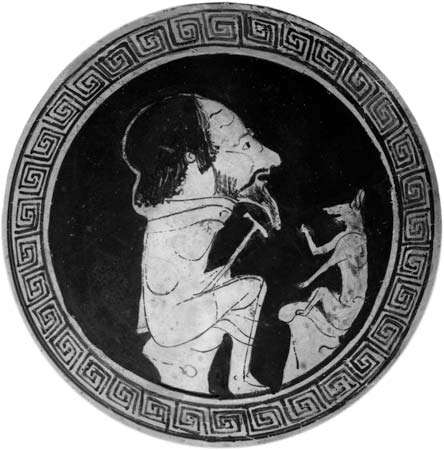
Aesop and the Fox (Red-Figure Kylix)
Unknown Greek artist · c. 450 BCE
 Book
Secondary source
The Boy Who Cried Wolf
Aesop (attributed) · ancient Greek origin; translated into Latin in the 15th century
 Book
Secondary source
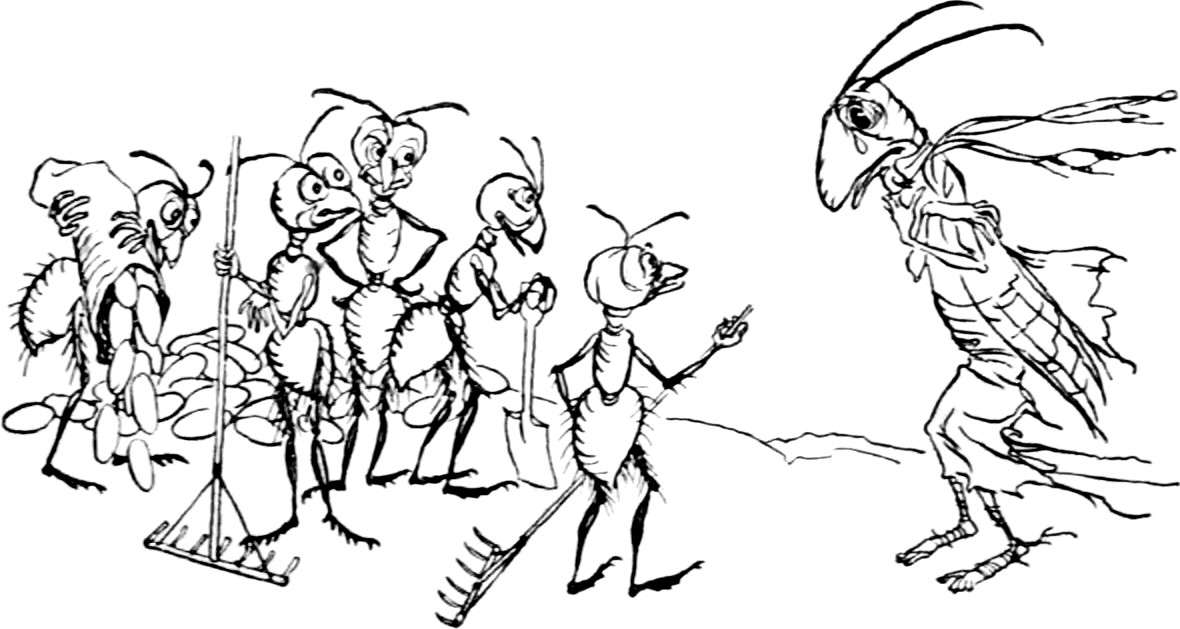
The Ant and the Grasshopper
Aesop (attributed) · ancient Greek origin
Free account
Browse every Aesop source
Sign up free →
Ready when you are
Start chatting with Aesop now.
20 messages free · No credit card · Available in 50+ languages.