


Secondary sourceBookancient Greek origin
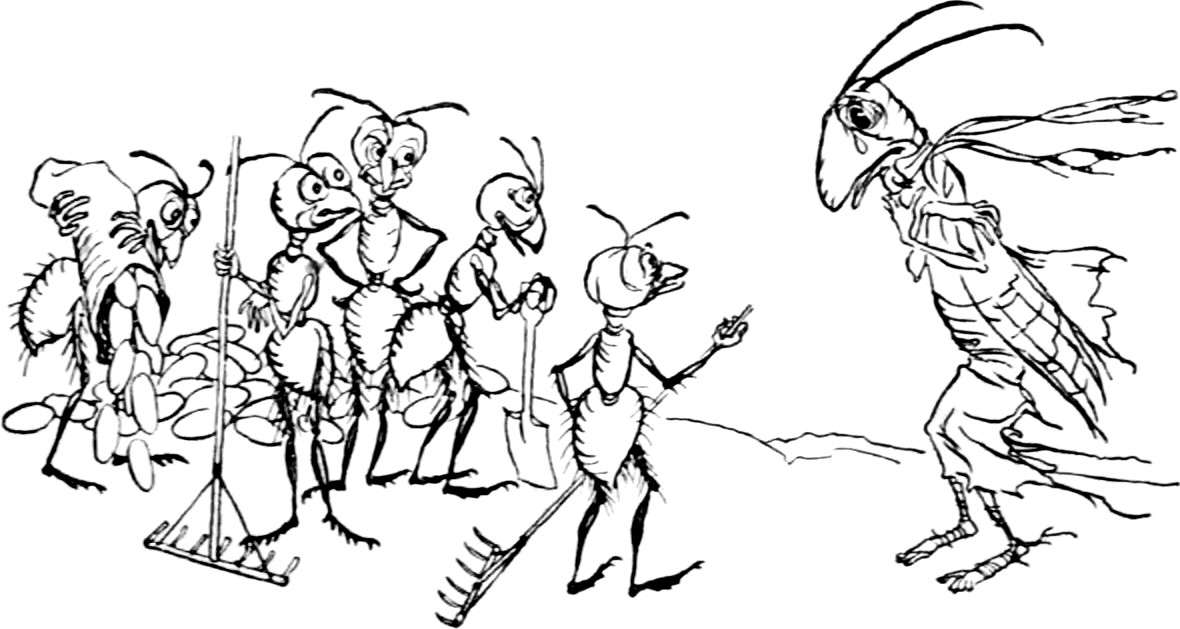
The Ant and the Grasshopper
Aesop (attributed) · ancient Greek origin
Aesop's fable contrasting a hardworking ant with an idle grasshopper, exploring the virtues and risks of planning for the future.
This fable's enduring moral lesson, reused for over two thousand years, is attributed to Aesop.
Free Humy account · No credit card · 53,307 sources to read
About this source
What it is
This fable, numbered 373 in the Perry Index, is one of Aesop's Fables. It describes a grasshopper (originally a cicada) that sings all summer while an ant stores food, then begs for help when winter comes and is refused. Versions appear in the verse collections of Babrius and Avianus and in several ancient prose collections.
Why it matters
The story has been retold and debated for over two thousand years, from ancient Greek sources to Jean de la Fontaine's French version, each adding new shades of meaning about work, charity, and even art versus labour. There was even an alternative ancient fable, also credited to Aesop, that criticised the ant's selfishness - showing that his fables could carry very different lessons depending on who told them.
Look closer
- Should the ant have shared its food with the grasshopper? What does your answer say about your own values?
- Why might different eras interpret the grasshopper differently - as lazy, or as an artist?
- What does the existence of a 'counter-fable' about the ant tell us about how fables could be used to argue opposite points?
This book is part of the curated material that grounds the AI version of Aesop on Humy.ai — when students ask about related events, the AI can quote it and cite it.
More Aesop sources
Browse all 96 →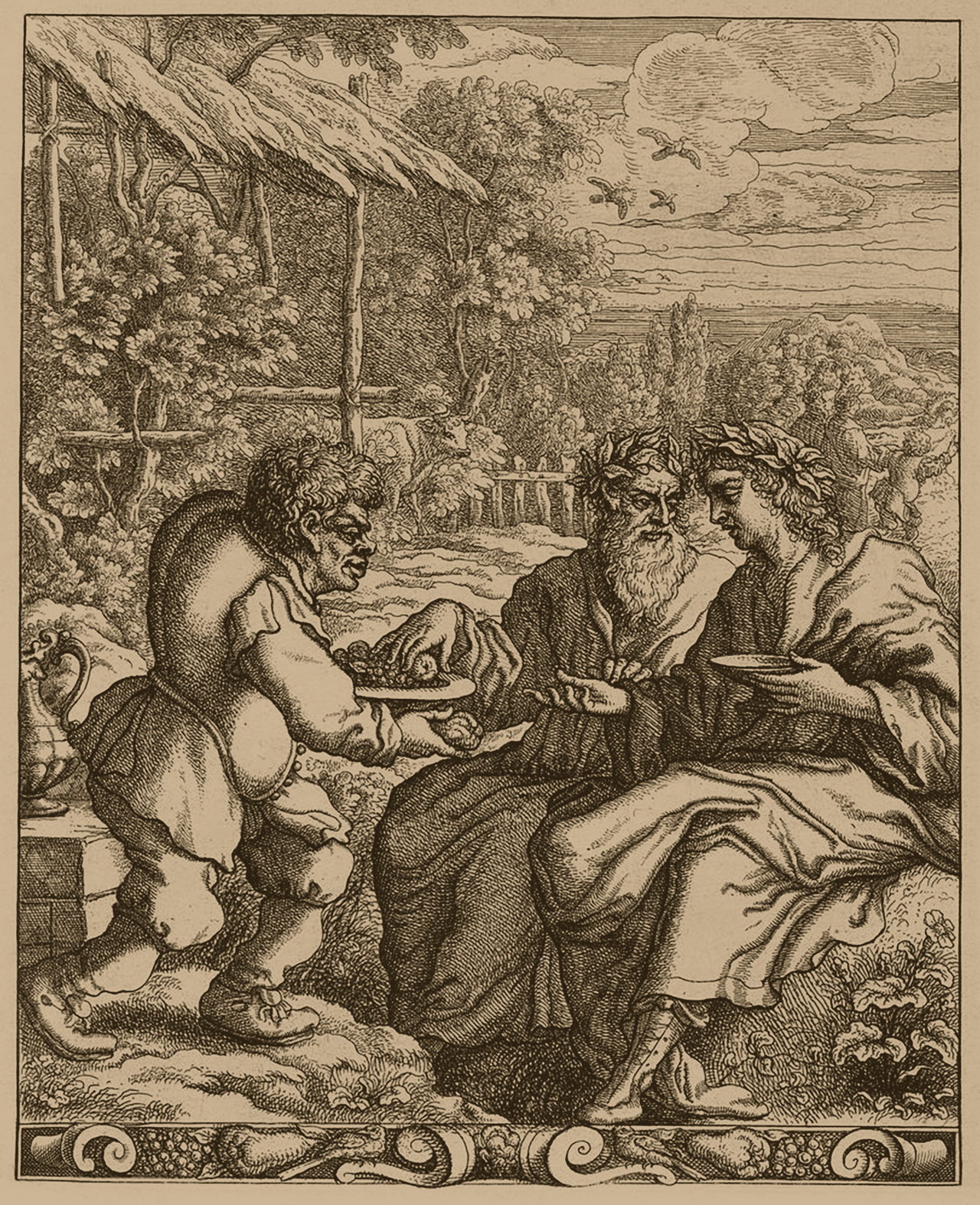 Book
Secondary source
Aesop's Fables
Aesop (attributed) · compiled from the 3rd century BCE onward
 Artifact
Secondary source
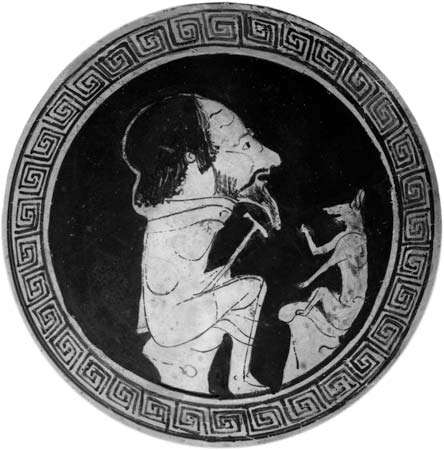
Aesop and the Fox (Red-Figure Kylix)
Unknown Greek artist · c. 450 BCE
 Book
Secondary source
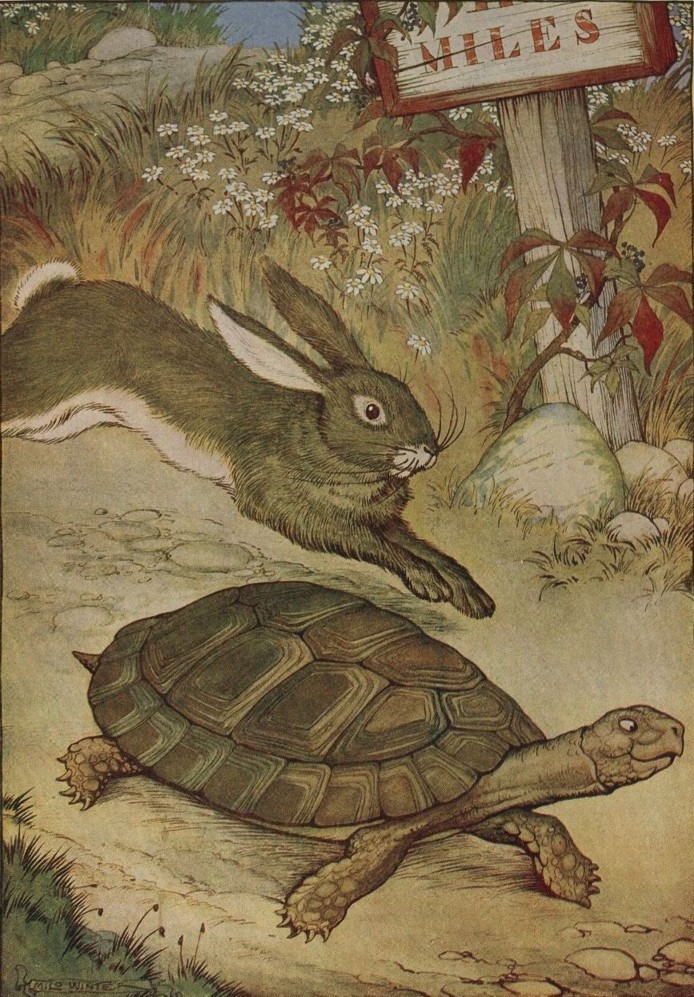
The Tortoise and the Hare
Aesop (attributed) · ancient Greek origin, no early Latin version; printed from 16th century
 Book
Secondary source
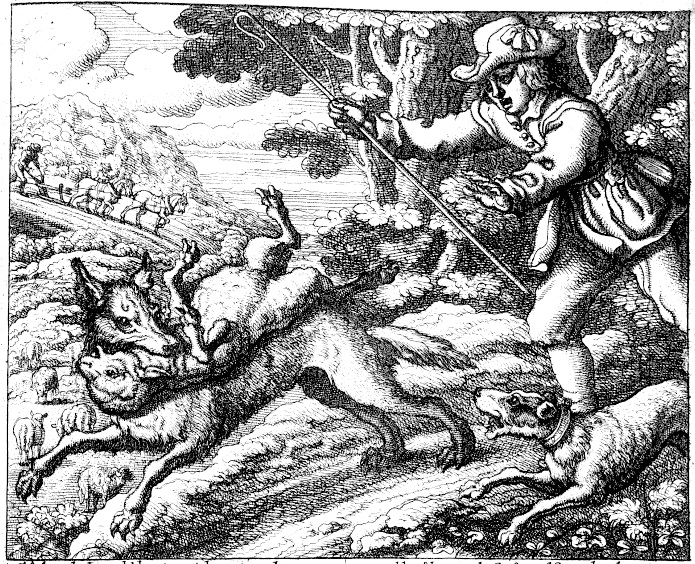
The Boy Who Cried Wolf
Aesop (attributed) · ancient Greek origin; translated into Latin in the 15th century
Free account
Browse every Aesop source
Sign up free →
Ready when you are
Start chatting with Aesop now.
20 messages free · No credit card · Available in 50+ languages.