


Secondary sourceBookancient Greek origin; translated into Latin in the 15th century
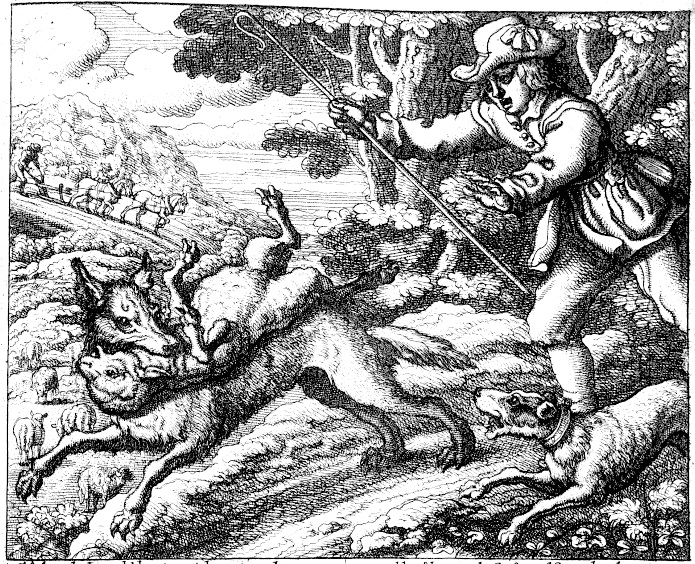
The Boy Who Cried Wolf
Aesop (attributed) · ancient Greek origin; translated into Latin in the 15th century
Aesop's fable about a shepherd boy whose false alarms about a wolf lead villagers to ignore him when a real wolf appears.
This fable, with human rather than animal protagonists, is credited to Aesop and shows the variety within his attributed stories.
Free Humy account · No credit card · 53,307 sources to read
About this source
What it is
This is one of Aesop's Fables, numbered 210 in the Perry Index. It tells of a shepherd boy who repeatedly tricks villagers with false cries of 'Wolf!' until a real wolf comes and no one believes him. It was recorded only in Greek and not translated into Latin until the 15th century, after which it spread through Europe via Heinrich Steinhöwel's collection.
Why it matters
The fable gave English the idiom 'to cry wolf,' meaning to give a false alarm. It has long been used to teach children about honesty and trust, though later study found the story's effect on behaviour was more complicated than intended. Its journey from Greek legend to common idiom shows how Aesop's stories shaped everyday language.
Look closer
- Why do you think the villagers stopped believing the boy, even when he was finally telling the truth?
- What does the fable suggest about the cost of lying, even in small ways?
- How has this story's title title changed across different translators and centuries?
This book is part of the curated material that grounds the AI version of Aesop on Humy.ai — when students ask about related events, the AI can quote it and cite it.
More Aesop sources
Browse all 96 →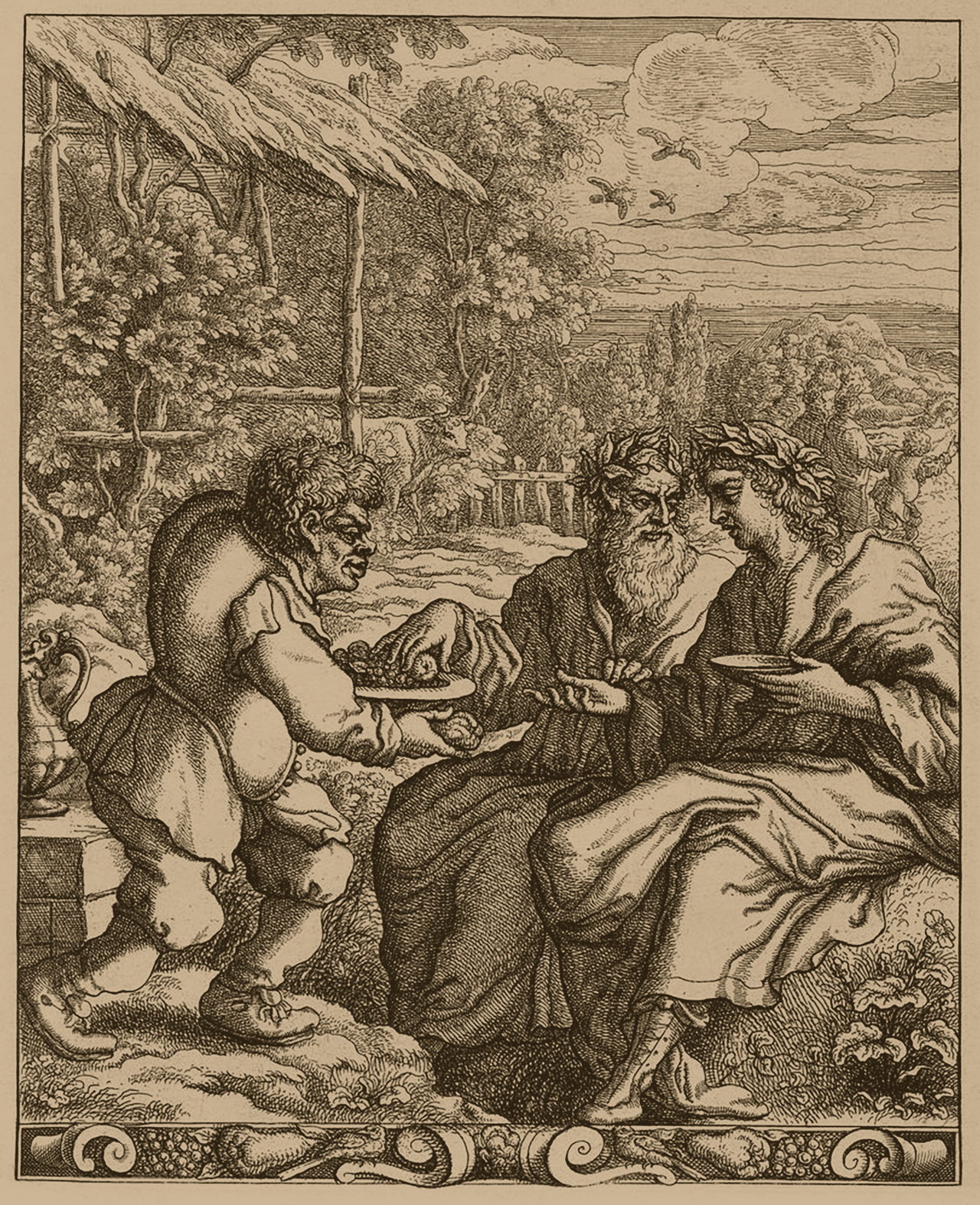 Book
Secondary source
Aesop's Fables
Aesop (attributed) · compiled from the 3rd century BCE onward
 Artifact
Secondary source
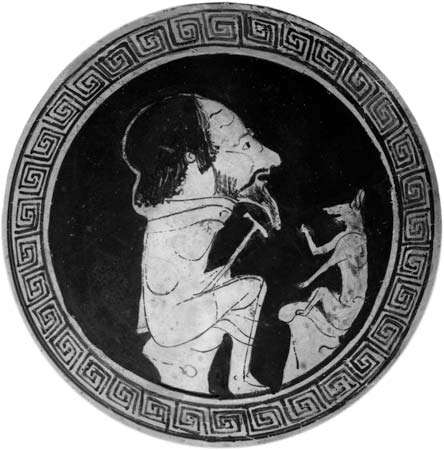
Aesop and the Fox (Red-Figure Kylix)
Unknown Greek artist · c. 450 BCE
 Book
Secondary source
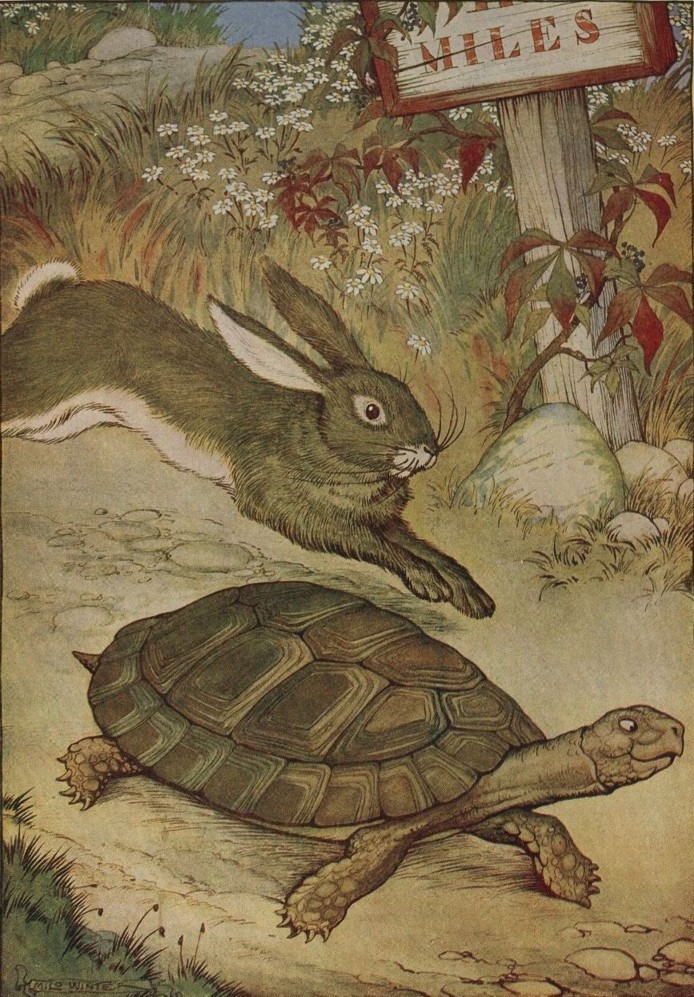
The Tortoise and the Hare
Aesop (attributed) · ancient Greek origin, no early Latin version; printed from 16th century
 Book
Secondary source
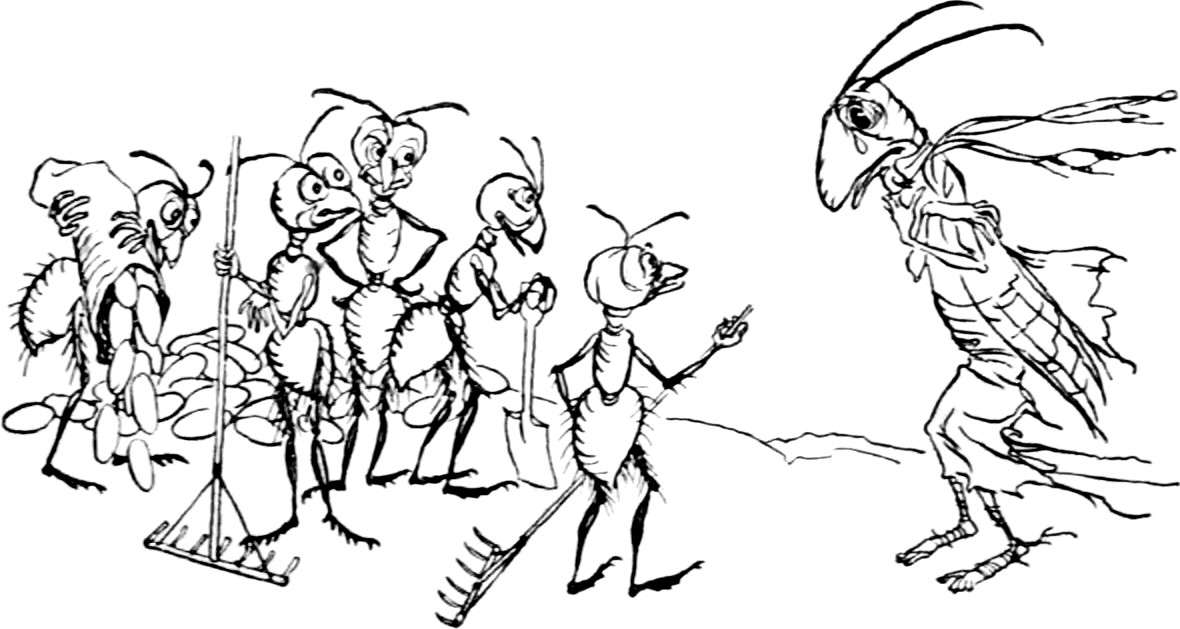
The Ant and the Grasshopper
Aesop (attributed) · ancient Greek origin
Free account
Browse every Aesop source
Sign up free →
Ready when you are
Start chatting with Aesop now.
20 messages free · No credit card · Available in 50+ languages.