


Secondary sourcePainting1792
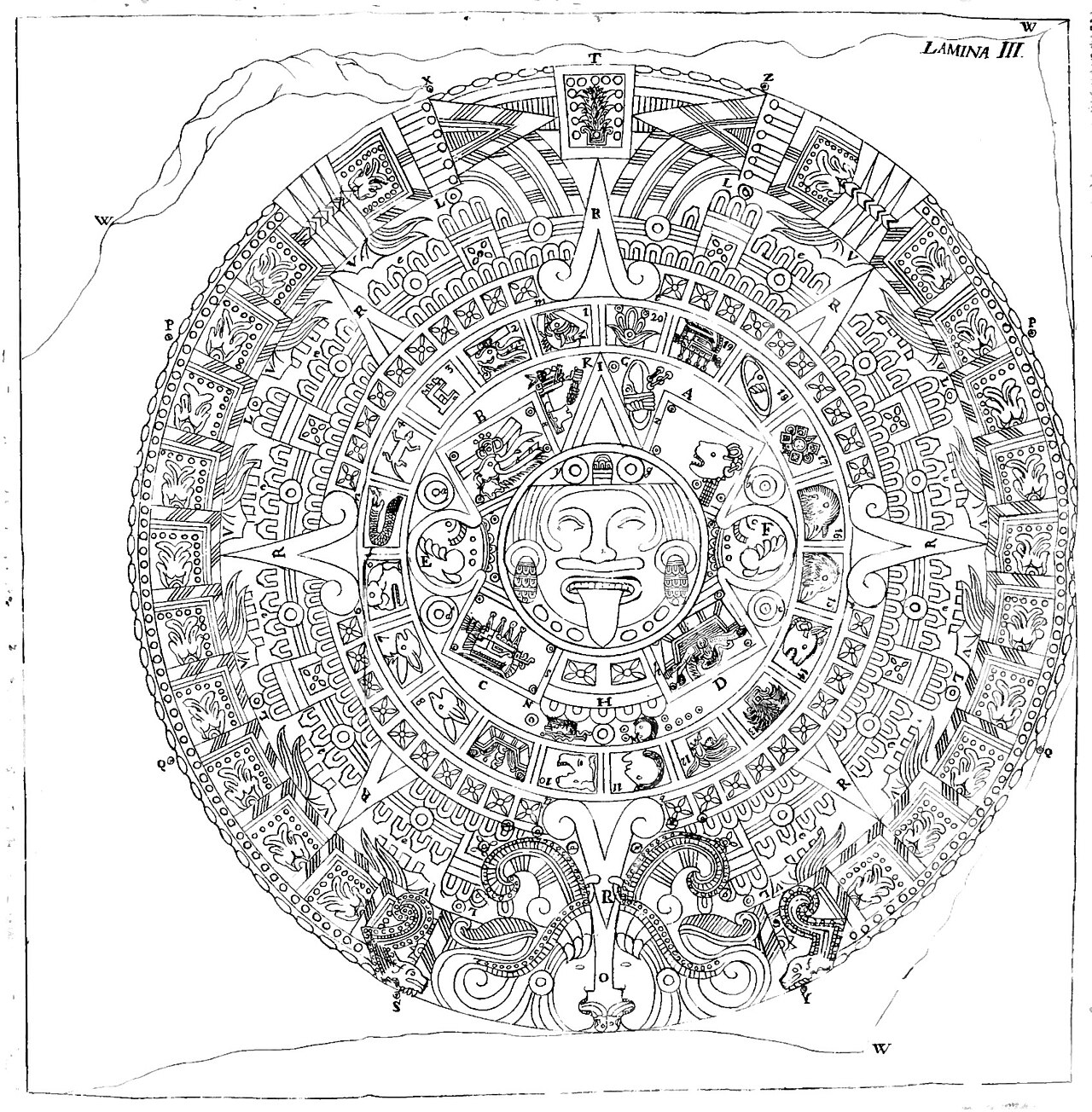
Plate III, Historical and Chronological Description of the Calendar Stone
1792
An engraved plate from a 1792 Spanish study of the Aztec calendar stone, discovered in Mexico City in 1790, from the era Moctezuma once ruled.
This study of the Aztec calendar stone documents an object from the civilization Moctezuma II ruled before the conquest.
About this source
What it is
This engraving is Plate III from a 1792 book describing two stones found in 1790 during repaving of the main square in Mexico City, including the Aztec calendar stone. It shows the carved stone in detail, with a central face and surrounding rings of glyphs and day signs.
Why it matters
The calendar stone dates from the Mexica civilization that Moctezuma II once ruled. Its rediscovery in 1790 and this 1792 scholarly description show how later generations in colonial Mexico studied and tried to understand Aztec achievements long after the empire's fall.
Look closer
- What symbols can you identify in the carving, and what might they represent?
- Why do you think this stone was buried and only rediscovered in 1790?
- How does a careful engraving like this help later historians study Aztec culture?
This painting is part of the curated material that grounds the AI version of Montezuma II on Humy.ai — when students ask about related events, the AI can quote it and cite it.
More Montezuma II sources
Meet the AI Montezuma II →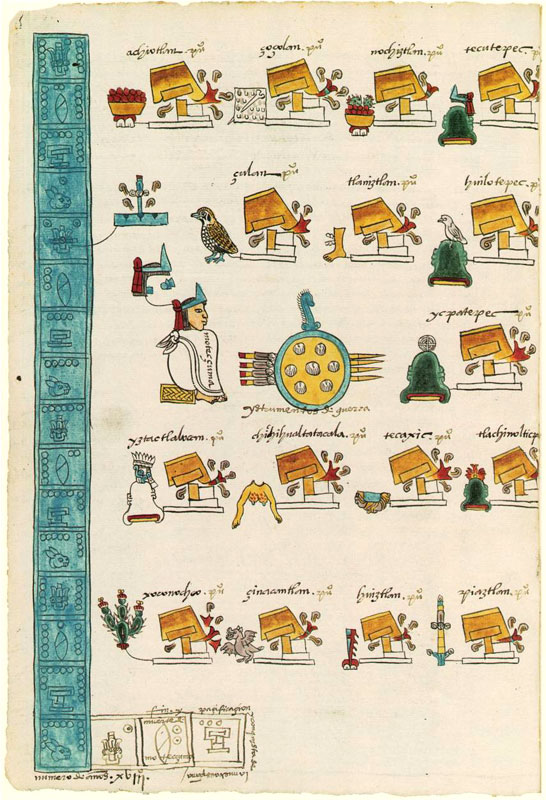 Document
Secondary source
Codex Mendoza, Folio 15v
Unknown author · 16th century
 Painting
Secondary source
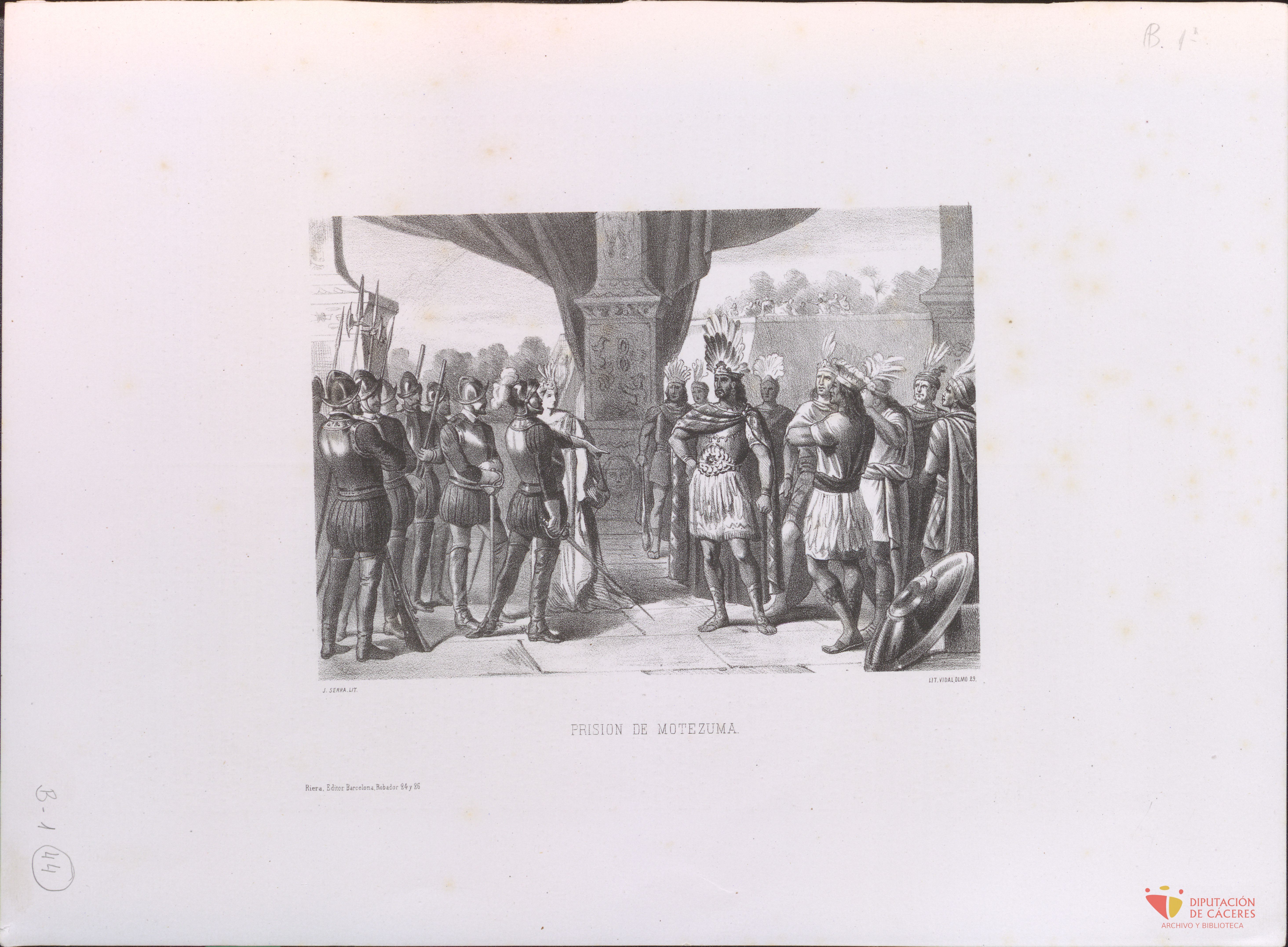
Prisión del emperador Moctezuma
Rafael del Castillo de la Cuesta · 1880
 Book
Secondary source
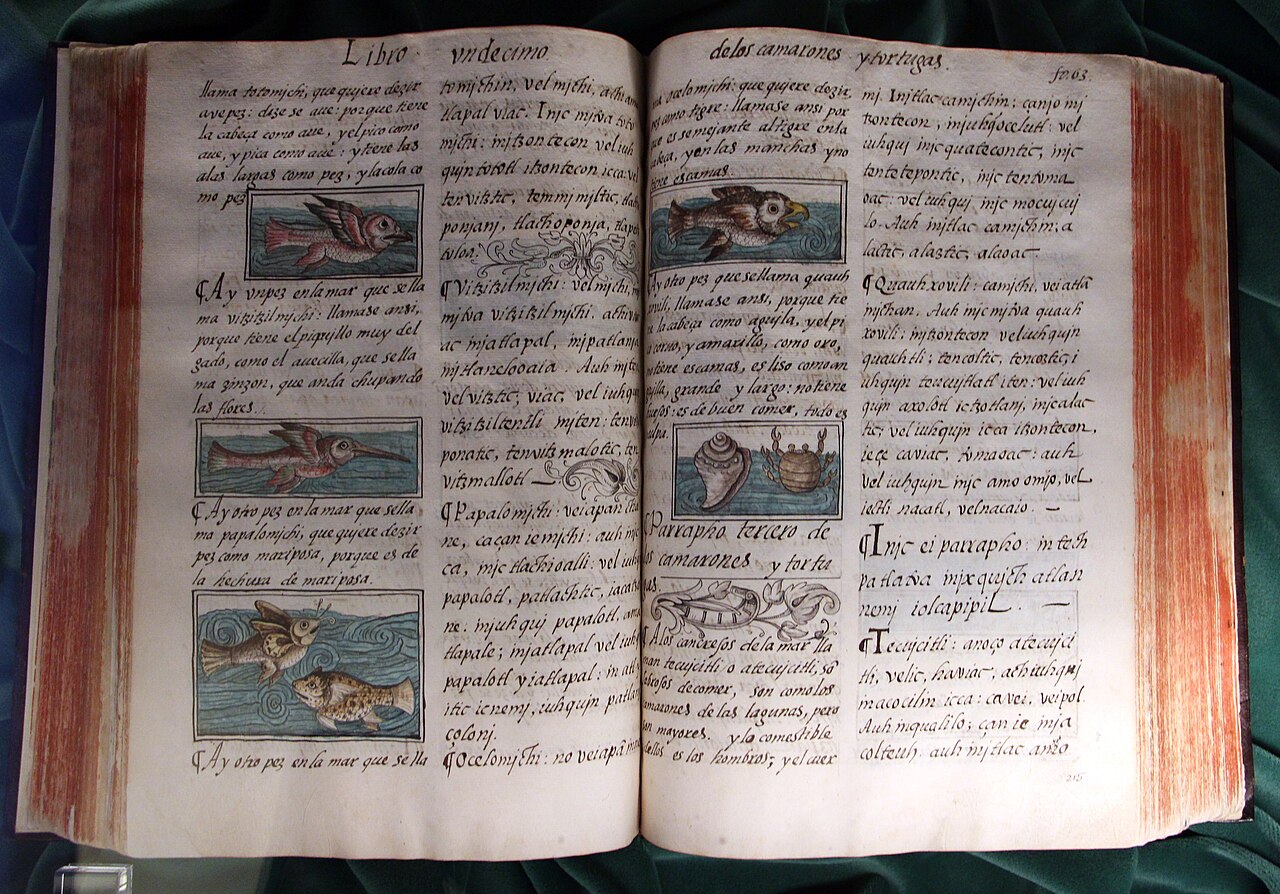
Florentine Codex
Bernardino de Sahagún with Nahua collaborators · 1569
 Painting
Secondary source
Hernán Cortés takes Moctezuma prisoner
Louis Auguste Turgis · 1895
 Letter
Primary source
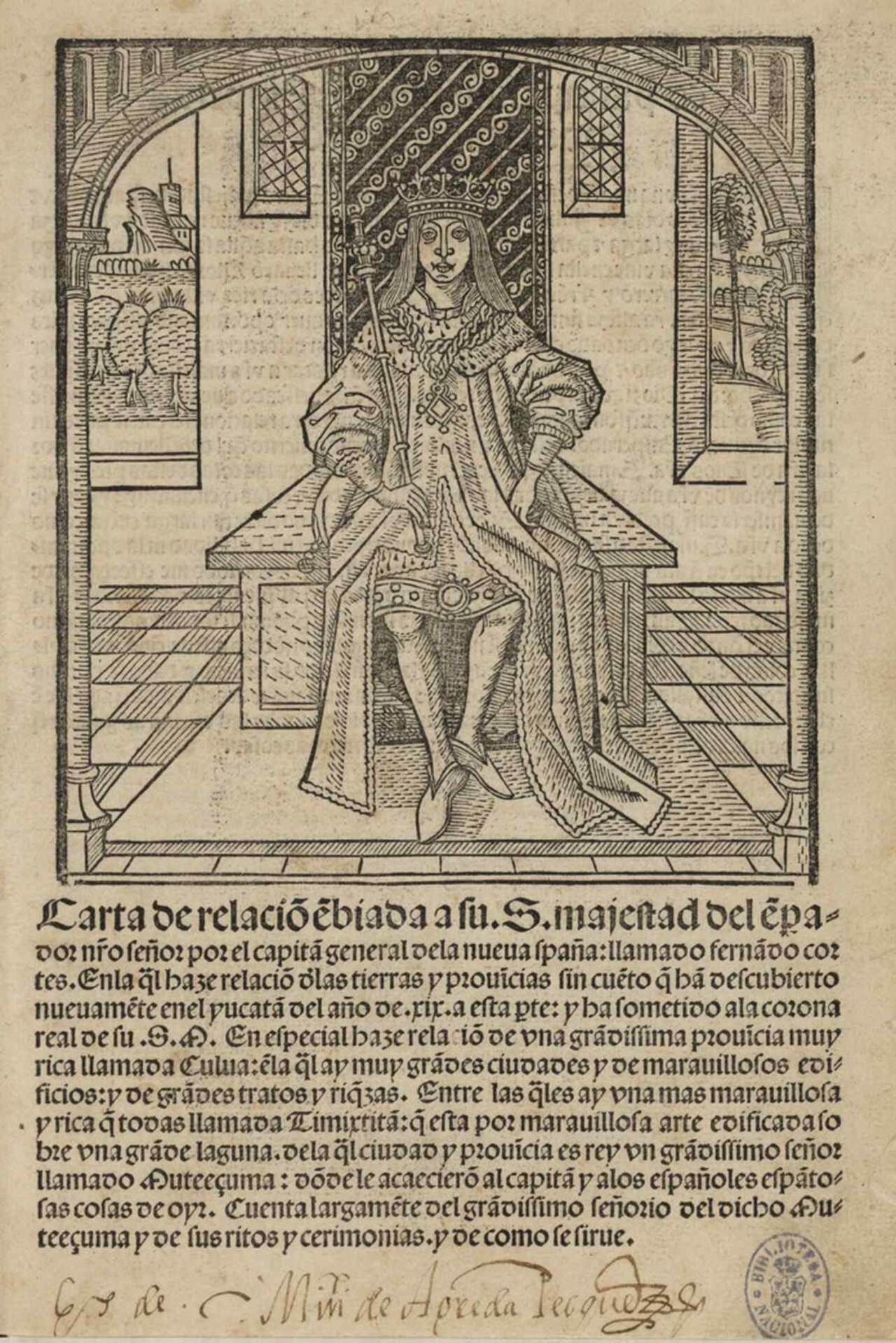
Second Letter to Charles V
Hernán Cortés · 1520 (printed 1522)
Ready when you are
Start chatting with Montezuma II now.
20 messages free · No credit card · Available in 50+ languages.