


Primary sourceArtifactca. 1175
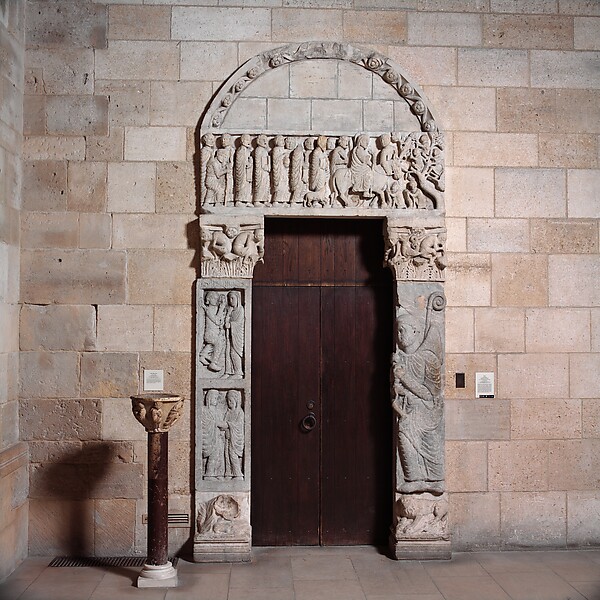
Portal from the Church of San Leonardo al Frigido
Biduinus · ca. 1175
A carved marble church portal made by Biduinus around the time of Fibonacci's youth in the Pisa region.
This Romanesque portal from the Pisa region reflects the cultural world of Fibonacci's youth, though not his mathematics directly.
About this source
What it is
This is a marble portal carved by the sculptor Biduinus around 1175, originally from the Church of San Leonardo al Frigido in the Pisa region of Italy. It is now held by The Metropolitan Museum of Art as part of The Cloisters Collection. The portal features carved figures on its lintel, jambs and corner blocks, framed by a carved arch.
Why it matters
This Romanesque portal comes from the same region and era as Fibonacci's early life near Pisa. It shows the kind of religious art and craftsmanship that shaped the visual and cultural world Fibonacci grew up in, even though it has no direct connection to his mathematical work.
Look closer
- What do the carved figures on the portal suggest about the beliefs and daily concerns of the people who built it?
- Why might a church portal survive while written records from the same period are rarer?
- What skills would a sculptor like Biduinus need to carve stone on this scale?
This artifact is part of the curated material that grounds the AI version of Fibonacci on Humy.ai — when students ask about related events, the AI can quote it and cite it.
More Fibonacci sources
Browse all 24 →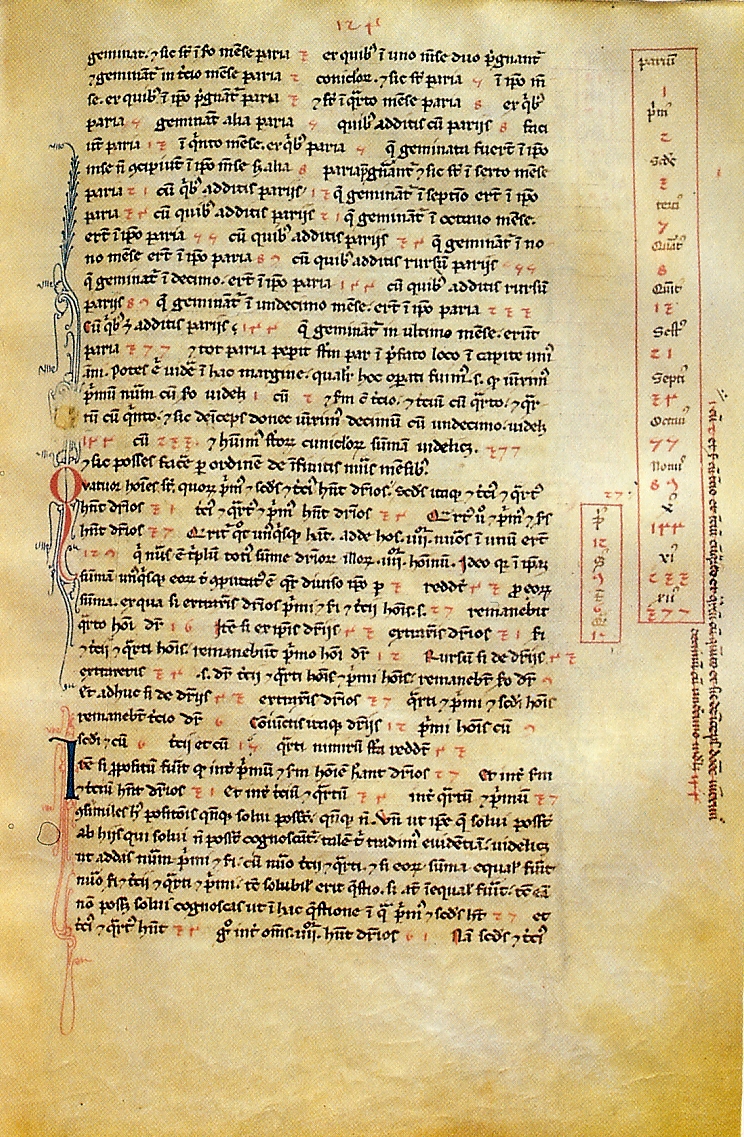 Book
Primary source
Liber Abaci
Fibonacci · 1202
BookSecondary source
Liber abbaci magliab f124r
13th century
 Document
Primary source
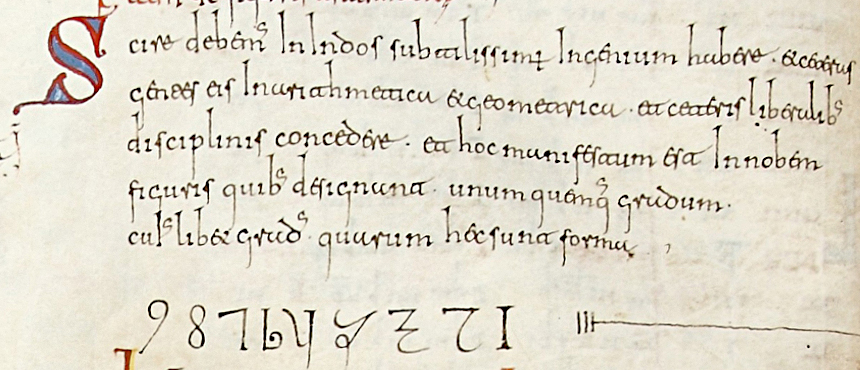
Fibonacci numerals
Fibonacci · 1202
 Sculpture
Secondary source
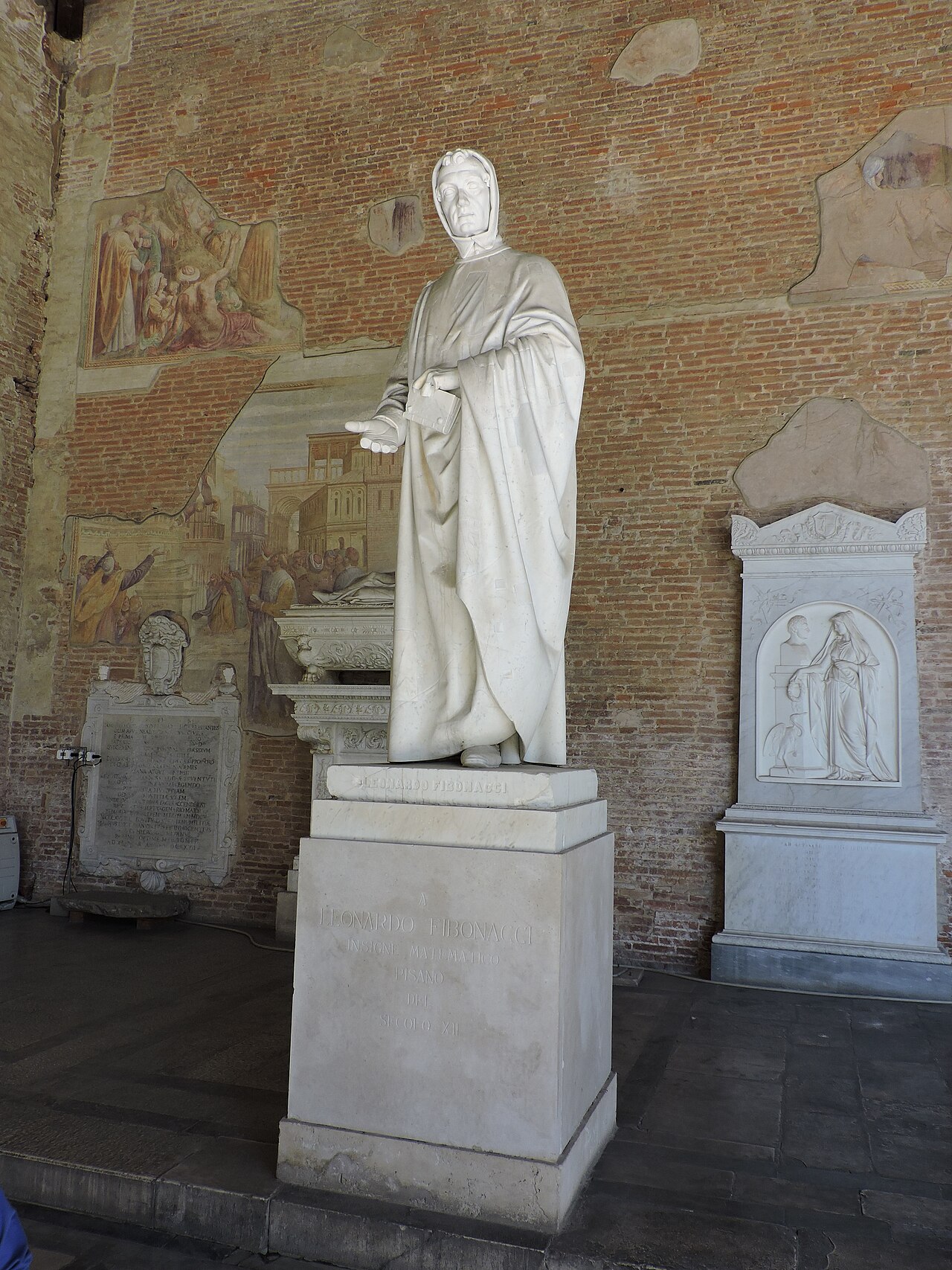
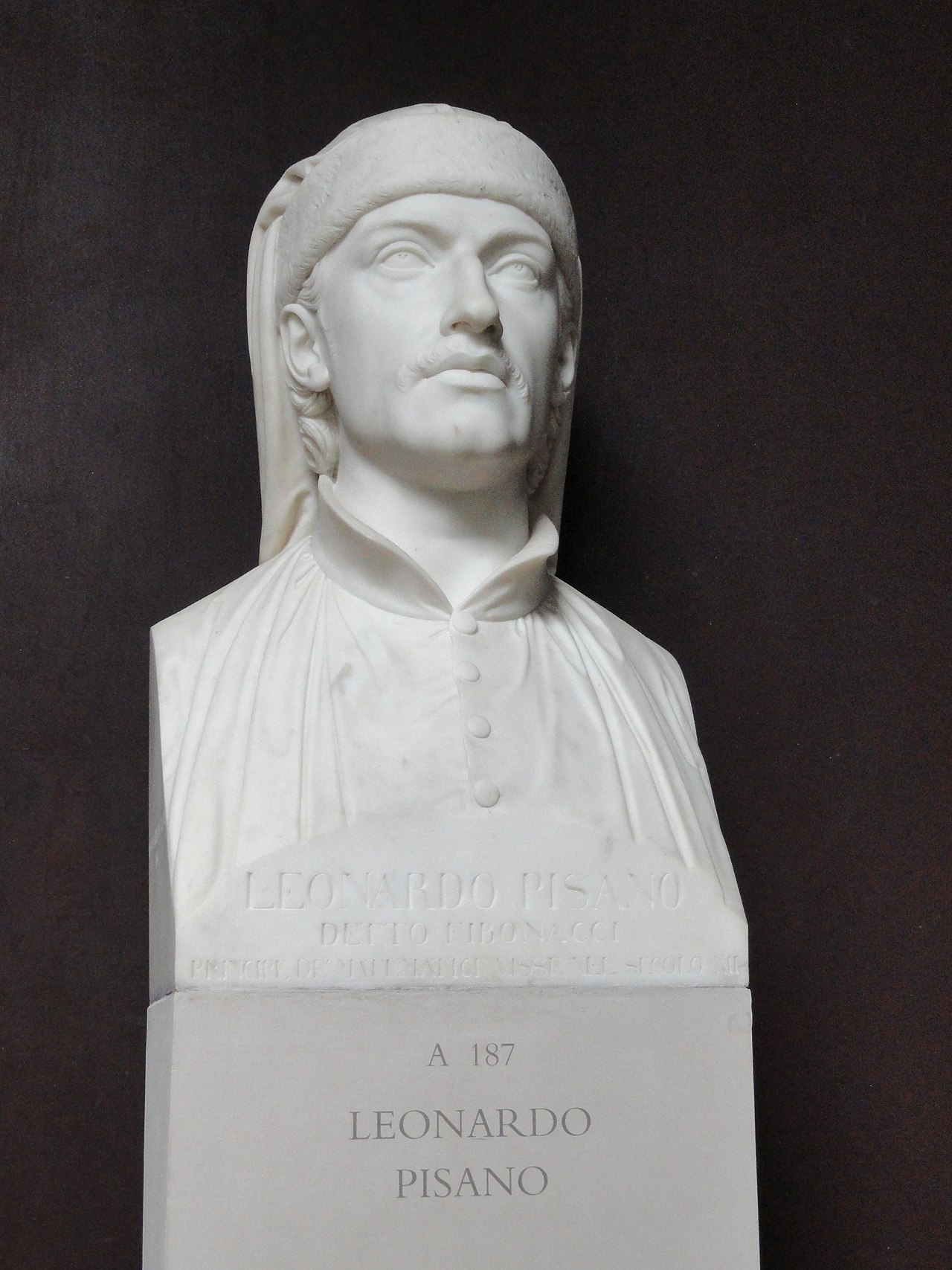
Monument of Leonardo Fibonacci
Giovanni Paganucci · 1863
Free account
Read every Fibonacci source
Sign up free →
Ready when you are
Start chatting with Fibonacci now.
20 messages free · No credit card · Available in 50+ languages.