


Secondary sourceSculptureRoman copy of c. 3rd century BCE original
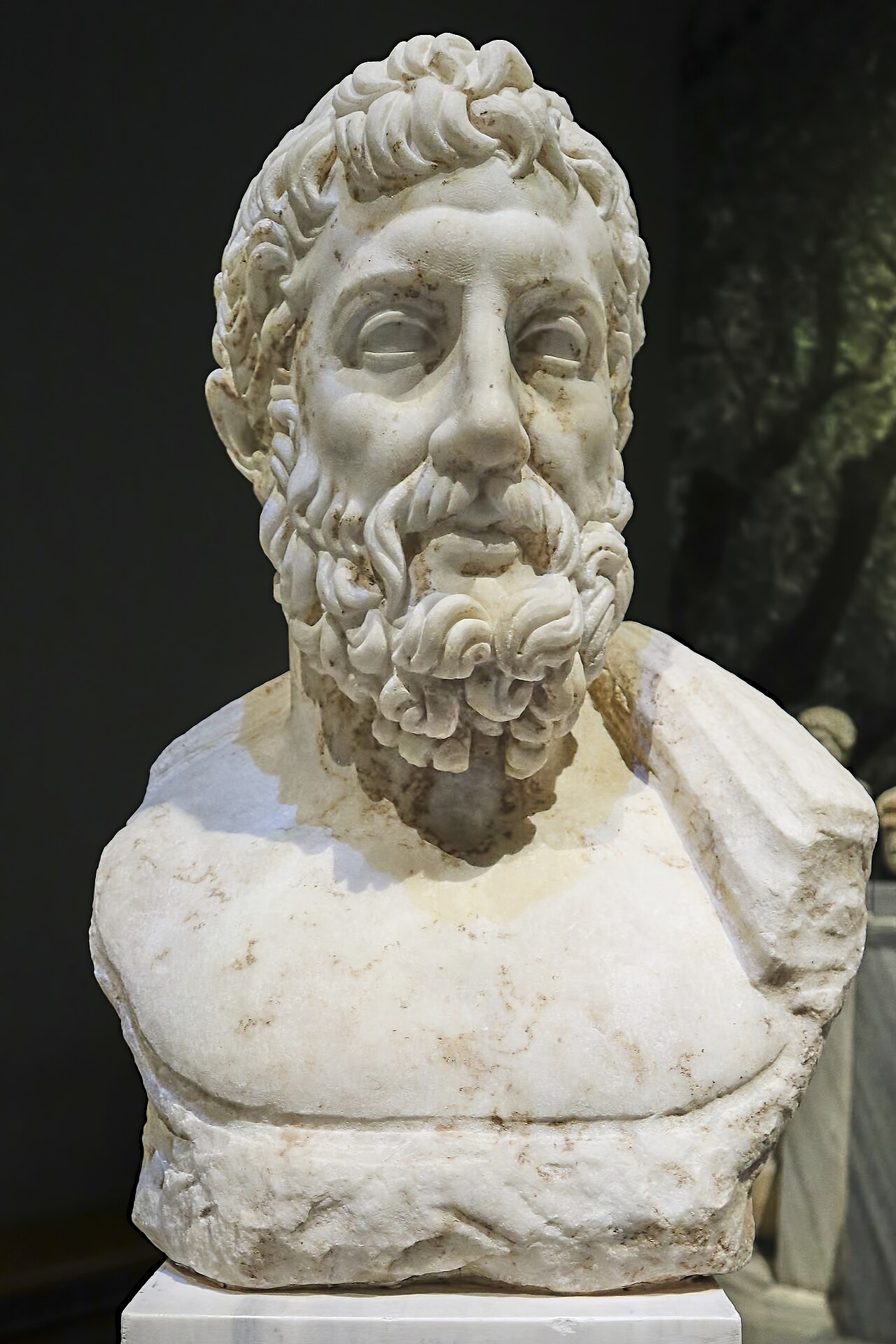
Portrait Bust of Metrodorus of Lampsacus
Unknown (Roman copy of Hellenistic original) · Roman copy of c. 3rd century BCE original
A Roman marble bust of Metrodorus, Epicurus's closest disciple, made to stand alongside portraits of the founder himself.
This bust honours Epicurus's closest disciple, showing how the founder's school commemorated its own leaders.
Free Humy account · No credit card · 120,912 sources to read
About this source
What it is
A marble portrait bust of Metrodorus of Lampsacus, a leading disciple of Epicurus, copied in the Roman period from a Hellenistic original of the 3rd century BCE. Versions are held in museums including the Louvre and Capitoline Museums.
Why it matters
Metrodorus was one of the four major figures of the Epicurean school and a close friend of Epicurus, though only fragments of his own writings survive. Busts like this one were made to be displayed alongside portraits of Epicurus himself, showing how the school honoured its leading teachers as a kind of philosophical cult with recognizable, reproduced images.
Look closer
- Why might followers of Epicurus have wanted portrait busts of his disciples alongside his own?
- What does the existence of multiple copies of the same bust suggest about how popular or important Metrodorus was considered?
- What can a sculpted face tell us, and what can it never tell us, about a person's actual ideas?
This sculpture is part of the curated material that grounds the AI version of Epicurus on Humy.ai — when students ask about related events, the AI can quote it and cite it.
More Epicurus sources
Browse all 84 →Primary source
Letter to Menoeceus
Epicurus · 4th-3rd century BCE
Primary source
Letter to Herodotus
Epicurus · 4th-3rd century BCE
Secondary source
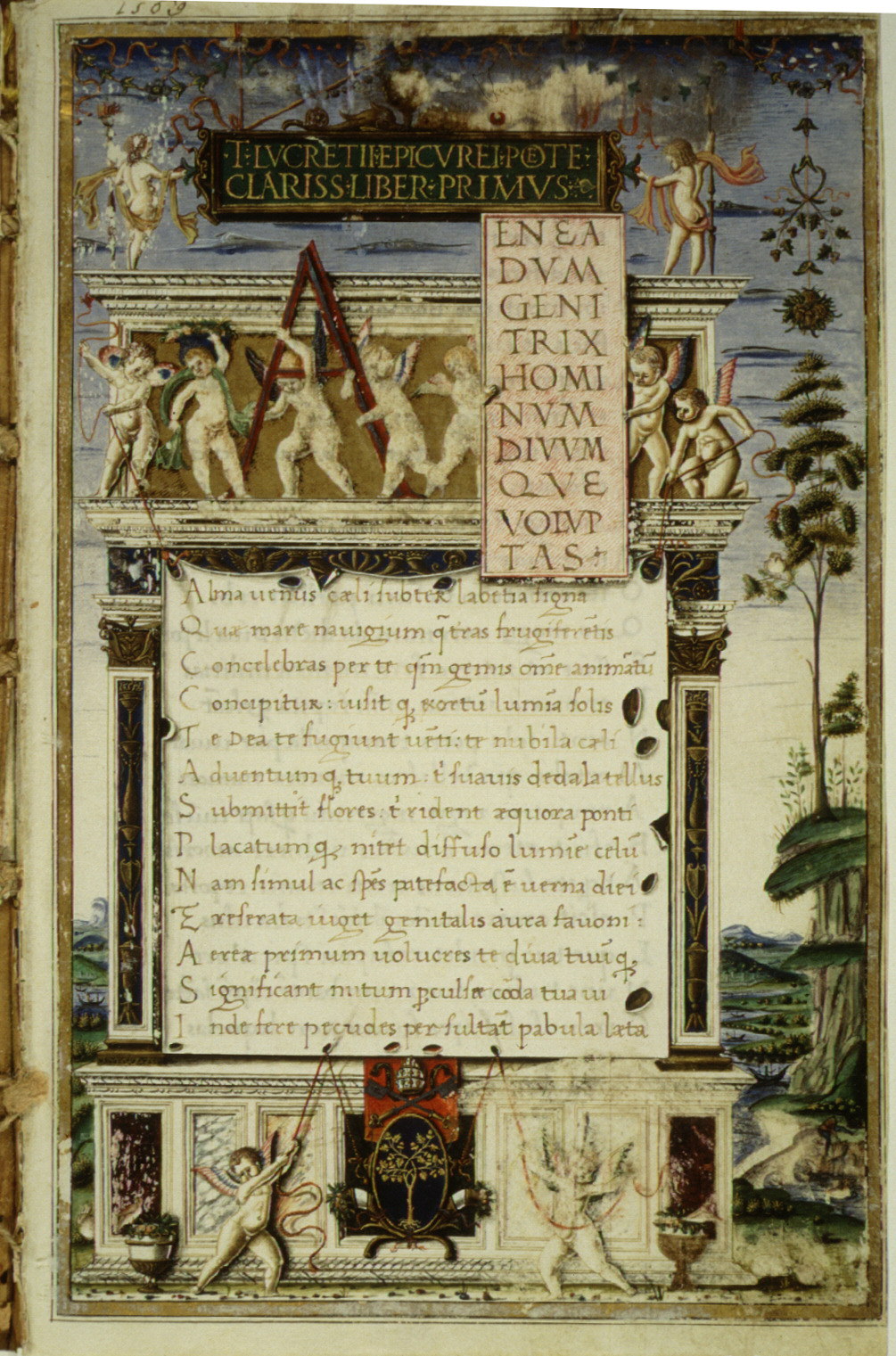
Lives of the Eminent Philosophers, Book X
Diogenes Laërtius · 3rd century CE
 Book
Secondary source
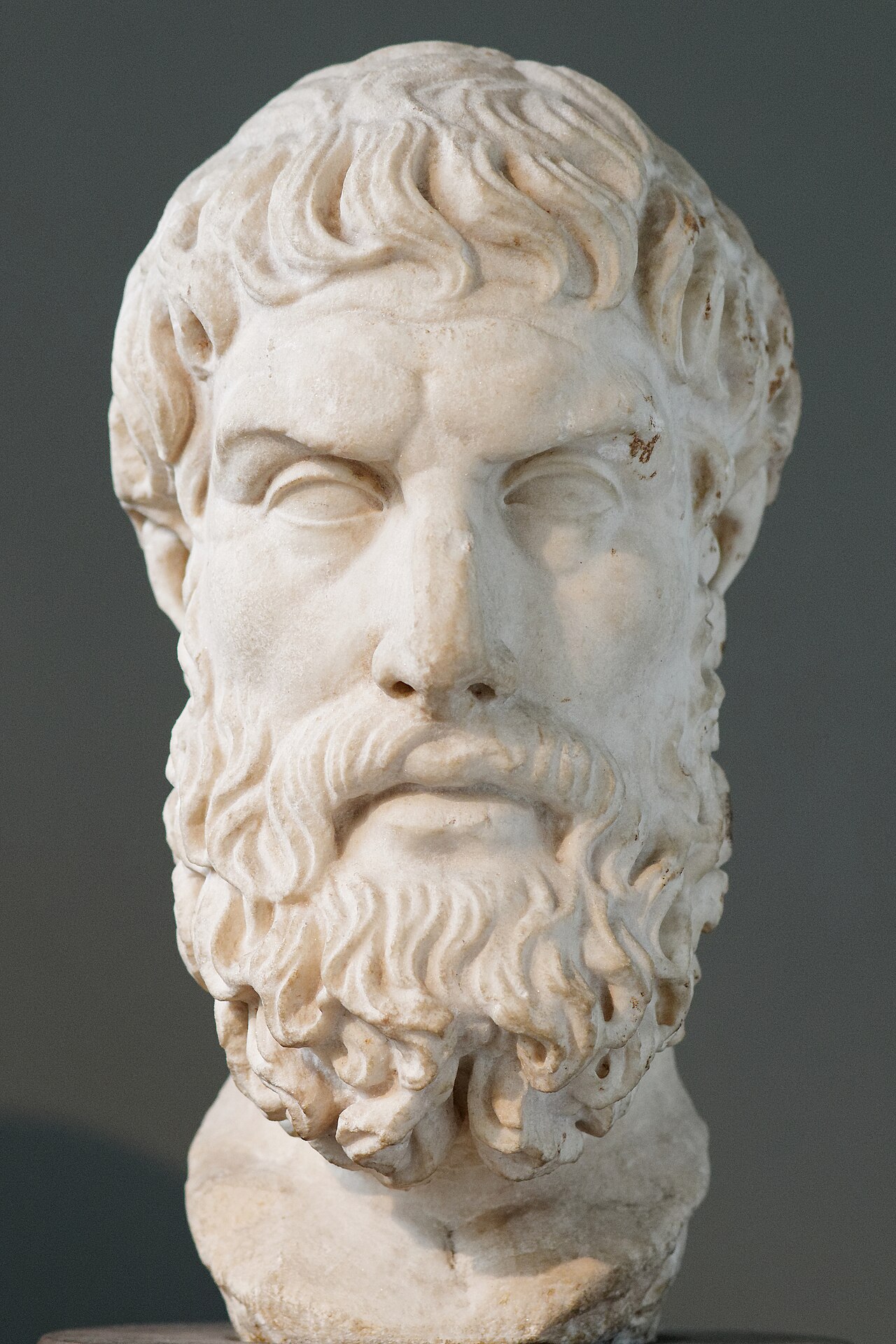
De rerum natura
Lucretius · c. 100 BC
Free account
Read every Epicurus source
Sign up free →
Ready when you are
Start chatting with Epicurus now.
20 messages free · No credit card · Available in 50+ languages.