


Secondary sourcePaintingc. 1638
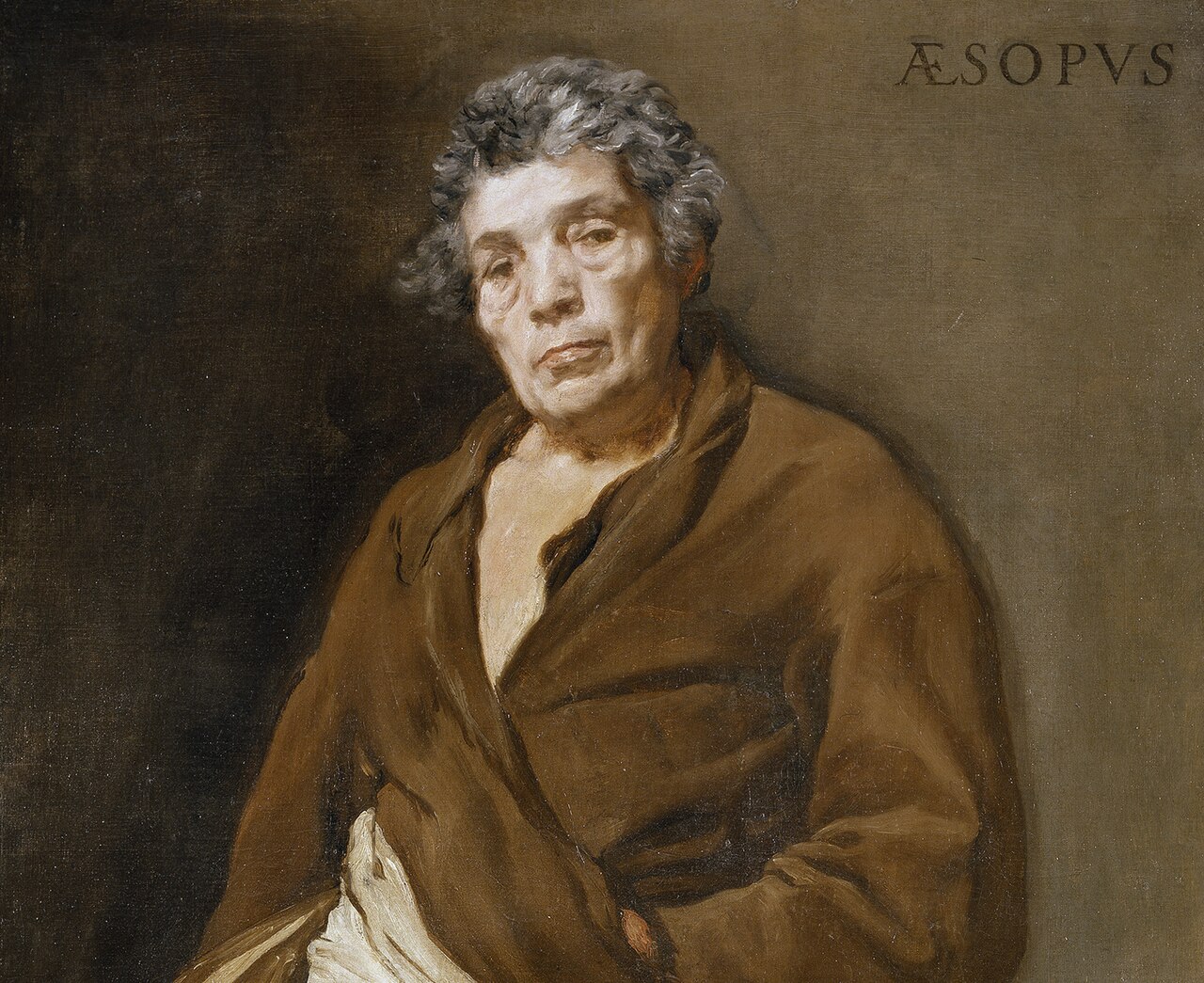
Portrait of Aesop
Diego Velázquez · c. 1638
A painting by Diego Velázquez showing Aesop, made centuries after his lifetime.
An imagined portrait of Aesop painted centuries after his death, showing how later artists pictured him.
About this source
What it is
This is an oil painting by the Spanish painter Diego Velázquez, made around 1638. It shows an older man with curly gray hair and a weathered face, wearing a loose brown garment, with the word 'ÆSOPVS' inscribed at the upper right identifying him as Aesop.
Why it matters
Velázquez painted this portrait many centuries after Aesop's lifetime, so it is not a record of his actual appearance but an imagined image created by one of the great painters of the Spanish Golden Age. It reflects how later generations pictured the famous storyteller.
Look closer
- Since Velázquez lived over two thousand years after Aesop, where might his idea of Aesop's appearance have come from?
- What does the plain clothing and weathered face suggest the painter wanted viewers to think about Aesop?
- Why do you think the painter labelled the portrait with Aesop's name?
This painting is part of the curated material that grounds the AI version of Aesop on Humy.ai — when students ask about related events, the AI can quote it and cite it.
More Aesop sources
Browse all 85 →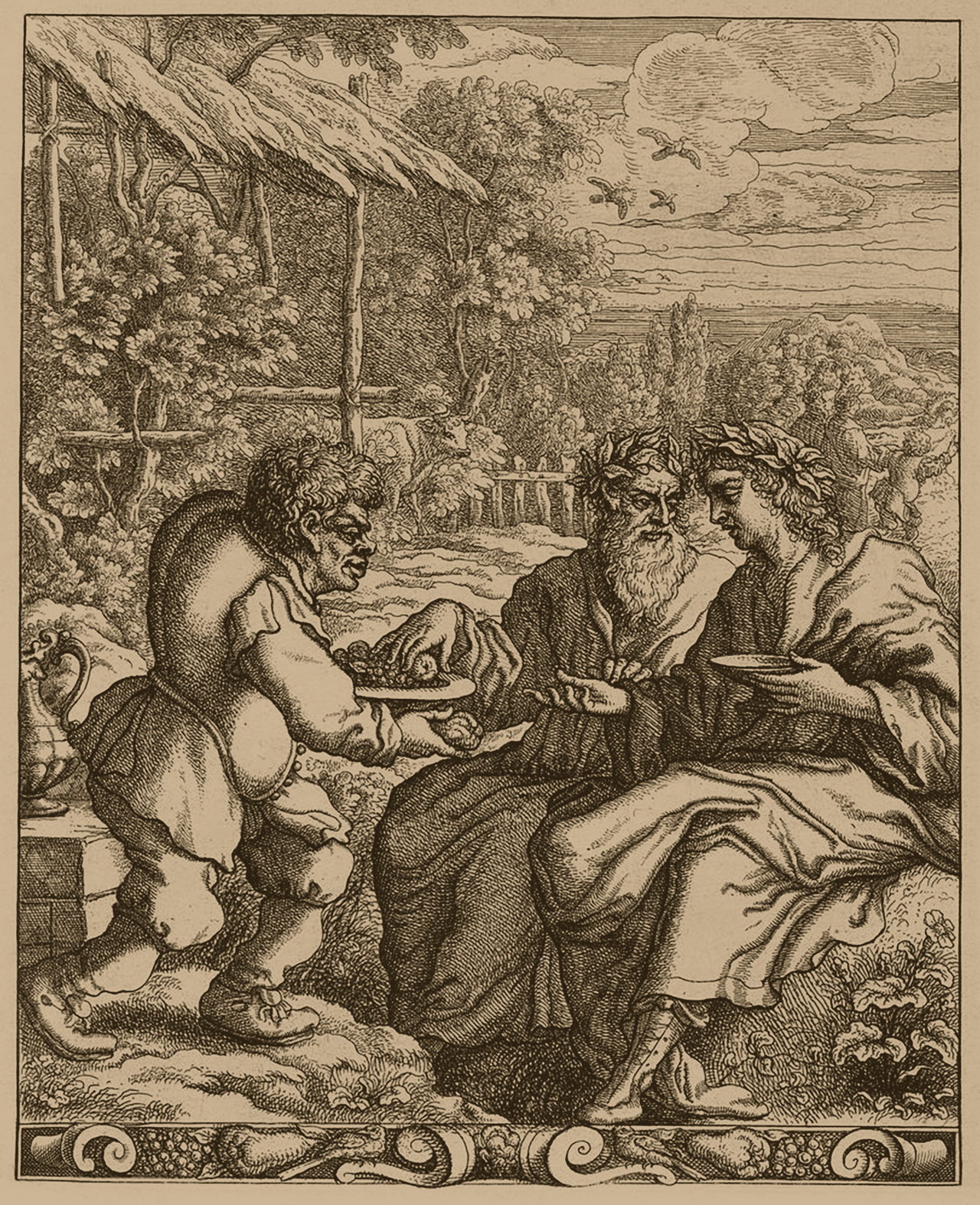 Book
Secondary source
Aesop's Fables
Aesop (attributed) · compiled from the 3rd century BCE onward
 Artifact
Secondary source
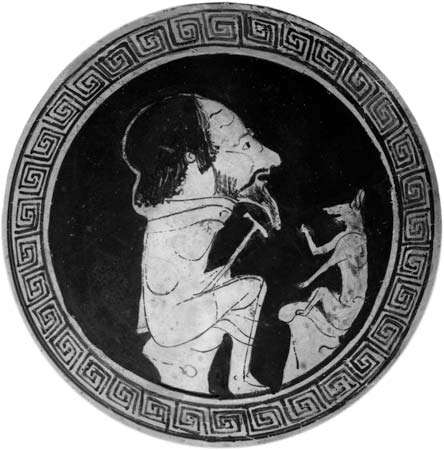
Aesop and the Fox (Red-Figure Kylix)
Unknown Greek artist · c. 450 BCE
 Book
Secondary source
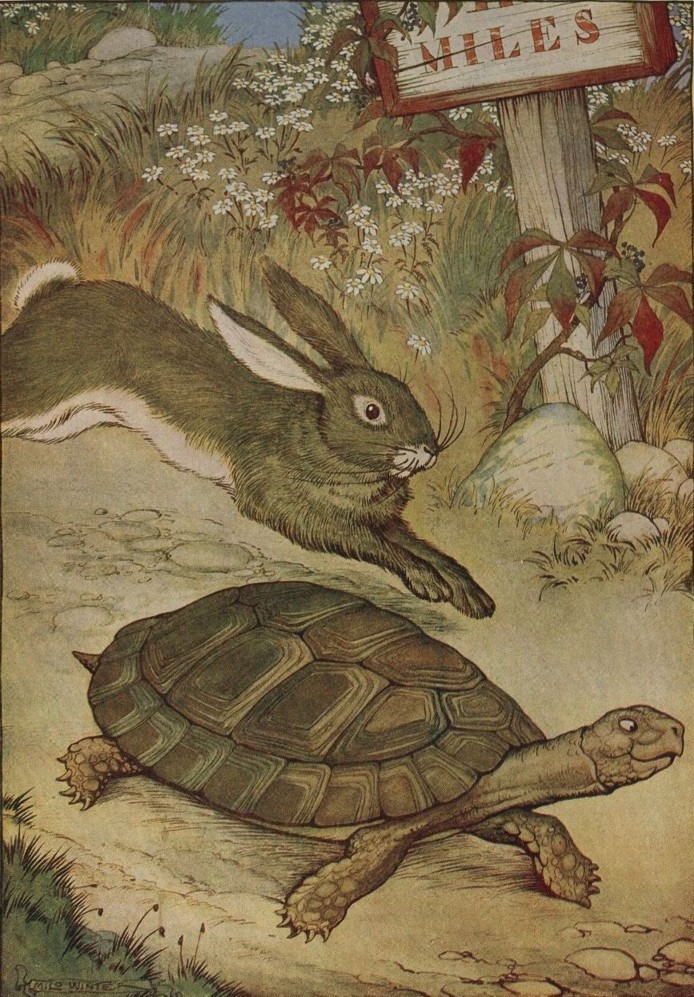
The Tortoise and the Hare
Aesop (attributed) · ancient Greek origin, no early Latin version; printed from 16th century
 Book
Secondary source
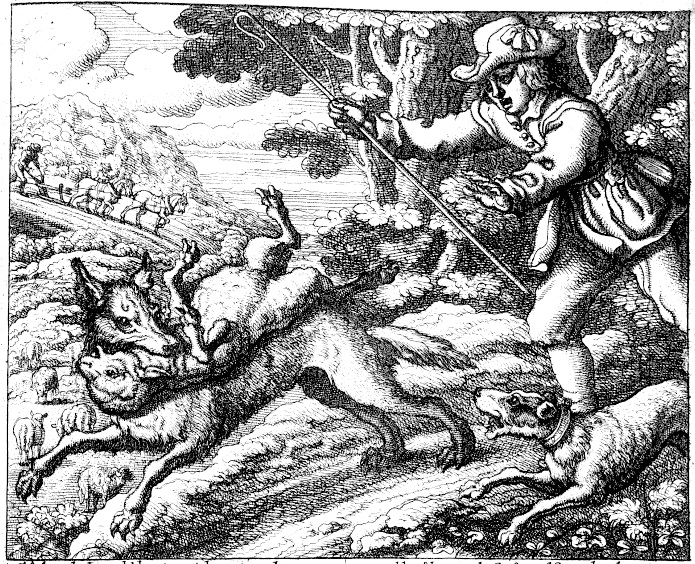
The Boy Who Cried Wolf
Aesop (attributed) · ancient Greek origin; translated into Latin in the 15th century
Free account
Read every Aesop source
Sign up free →
Ready when you are
Start chatting with Aesop now.
20 messages free · No credit card · Available in 50+ languages.