


Secondary sourcePaintingca. 1658
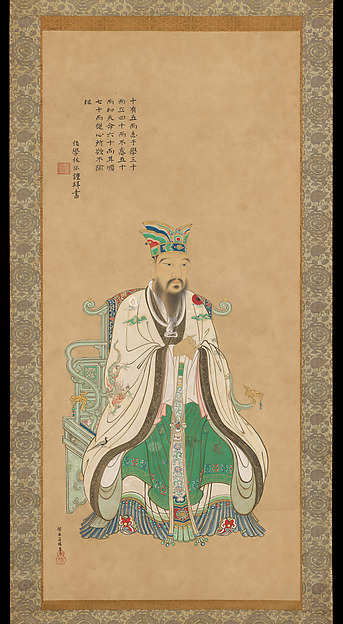
Portrait of Confucius by Kano Tan'yū
Kano Tan'yū · ca. 1658
A Japanese hanging scroll portrait of Confucius painted around 1658, long after his lifetime, now at the Metropolitan Museum of Art.
A Japanese imagined portrait showing how Confucius's image and teachings spread far beyond China, long after his death.
About this source
What it is
This hanging scroll painting of Confucius was made around 1658 by the Japanese artist Kano Tan'yū during the Edo period. It is painted in ink, color, and gold on paper and is held today at the Metropolitan Museum of Art.
Why it matters
Confucius died more than two thousand years before this painting was made, so it reflects how later generations - here in Edo-period Japan - imagined and honored him as a model teacher, rather than recording his true appearance. It shows how far Confucius's influence spread beyond China, into Japanese art and culture.
Look closer
- What does the elaborate clothing and formal seated pose suggest about how the artist wanted Confucius to be seen?
- Why might a Japanese artist in the 1600s choose to paint a Chinese philosopher who lived so long before?
- What might the inscription and seal at the upper left tell us about who made this painting and for whom?
This painting is part of the curated material that grounds the AI version of Confucius on Humy.ai — when students ask about related events, the AI can quote it and cite it.
More Confucius sources
Meet the AI Confucius →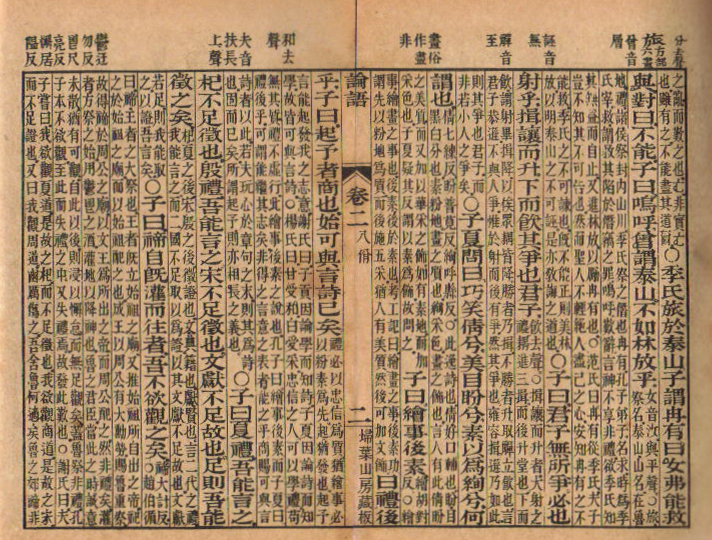 Book
Secondary source
Analects
c. 480 BCE – 2nd century BCE
 Book
Secondary source
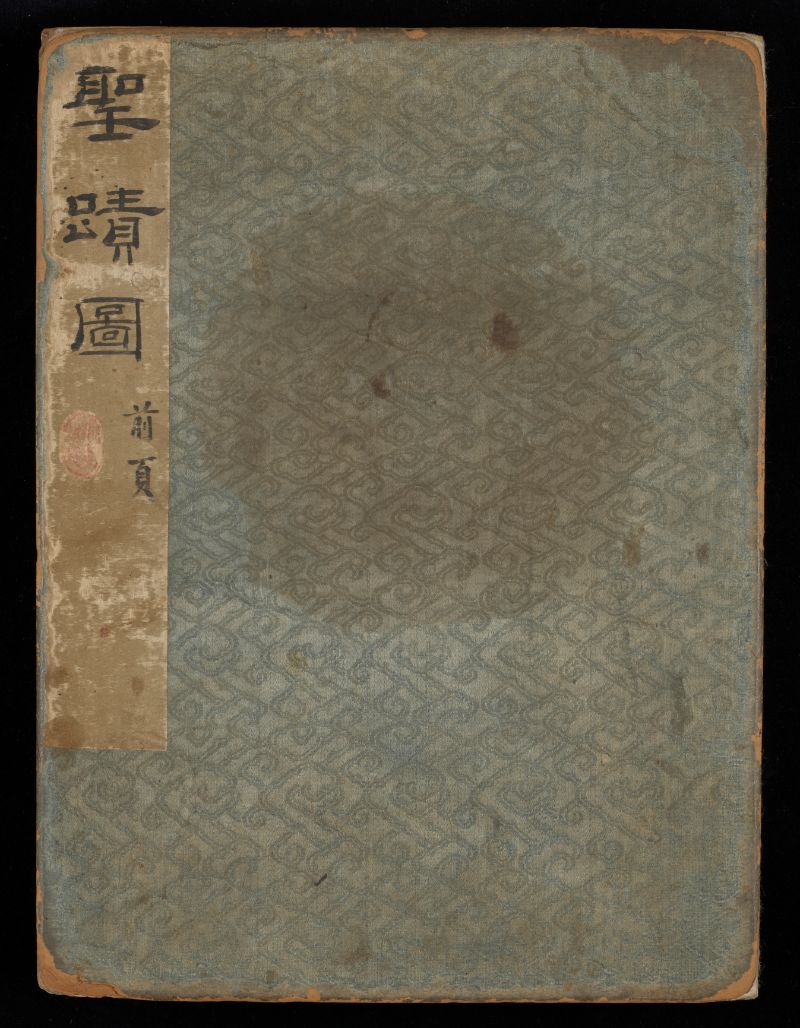
Pictures of the Sage's Traces
Unknown · 1758
Secondary source
Records of the Grand Historian, Vol. 47: Hereditary House of Confucius
Sima Qian · c. 94 BCE
 Photograph
Primary source
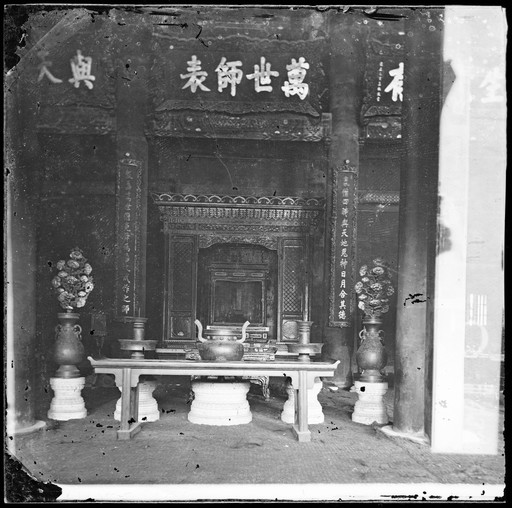
Temple of Confucius, Peking (Interior)
John Thomson · 1871
 Document
Secondary source
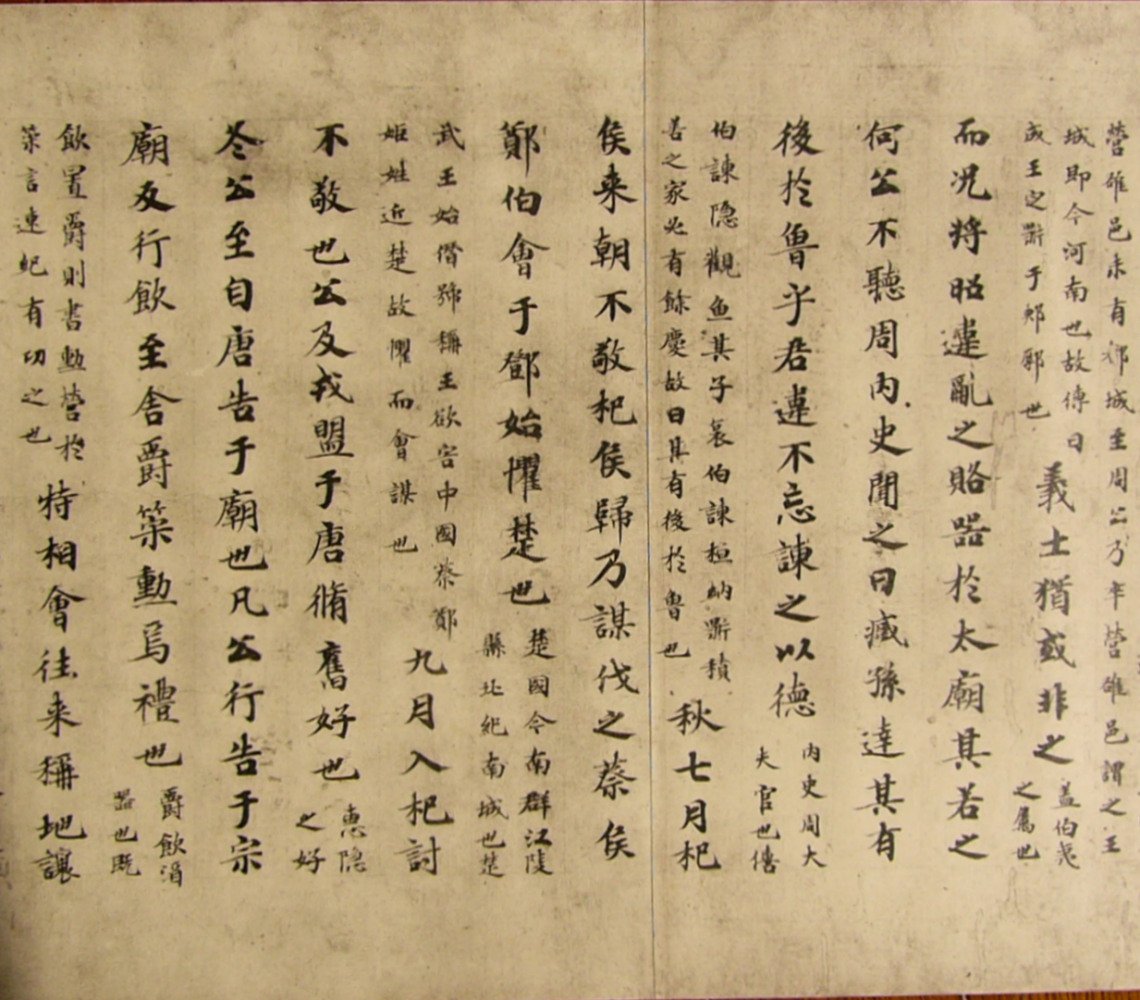
Spring and Autumn Annals
Confucius · 5th century BCE
Ready when you are
Start chatting with Confucius now.
20 messages free · No credit card · Available in 50+ languages.