


Secondary sourcePaintingWestern Han dynasty
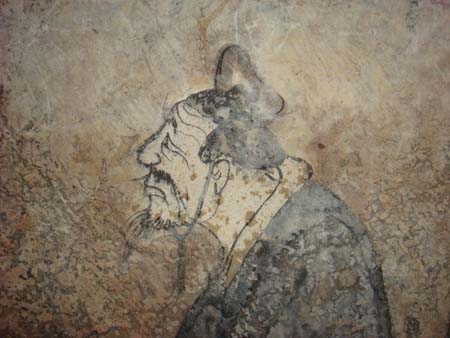
Portrait of Confucius
Western Han dynasty
A faded fresco from a Western Han tomb in Shandong, among the earliest surviving painted images of Confucius.
This Han-era tomb fresco is among the earliest surviving painted depictions of Confucius, made centuries after his death.
About this source
What it is
This fresco was painted inside a tomb of the Western Han dynasty, discovered in Dongping County, Shandong province. It shows an elderly bearded man in a tall cap and dark robe, identified as Confucius, alongside other scenes of daily life and historical stories painted in the same tomb.
Why it matters
Made roughly 400-500 years after Confucius lived, this is one of the earliest known images of him, showing how he was already honored and pictured in funerary art not long after his teachings had become widely known. It reflects the growing importance of Confucius in Han dynasty culture.
Look closer
- What does it tell us that Confucius was painted inside a tomb, alongside scenes of feasting and dancing?
- Since no image of Confucius from his own lifetime survives, how reliable do you think this portrait is as a likeness?
- What choices did the painter make in showing Confucius as old, bearded, and formally dressed?
This painting is part of the curated material that grounds the AI version of Confucius on Humy.ai — when students ask about related events, the AI can quote it and cite it.
More Confucius sources
Meet the AI Confucius →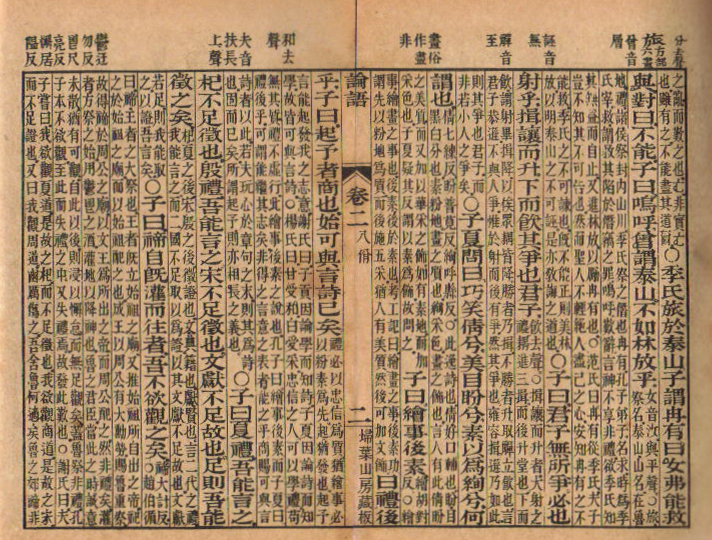 Book
Secondary source
Analects
c. 480 BCE – 2nd century BCE
 Book
Secondary source
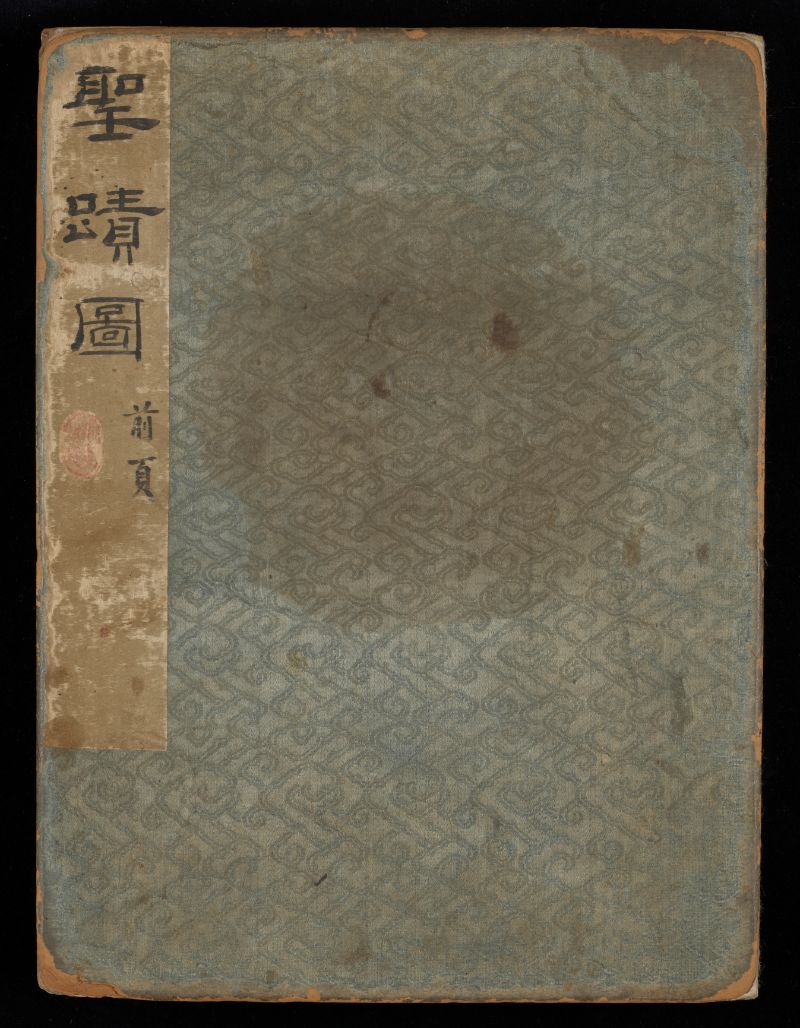
Pictures of the Sage's Traces
Unknown · 1758
Secondary source
Records of the Grand Historian, Vol. 47: Hereditary House of Confucius
Sima Qian · c. 94 BCE
 Photograph
Primary source
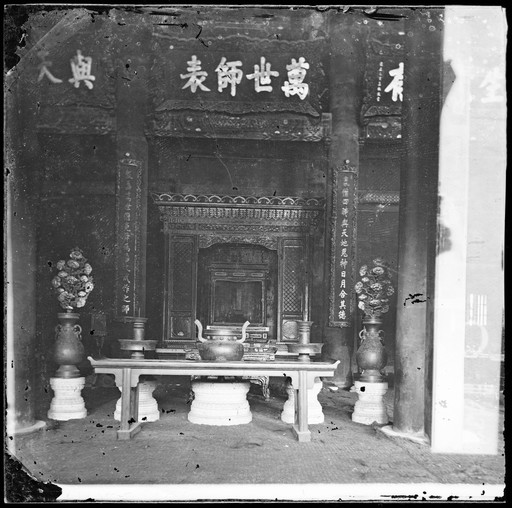
Temple of Confucius, Peking (Interior)
John Thomson · 1871
 Document
Secondary source
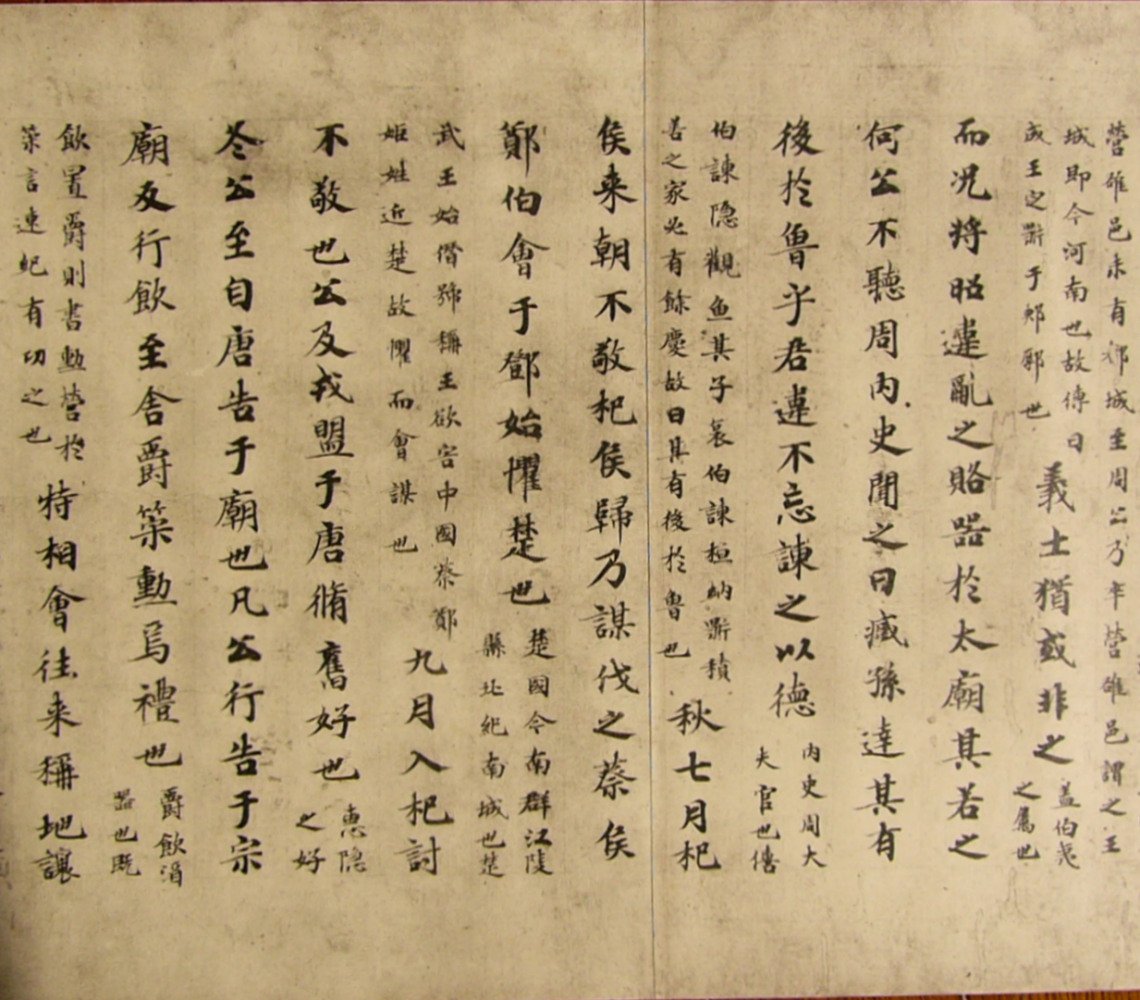
Spring and Autumn Annals
Confucius · 5th century BCE
Ready when you are
Start chatting with Confucius now.
20 messages free · No credit card · Available in 50+ languages.