


Secondary sourcePaintingc. 1700
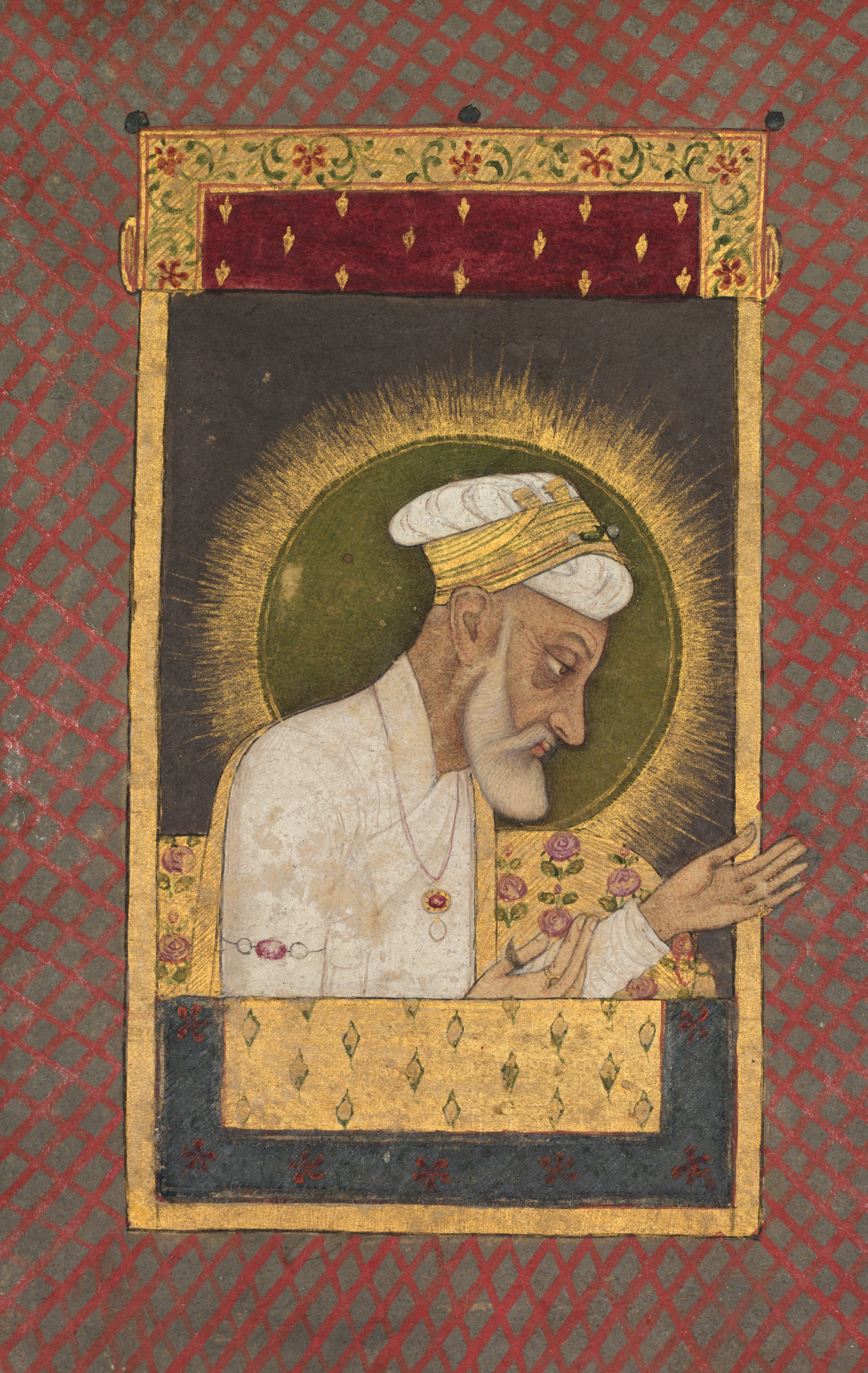
Portrait of Emperor Alamgir at a Jharokha Window
c. 1700
A small Mughal painting of the elderly Aurangzeb shown at a palace window where emperors appeared before their subjects, likely a gift to a loyal courtier.
This portrait depicts Aurangzeb himself at the jharokha window, a ritual central to his public image as emperor.
About this source
What it is
This small painting, made around 1700 during Aurangzeb's reign, shows the emperor appearing at a jharokha window, the balcony where Mughal rulers showed themselves to the public. He is shown aged, with a halo suggesting divine favor, and a carpet draped over the railing marks the setting. It is held by the Cleveland Museum of Art.
Why it matters
The jharokha ceremony was a key ritual of Mughal kingship, letting ordinary people see their emperor daily. Paintings like this, meant as gifts from the emperor to loyal supporters, show how images were used to spread royal favor and reinforce the idea of divinely sanctioned rule.
Look closer
- What does the halo around the emperor's head suggest about how he wanted to be seen?
- Why might this small, personal image have been given as a gift rather than displayed publicly?
- What does the gesture of his raised hand suggest about his role toward the viewer?
This painting is part of the curated material that grounds the AI version of Aurangzeb on Humy.ai — when students ask about related events, the AI can quote it and cite it.
More Aurangzeb sources
Meet the AI Aurangzeb →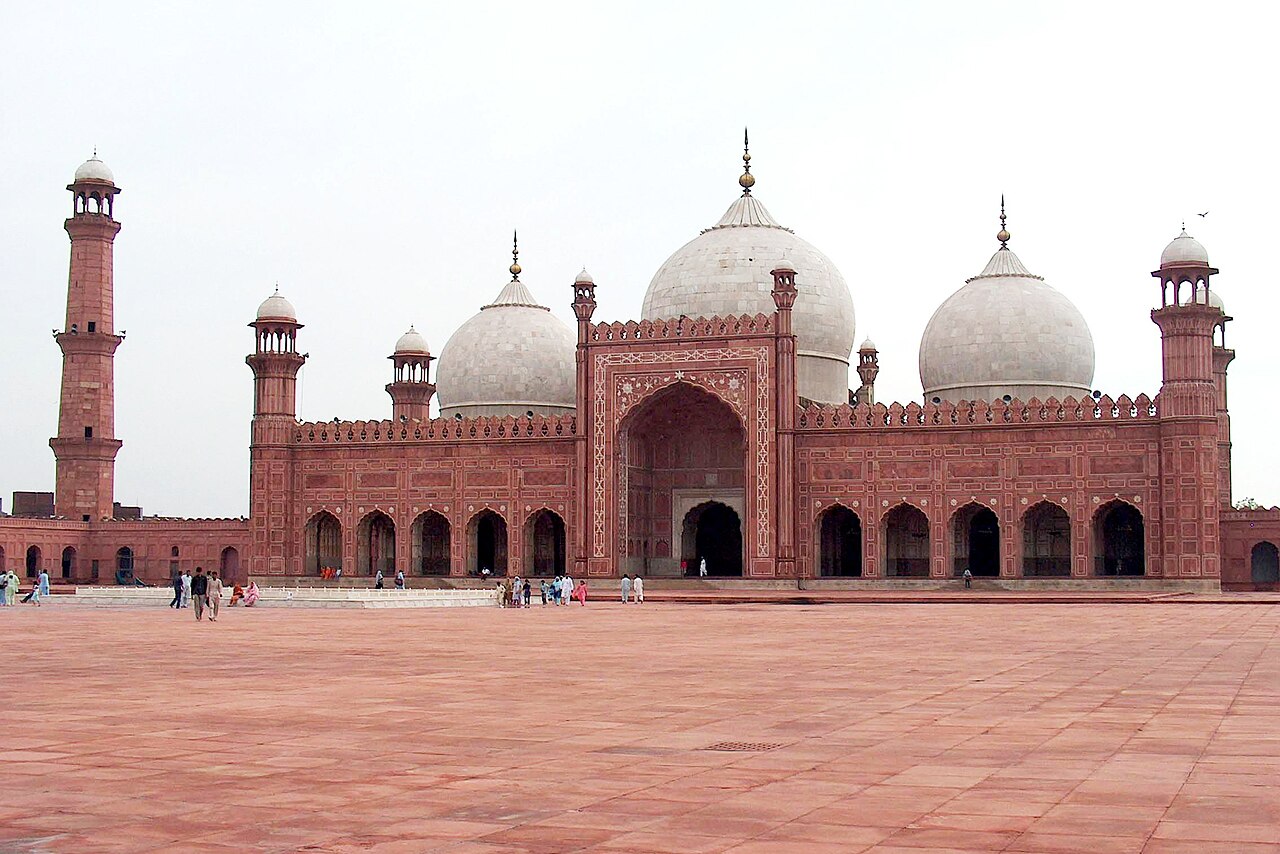 Artifact
Primary source
Badshahi Mosque
1671–1673
 Document
Primary source
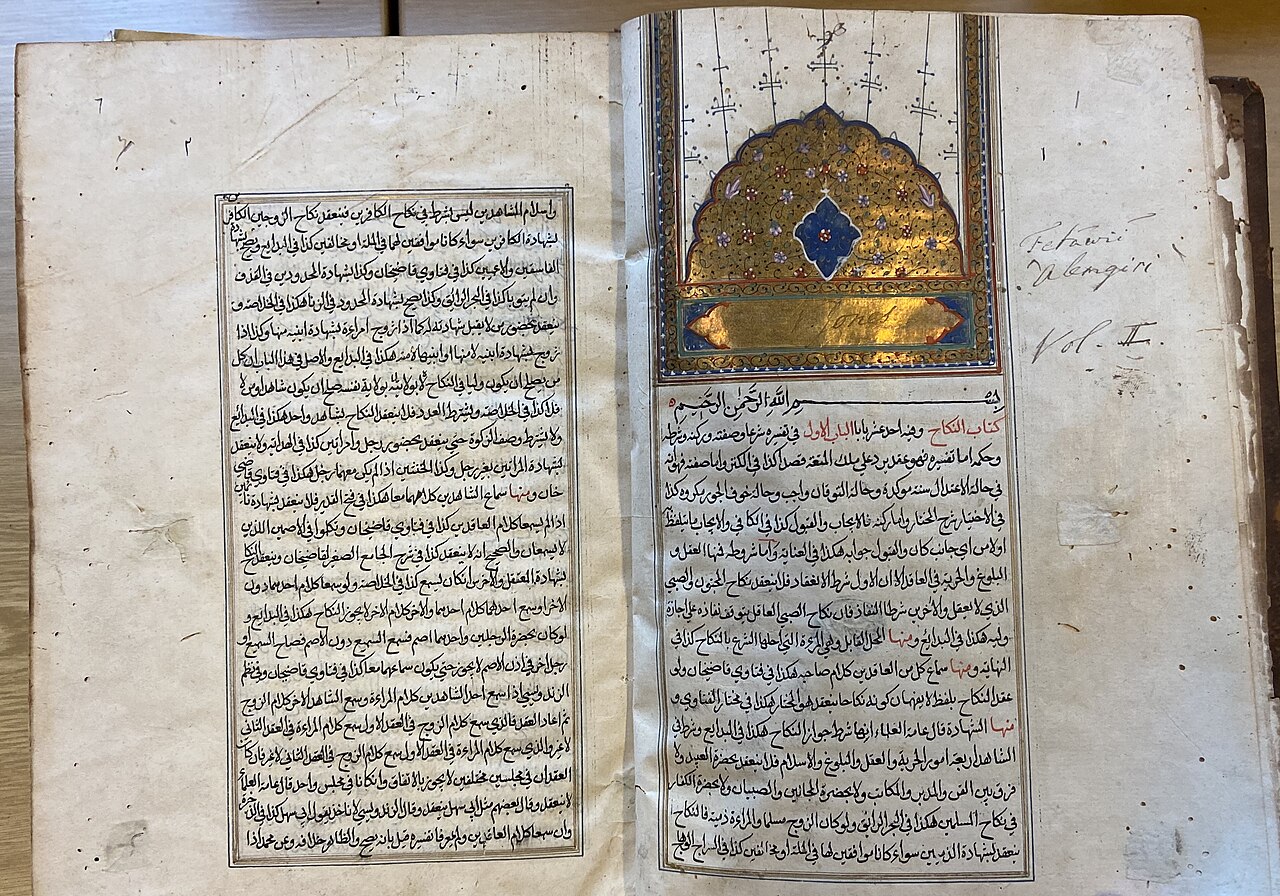
Fatawa-i Alamgiri Manuscript
17th century (this copy later recopied)
 Book
Secondary source
Maasir-i-Alamgiri
Saqi Musta'id Khan · c. 1710 (this copy 1763-1764)
Primary source
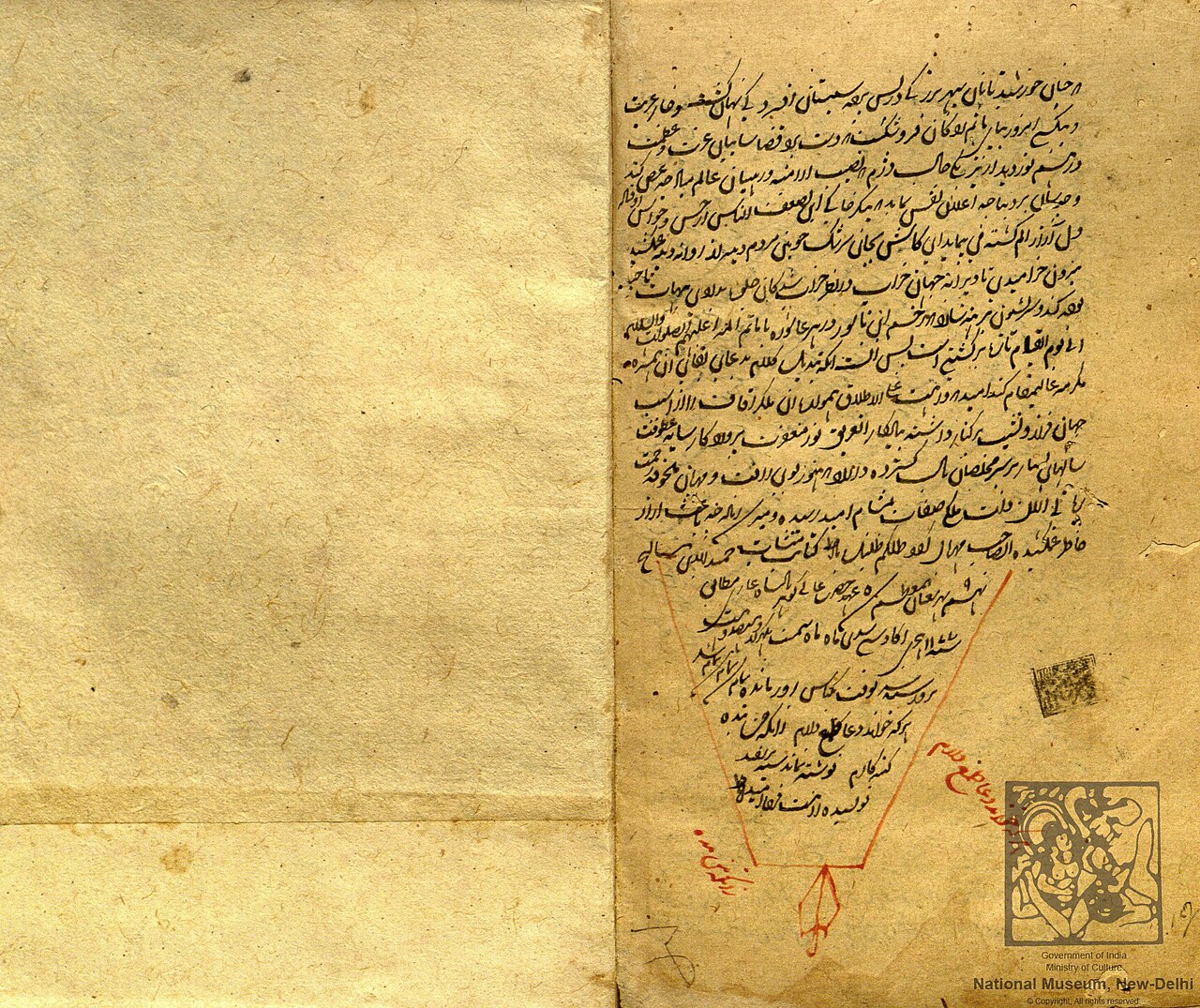
Ruka'at-i-Alamgiri
Aurangzeb · 17th century
 Letter
Primary source
Zafarnamah
Guru Gobind Singh · 1705
Ready when you are
Start chatting with Aurangzeb now.
20 messages free · No credit card · Available in 50+ languages.