


Secondary sourcePainting1896
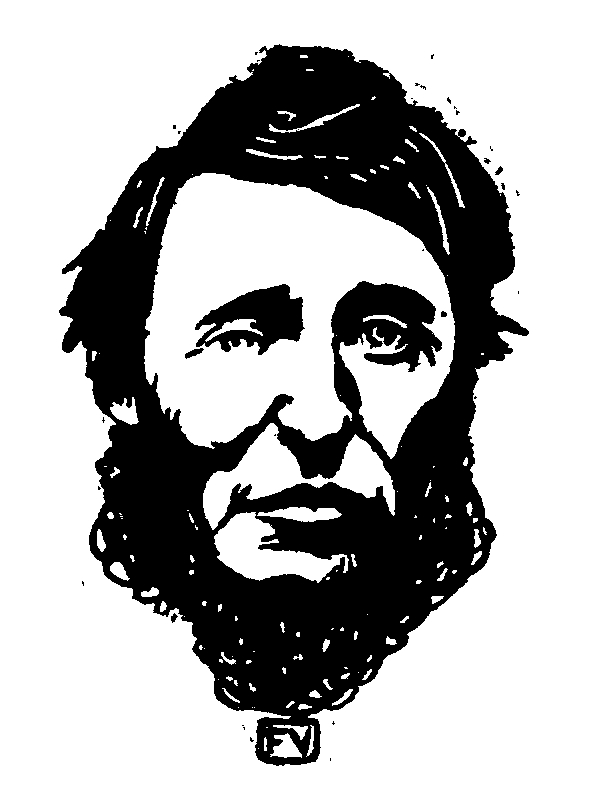
Portrait of Henry David Thoreau
Félix Vallotton · 1896
A later portrait of Thoreau by Félix Vallotton, made in 1896, decades after Thoreau's death. It shows how he was imagined by later artists.
Vallotton's 1896 portrait shows Thoreau as a later generation imagined him, making it a useful image of his reputation rather than of his own appearance.
About this source
What it is
This is a portrait of Henry David Thoreau painted by Félix Vallotton in 1896. It is a black-and-white image of a bearded man with dark, shoulder-length hair, looking upward, with the initials FV in a small box at the bottom. The portrait was made decades after Thoreau died in 1862.
Why it matters
The artist did not know Thoreau in person, so the image reflects how Thoreau was imagined in the late nineteenth century. Portraits like this helped shape the public picture of a writer whose works, such as Walden, were read widely after his death. Comparing it with earlier likenesses shows how images of a famous person can change over time.
Look closer
- What details of the face, hair and pose does the artist emphasise, and why might he choose them?
- How does the upward gaze affect the way the viewer feels about the man?
- Since the artist never met Thoreau, what does the portrait leave out that a contemporary likeness might show?
This painting is part of the curated material that grounds the AI version of Henry David Thoreau on Humy.ai — when students ask about related events, the AI can quote it and cite it.
More Henry David Thoreau sources
Meet the AI Henry David Thoreau →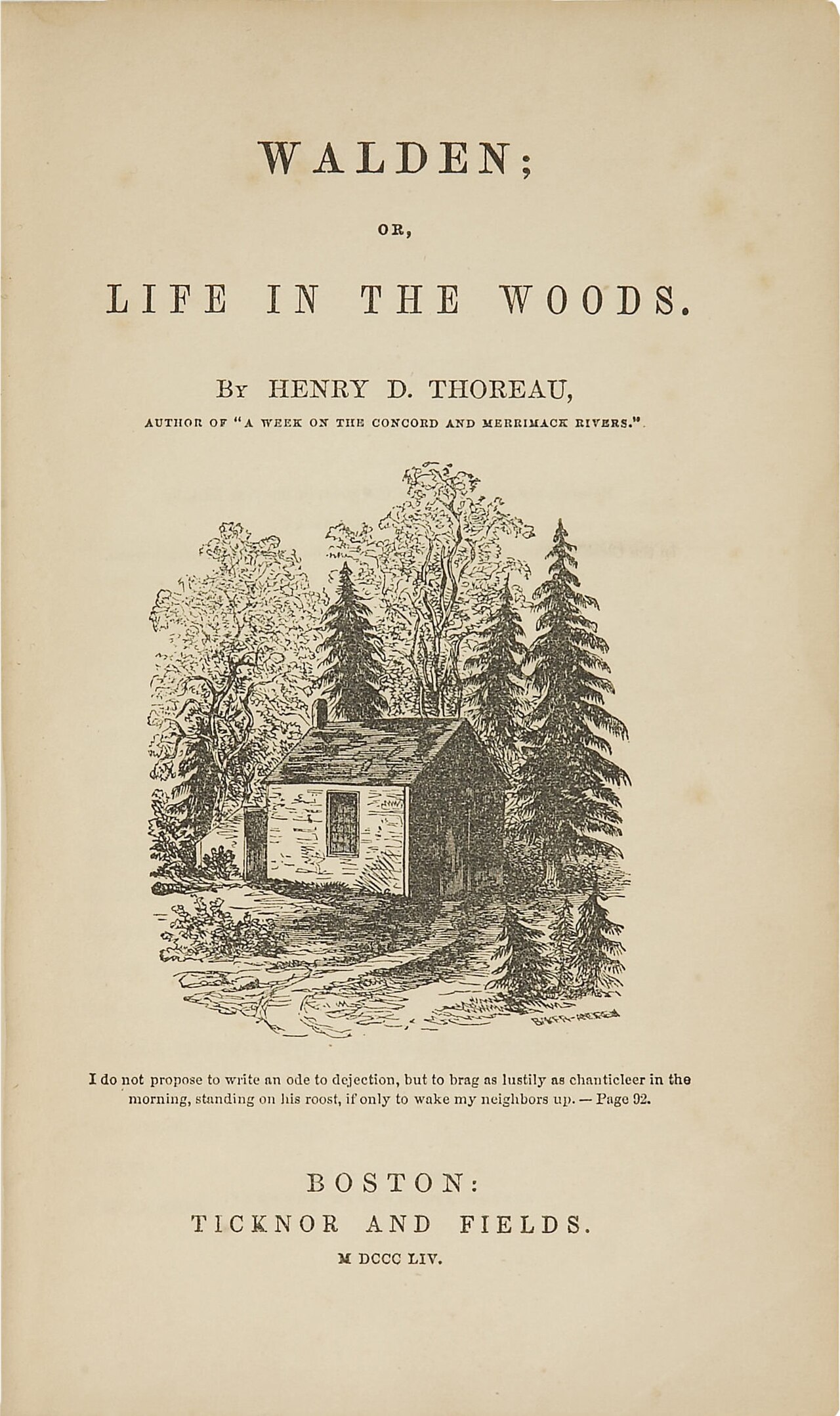 Book
Primary source
Walden
Henry David Thoreau · 1854
 Book
Primary source
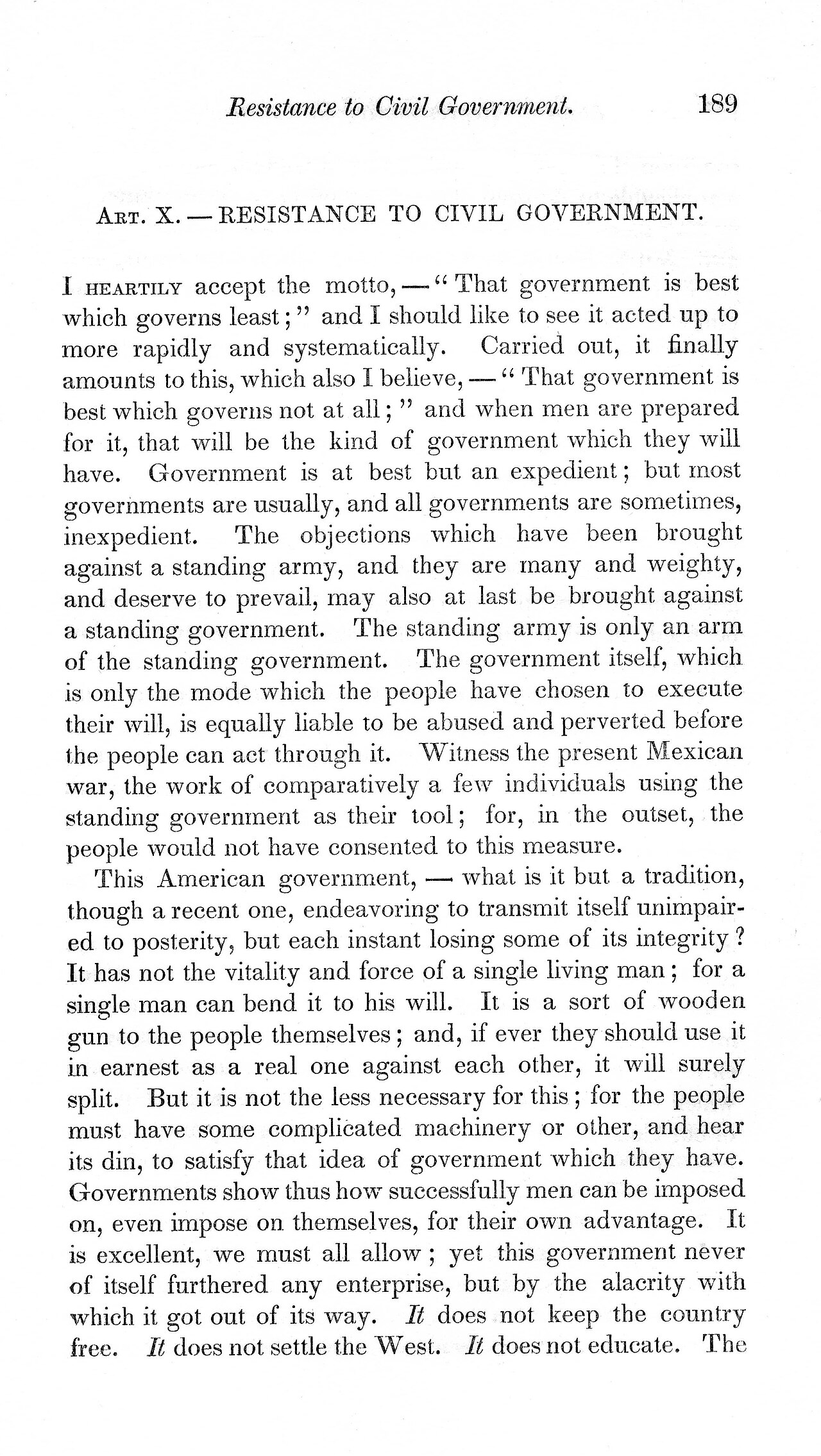
Civil Disobedience
Henry David Thoreau · 1849
 Photograph
Primary source
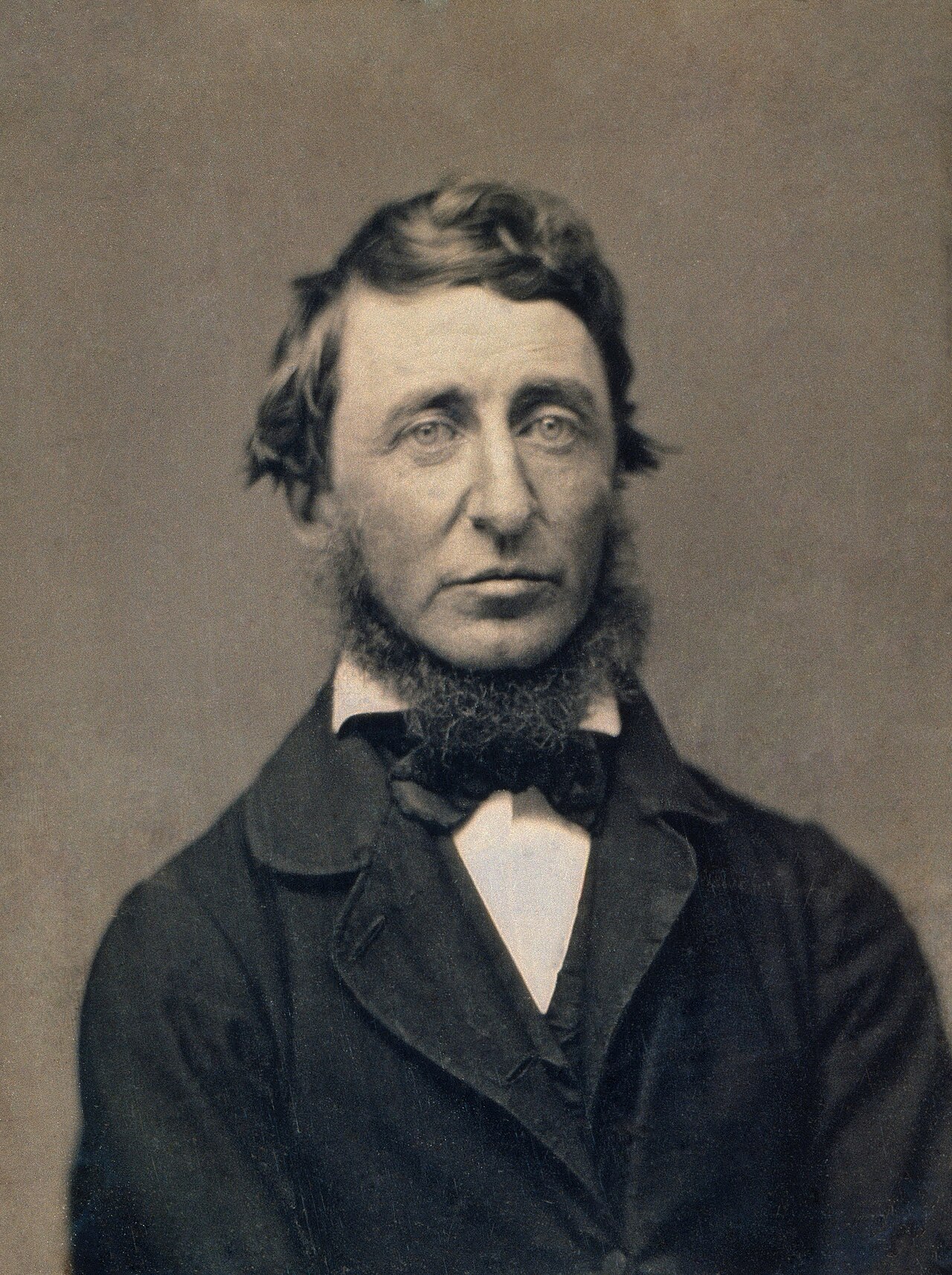
Daguerreotype Portrait of Henry David Thoreau
Benjamin D. Maxham · 18 June 1856
Primary source
Slavery in Massachusetts
Henry David Thoreau · 4 July 1854
Primary source
A Plea for Captain John Brown
Henry David Thoreau · 30 October 1859
Ready when you are
Start chatting with Henry David Thoreau now.
20 messages free · No credit card · Available in 50+ languages.