


Secondary sourcePainting1638
Portrait of Hippocrates
Peter Paul Rubens · 1638
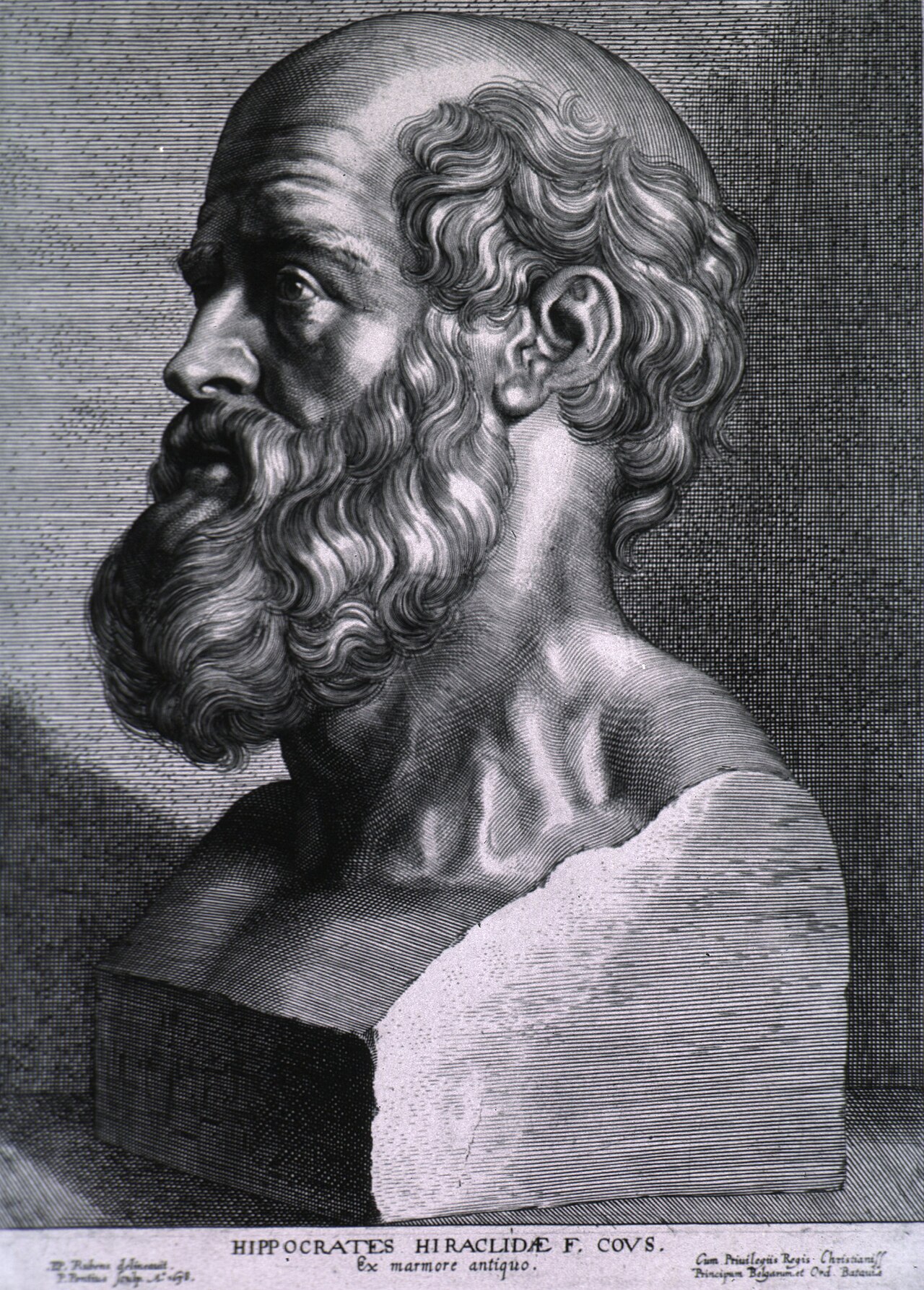
A 1638 engraving by Peter Paul Rubens after an ancient marble bust, showing Hippocrates as a bearded, bald old man.
This engraving fixed the standard image of Hippocrates for later generations, though made long after his death.
About this source
What it is
This engraving, made by the painter Peter Paul Rubens in 1638, copies an ancient marble bust said to represent Hippocrates. The caption identifies him as Hippocrates, son of Heraclides, of Kos, taken from an antique marble.
Why it matters
No portrait of Hippocrates survives from his own lifetime, so images like this - made centuries later from an ancient bust of uncertain accuracy - became the standard face attached to his name across early modern Europe. It shows how later artists and scholars shaped the visual memory of ancient figures.
Look closer
- How reliable can an image be when it copies a copy of an unknown original?
- Why might Rubens, a famous painter, have chosen to engrave an ancient bust?
- What does the formal, bust-like pose suggest about how Hippocrates was remembered?
This painting is part of the curated material that grounds the AI version of Hippocrates on Humy.ai — when students ask about related events, the AI can quote it and cite it.
More Hippocrates sources
Browse all 91 →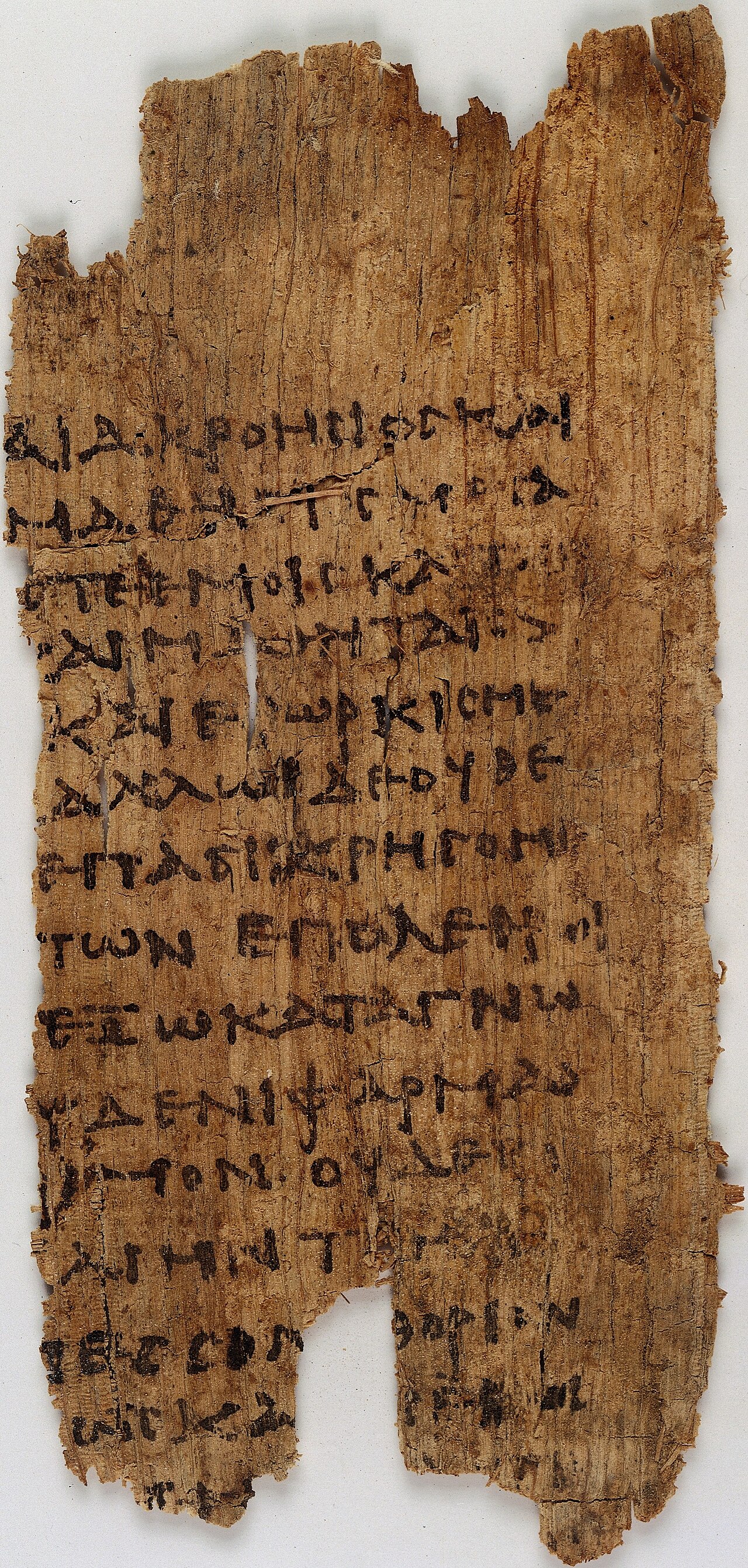 Document
Secondary source
Hippocratic Oath
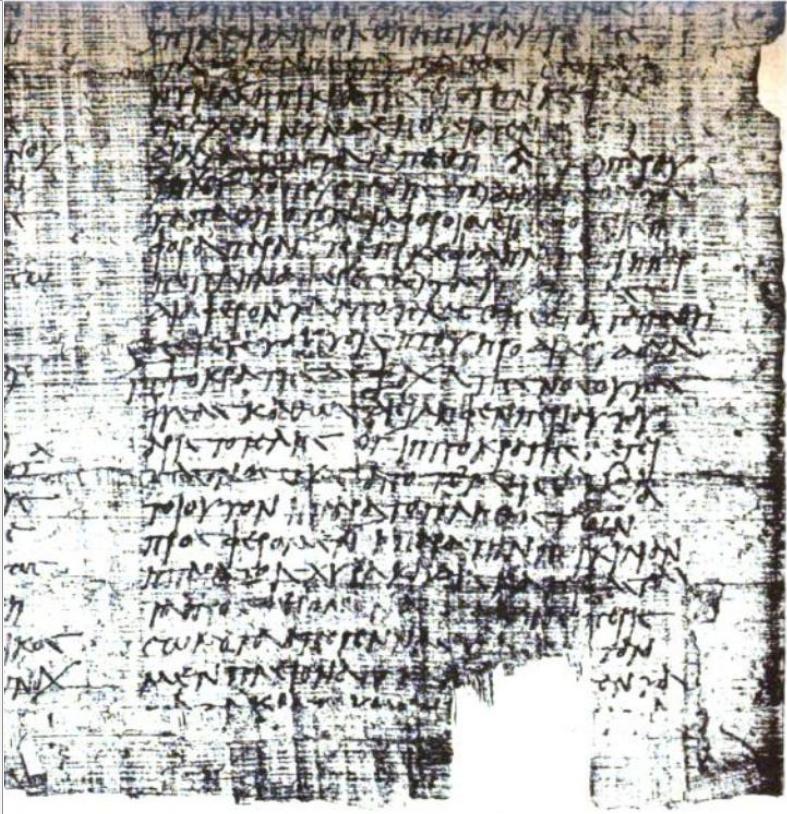
Attributed to Hippocrates · 5th-3rd century BCE (text); papyrus fragment 3rd century AD
Secondary source
On the Sacred Disease
Attributed to Hippocrates · c. 400 BCE
Secondary source
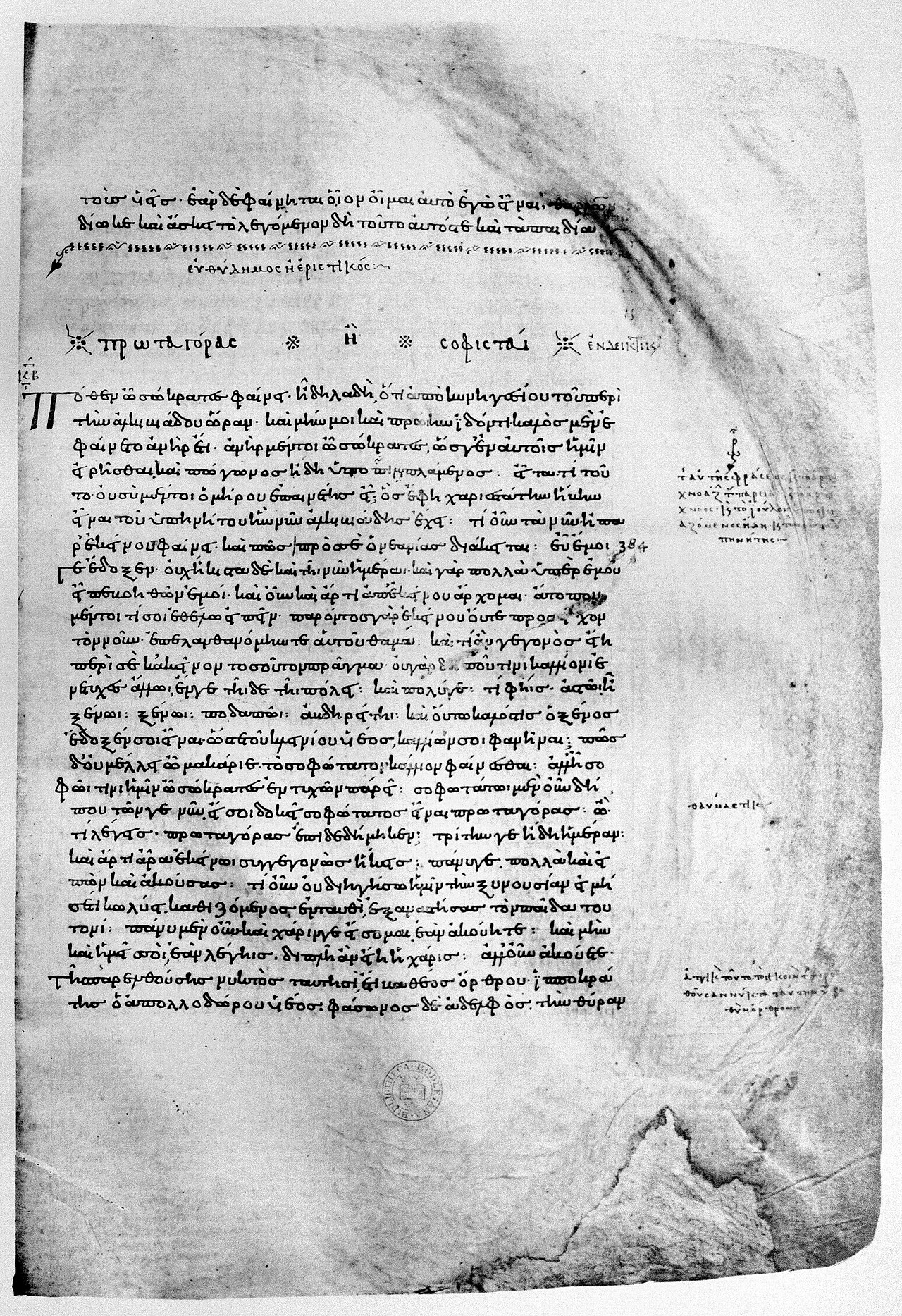
Nature of Man
Attributed to Hippocrates or Polybus · Classical antiquity
Secondary source
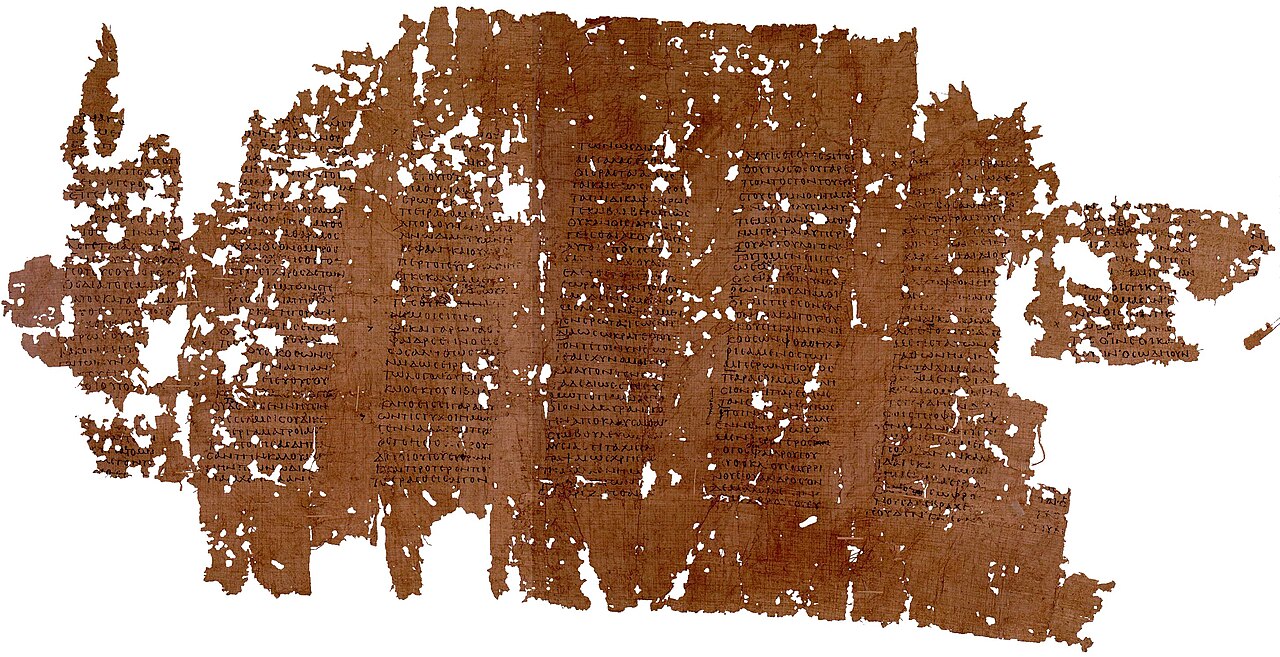
Aphorisms
Attributed to Hippocrates · Classical antiquity
Free account
Read every Hippocrates source
Sign up free →
Ready when you are
Start chatting with Hippocrates now.
20 messages free · No credit card · Available in 50+ languages.