


Secondary sourcePainting1737
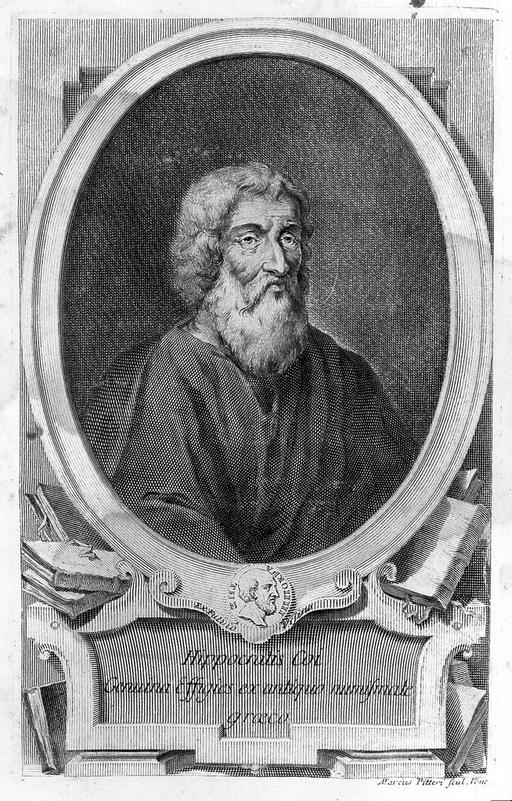
Portrait of Hippocrates from Opera Omnia, 1737
1737
An engraved portrait of Hippocrates printed in a 1737 edition of his collected works. It is an imagined likeness made long after his death.
Shows how an 18th-century edition of Hippocrates's collected works presented him to readers as an honored author.
About this source
What it is
This is an engraved print of Hippocrates, printed in a 1737 edition. The Wellcome Collection holds it, and its catalogue describes it as an imagined likeness made long after his death. The print shows an elderly bearded man with wavy hair and a thoughtful gaze, inside an oval frame with an ornate border. Below is a cartouche with a Latin inscription naming Hippocrates, a small medallion portrait and a signature in the corner. The signer is not named in the facts.
Why it matters
Printed portraits like this were often placed at the front of a book to present an author as a respected figure. The 1737 edition was a collection of works attributed to Hippocrates, so the portrait was meant to help readers connect the writings with a famous name. Because Hippocrates lived around 2,400 years earlier, the face shown here is an invention of the later printmaker.
Look closer
- What does the thoughtful expression and the frame suggest about how Hippocrates should be remembered?
- Why might an 18th-century publisher include a portrait in a book of ancient writings?
- What can we not know about Hippocrates's real appearance from this image?
This painting is part of the curated material that grounds the AI version of Hippocrates on Humy.ai — when students ask about related events, the AI can quote it and cite it.
More Hippocrates sources
Browse all 91 →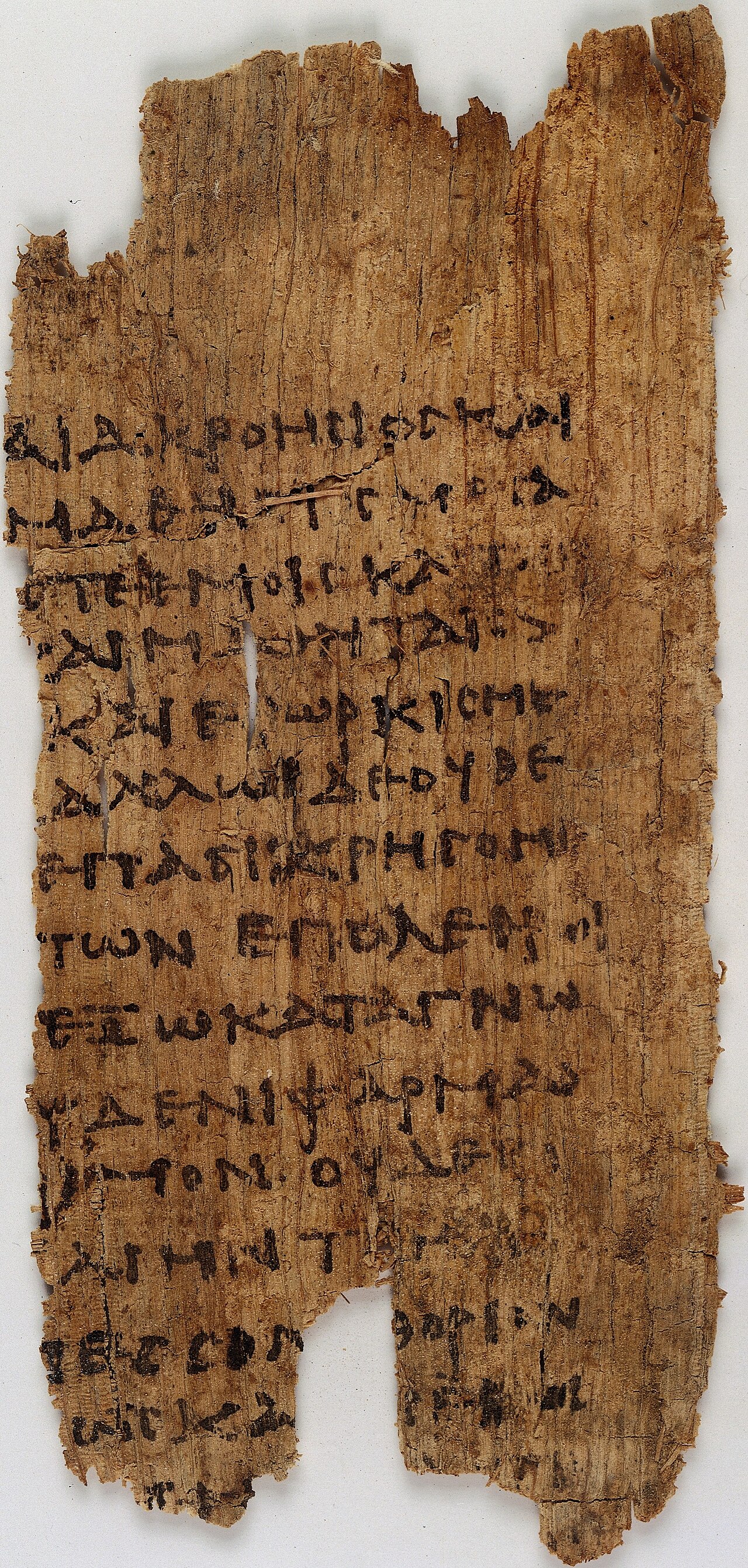 Document
Secondary source
Hippocratic Oath
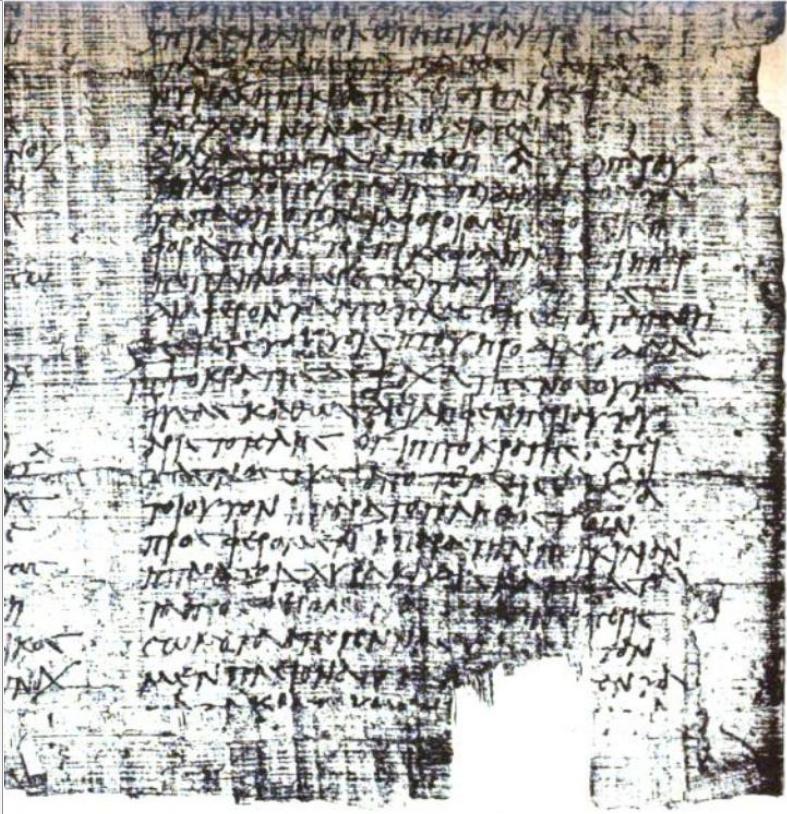
Attributed to Hippocrates · 5th-3rd century BCE (text); papyrus fragment 3rd century AD
Secondary source
On the Sacred Disease
Attributed to Hippocrates · c. 400 BCE
Secondary source
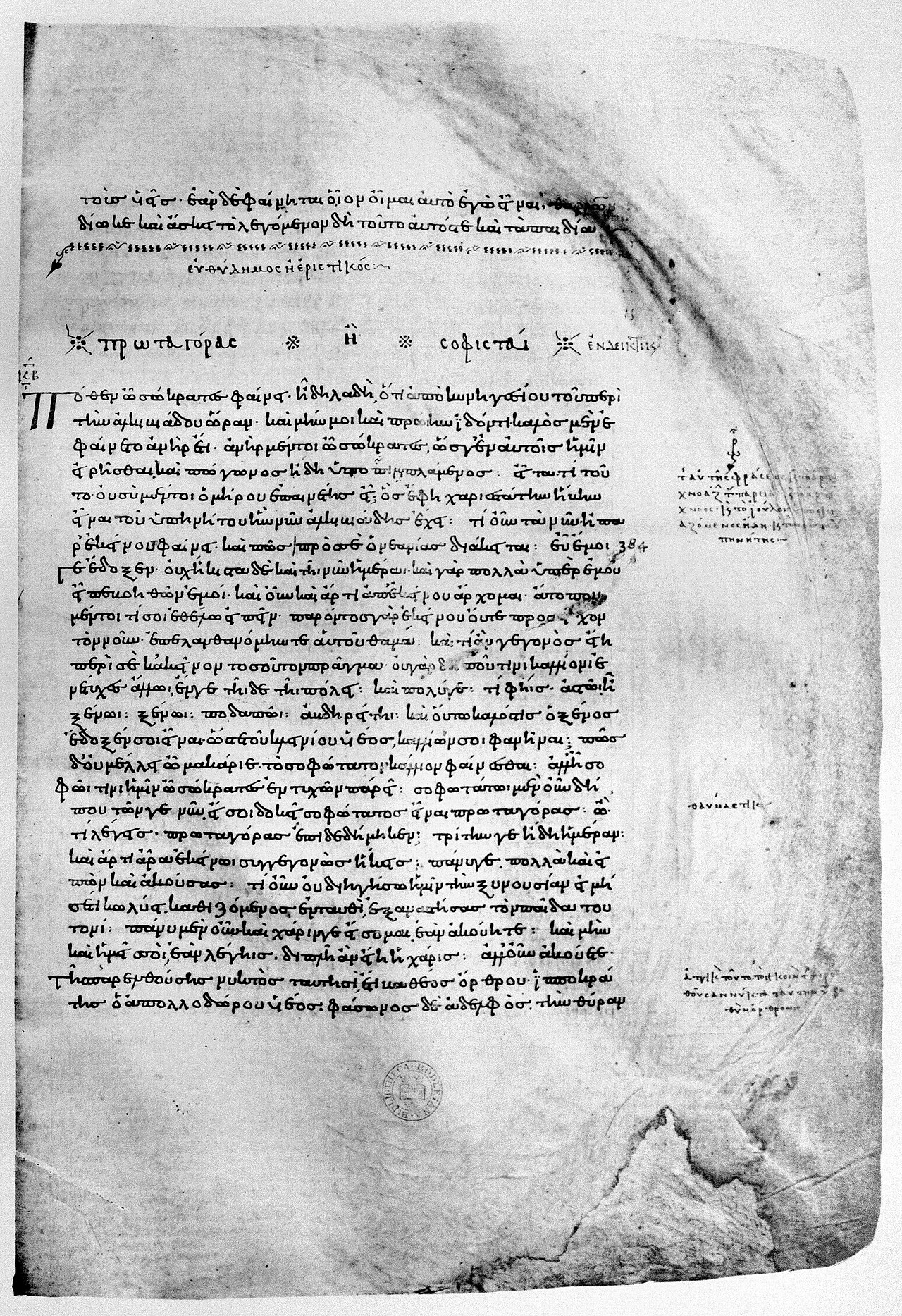
Nature of Man
Attributed to Hippocrates or Polybus · Classical antiquity
Secondary source
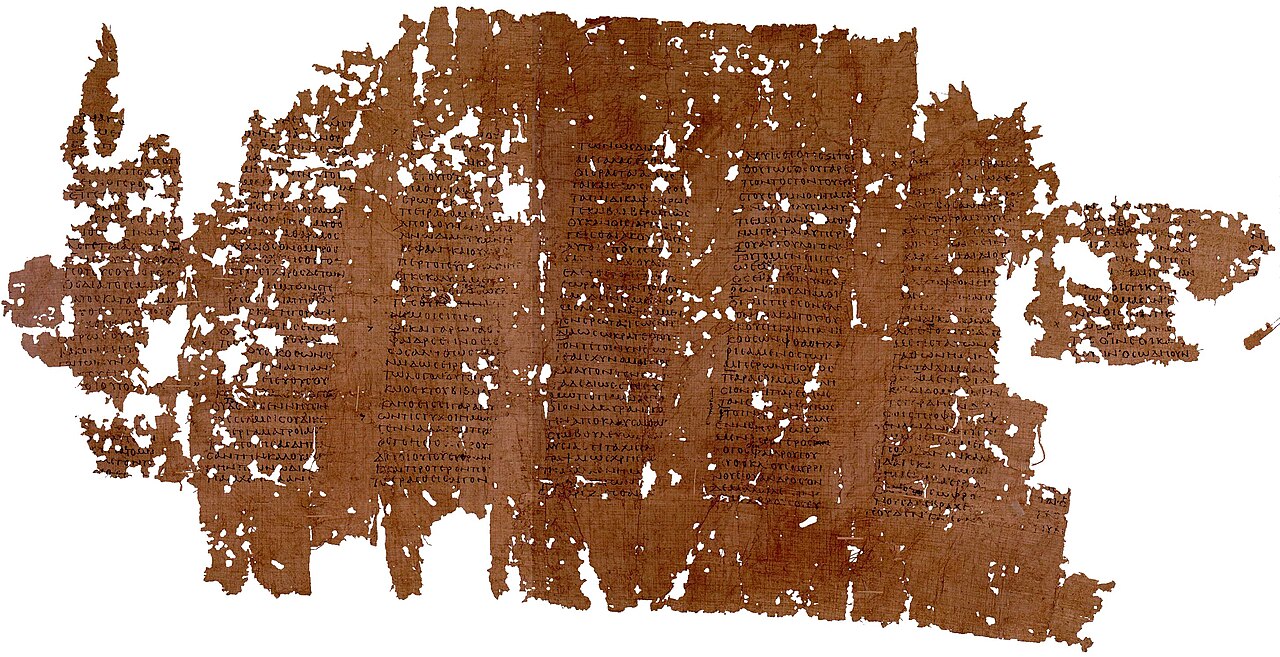
Aphorisms
Attributed to Hippocrates · Classical antiquity
Free account
Read every Hippocrates source
Sign up free →
Ready when you are
Start chatting with Hippocrates now.
20 messages free · No credit card · Available in 50+ languages.