


Secondary sourceArtifact1805-1840
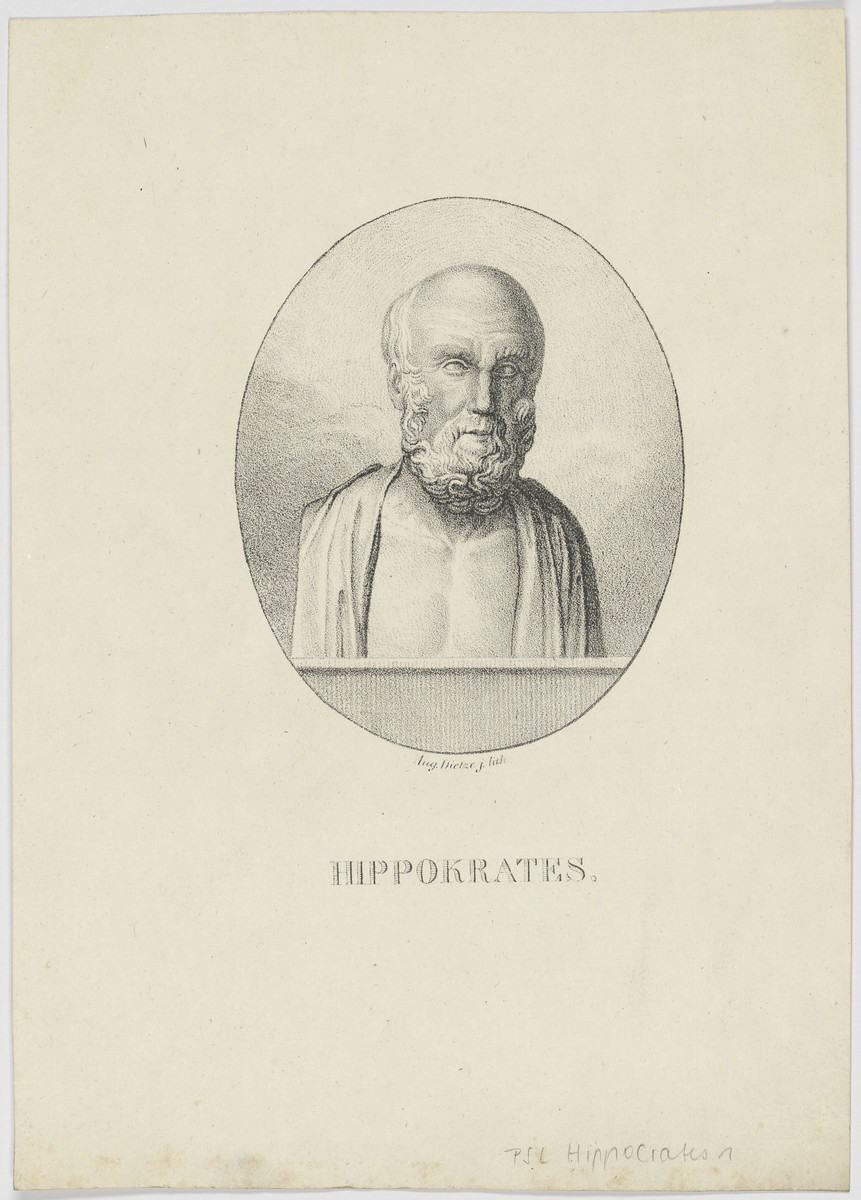
Portrait of Hippocrates, Lithograph by August Dietze
August Dietze · 1805-1840
A grey-toned nineteenth-century lithograph of an imagined bust of Hippocrates, signed by August Dietze. It reflects how later artists pictured the ancient physician.
Shows how Hippocrates was imagined in a 19th-century German print, long after his death.
About this source
What it is
This is a grey-toned lithograph showing a bust of Hippocrates. He is bald, with a curly beard and a draped garment, set in an oval frame on a plinth. The caption below reads HIPPOKRATES, and the print is signed Aug. Dietze lith. The record dates the print to between 1805 and 1840 and says it is held by Leipzig University Library in Germany.
Why it matters
Hippocrates died around 370 BCE, so no portrait of him was made from life that survives. Prints like this one were made for scholars and collectors who wanted images of famous physicians. The bust follows a long tradition of imagined portraits, and it shows how the reputation of an ancient Greek doctor was kept alive in German universities in the early 1800s.
Look closer
- What features of the bust, such as the bald head and curly beard, were chosen to suggest a learned ancient man?
- Who might have bought or used this print, and what does that tell you about who valued Hippocrates?
- What does this image leave out, given that the artist could not have known what Hippocrates looked like?
This artifact is part of the curated material that grounds the AI version of Hippocrates on Humy.ai — when students ask about related events, the AI can quote it and cite it.
More Hippocrates sources
Browse all 91 →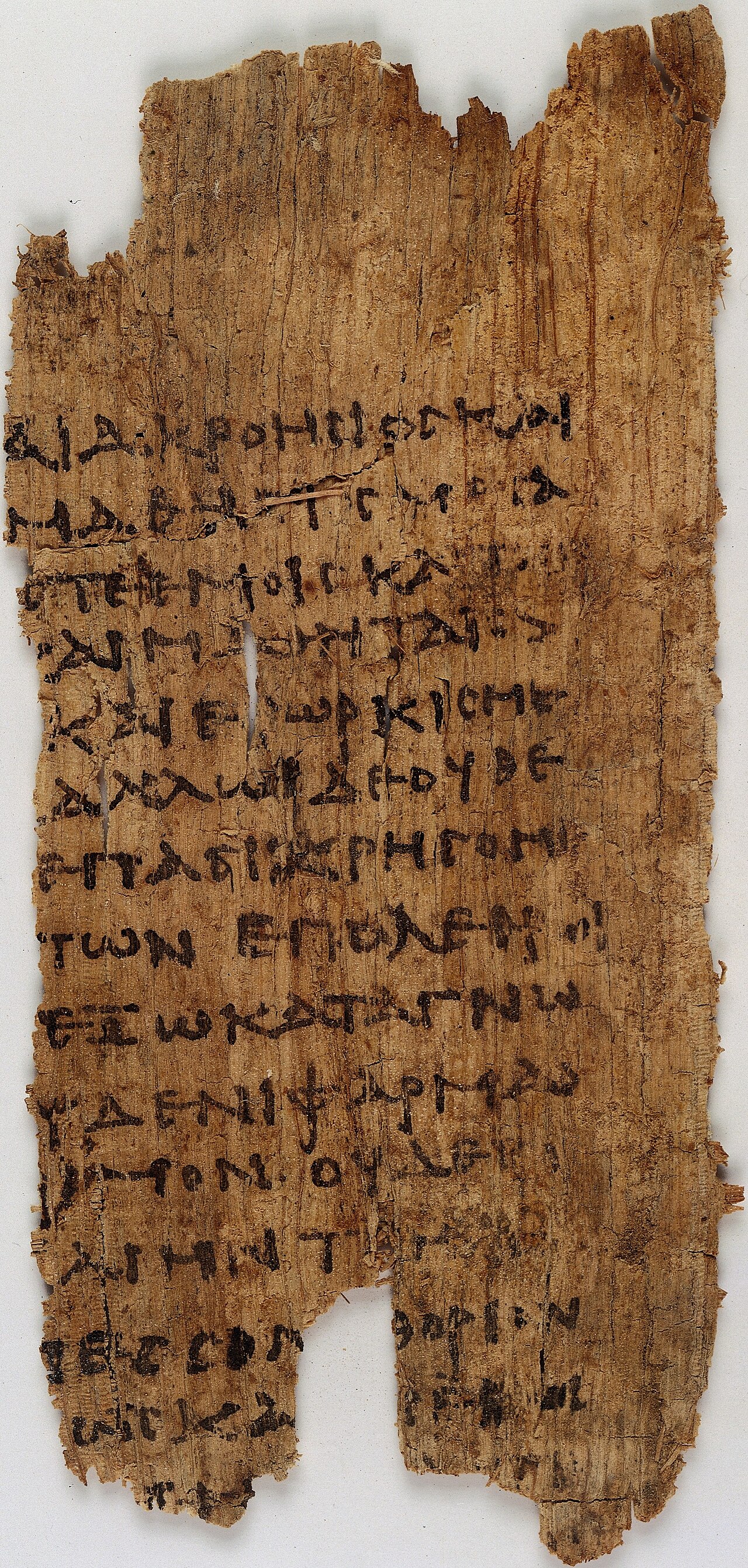 Document
Secondary source
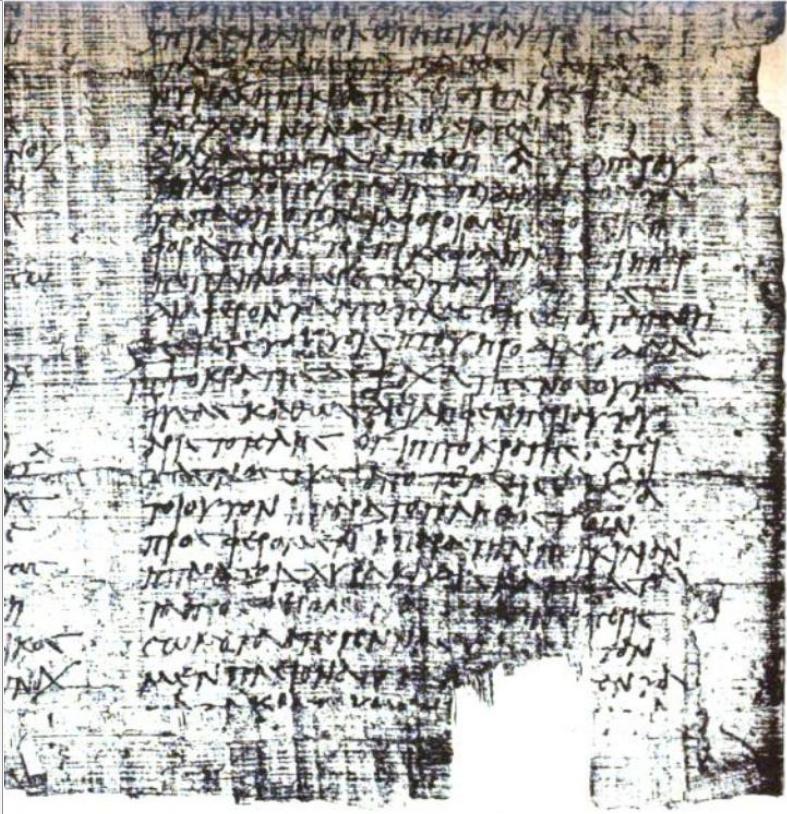
Hippocratic Oath
Attributed to Hippocrates · 5th-3rd century BCE (text); papyrus fragment 3rd century AD
Secondary source
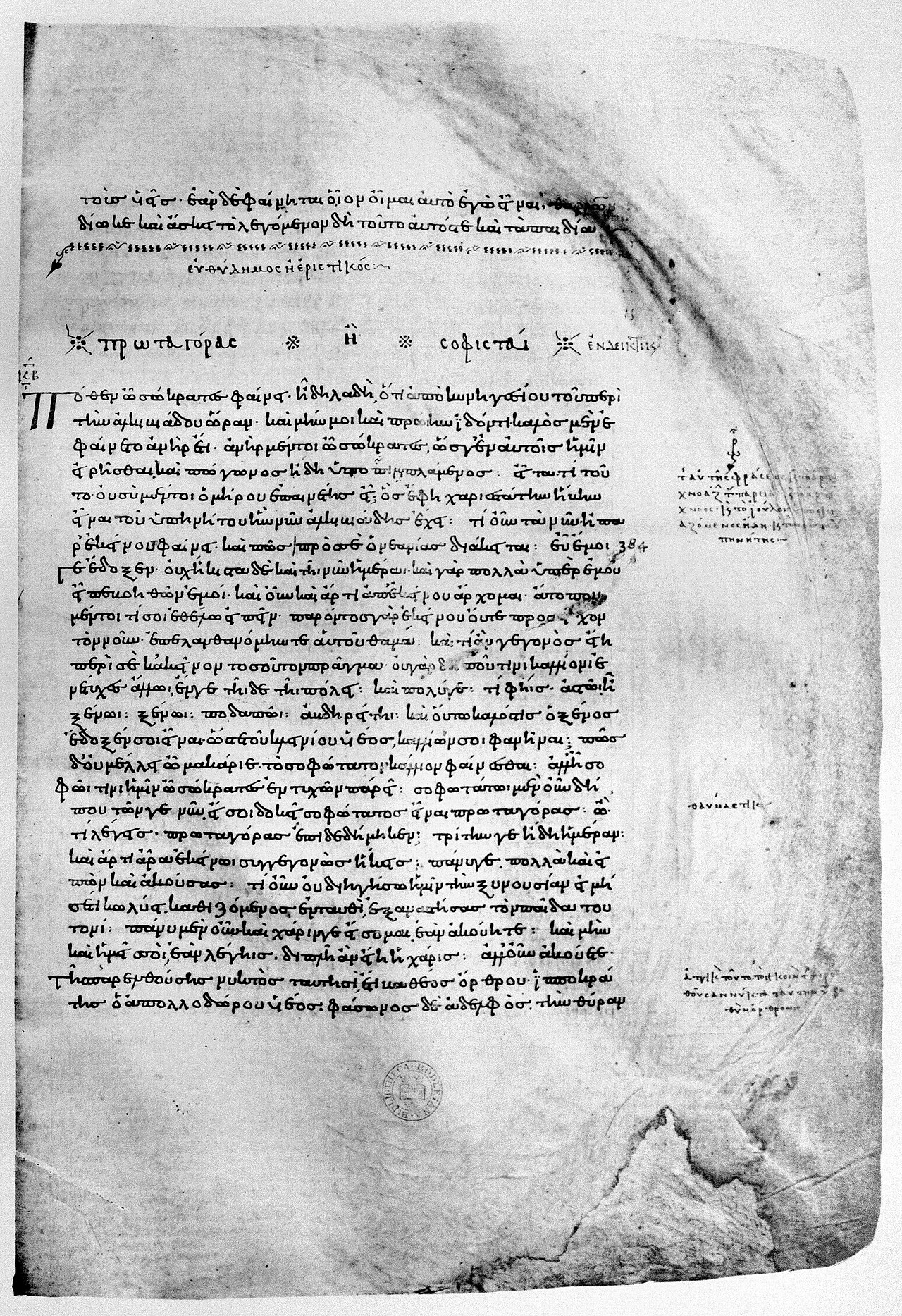
On the Sacred Disease
Attributed to Hippocrates · c. 400 BCE
Secondary source
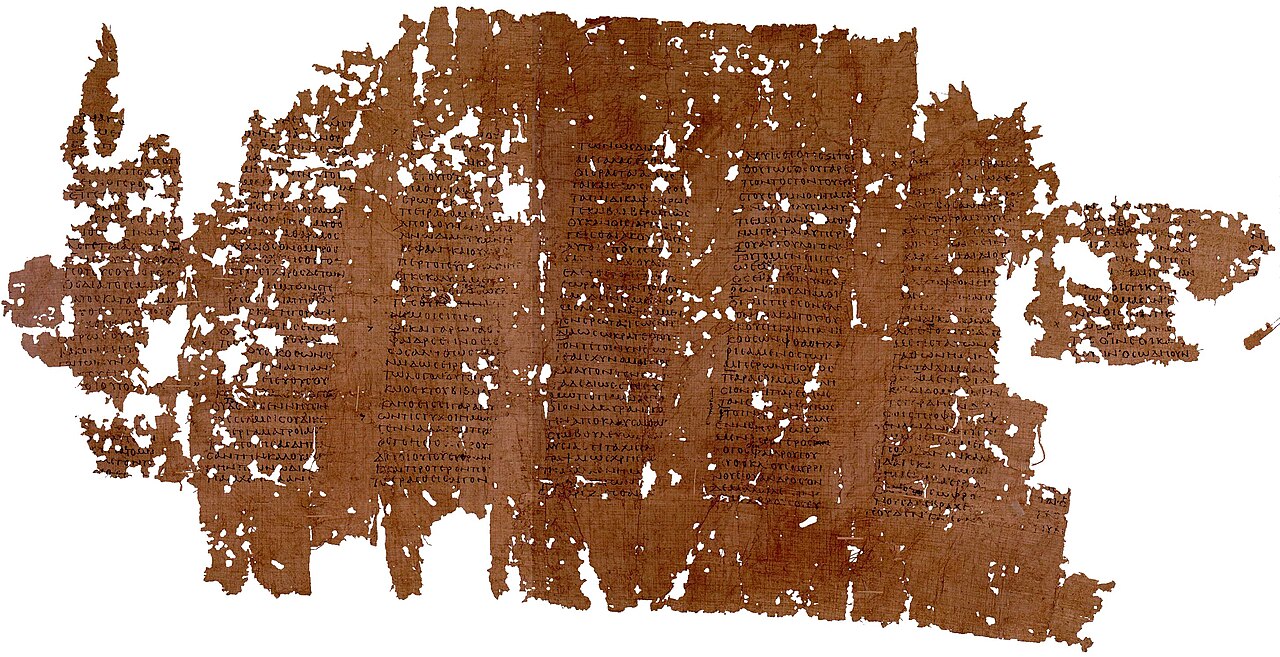
Nature of Man
Attributed to Hippocrates or Polybus · Classical antiquity
Secondary source
Aphorisms
Attributed to Hippocrates · Classical antiquity
Free account
Read every Hippocrates source
Sign up free →
Ready when you are
Start chatting with Hippocrates now.
20 messages free · No credit card · Available in 50+ languages.