


Secondary sourcePainting1763
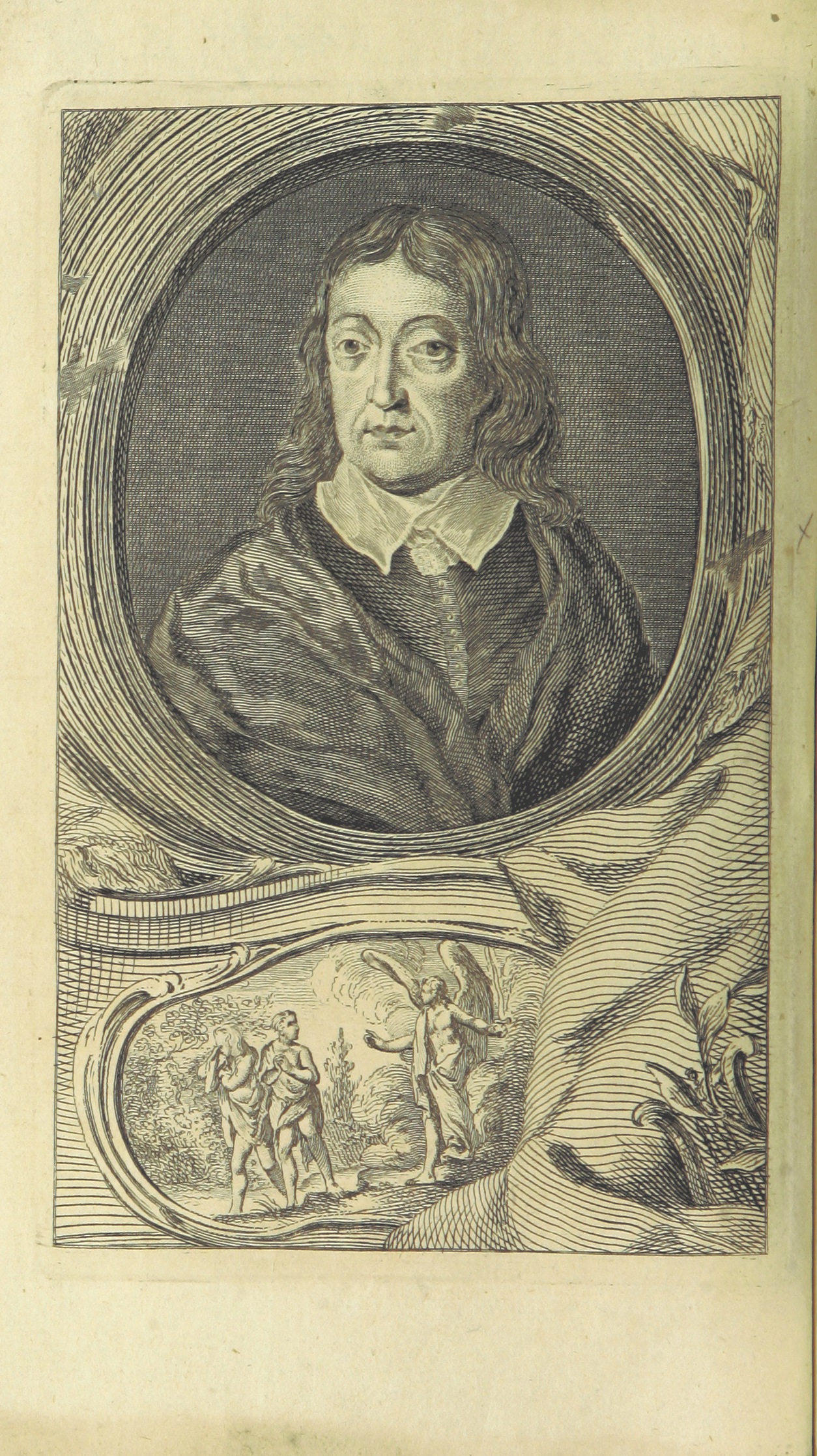
Portrait of John Milton from Paradise Lost, Newton Edition 1763
1763
An engraved frontispiece portrait of Milton in a 1763 edition of Paradise Lost, made after his death.
Presents Milton as the author of Paradise Lost in a later edition with notes, showing how his image was used to introduce the poem.
About this source
What it is
This is an engraved frontispiece portrait from volume one of the sixth edition of Paradise Lost, with notes by various authors and by Thomas Newton, D.D. It is held by the British Library. The portrait shows a man with shoulder-length wavy hair, a white collar and a dark cloak, set in an oval frame. Below it, a small scene shows two figures and a winged angel in a landscape.
Why it matters
This edition of Paradise Lost was printed with notes that helped 18th-century readers understand the poem. The portrait introduces Milton to those readers and links his image with a scene from the poem itself. It shows how Milton's reputation was packaged for educated buyers in the 1760s.
Look closer
- How does the small scene below the portrait connect the author to the poem?
- Why might publishers add notes by several writers to a poem like this?
- What does the portrait not tell us about how Milton actually lived and worked?
This painting is part of the curated material that grounds the AI version of John Milton on Humy.ai — when students ask about related events, the AI can quote it and cite it.
More John Milton sources
Browse all 91 →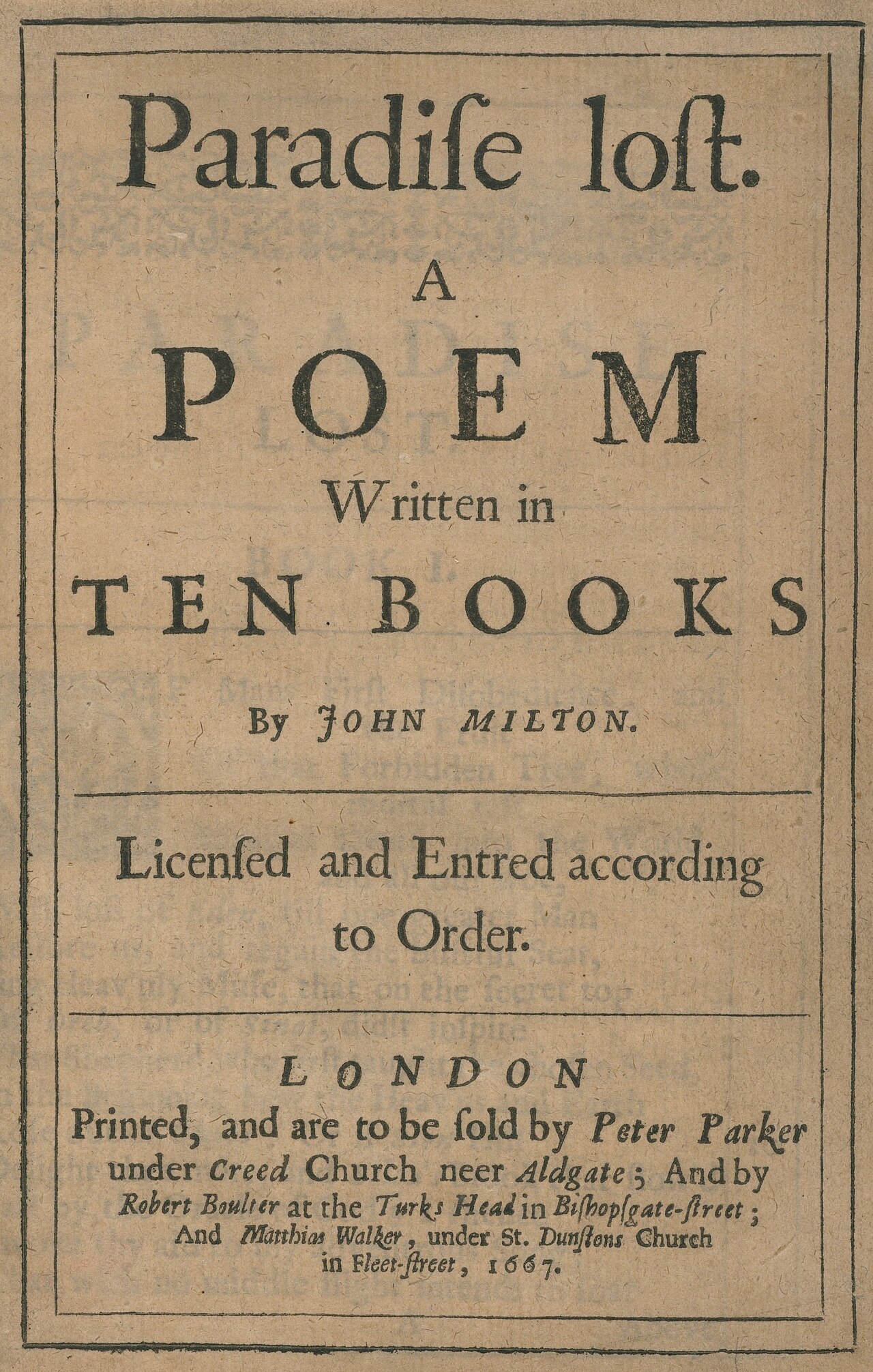 Book
Primary source
Paradise Lost
John Milton · 1667
 Book
Primary source
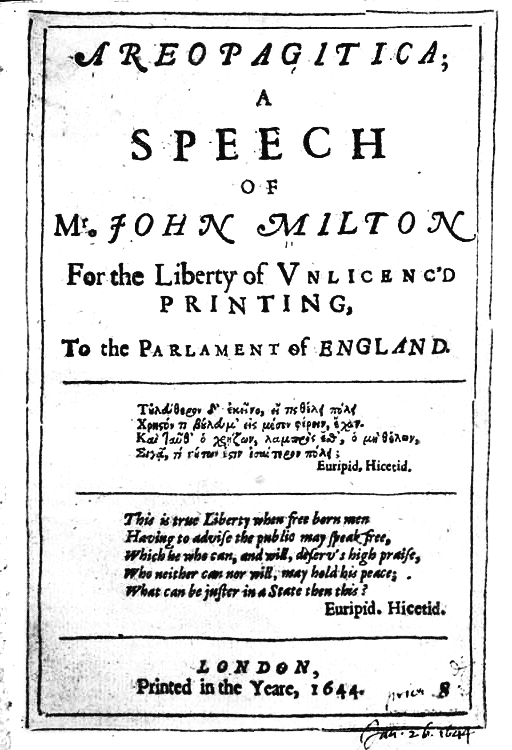
Areopagitica
John Milton · 23 November 1644
Primary source
When I Consider How My Light is Spent
John Milton · c. 1655
 Painting
Primary source
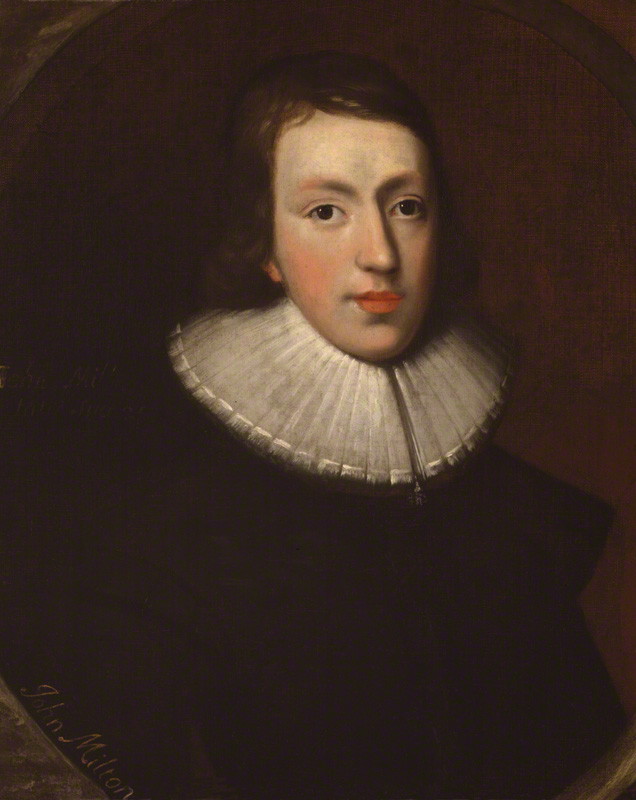
Portrait of John Milton
Unknown painter · 1629
Free account
Read every John Milton source
Sign up free →
Ready when you are
Start chatting with John Milton now.
20 messages free · No credit card · Available in 50+ languages.