


Primary sourcePaintingbetween 1808 and 1836
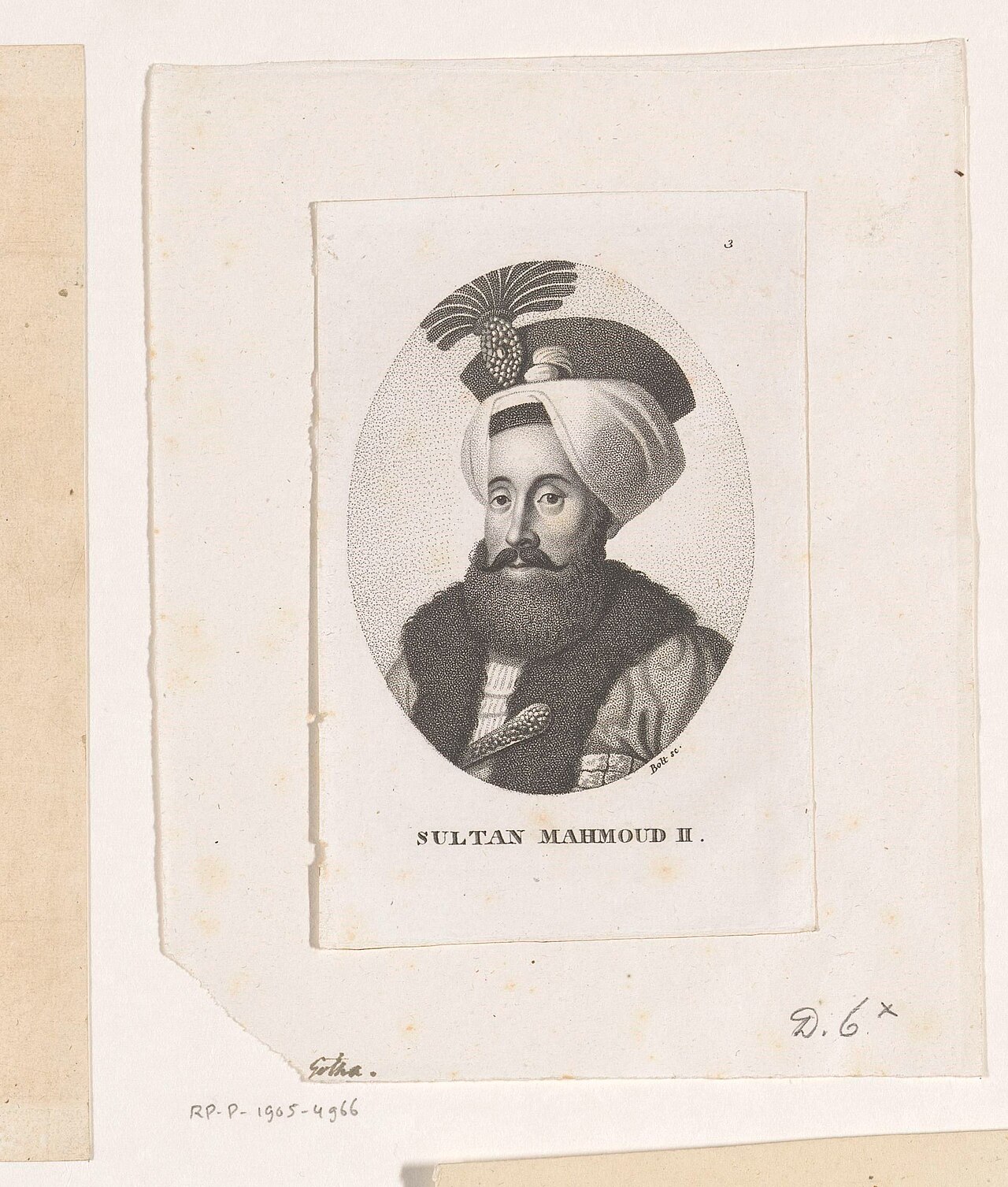
Portrait of Mahmoud II, Ottoman Sultan
Johann Friedrich Bolt · between 1808 and 1836
A stipple engraving portrait of Sultan Mahmud II made during his reign, likely from the Almanach de Gotha.
This print depicts Mahmud II during his reign, circulated in a European reference publication.
About this source
What it is
This is a stipple engraving portrait of Mahmud II made by the printmaker Johann Friedrich Bolt in Berlin sometime between 1808 and 1836, during the sultan's reign. It shows him in a bust-length view wearing a white turban with a dark plume and a fur-trimmed robe. It is likely from the Almanach de Gotha and is held by the Rijksmuseum.
Why it matters
This small, detailed print is an example of how images of the Ottoman sultan circulated in European publications during his rule. It shows the traditional turban and robes associated with Ottoman rulers before Mahmud II's later reforms changed court dress.
Look closer
- Why might a European printmaker have made a portrait of an Ottoman sultan for a publication like the Almanach de Gotha?
- What details of dress and ornament stand out, and what might they signal about rank?
- How reliable do you think this image is as a true likeness of Mahmud II?
This painting is part of the curated material that grounds the AI version of Mahmud II on Humy.ai — when students ask about related events, the AI can quote it and cite it.
More Mahmud II sources
Browse all 88 →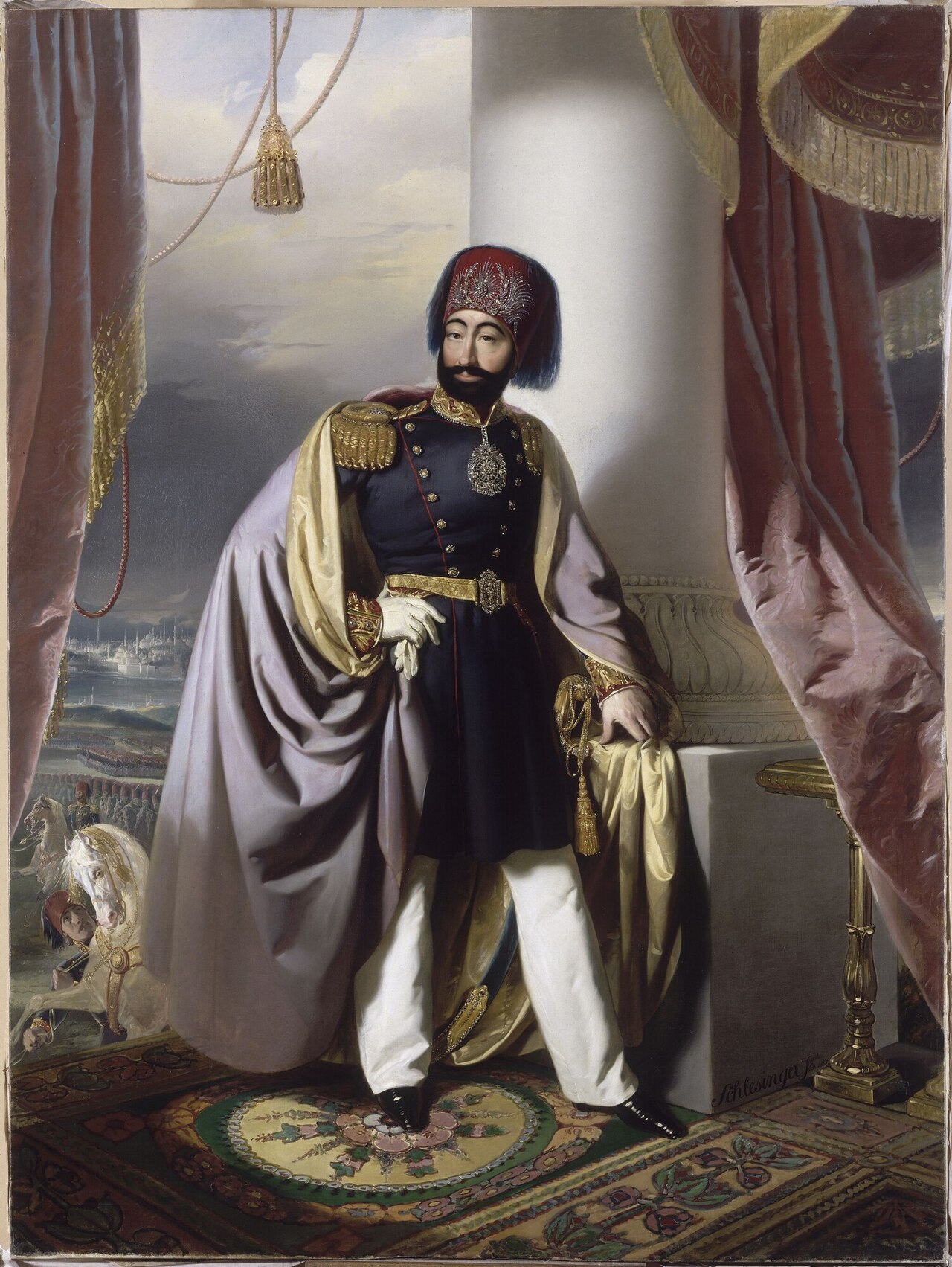 Painting
Primary source
Portrait of Mahmud II
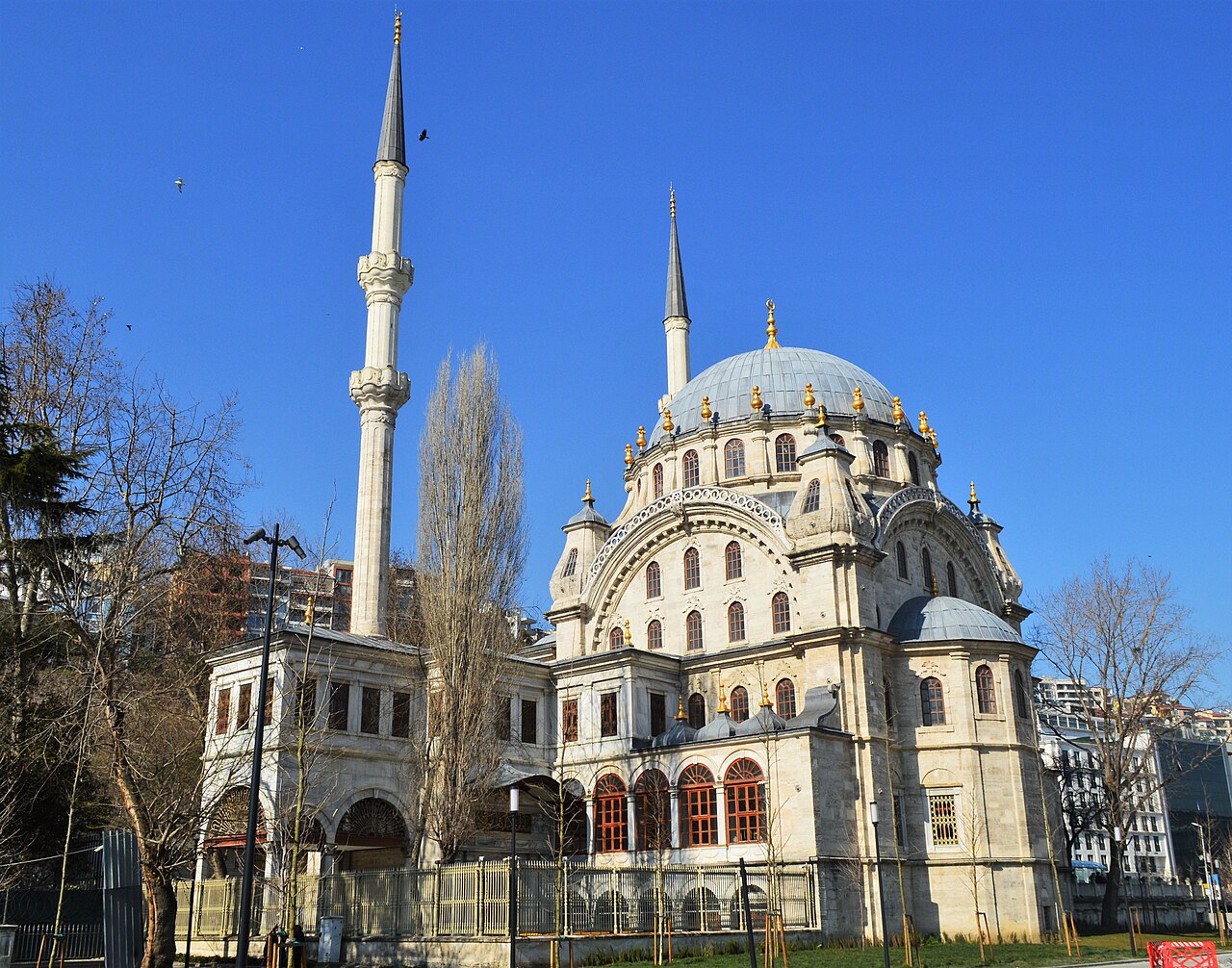 Artifact
Primary source
Nusretiye Mosque
Krikor Balian · 1826
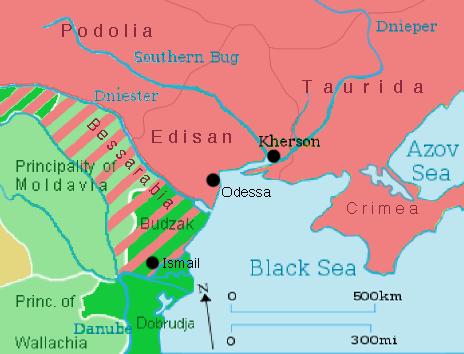 Document
Primary source
Treaty of Bucharest
28 May 1812
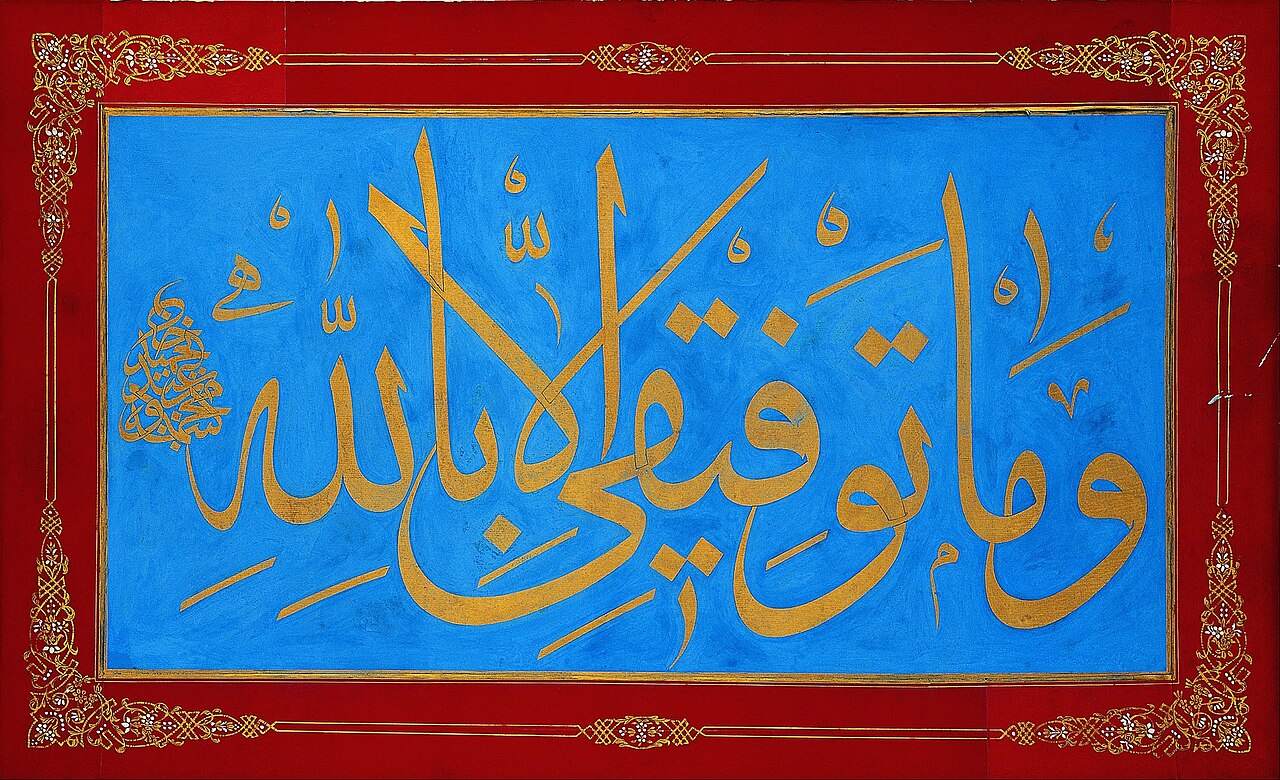 Artifact
Primary source
Calligraphic Panel (Levha) by Sultan Mahmud II
Mahmud II · c. 1800
Free account
Read every Mahmud II source
Sign up free →
Ready when you are
Start chatting with Mahmud II now.
20 messages free · No credit card · Available in 50+ languages.