


Primary sourcePainting1848
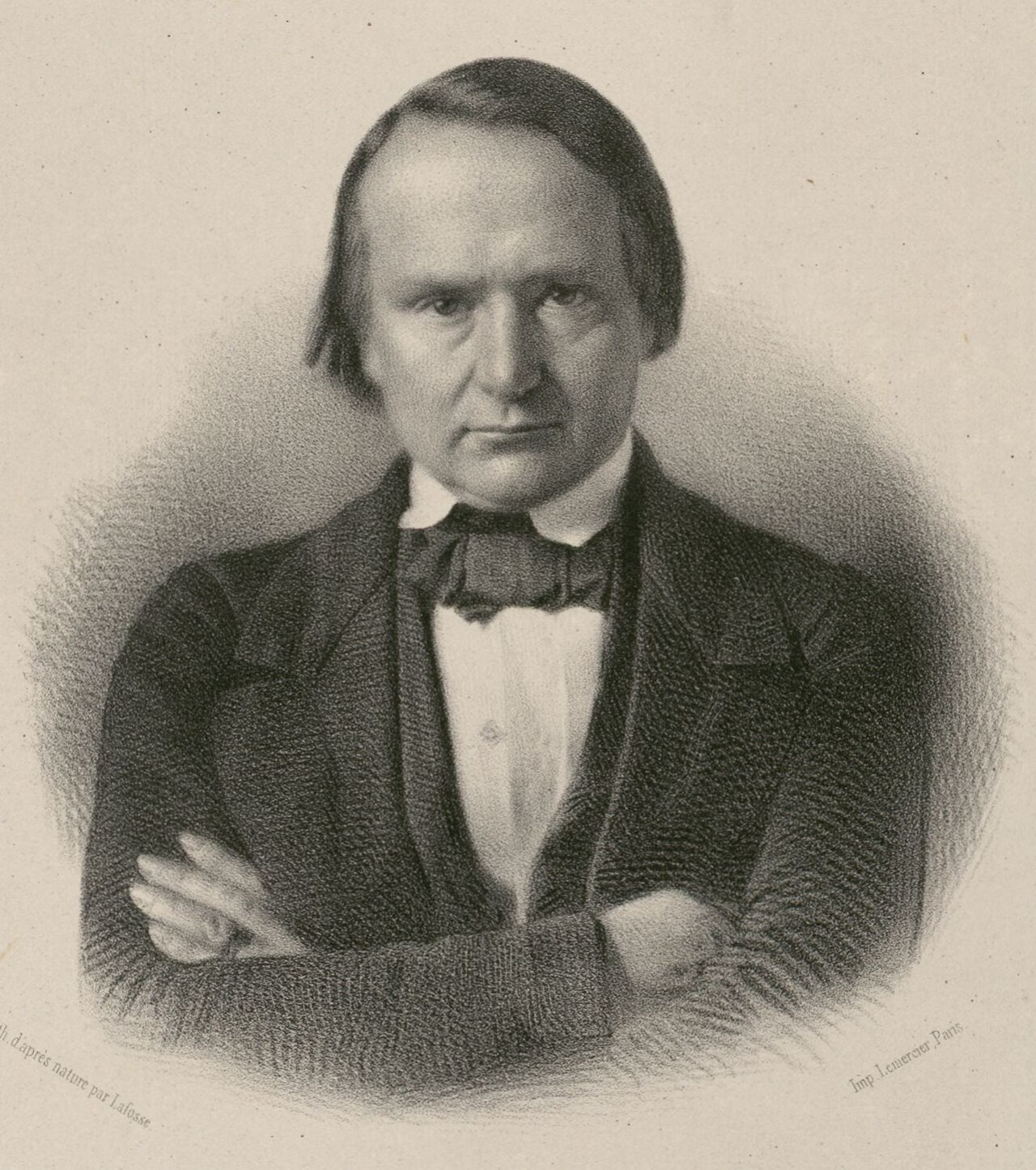
Portrait of Victor Hugo as Deputy of the Second Republic
Jean-Baptiste Adolphe Lafosse · 1848
A lithograph portrait of Victor Hugo made in 1848 for the gallery of representatives of the French National Assembly, showing him as a politician.
This official 1848 portrait depicts Hugo in his role as a deputy of the Second Republic.
About this source
What it is
This is a black and white lithograph portrait of Victor Hugo, made in 1848. The painting it is based on was made by Jean-Baptiste Adolphe Lafosse, and the print was made by lithographer Émile Desmaisons. It was created for the gallery of representatives of the French National Assembly during the Second Republic.
Why it matters
By 1848, Hugo had moved from literary fame into politics, becoming a deputy in the newly formed Second Republic. This portrait was part of an official gallery honoring elected representatives, showing how seriously Hugo's political role was taken at the time, alongside his career as a writer.
Look closer
- How does Hugo's pose and expression suggest authority or seriousness?
- Why would the National Assembly want a gallery of portraits of its representatives?
- What does the printed text at the bottom tell us about how this image was made and distributed?
This painting is part of the curated material that grounds the AI version of Victor Hugo on Humy.ai — when students ask about related events, the AI can quote it and cite it.
More Victor Hugo sources
Browse all 93 →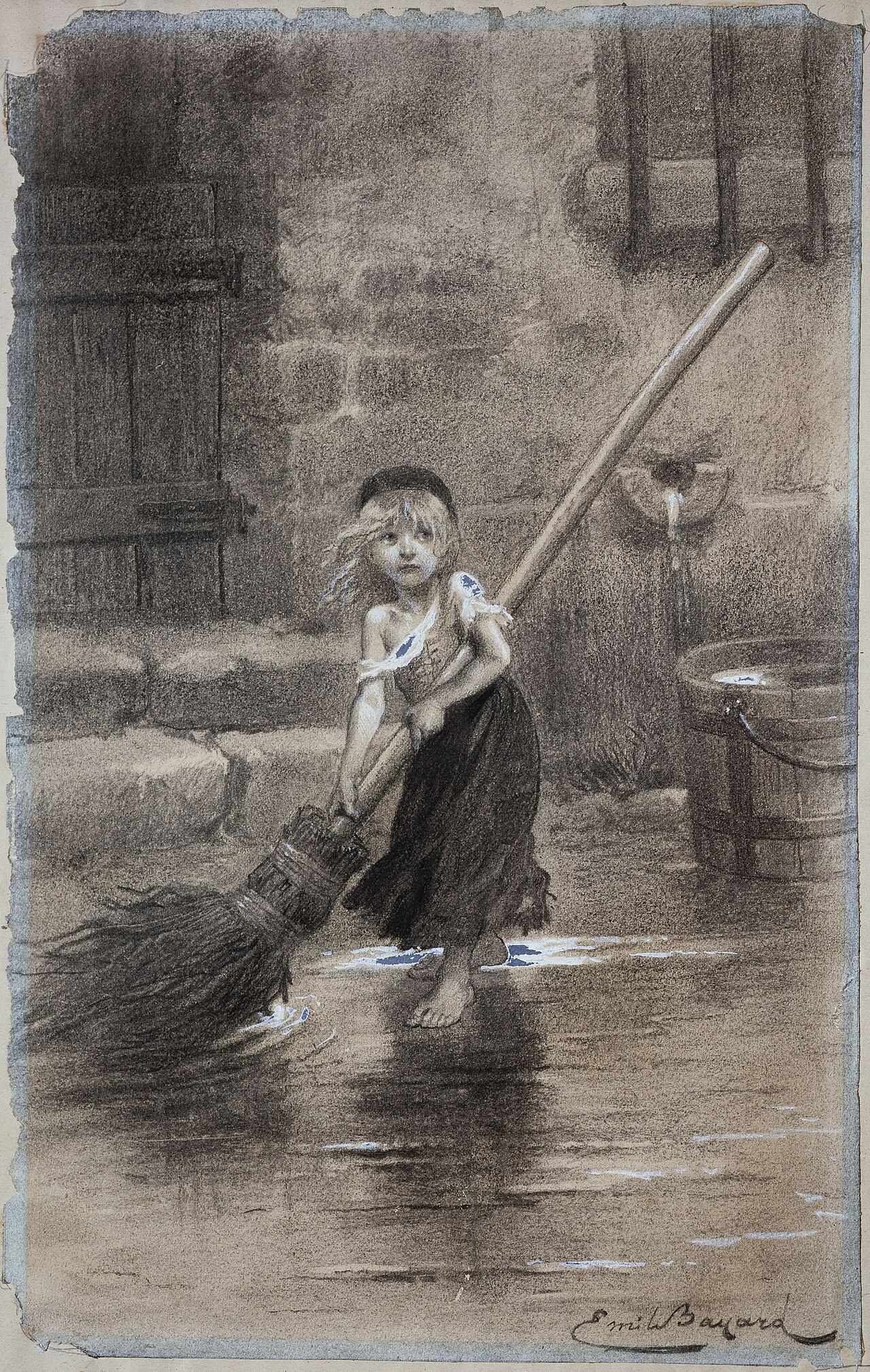 Book
Primary source
Les Misérables
Victor Hugo · 1862
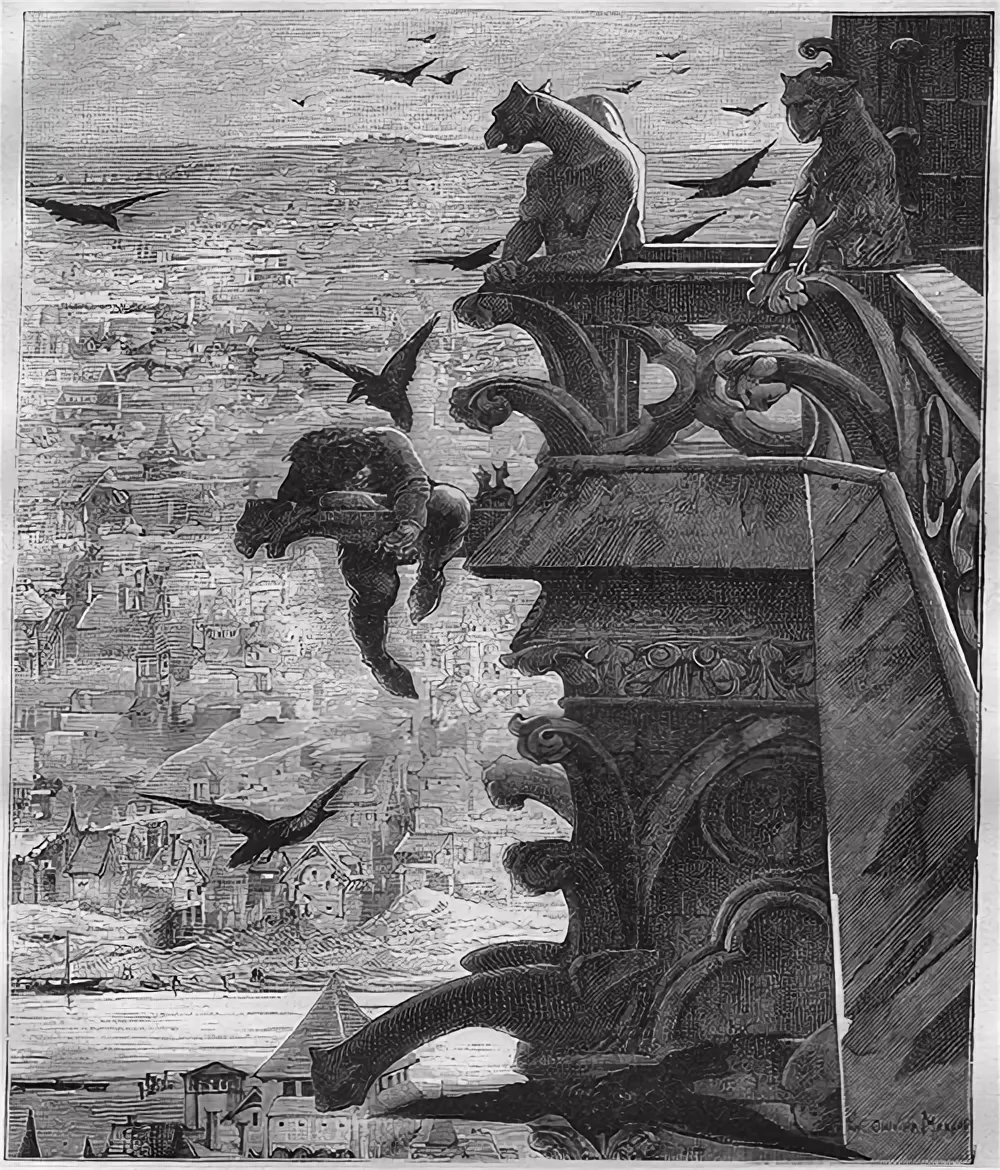 Book
Primary source
The Hunchback of Notre Dame
Victor Hugo · 1831
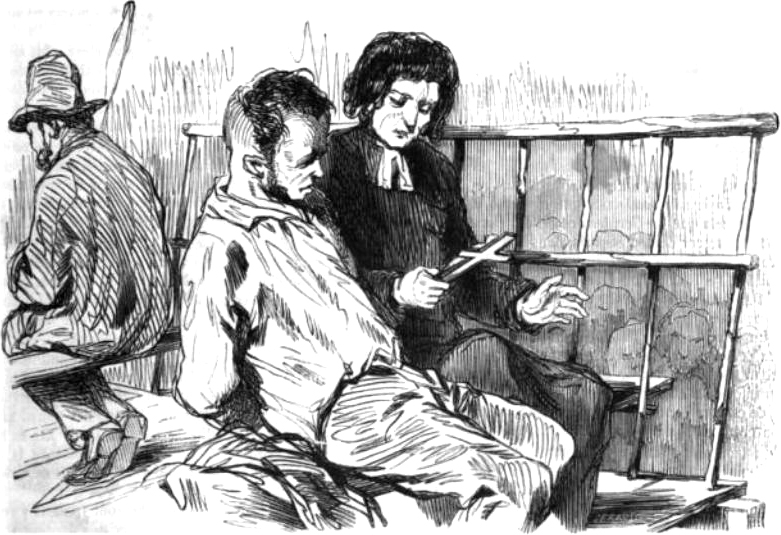 Book
Primary source
The Last Day of a Condemned Man
Victor Hugo · 1829
 Book
Primary source
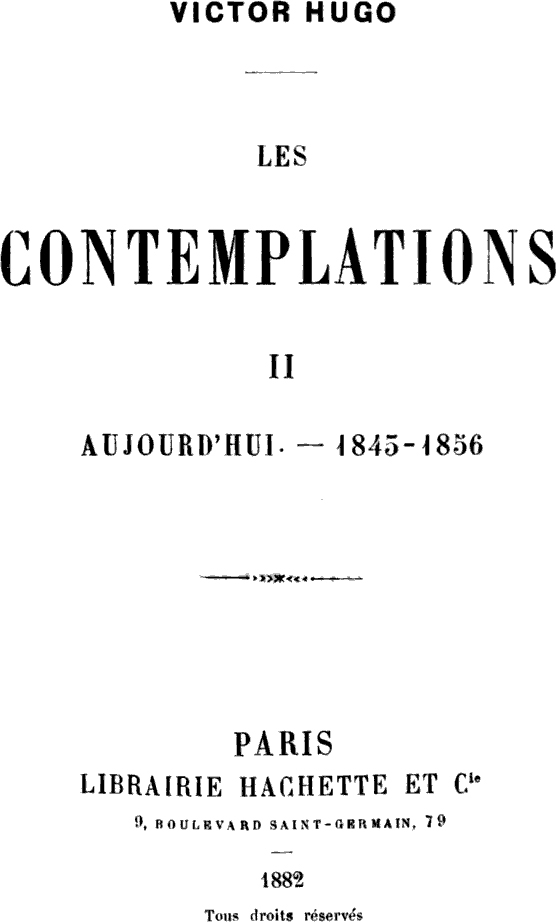
Les Contemplations
Victor Hugo · 1856
Free account
Read every Victor Hugo source
Sign up free →
Ready when you are
Start chatting with Victor Hugo now.
20 messages free · No credit card · Available in 50+ languages.