


Primary sourceArtifact284-285 AD
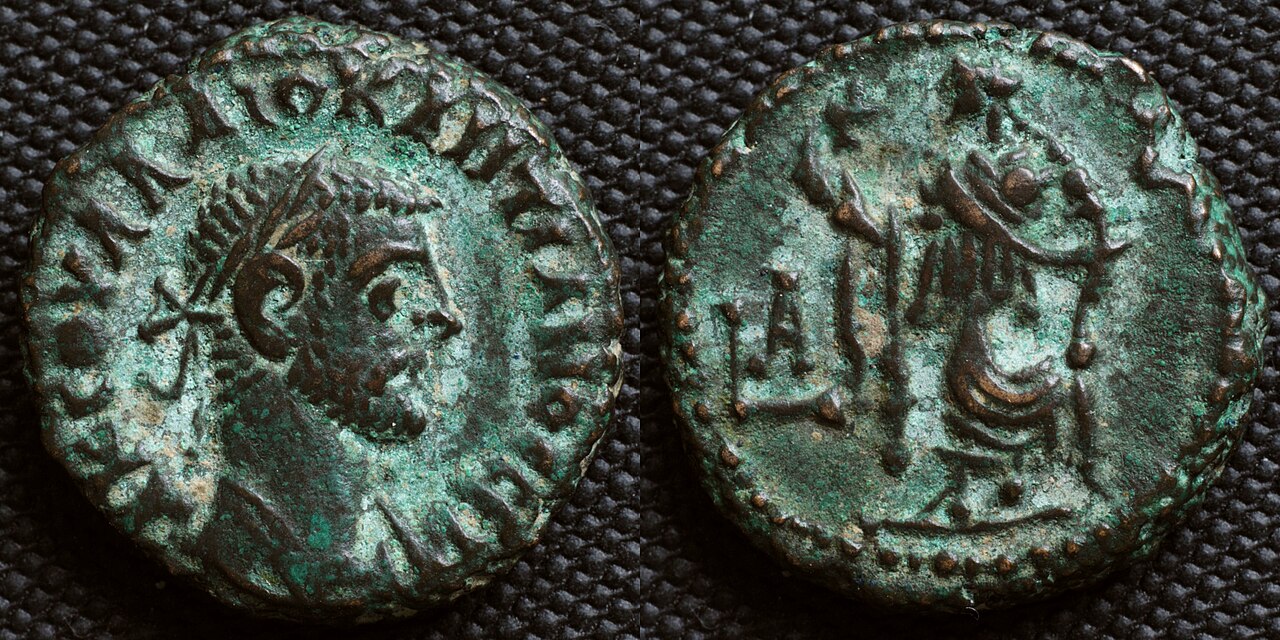
Potin Tetradrachm of Diocletian from Alexandria
284-285 AD
An Egyptian bronze coin struck in 284-285 AD, early in Diocletian's reign, showing his bust and the goddess Elpis.
This coin, struck under Diocletian's authority at Alexandria, shows his image soon after he became emperor.
About this source
What it is
This is a potin tetradrachm, a bronze coin with a greenish patina, struck at Alexandria in 284-285 AD, very early in Emperor Diocletian's reign. The front shows his laureate, draped bust with a Greek inscription naming him; the back shows the goddess Elpis (Hope) holding a flower.
Why it matters
Alexandria had its own local coinage system within the Roman Empire, and this coin shows how Diocletian's image and authority spread quickly to Egypt soon after he became emperor. The choice of Elpis on the reverse may reflect hopes tied to the new reign.
Look closer
- Why might a new emperor want coins featuring his portrait made quickly across the empire?
- What does the goddess Elpis, meaning Hope, suggest about the message this coin was meant to send?
- How does this coin's local Greek inscriptions differ from coins made in Rome or Antioch?
This artifact is part of the curated material that grounds the AI version of Diocletian on Humy.ai — when students ask about related events, the AI can quote it and cite it.
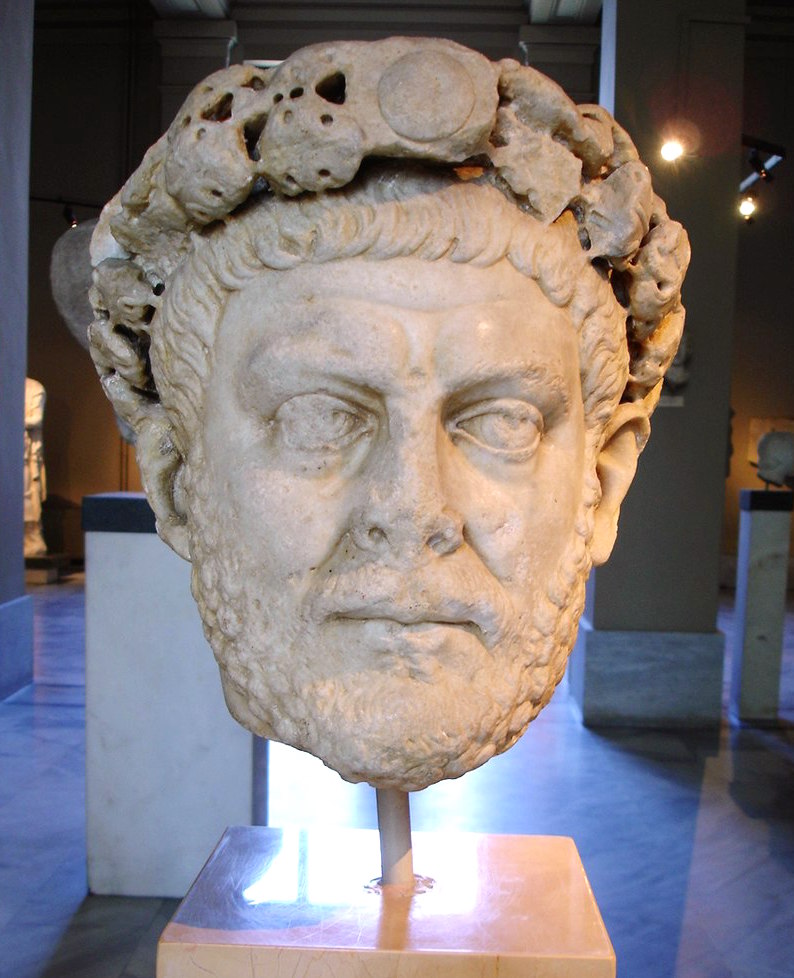
More Diocletian sources
Browse all 92 →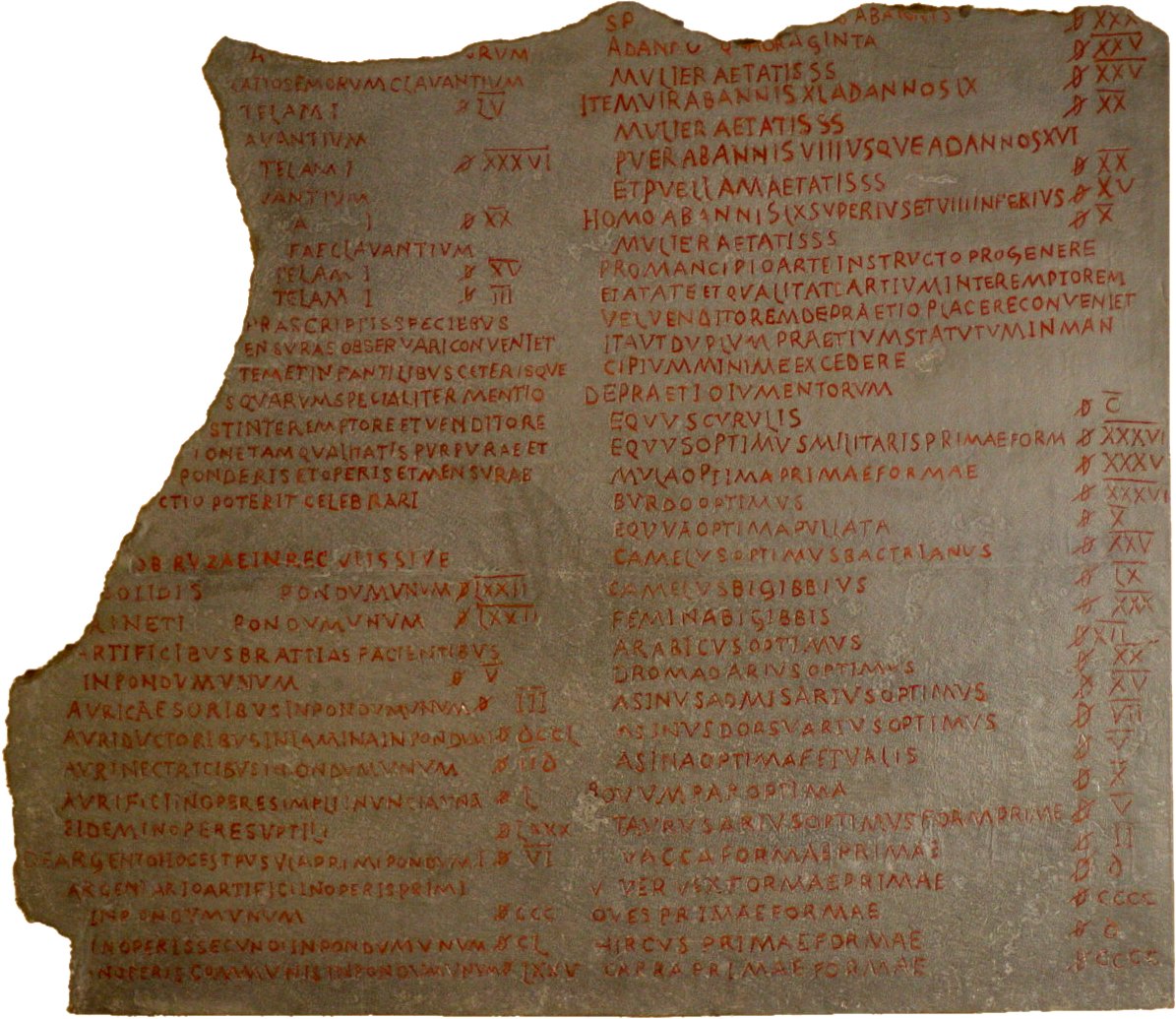 Document
Primary source
Edict on Maximum Prices
Diocletian · 301
 Artifact
Primary source
Diocletian's Palace
293
 Book
Secondary source
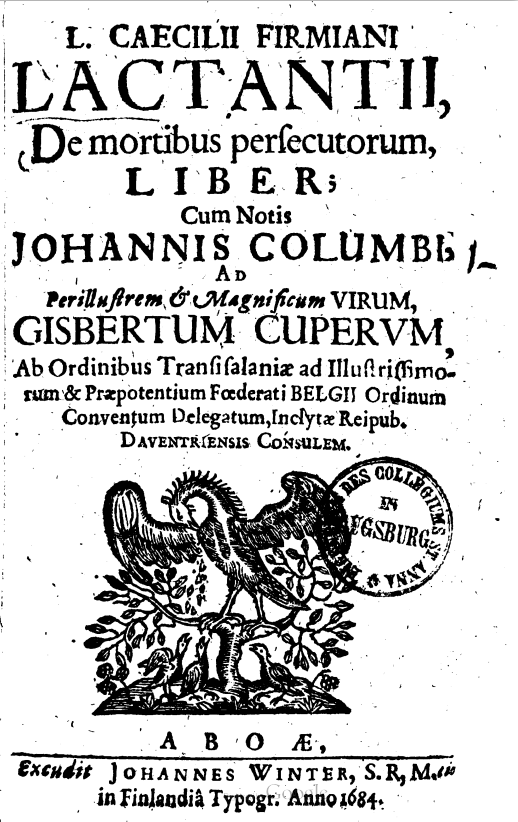
De mortibus persecutorum
Lactantius · after 316
 Sculpture
Primary source
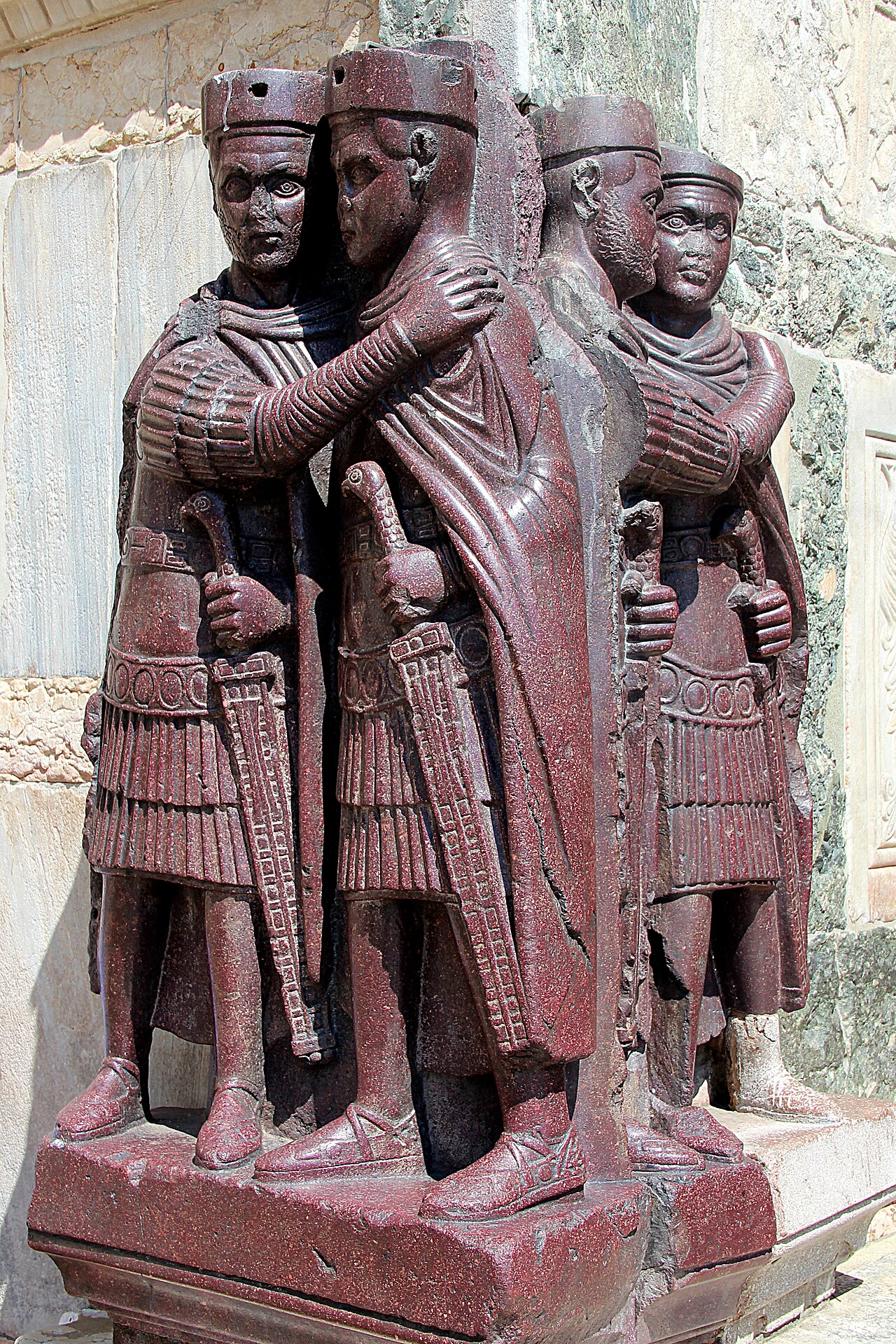
Portrait of the Four Tetrarchs
c. 300 CE
Free account
Read every Diocletian source
Sign up free →
Ready when you are
Start chatting with Diocletian now.
20 messages free · No credit card · Available in 50+ languages.