


Primary sourceBook
Prognostic
Hippocrates
A Hippocratic treatise on how a physician can predict the course of disease, including the famous description of the face of the dying.
This treatise is attributed to Hippocrates himself and shows his central idea that prognosis is the physician's key skill.
Free Humy account · No credit card · 120,288 sources to read
About this source
What it is
Prognostic is a written medical work attributed to Hippocrates, part of the collection of texts known as the Hippocratic Corpus. It explains how a physician should observe a patient's symptoms to foresee the course of an illness.
Why it matters
The text argues that predicting what will happen to a patient is the physician's most important skill, since this builds the sick person's trust. It includes the description later called the "Hippocratic face," the look of a person near death, which doctors still reference today. The work shows how ancient Greek medicine tried to move from guesswork toward careful observation.
Look closer
- Why might predicting the future of an illness have been more valued than curing it?
- What does this text suggest about how trust between doctor and patient was built in ancient Greece?
- What kinds of observations does the author rely on, and what might he be missing without modern instruments?
This book is part of the curated material that grounds the AI version of Hippocrates on Humy.ai — when students ask about related events, the AI can quote it and cite it.
More Hippocrates sources
Browse all 91 →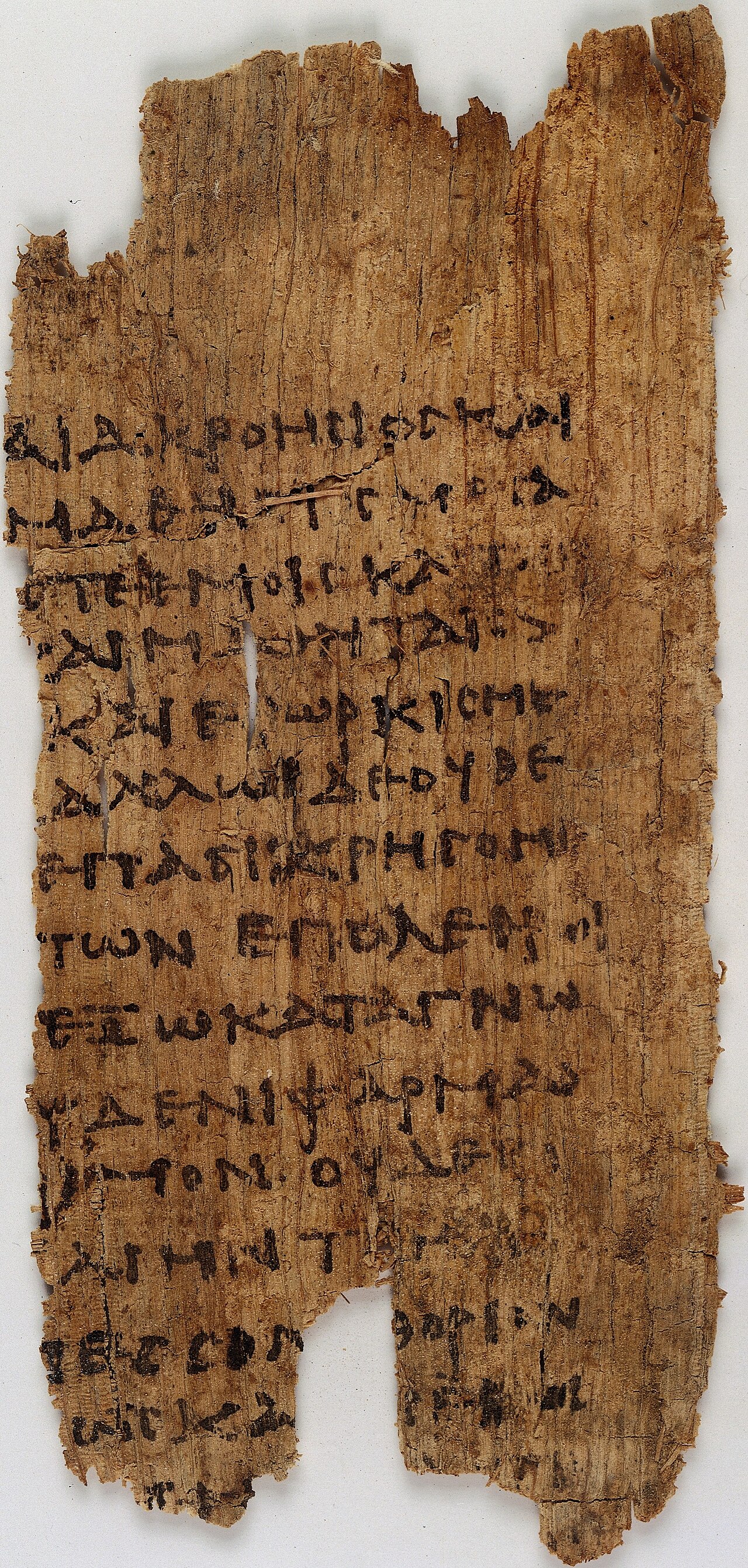 Document
Secondary source
Hippocratic Oath
Attributed to Hippocrates · 5th-3rd century BCE (text); papyrus fragment 3rd century AD
Secondary source
On the Sacred Disease
Attributed to Hippocrates · c. 400 BCE
Secondary source
Nature of Man
Attributed to Hippocrates or Polybus · Classical antiquity
Secondary source
Aphorisms
Attributed to Hippocrates · Classical antiquity

Free account
Read every Hippocrates source
Sign up free →
Ready when you are
Start chatting with Hippocrates now.
20 messages free · No credit card · Available in 50+ languages.