


Primary sourceDocument
Prologue Tablet of Hammurabi's Code
Hammurabi
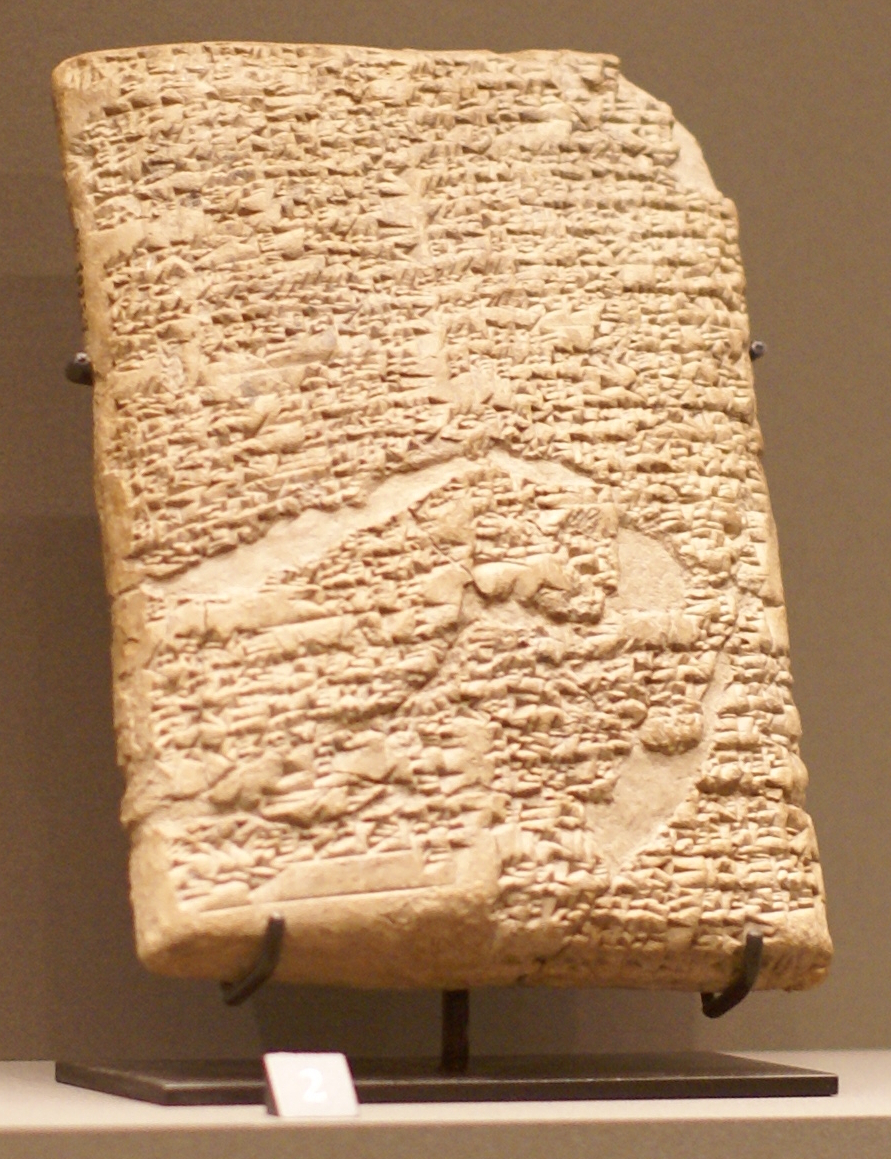
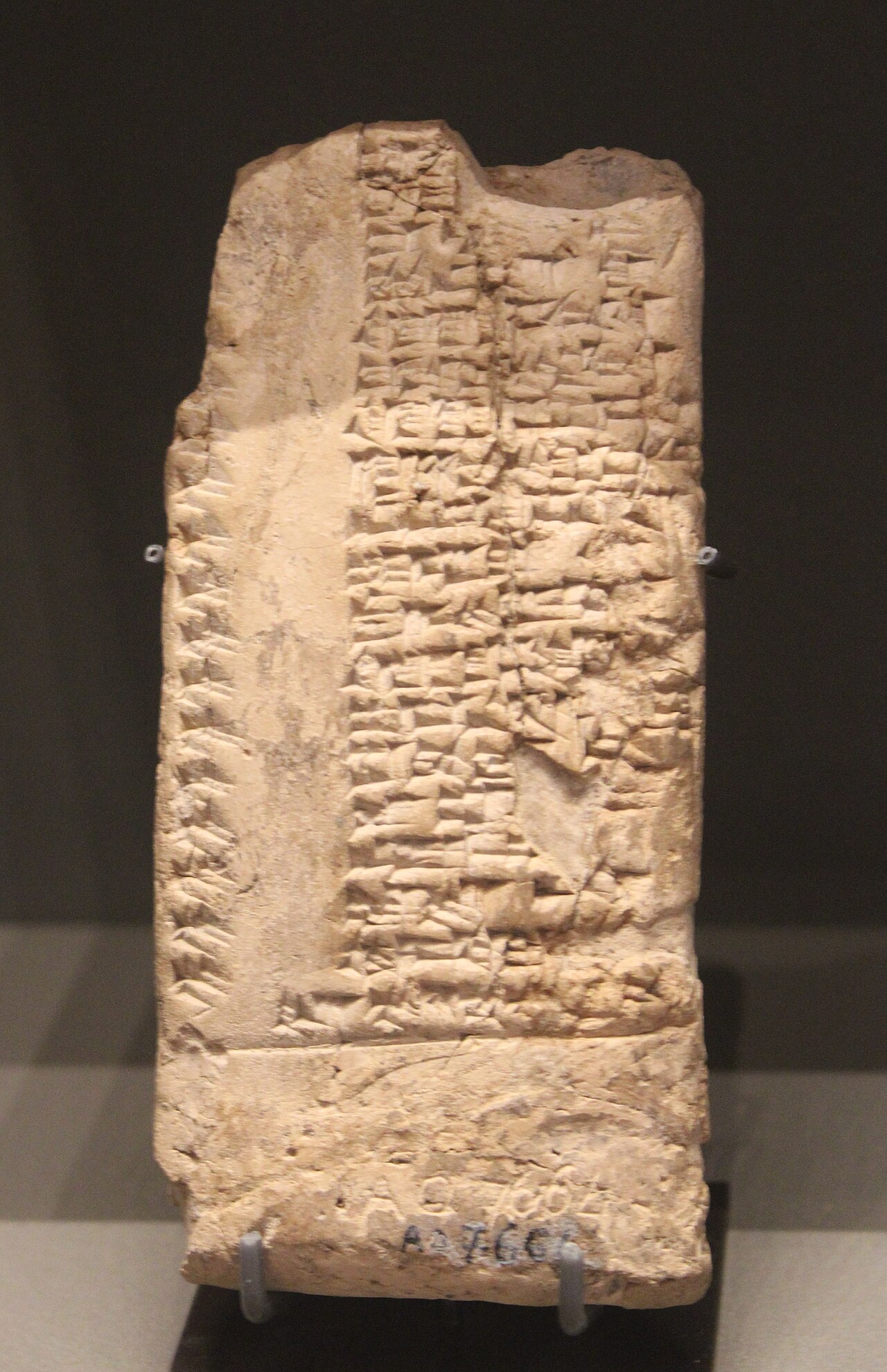
An ancient clay tablet bearing the prologue of Hammurabi's law code, now in the Louvre.
This tablet preserves the prologue of Hammurabi's code, presented in his own voice.
About this source
What it is
This clay tablet, covered in cuneiform writing, records the prologue to Hammurabi's famous code of laws. It is held at the Louvre Museum in Paris under the reference AO 10237.
Why it matters
The prologue is written as if in Hammurabi's own voice, introducing himself and his purpose in issuing the laws. This makes the tablet valuable evidence for how Hammurabi wanted to present himself as a just and powerful ruler to his people and to history.
Look closer
- Why might a king want to explain his reasons for creating laws at the very start of the document?
- What does writing a law code 'in the king's own words' tell us about how rulers used writing to build authority?
- How is a clay tablet different from a stone stele as a way of recording the same text?
This document is part of the curated material that grounds the AI version of Hammurabi on Humy.ai — when students ask about related events, the AI can quote it and cite it.
More Hammurabi sources
Meet the AI Hammurabi →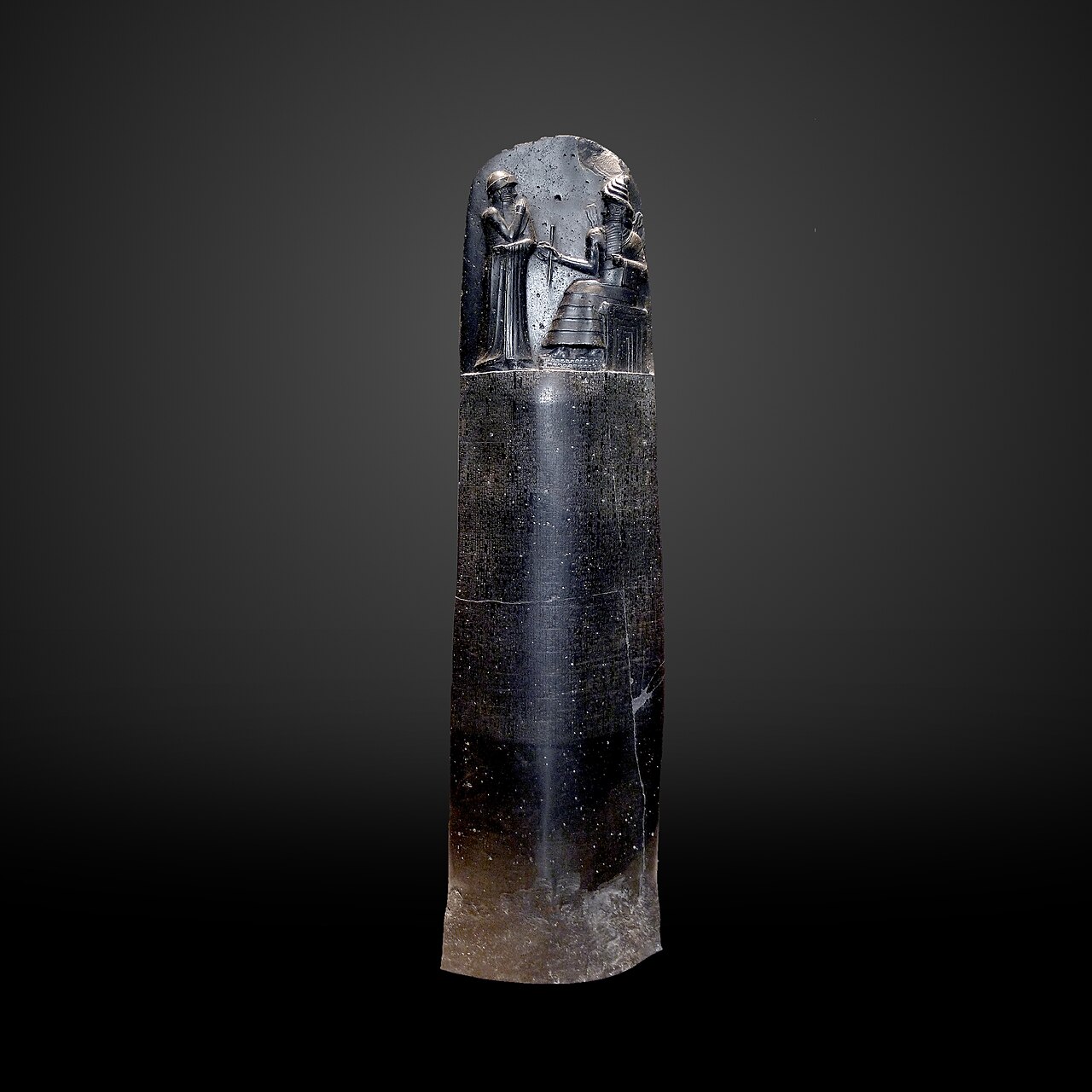 Document
Primary source
Code of Hammurabi
Hammurabi · c. 1753 BCE
 Sculpture
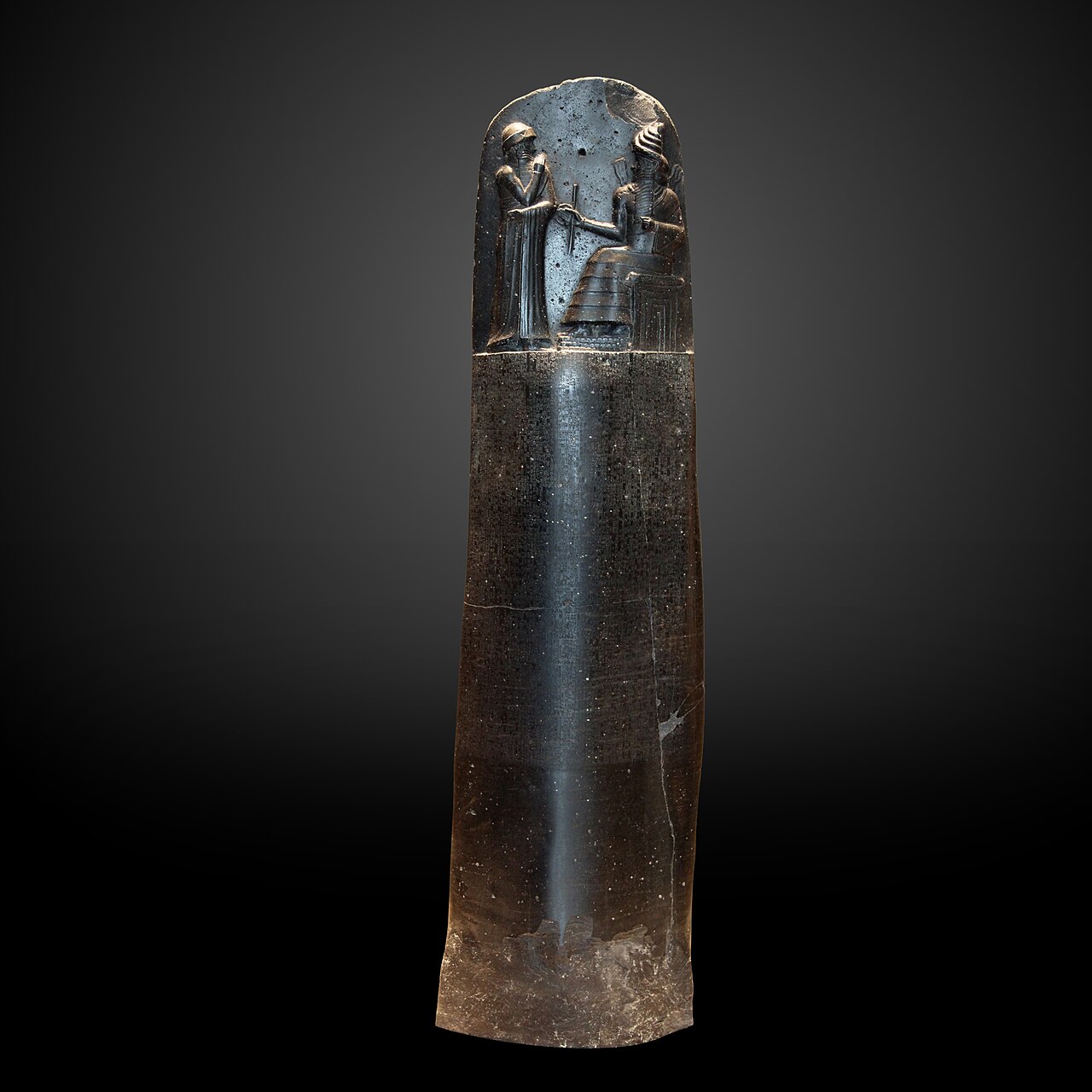
Primary source
Stele with the Code of Hammurabi
Hammurabi · c. 1792 BCE
 Letter
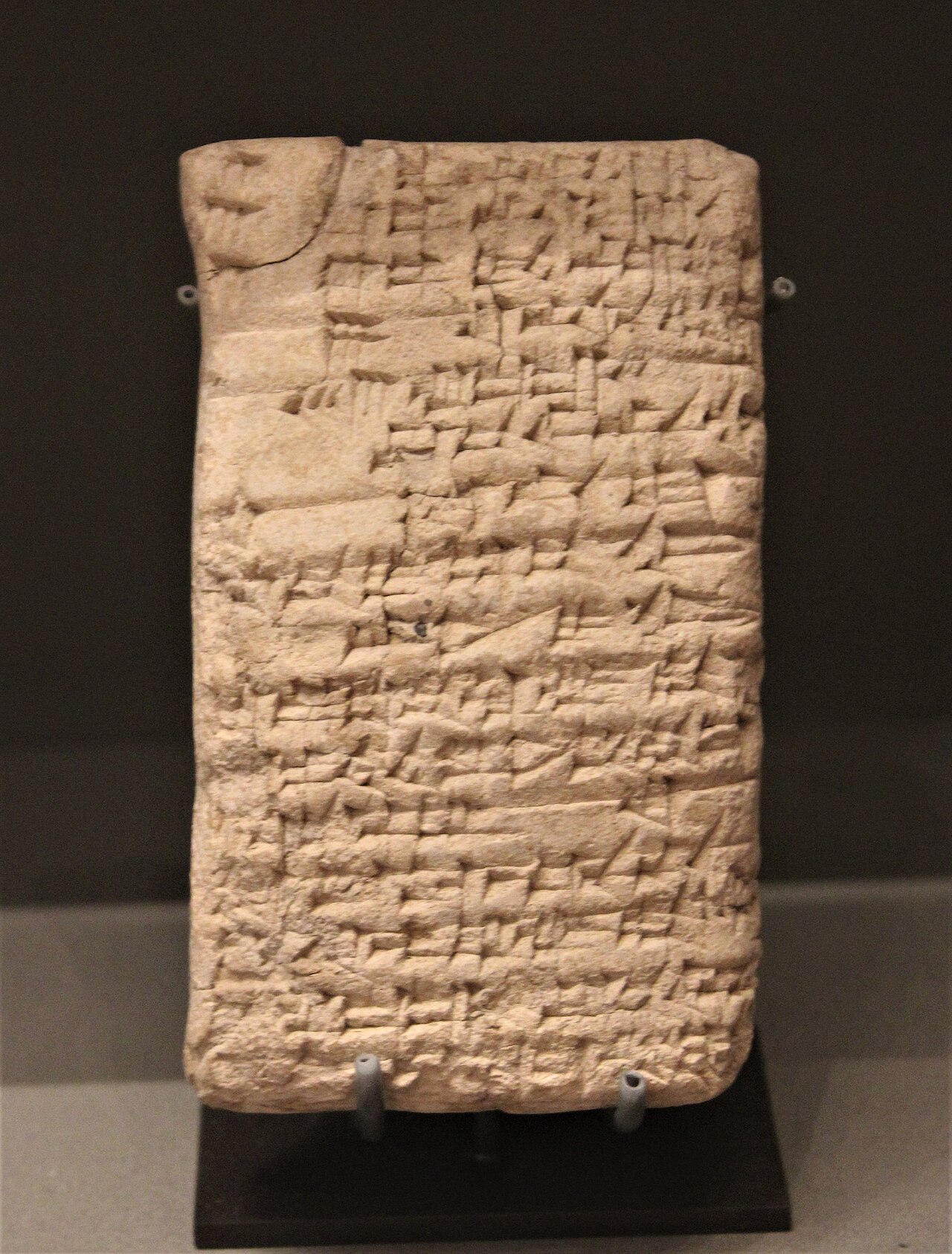
Primary source
Letter from Hammurabi to Sîn-iddinam
Hammurabi · c. 1792-1750 BCE
 Document
Primary source
List of the year-names of Hammurabi's reign
Old Babylonian period, reign of Hammurabi (c. 1792-1750 BCE)
 Document
Secondary source
Chronicle of Early Kings
Babylonian scribes · c. 6th century BCE copy
Ready when you are
Start chatting with Hammurabi now.
20 messages free · No credit card · Available in 50+ languages.