


Secondary sourcePaintingcirca 1630
Pythagoras
Jusepe de Ribera · circa 1630
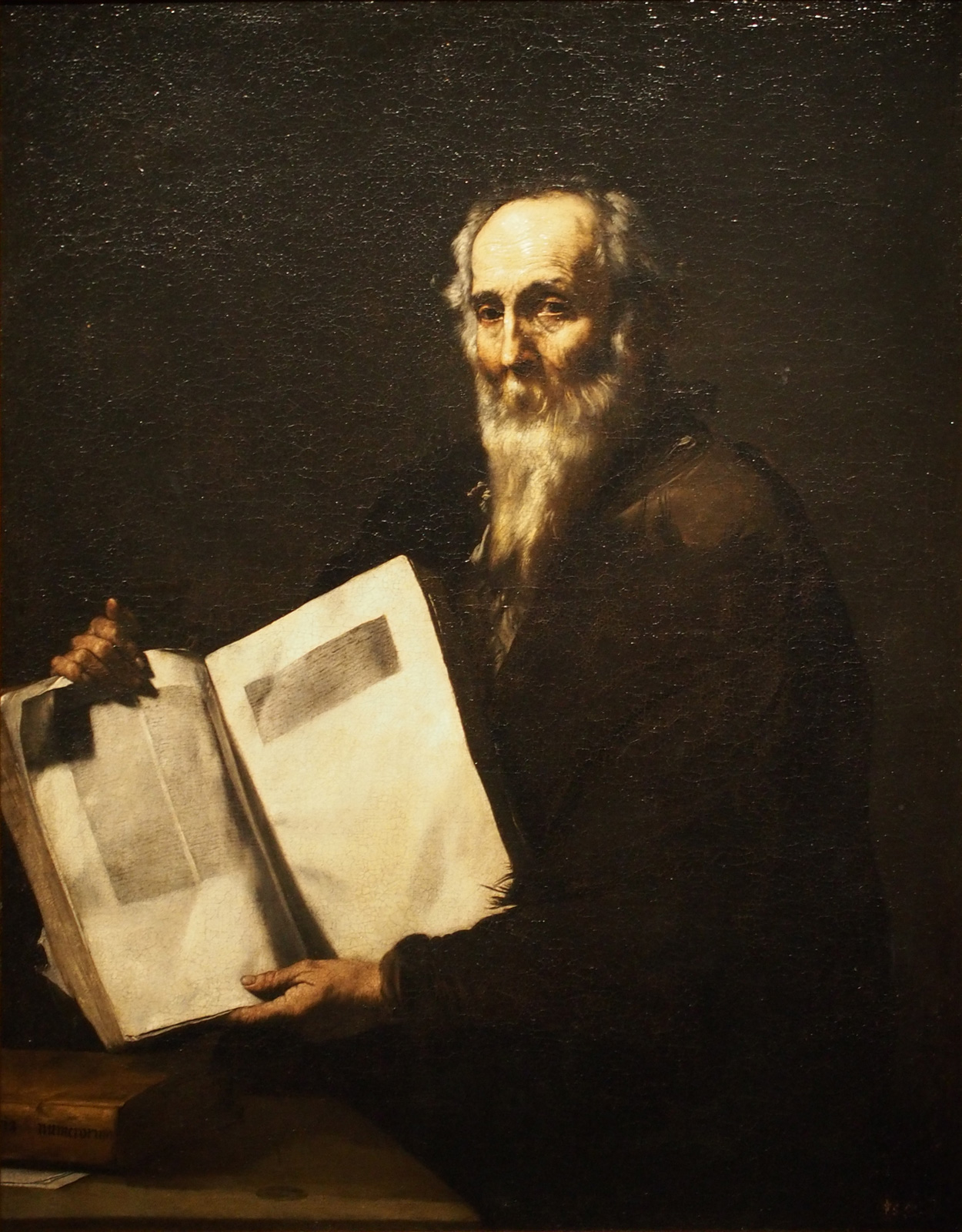
A Baroque oil painting imagining the Greek philosopher and mathematician Pythagoras as an elderly bearded scholar with a book.
An imagined 17th-century portrait created long after Pythagoras's lifetime, showing how later artists pictured him.
About this source
What it is
This oil painting, made around 1630 by the Spanish Baroque artist Jusepe de Ribera, represents the Greek philosopher and mathematician Pythagoras. It shows an elderly bearded man with a bald crown of gray hair, wearing a dark robe and holding an open book with blank pages, while a closed book lies on a table nearby against a dark background.
Why it matters
Because no portrait of Pythagoras survives from his own lifetime, painters like Ribera created imagined images of him centuries later, based on ideas of what a wise ancient philosopher should look like. This painting tells us more about how 17th-century artists and thinkers pictured ancient wisdom than about Pythagoras's real appearance.
Look closer
- Why do you think the artist chose to show Pythagoras as an old man with books?
- What does the blank page in the open book suggest, and why might the artist have left it empty?
- Since no real portrait of Pythagoras exists, what choices did Ribera have to make up himself?
This painting is part of the curated material that grounds the AI version of Pythagoras on Humy.ai — when students ask about related events, the AI can quote it and cite it.
More Pythagoras sources
Meet the AI Pythagoras → Book
Secondary source
Lives and Opinions of Eminent Philosophers, Book V (Life of Aristotle)
Diogenes Laërtius · c. 3rd century CE
 Book
Secondary source
Histories
Herodotus · c. 440 BCE
 Painting
Secondary source
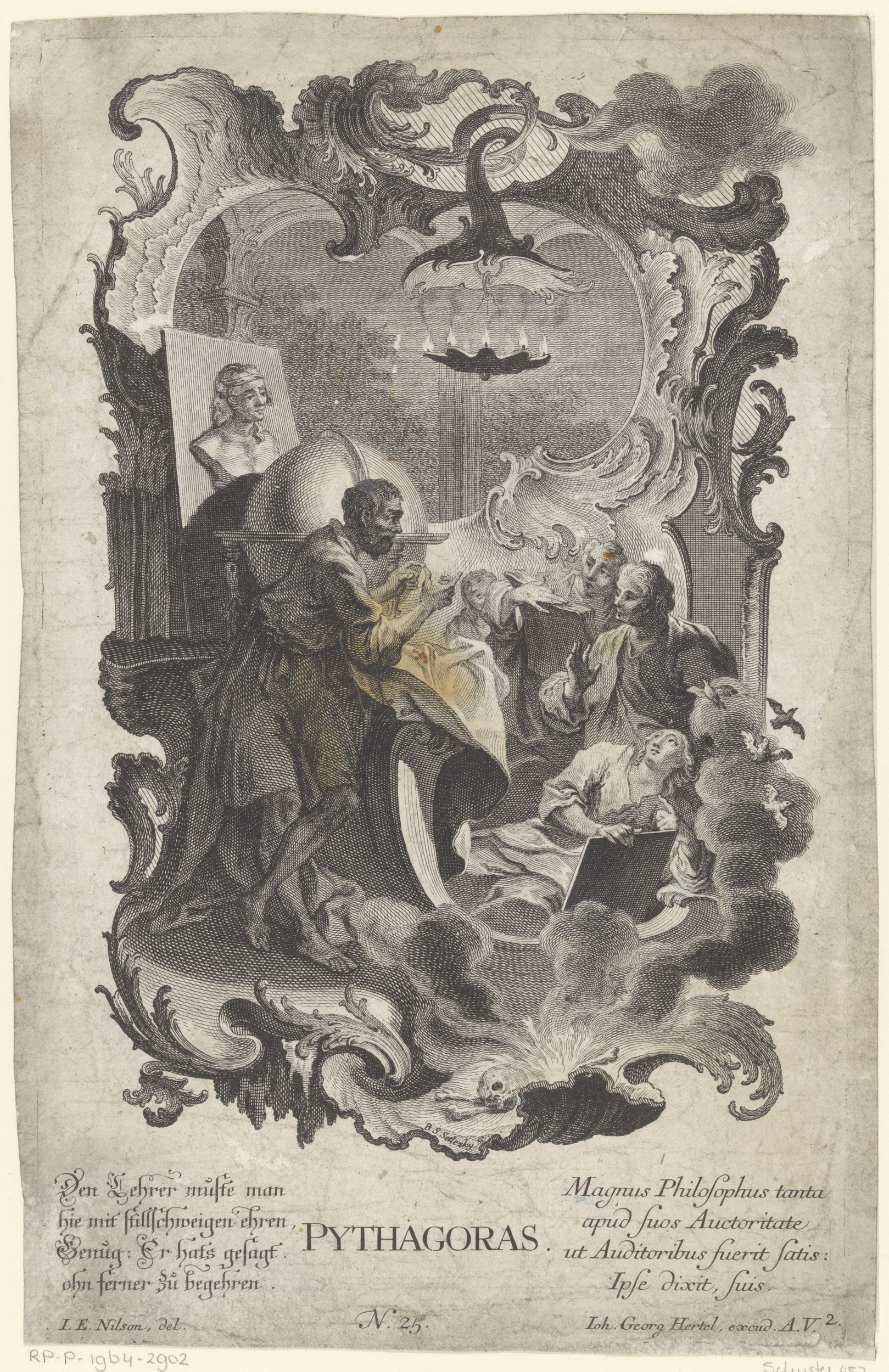
Pythagoras Leaning on a Globe with Four Listeners
 Book
Secondary source
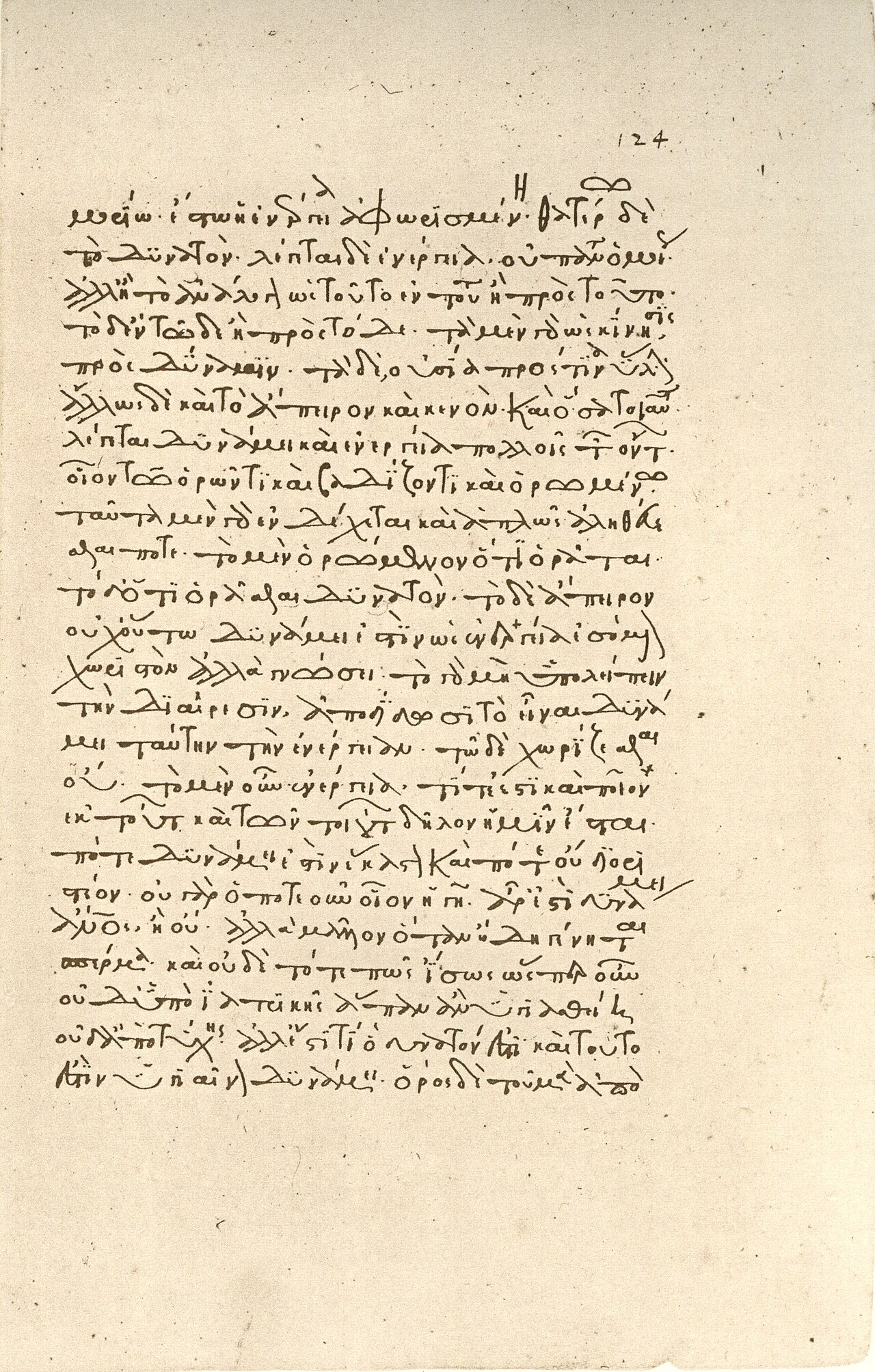
Metaphysics
Aristotle · c. 400 BCE
 Painting
Secondary source
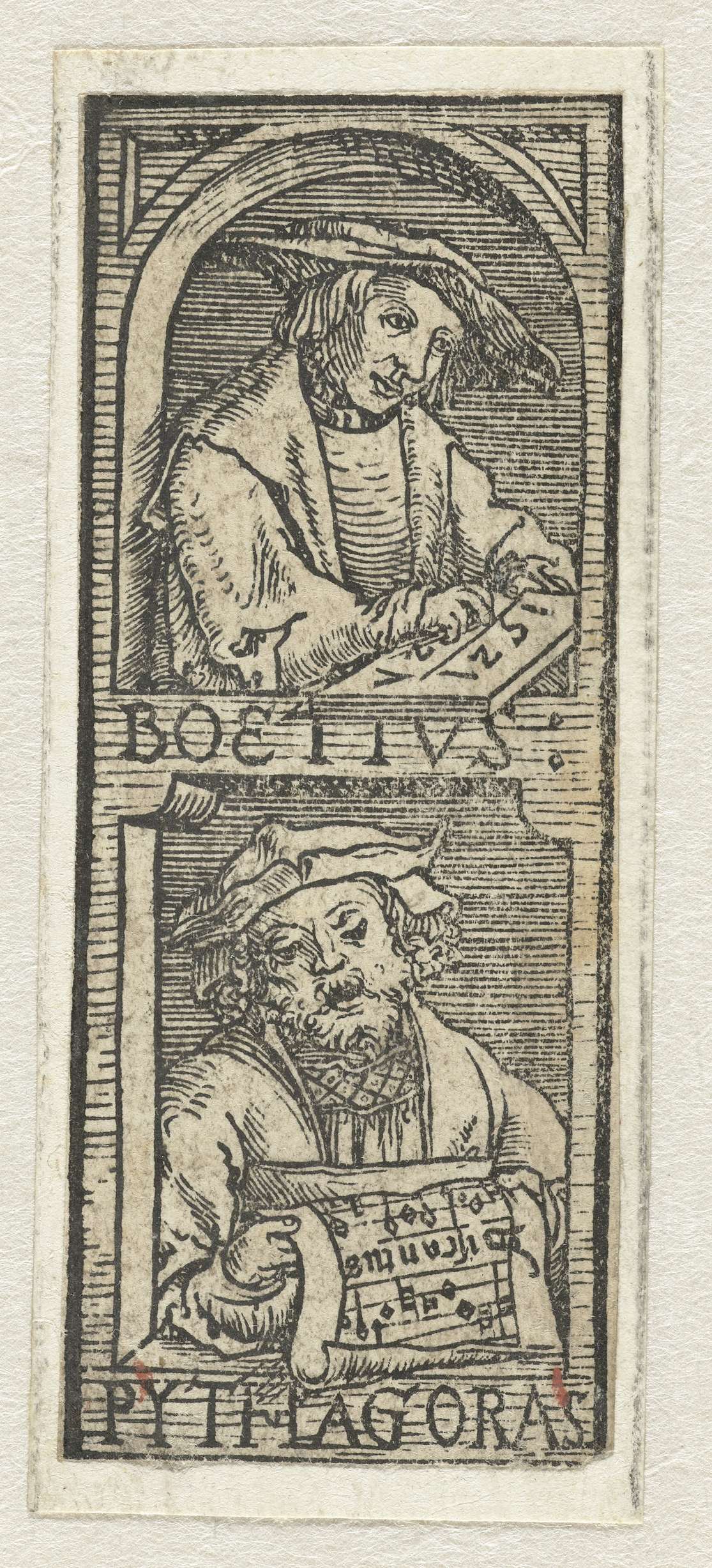
Boethius and Pythagoras
1521
Ready when you are
Start chatting with Pythagoras now.
20 messages free · No credit card · Available in 50+ languages.