


Secondary sourceArtifactRoman imperial era
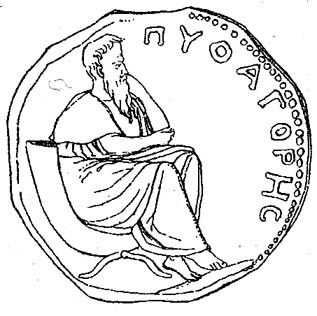
Pythagoras on a Samian Coin
Roman imperial era
A Roman-era coin from Samos showing Pythagoras seated with a globe, honoring him as the island's famous native son.
This coin from his home island of Samos shows how Pythagoras became a celebrated civic hero long after his death.
About this source
What it is
This is an image of a coin minted on Samos during the Roman imperial era, showing a seated bearded man identified by the Greek inscription ΠΥΘΑΓΟΡΗΣ (Pythagoras). He is shown holding a globe, in long draped robes, with his chin resting on his hand.
Why it matters
Centuries after Pythagoras lived, his home island of Samos used his image on its coinage to claim him as a civic hero. This shows how much his fame had grown over time, and how communities used the images of famous thinkers to boost their own prestige.
Look closer
- Why might Samos want to put Pythagoras on its coins long after his death?
- What does the globe in his hand suggest about how people remembered his ideas?
- How does an image made centuries later differ from a portrait made during someone's lifetime?
This artifact is part of the curated material that grounds the AI version of Pythagoras on Humy.ai — when students ask about related events, the AI can quote it and cite it.
More Pythagoras sources
Meet the AI Pythagoras → Book
Secondary source
Lives and Opinions of Eminent Philosophers, Book V (Life of Aristotle)
Diogenes Laërtius · c. 3rd century CE
 Book
Secondary source
Histories
Herodotus · c. 440 BCE
 Painting
Secondary source
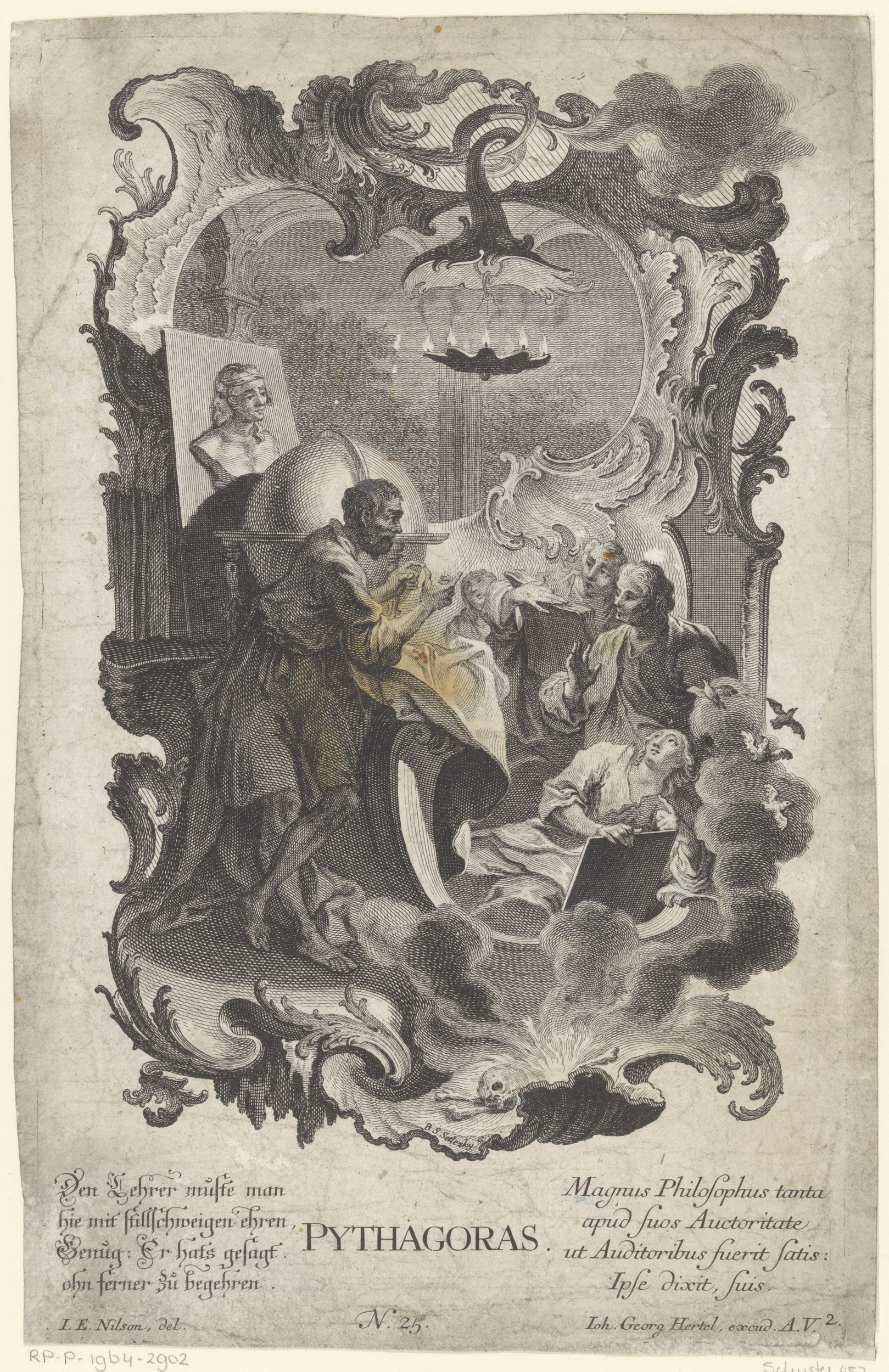
Pythagoras Leaning on a Globe with Four Listeners
 Book
Secondary source
Metaphysics
Aristotle · c. 400 BCE
 Painting
Secondary source
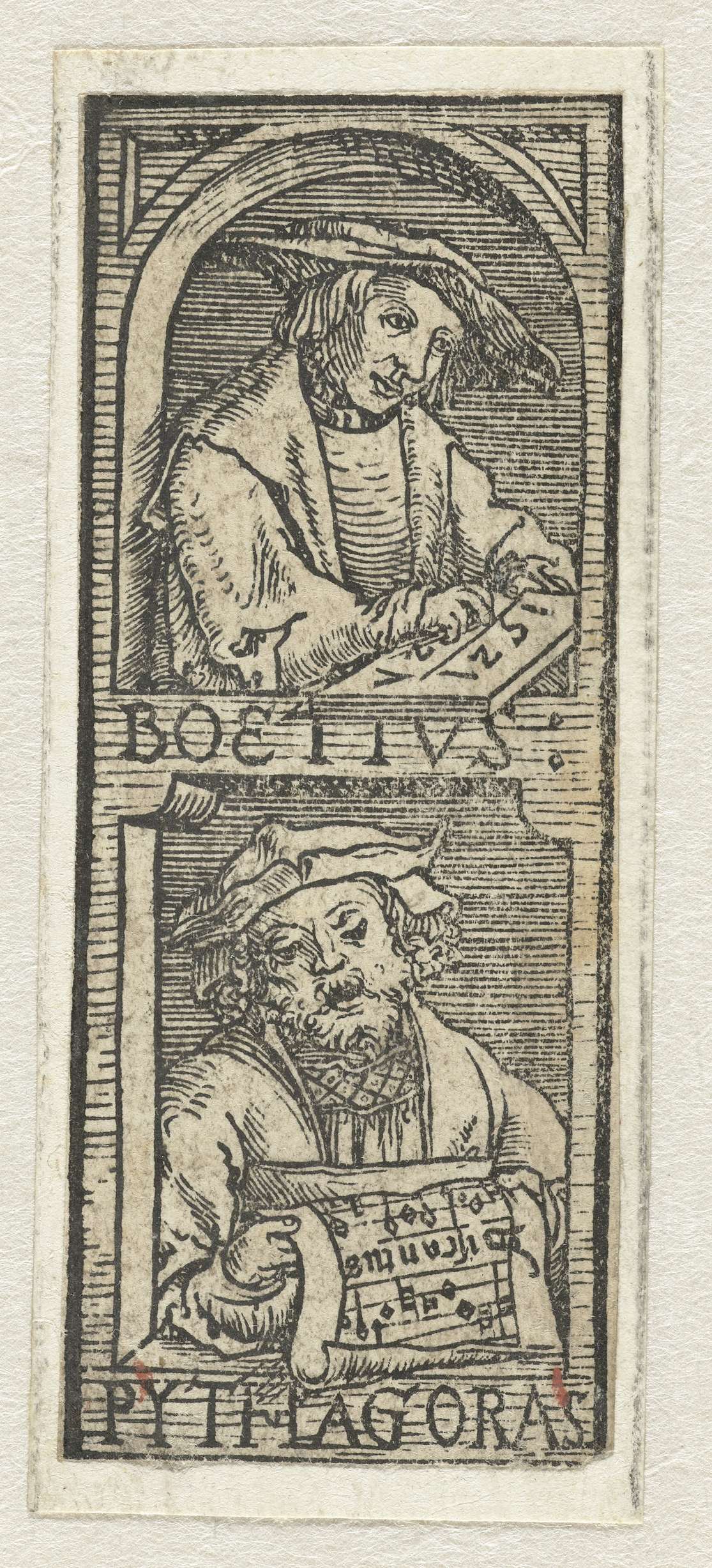
Boethius and Pythagoras
1521
Ready when you are
Start chatting with Pythagoras now.
20 messages free · No credit card · Available in 50+ languages.