


Secondary sourceBook1919
Pythagoras Source Book, Part 2, Chapter 13: Fragments of Aristoxenus
Kenneth Sylvan Guthrie · 1919
A compiled chapter of ancient sayings and teachings attributed to Pythagoras, gathered through the writings of Aristoxenus.
This compiled source book preserves ancient testimony about Pythagoras's teachings through later writers.
About this source
What it is
This chapter comes from a 1919 source book compiled by Kenneth Sylvan Guthrie, collecting ancient testimony about Pythagoras. This section gathers fragments attributed to the ancient writer Aristoxenus of Tarentum, who recorded sayings and teachings associated with Pythagorean philosophy.
Why it matters
Because Pythagoras left no writings of his own, modern knowledge of his teachings depends on later ancient writers like Aristoxenus, whose accounts were themselves gathered centuries later by scholars like Guthrie. This layered chain shows how fragile and indirect our knowledge of ancient philosophers can be.
Look closer
- Why is it significant that none of these words are claimed to be Pythagoras's own?
- How many steps separate us from the original teachings, based on what this chapter tells us?
- What kind of behavior and values do these sayings emphasize?
This book is part of the curated material that grounds the AI version of Pythagoras on Humy.ai — when students ask about related events, the AI can quote it and cite it.
More Pythagoras sources
Meet the AI Pythagoras → Book
Secondary source
Lives and Opinions of Eminent Philosophers, Book V (Life of Aristotle)
Diogenes Laërtius · c. 3rd century CE
 Book
Secondary source
Histories
Herodotus · c. 440 BCE
 Painting
Secondary source
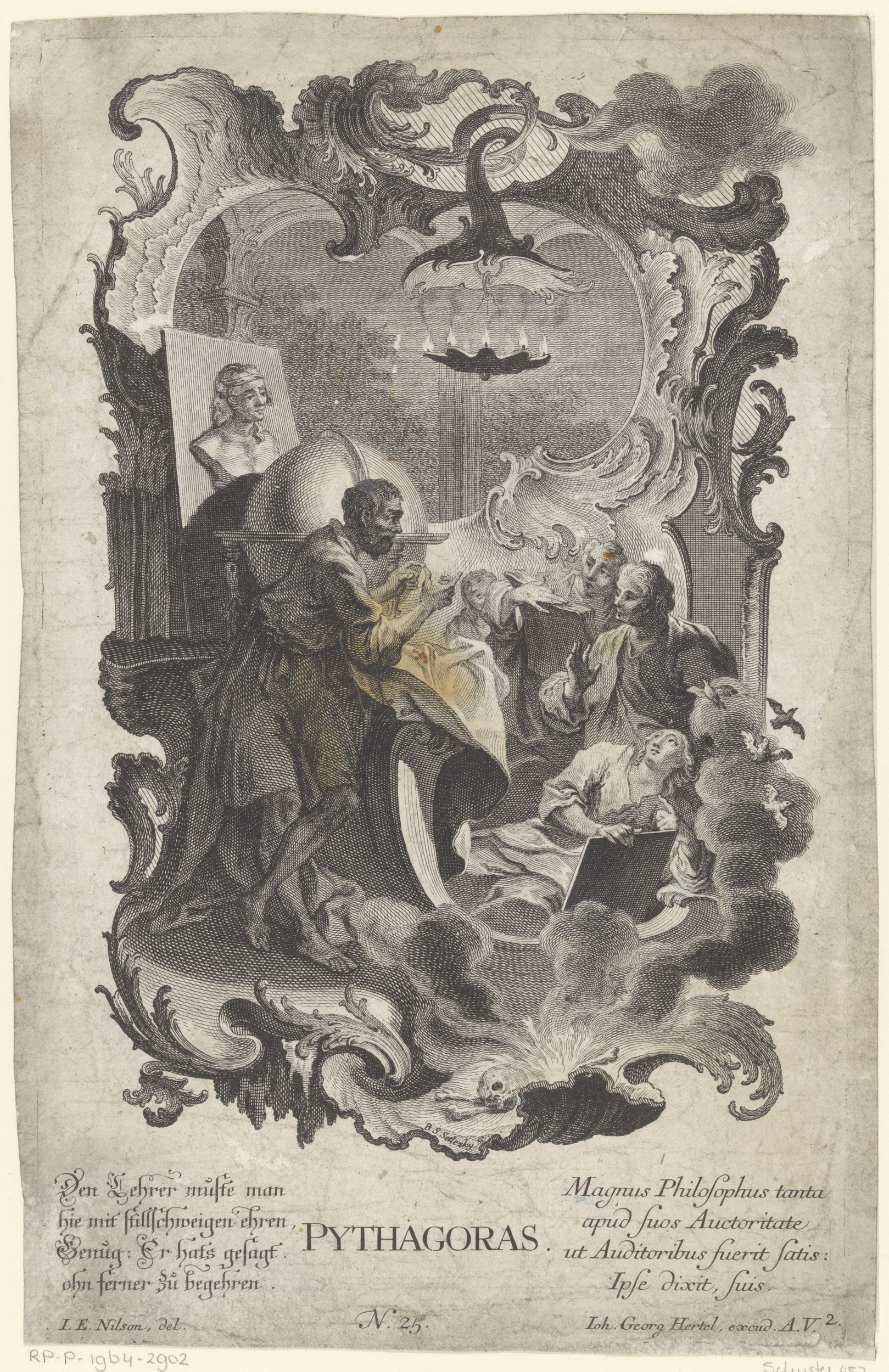
Pythagoras Leaning on a Globe with Four Listeners
 Book
Secondary source
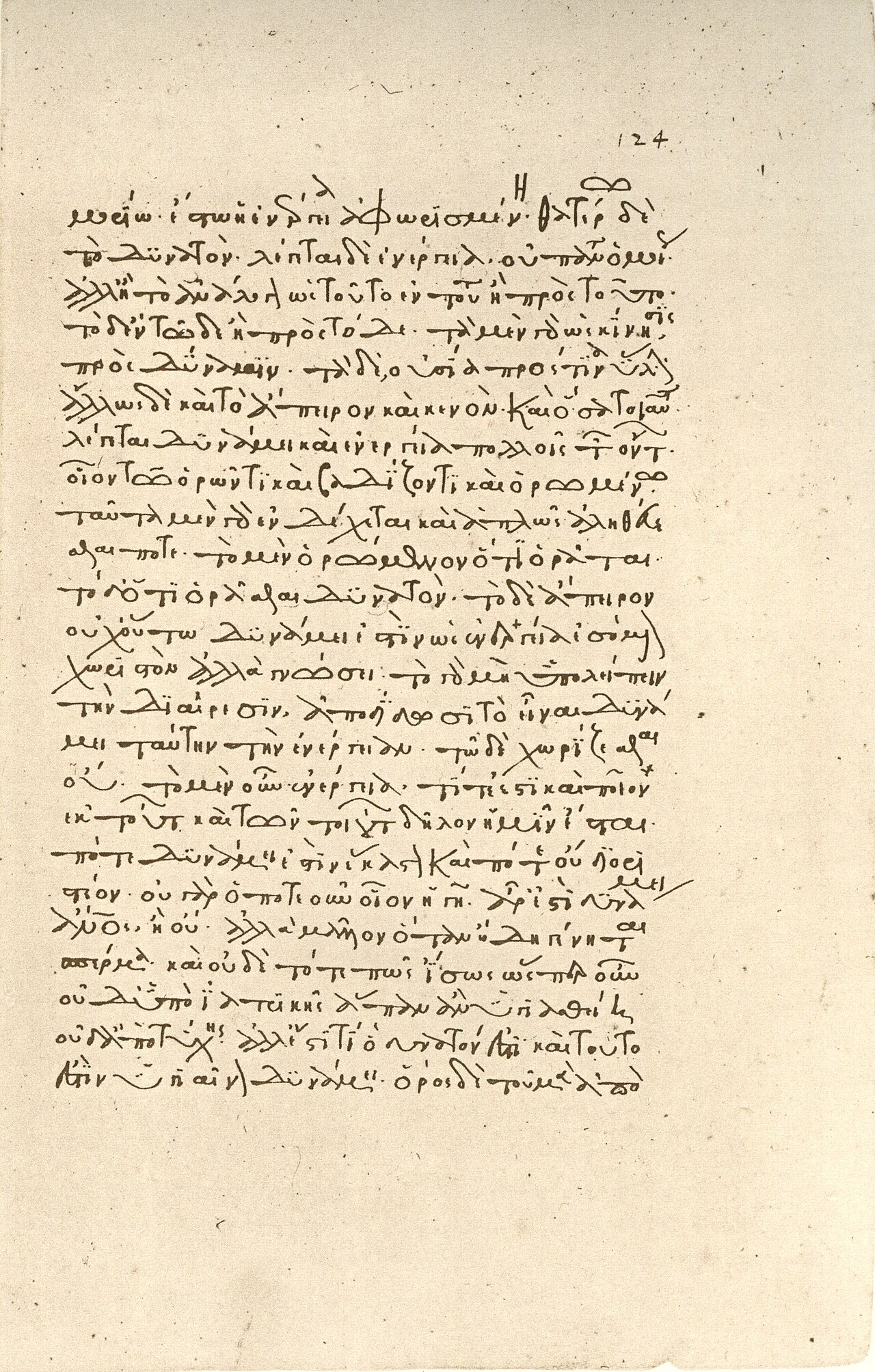
Metaphysics
Aristotle · c. 400 BCE
 Painting
Secondary source
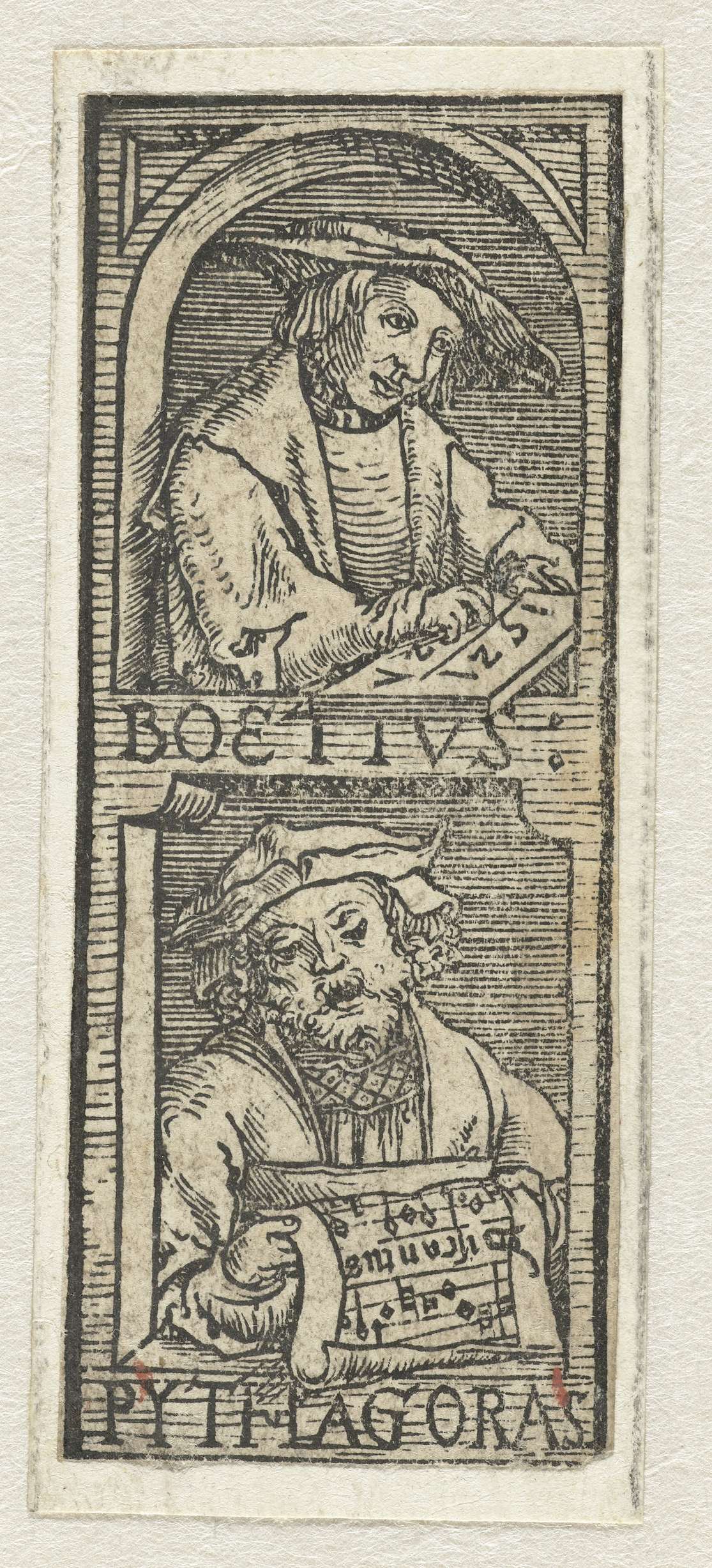
Boethius and Pythagoras
1521
Ready when you are
Start chatting with Pythagoras now.
20 messages free · No credit card · Available in 50+ languages.