


Secondary sourceArtifact1009 or 1010 CE
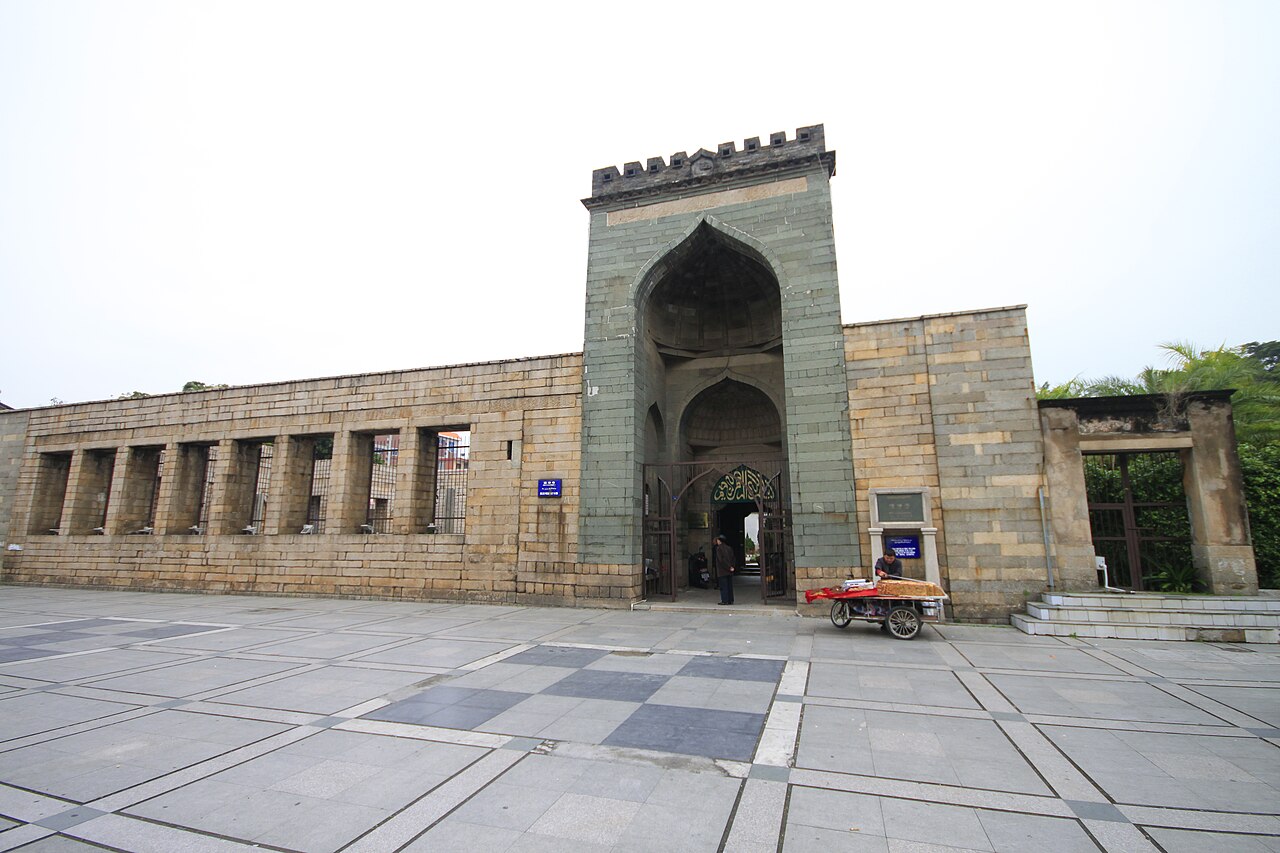
Qingjing Mosque
1009 or 1010 CE
An ancient mosque in Quanzhou, China, the port city where Ibn Battuta landed and found a thriving Muslim merchant community.
This mosque marks the Muslim merchant community Ibn Battuta encountered on landing at Quanzhou, China.
About this source
What it is
Qingjing Mosque, also called the Ashab Mosque, stands in Quanzhou, Fujian, China, and was built in the early 11th century. Its surviving stone gateway blends Arabic and Chinese architectural styles.
Why it matters
Quanzhou, known to Arab travellers as Zaitun, was a major international trading port with a large foreign Muslim population of merchants from Arabia, Persia and elsewhere. Ibn Battuta landed here on his journey to China and described the Muslim community he found, and this mosque is physical evidence of the long-distance Islamic trade networks he travelled along.
Look closer
- What does a building combining Arabic and Chinese styles tell you about the people who used it?
- Why would a Muslim traveller feel at home in a foreign port that had a mosque like this?
- What does the mosque's survival over many dynasties suggest about the status of its community?
This artifact is part of the curated material that grounds the AI version of Ibn Battuta on Humy.ai — when students ask about related events, the AI can quote it and cite it.
More Ibn Battuta sources
Meet the AI Ibn Battuta →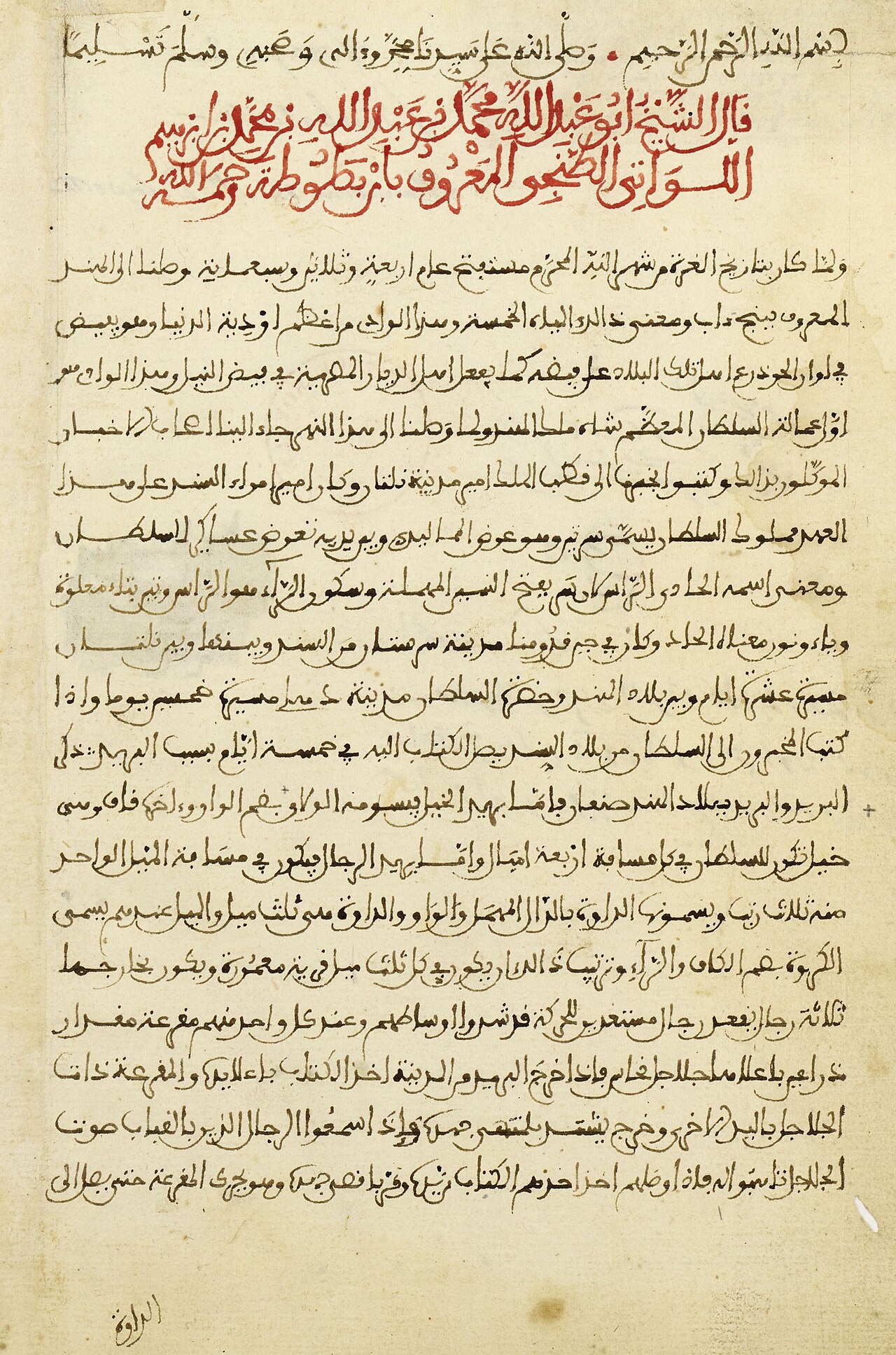 Book
Primary source
The Rihla
Ibn Battuta · 1354-1356
 Book
Primary source
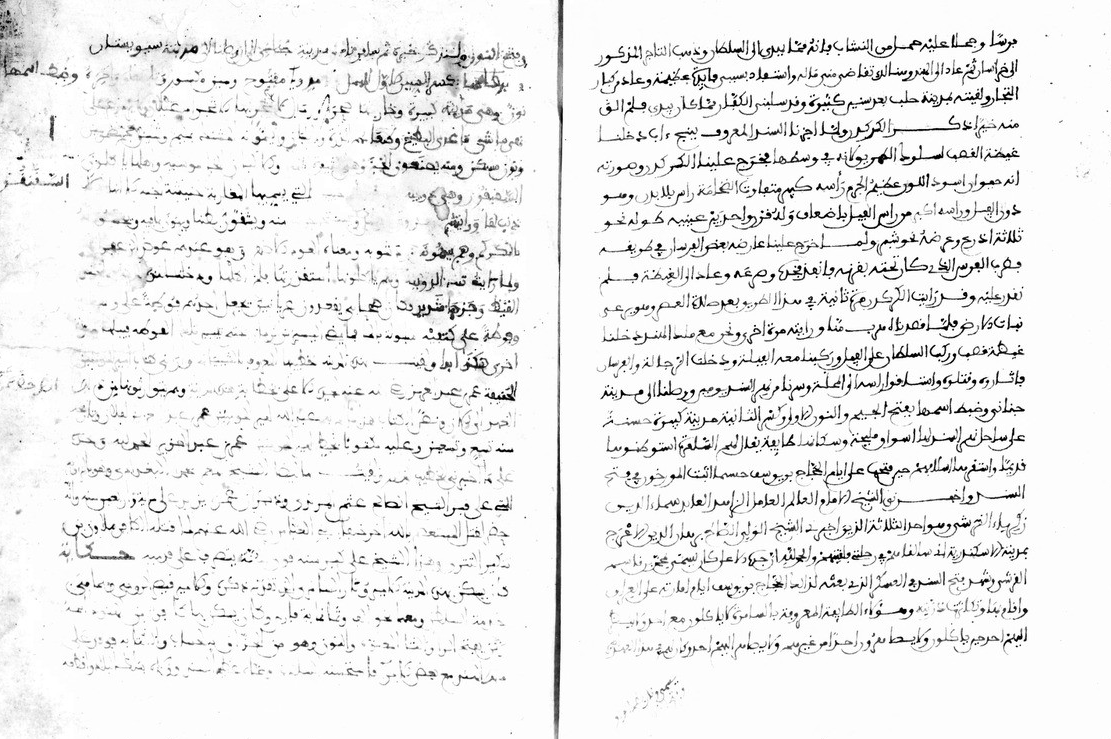
Manuscript of the Rihla by Ibn Juzayy
Ibn Juzayy · 14th century
 Artifact
Secondary source
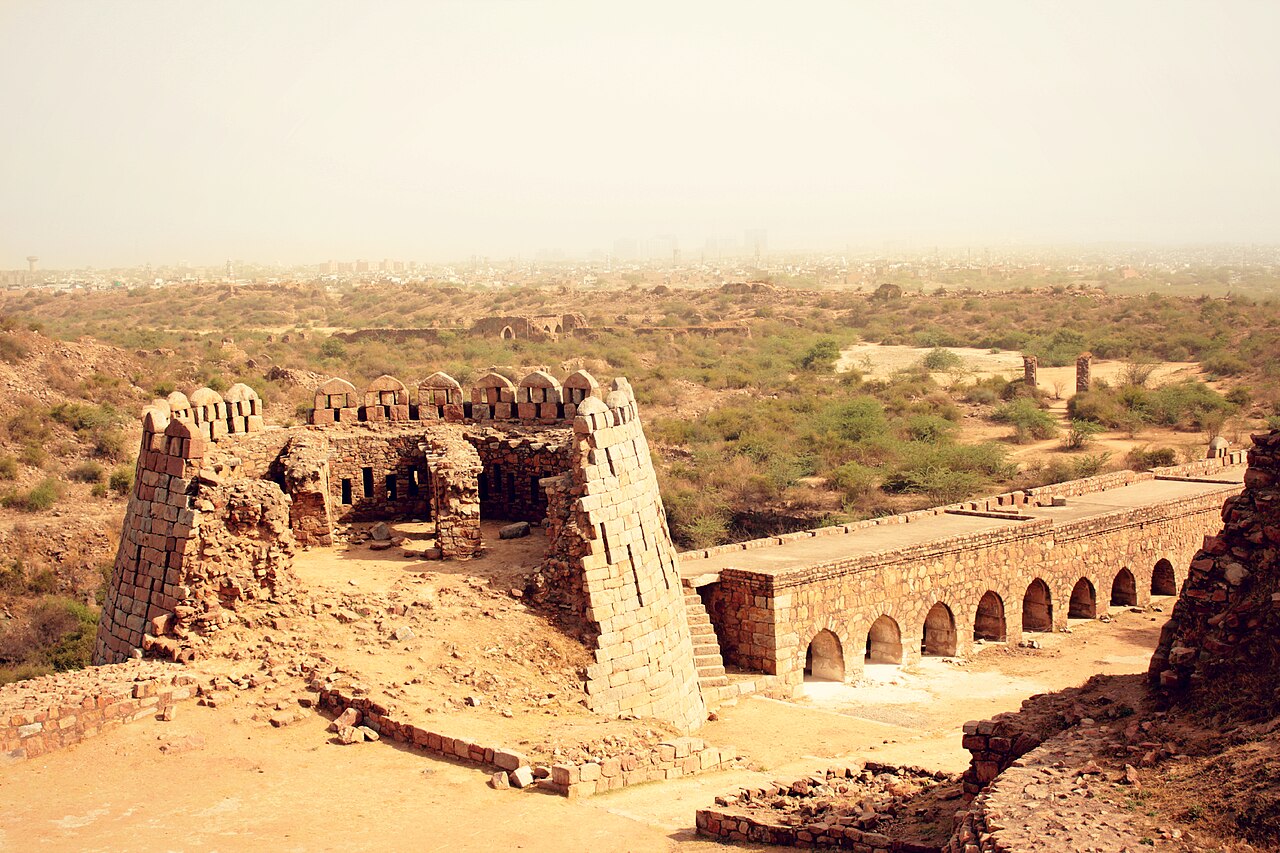
Tughlaqabad Fort
Ghiyath al-Din Tughluq · 1321
 Book
Secondary source
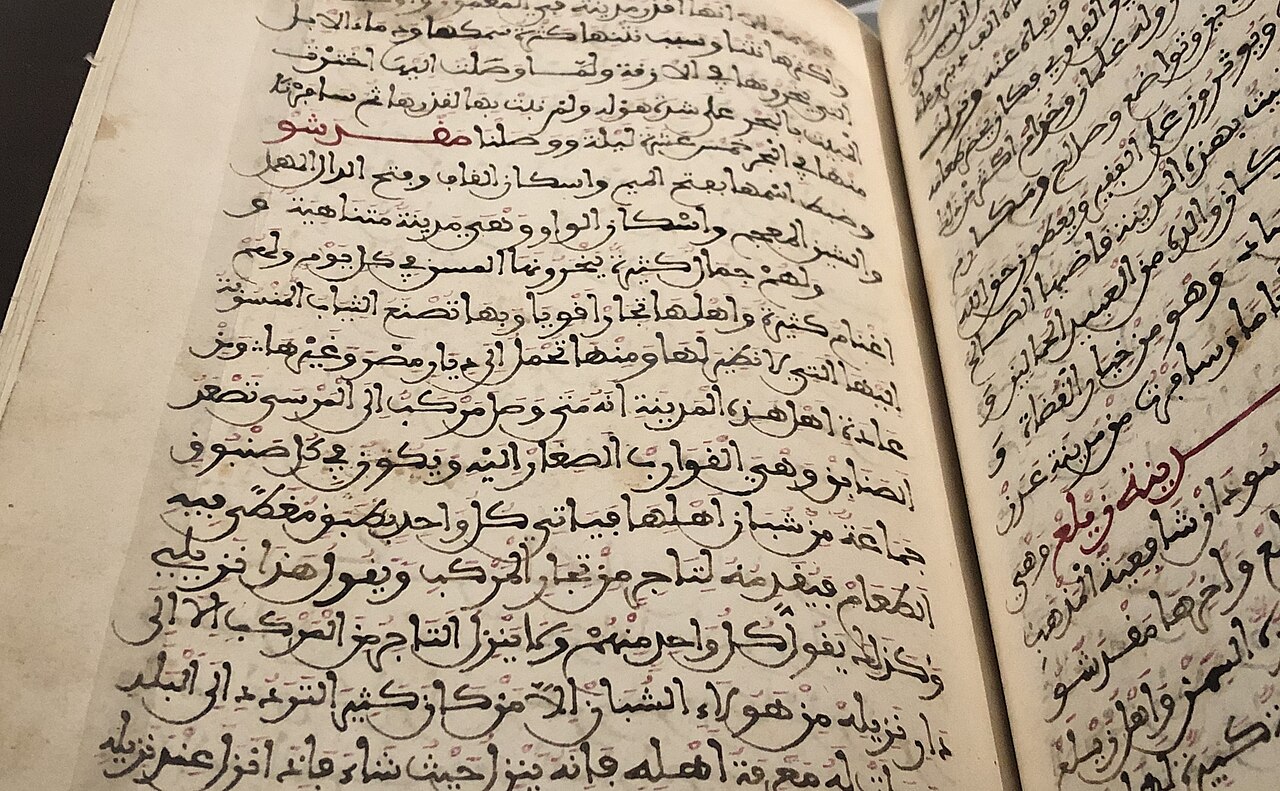
Manuscript copy of the Rihla (1484)
Ibn Juzayy · 1484
 Painting
Primary source
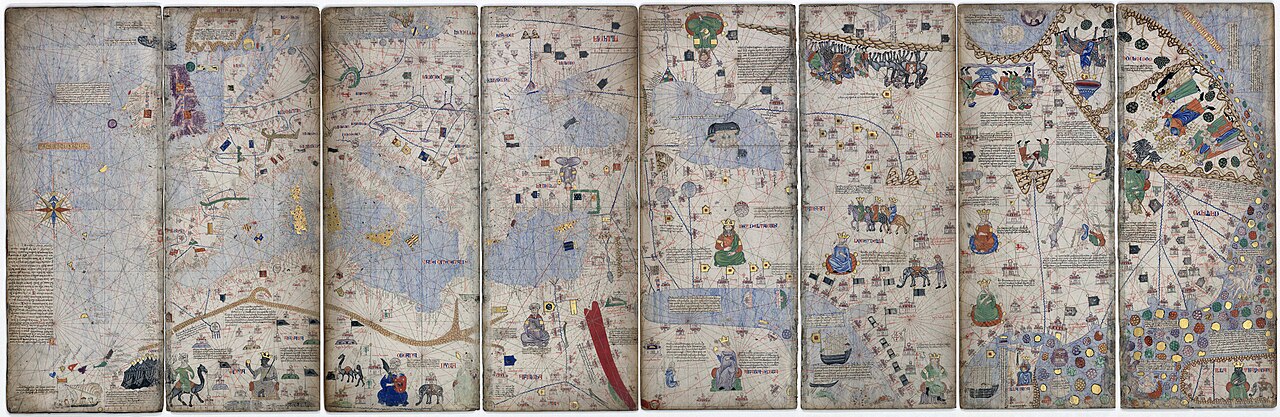
Catalan Atlas
Cresques Abraham · c. 1375
Ready when you are
Start chatting with Ibn Battuta now.
20 messages free · No credit card · Available in 50+ languages.