


Secondary sourceBook
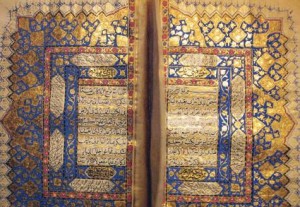
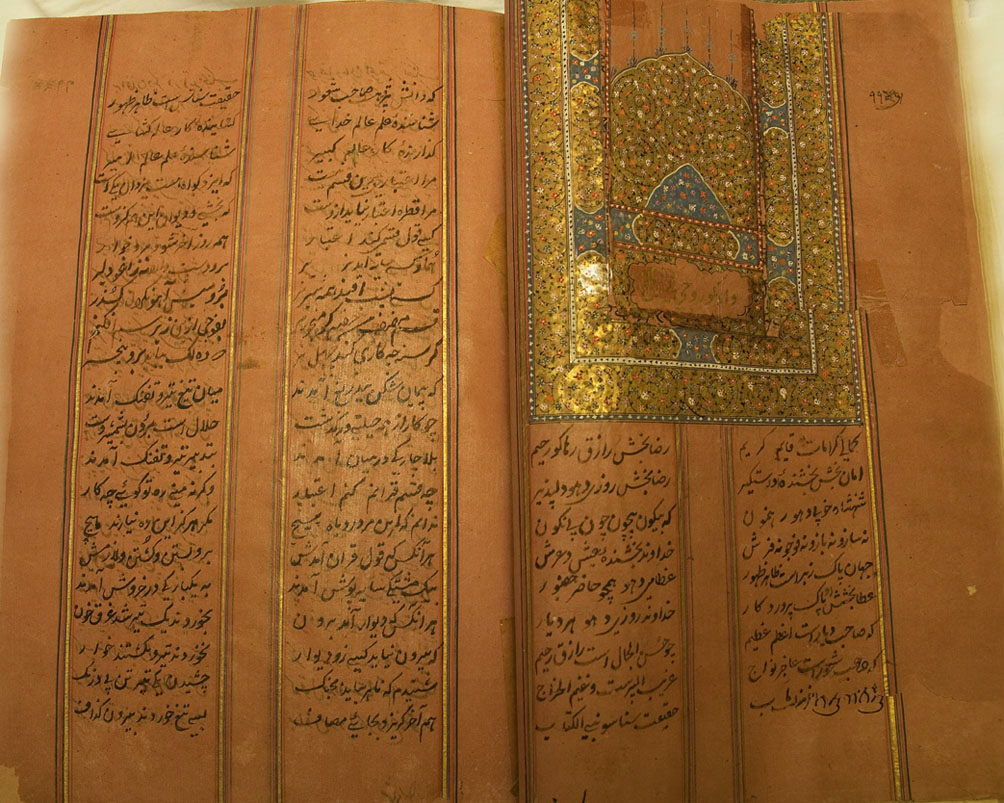
Qur'an Manuscript Attributed to Aurangzeb
A lavishly decorated Qur'an manuscript traditionally said to be partly handwritten by Aurangzeb himself, though the attribution is not proven.
Tradition attributes part of this Qur'an's calligraphy to Aurangzeb's own hand, reflecting his reputation for personal piety.
About this source
What it is
This is a Qur'an manuscript with gold decoration, measuring about 14.5 by 24 centimetres, written in ink made from valuable minerals and inlaid with ruby, lapis lazuli, gold, silver and garnet. Tradition holds that parts of it were inscribed by Aurangzeb himself, though the author is actually recorded as unknown.
Why it matters
Aurangzeb was known for his personal piety and was said to have copied out the Qur'an and sewn caps to support himself, reflecting a reputation for religious devotion unusual for a ruling emperor. This manuscript is tied to that reputation, even though the claim that he wrote part of it is traditional rather than certain.
Look closer
- Why would a story about an emperor copying scripture by hand matter to how he was remembered?
- What clues might help historians judge whether this attribution is true?
- Why might such a richly decorated object be connected to a ruler said to live simply?
This book is part of the curated material that grounds the AI version of Aurangzeb on Humy.ai — when students ask about related events, the AI can quote it and cite it.
More Aurangzeb sources
Meet the AI Aurangzeb →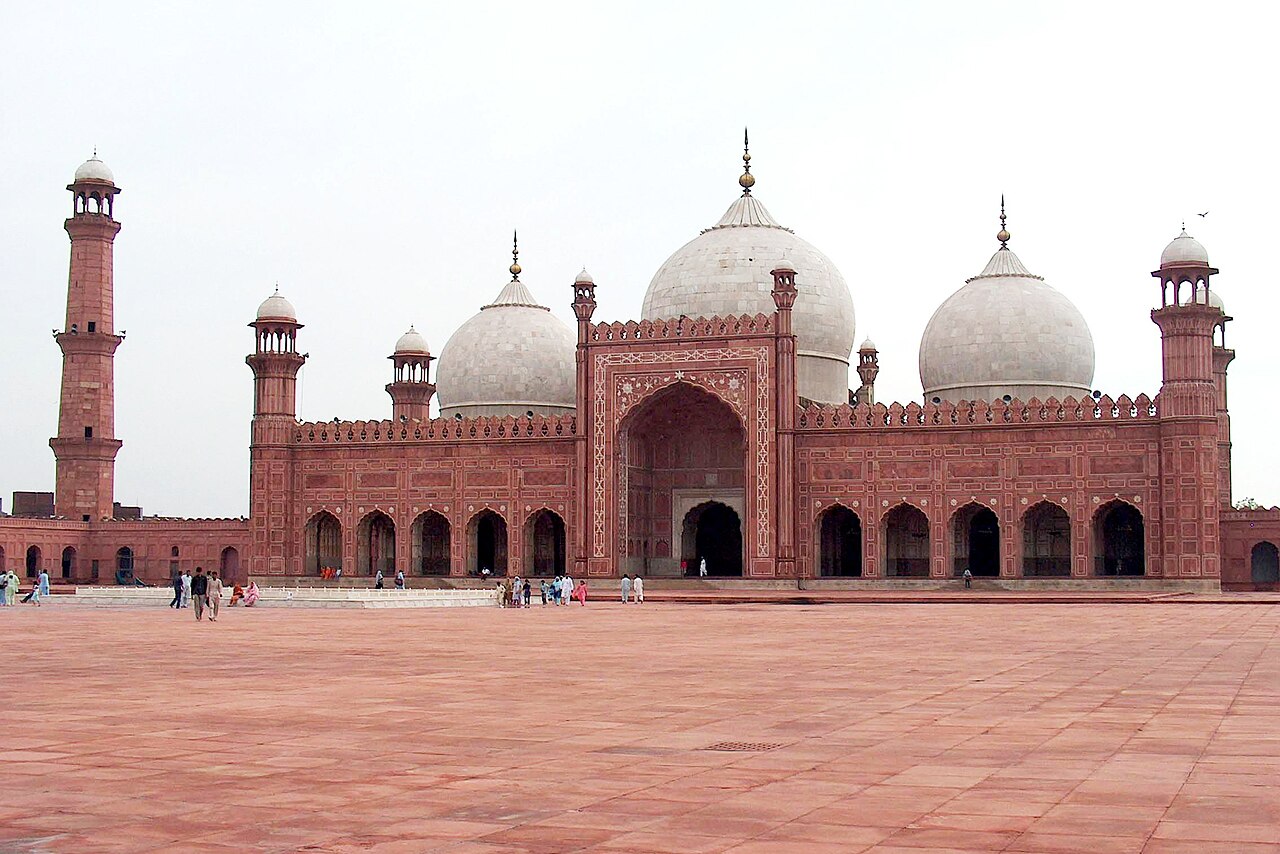 Artifact
Primary source
Badshahi Mosque
1671–1673
 Document
Primary source
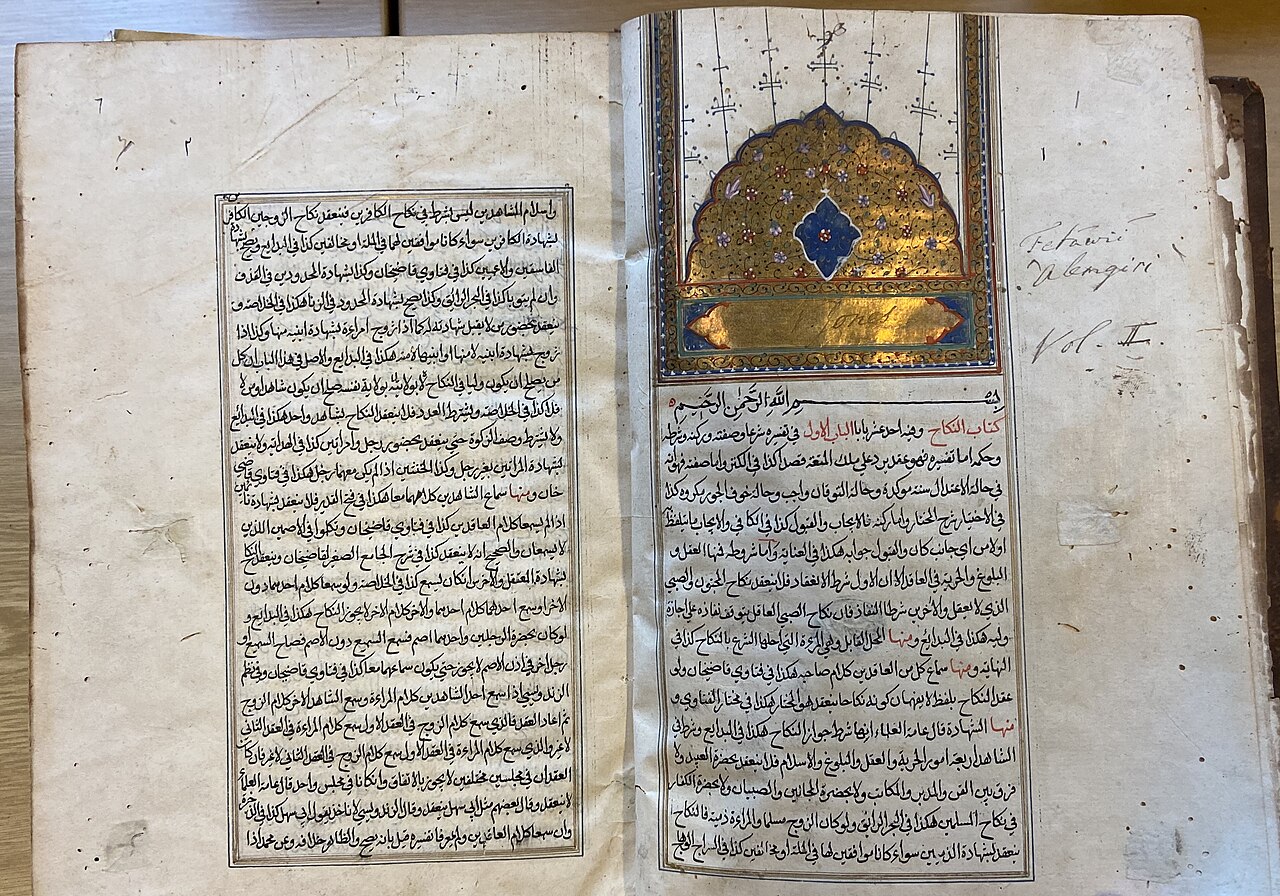
Fatawa-i Alamgiri Manuscript
17th century (this copy later recopied)
 Book
Secondary source
Maasir-i-Alamgiri
Saqi Musta'id Khan · c. 1710 (this copy 1763-1764)
Primary source
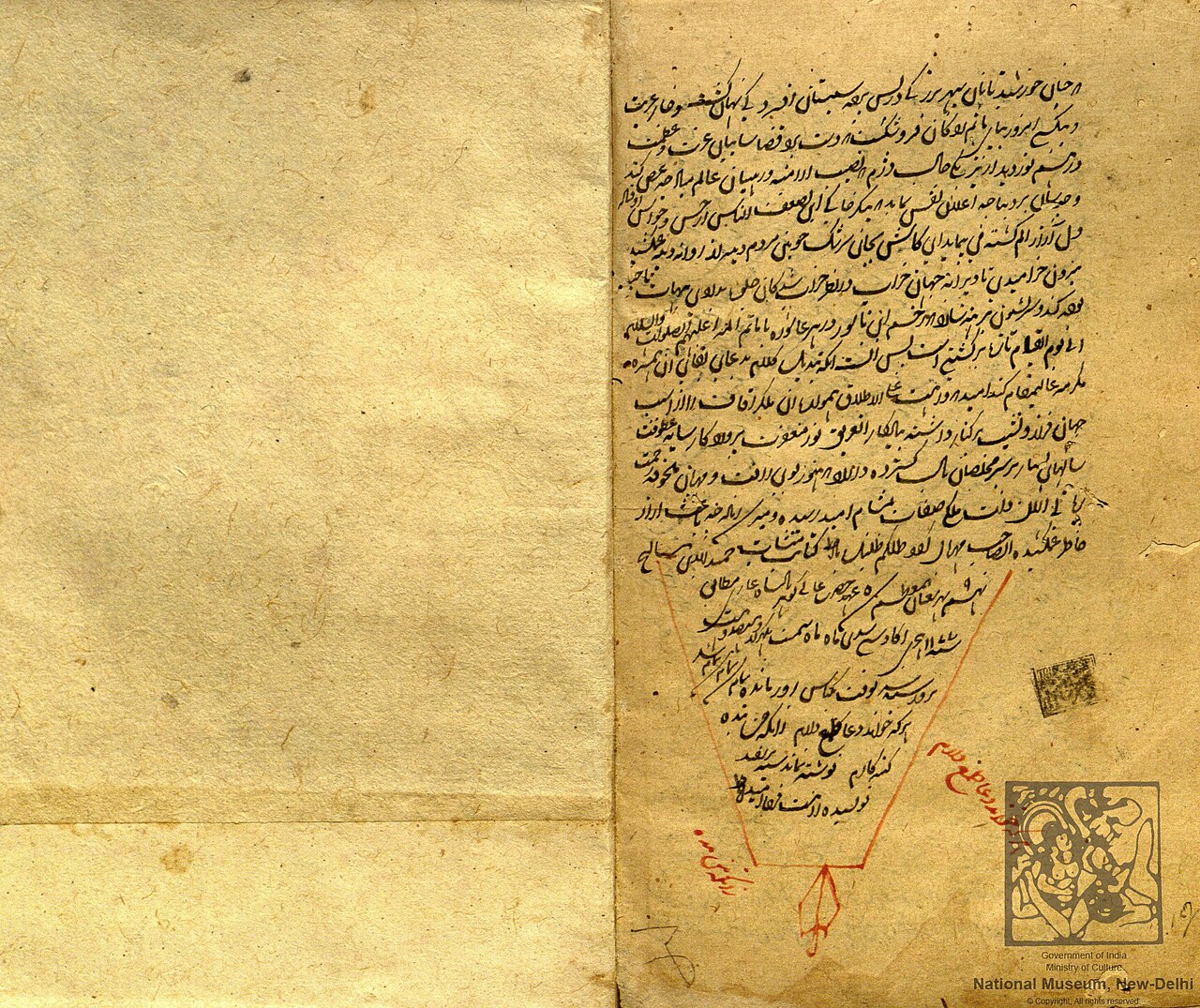
Ruka'at-i-Alamgiri
Aurangzeb · 17th century
 Letter
Primary source
Zafarnamah
Guru Gobind Singh · 1705
Ready when you are
Start chatting with Aurangzeb now.
20 messages free · No credit card · Available in 50+ languages.