


Primary sourceArtifactc. 1279-1213 BCE
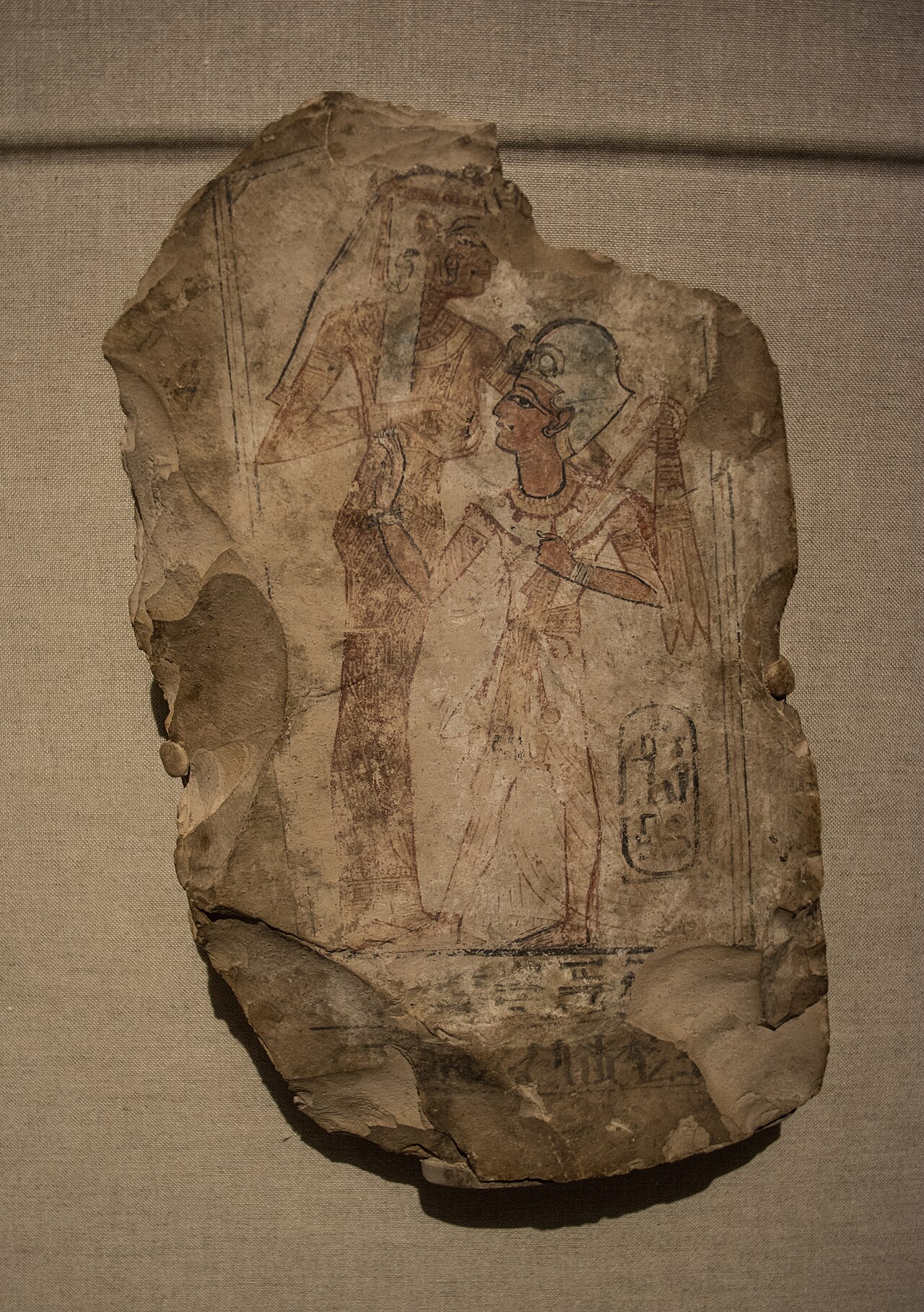
Ramesses II Suckled by a Goddess
c. 1279-1213 BCE
An ostracon showing Pharaoh Ramesses II being nursed by a goddess, expressing his divine status.
This ostracon depicts Ramesses II nursed by a goddess, a visual claim of his divine nature.
About this source
What it is
This is a painted limestone ostracon, a broken flake used as a casual writing or drawing surface, found near Thebes in Egypt and dating to about 1279-1213 BCE. It depicts Ramesses II being suckled by an unidentified goddess.
Why it matters
Egyptian kings were often shown receiving divine nourishment from a goddess to express their special, god-given status. This image is a vivid example of how pharaohs like Ramesses II used art to present themselves as more than ordinary rulers, linking their power to the gods.
Look closer
- What details in the painting signal which figure is the goddess and which is the king?
- Why might an artist choose to show a king being nursed, rather than in battle or on a throne?
- What does the rough, broken material (an ostracon) tell you about how and where this image was made?
This artifact is part of the curated material that grounds the AI version of Ramses II (Ramses the Great) on Humy.ai — when students ask about related events, the AI can quote it and cite it.
More Ramses II (Ramses the Great) sources
Meet the AI Ramses II (Ramses the Great) →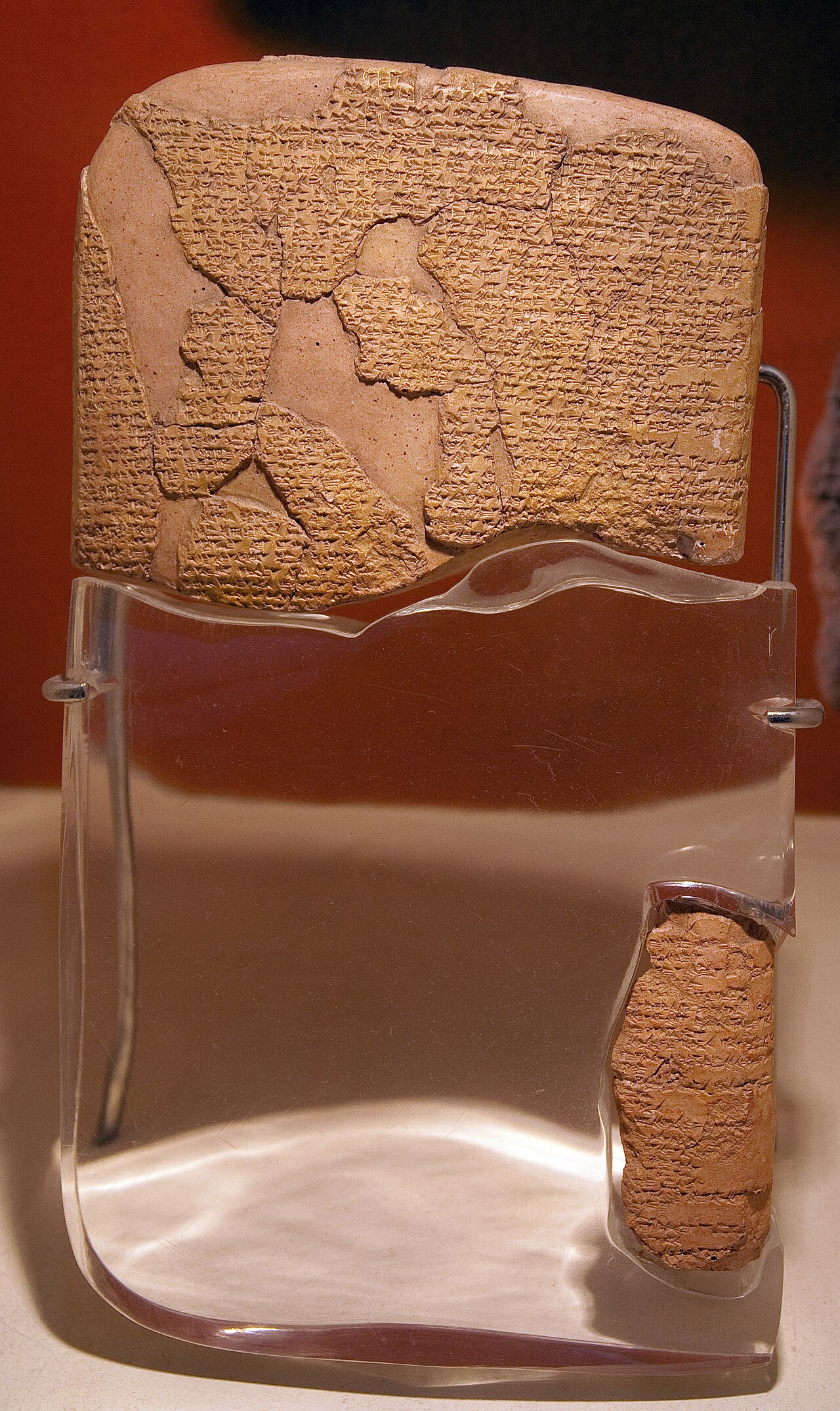 Document
Primary source
Egyptian–Hittite Peace Treaty
c. 1258 BCE
 Photograph
Secondary source
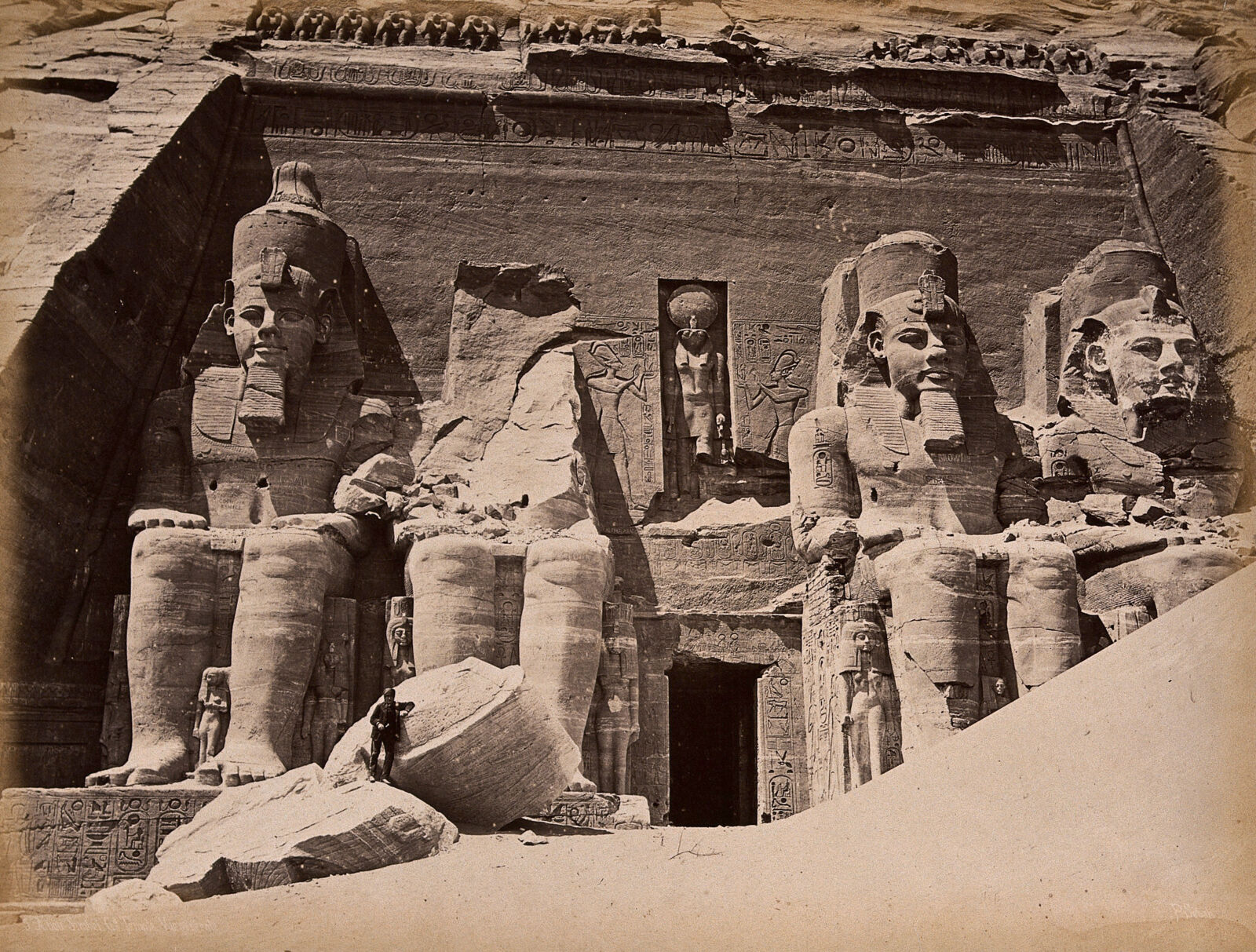
Abu Simbel Temple Colossi
Pascal Sébah · 1875
 Artifact
Primary source
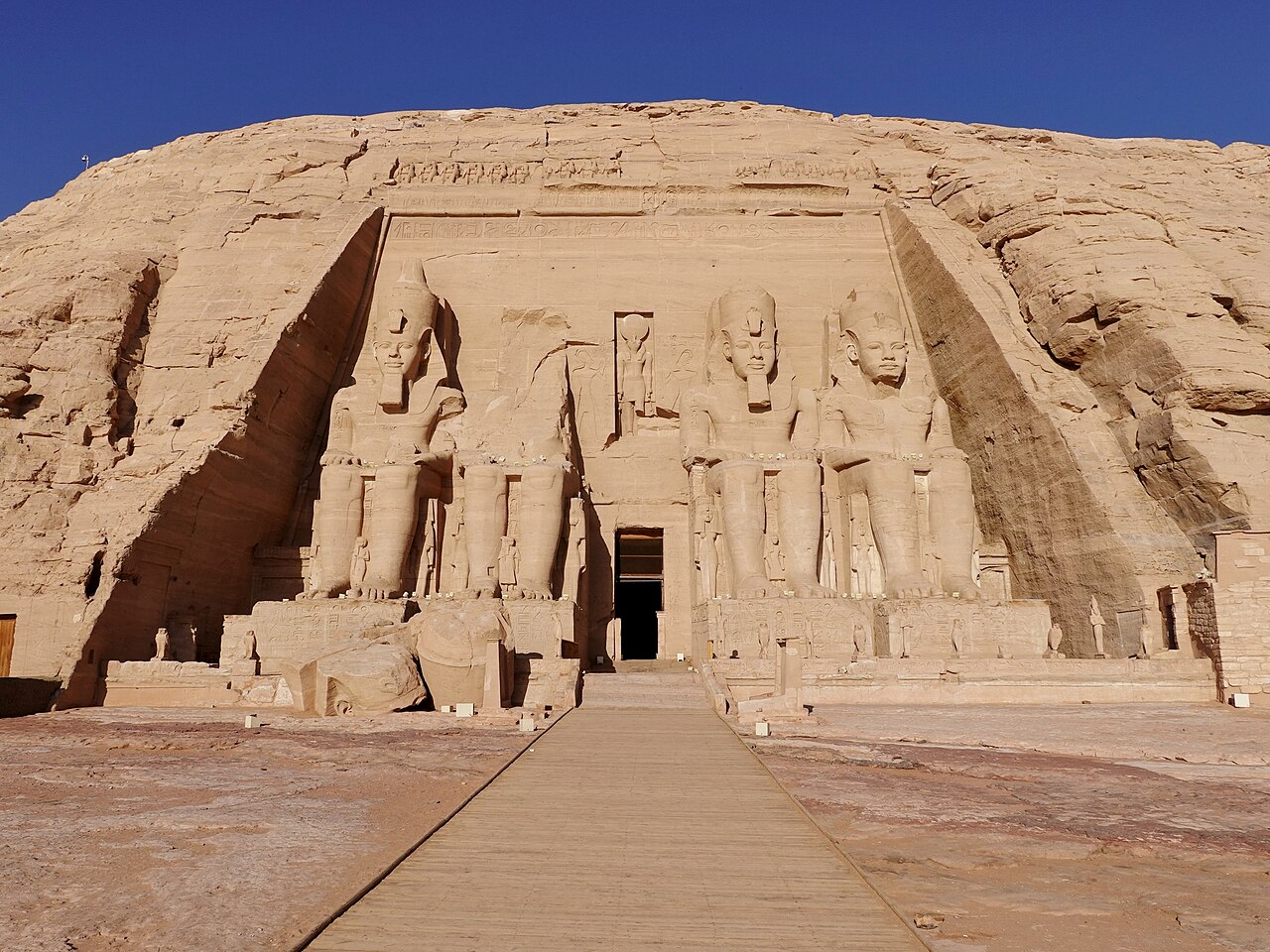
Abu Simbel
Ramesses II · c. 1273 BCE
 Photograph
Secondary source
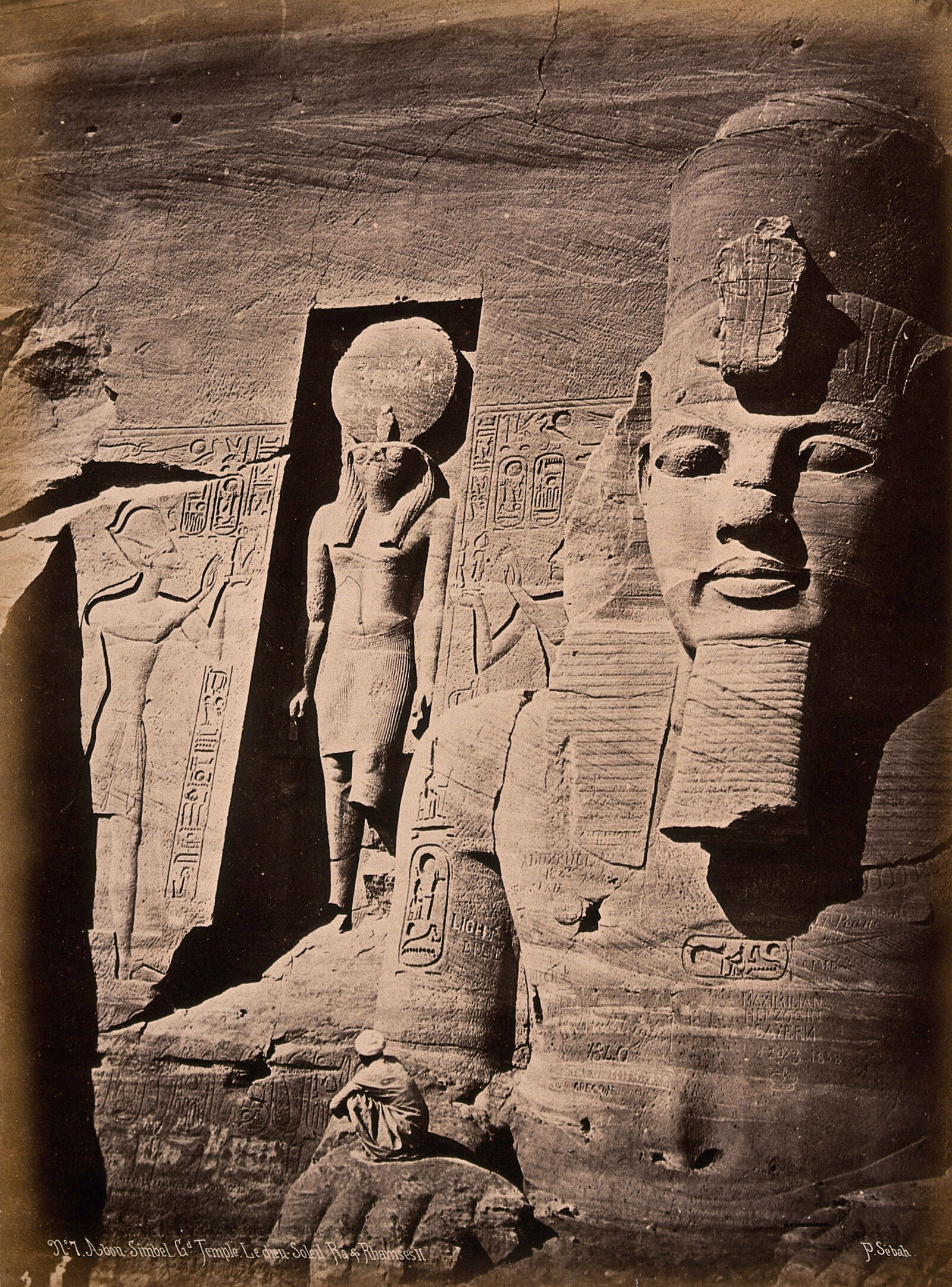
Facade Detail of Abu Simbel Showing Ramesses II and Ra
Pascal Sébah · 1875
 Photograph
Secondary source
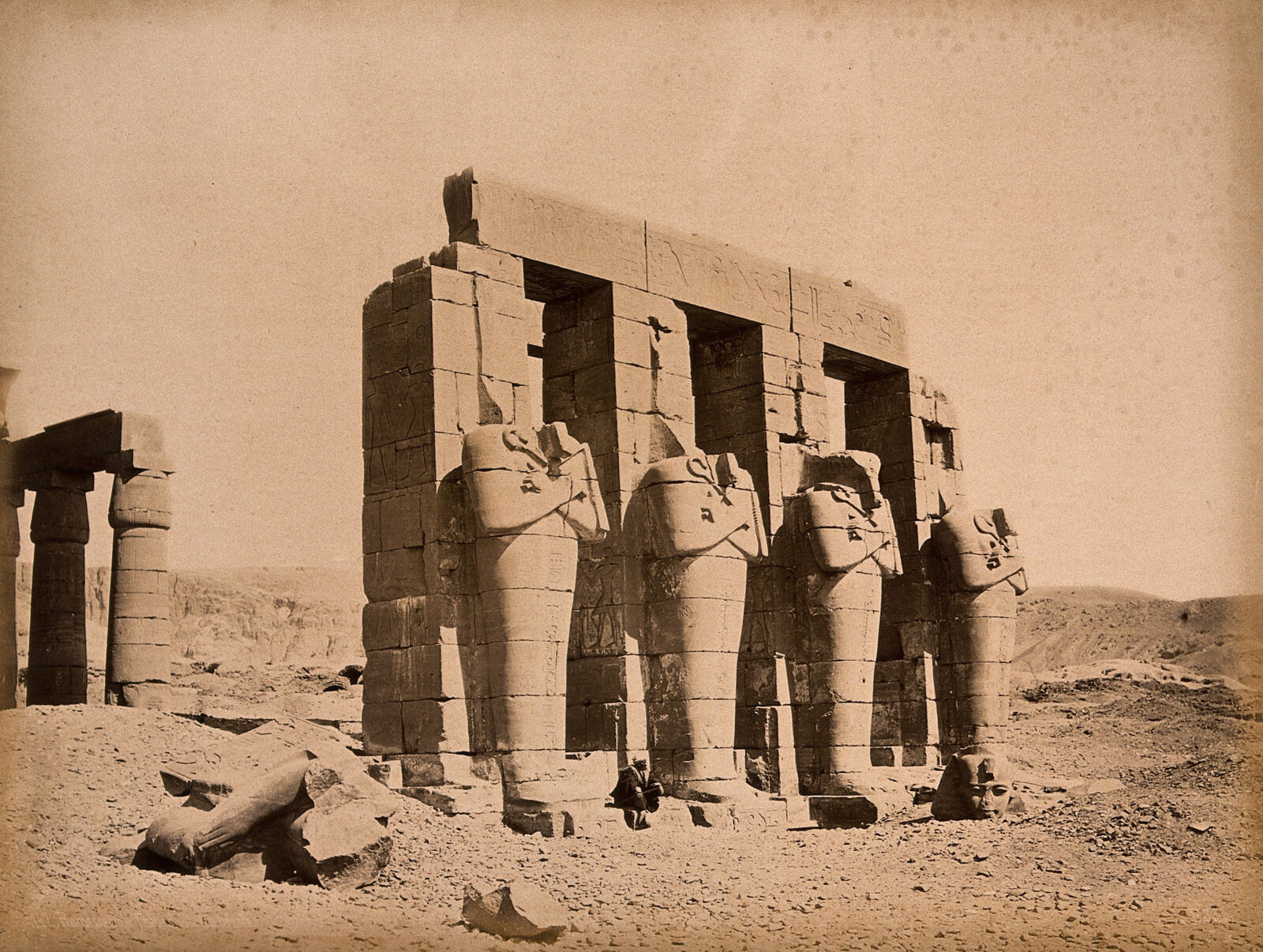
Ramesseum Colossi in Ruins
Pascal Sébah · c. 1875
Ready when you are
Start chatting with Ramses II (Ramses the Great) now.
20 messages free · No credit card · Available in 50+ languages.