


Primary sourceArtifactc. 1279–1250 BCE
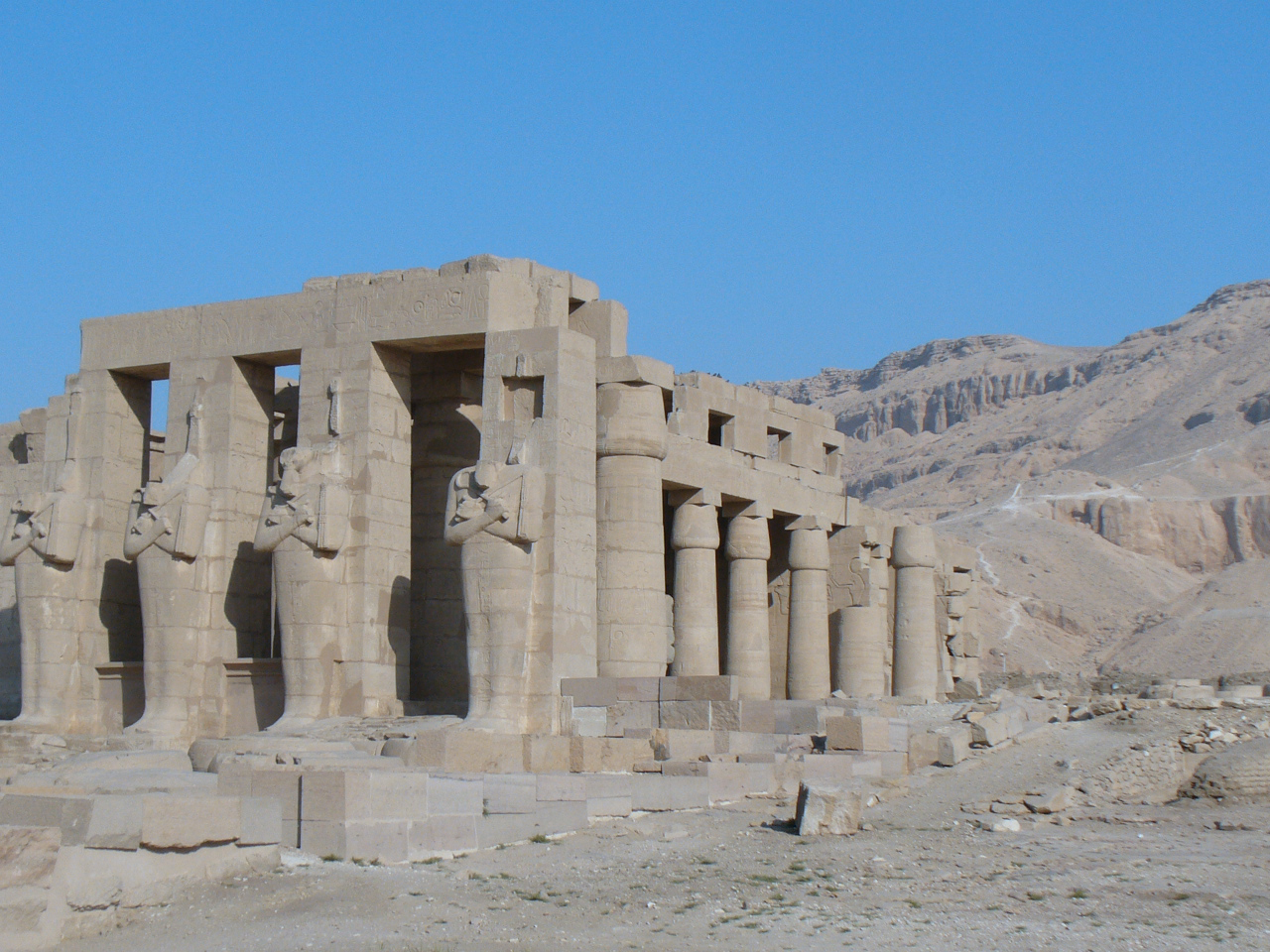
Ramesseum
Ramesses II · c. 1279–1250 BCE
The mortuary temple Ramesses II built for himself at Thebes, once home to his fallen colossal statue described by ancient writers.
Ramesses II built this mortuary temple at Thebes to glorify his reign and secure his memory after death.
About this source
What it is
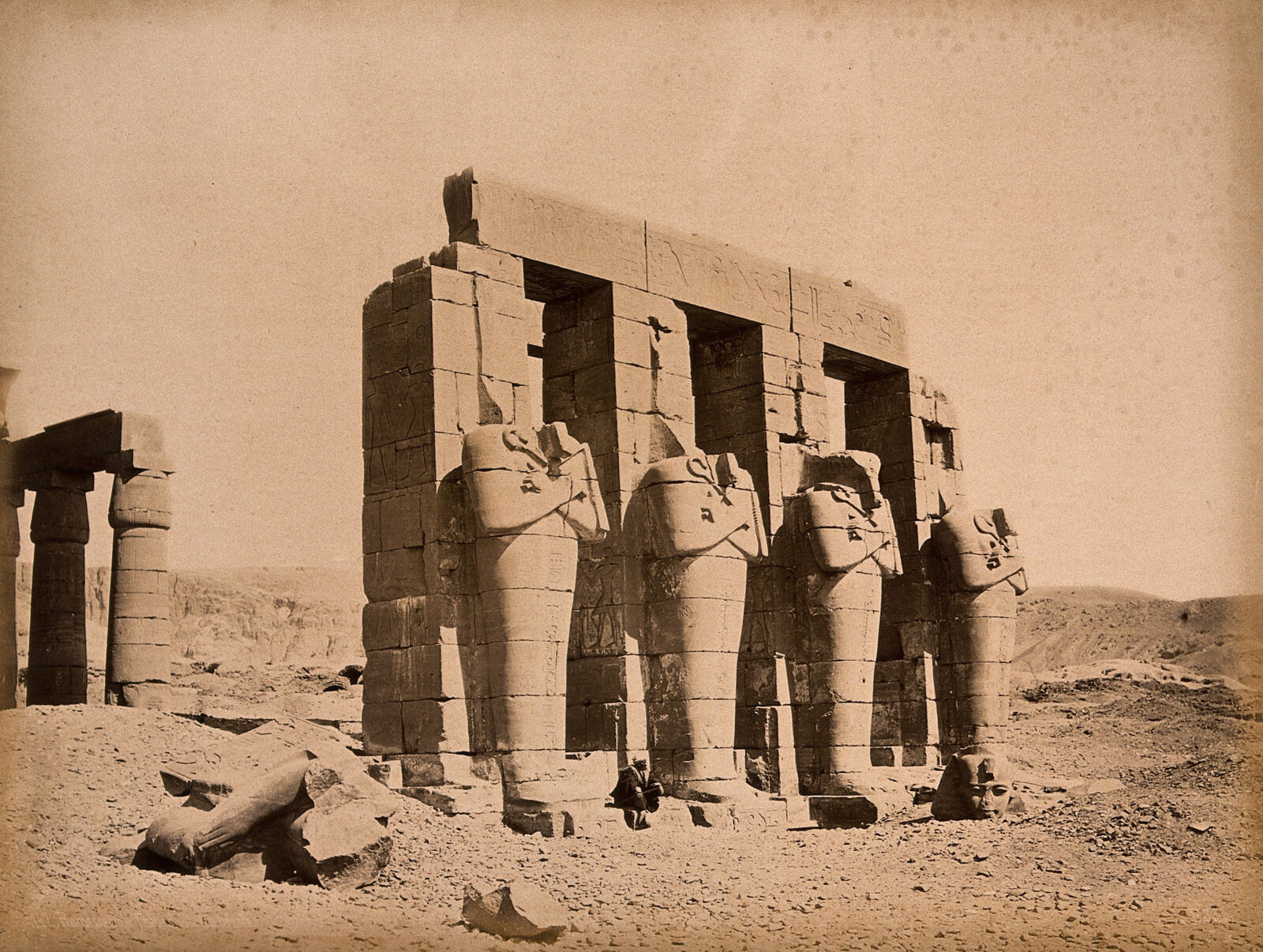
The Ramesseum is a large mortuary temple built by Ramesses II at Thebes, on the west bank of the Nile, during his reign. Its ruins include rows of colossal statue-pillars and carved reliefs showing his battles.
Why it matters
Ancient writer Diodorus Siculus described it as the 'tomb of Ozymandias', and its fallen statue later inspired Shelley's famous poem about the decay of power. The temple shows how Ramesses used architecture to record his achievements and claim lasting fame.
Look closer
- Why would a pharaoh build such an enormous temple for himself while still alive?
- What does the temple's current ruined state add to its meaning?
- How do the battle reliefs here compare with the treaty text about the same events?
This artifact is part of the curated material that grounds the AI version of Ramses II (Ramses the Great) on Humy.ai — when students ask about related events, the AI can quote it and cite it.
More Ramses II (Ramses the Great) sources
Meet the AI Ramses II (Ramses the Great) →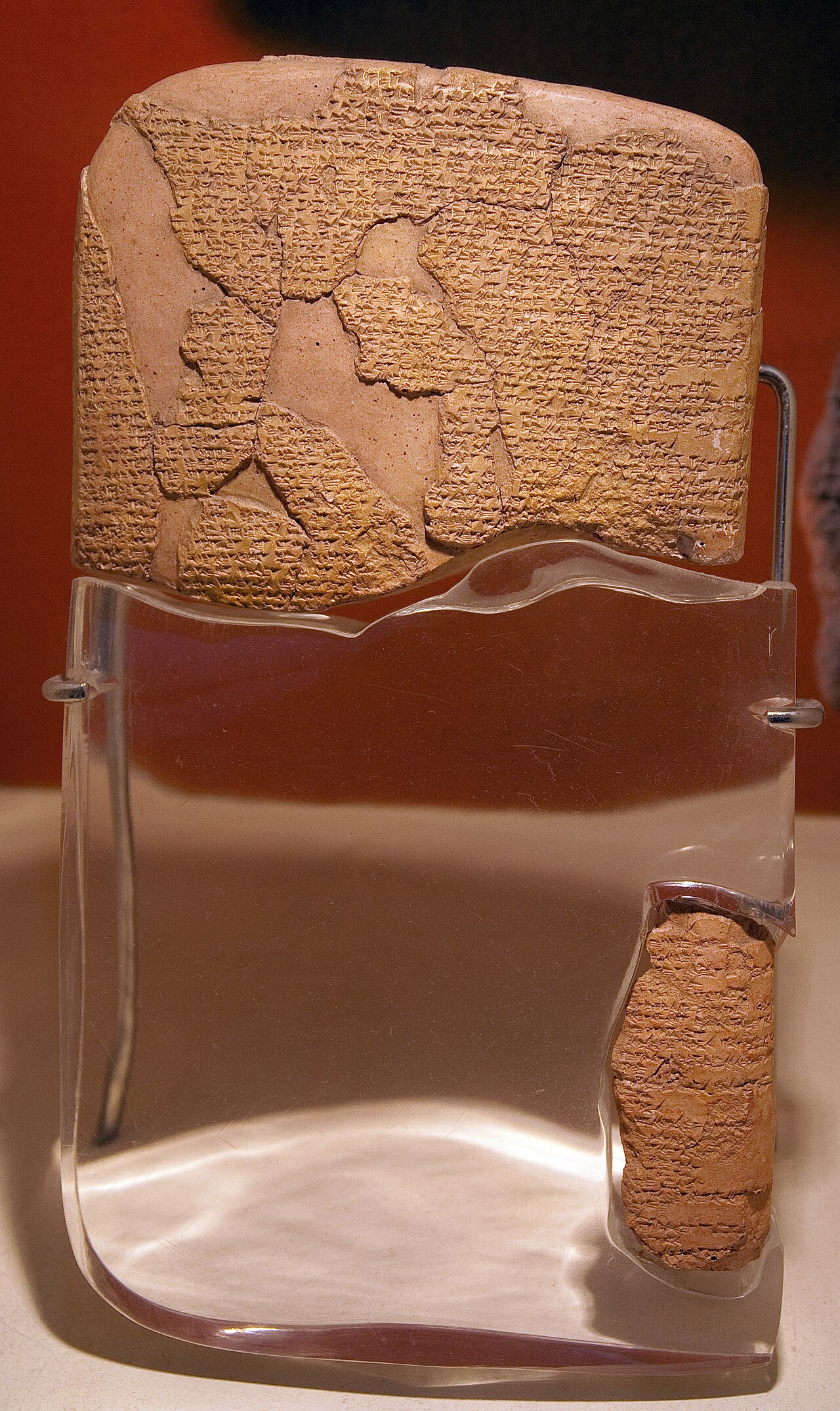 Document
Primary source
Egyptian–Hittite Peace Treaty
c. 1258 BCE
 Photograph
Secondary source
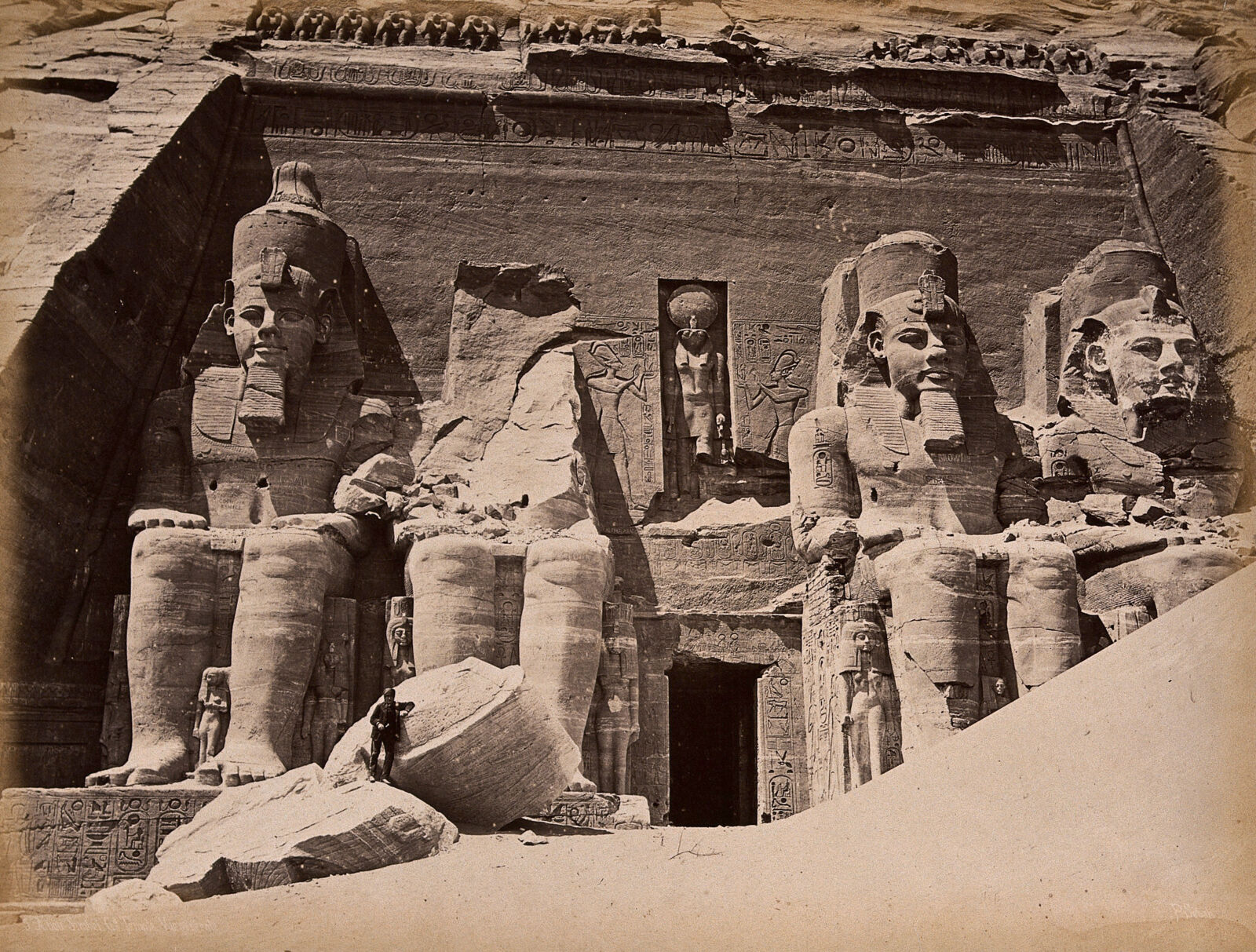
Abu Simbel Temple Colossi
Pascal Sébah · 1875
 Artifact
Primary source
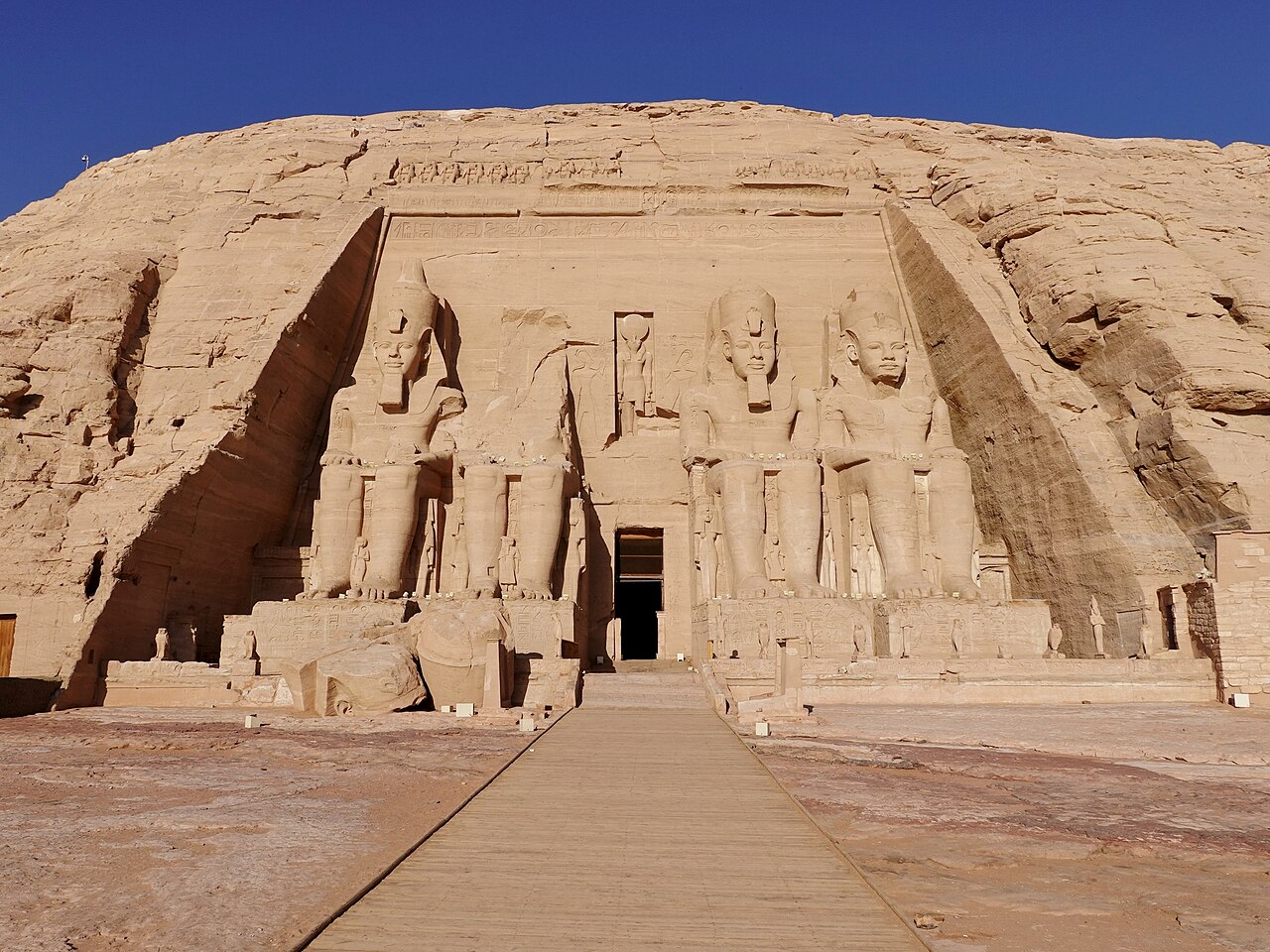
Abu Simbel
Ramesses II · c. 1273 BCE
 Photograph
Secondary source
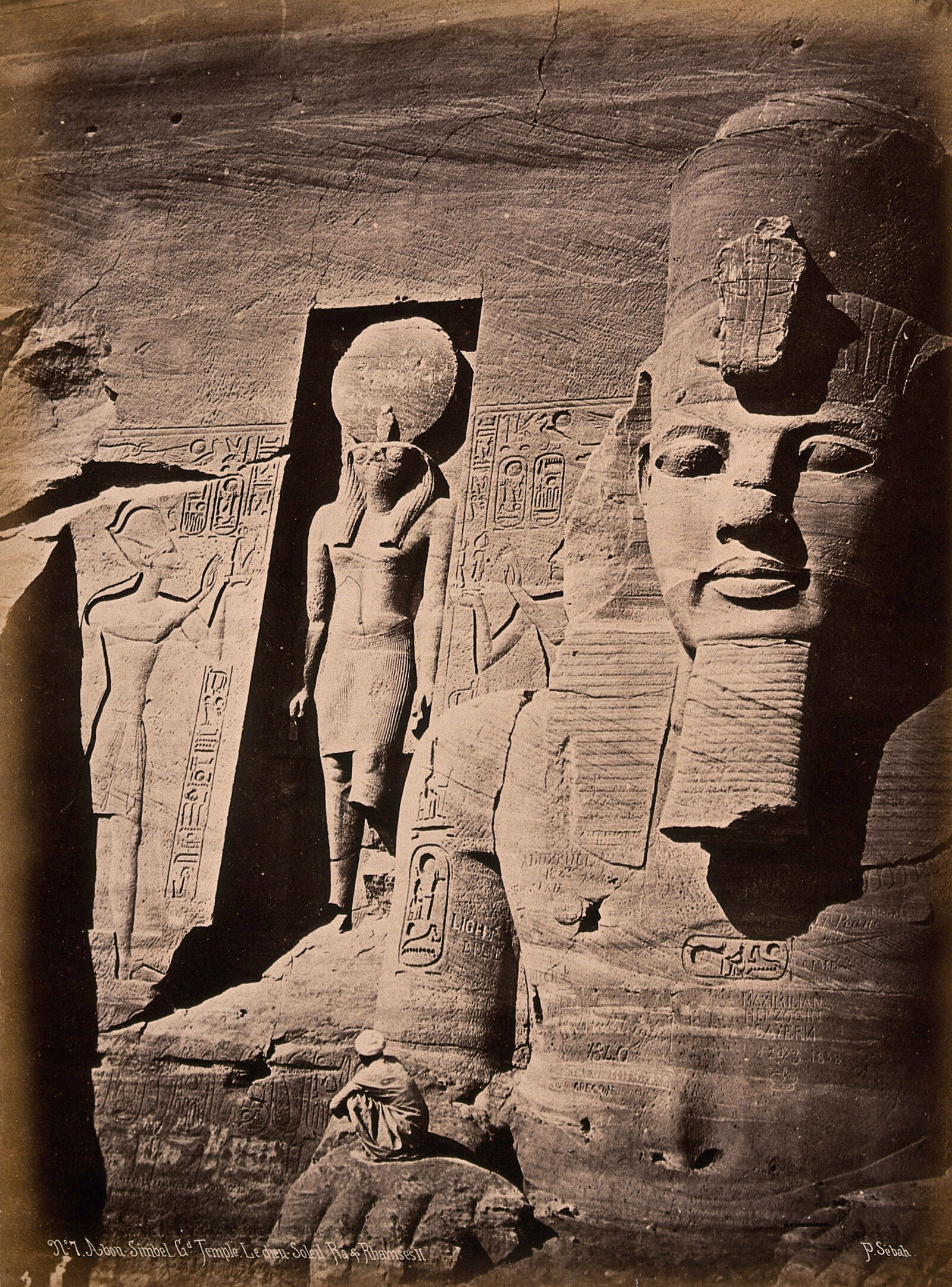
Facade Detail of Abu Simbel Showing Ramesses II and Ra
Pascal Sébah · 1875
 Photograph
Secondary source
Ramesseum Colossi in Ruins
Pascal Sébah · c. 1875
Ready when you are
Start chatting with Ramses II (Ramses the Great) now.
20 messages free · No credit card · Available in 50+ languages.