


Secondary sourcePhotograph4th-3rd century BCE
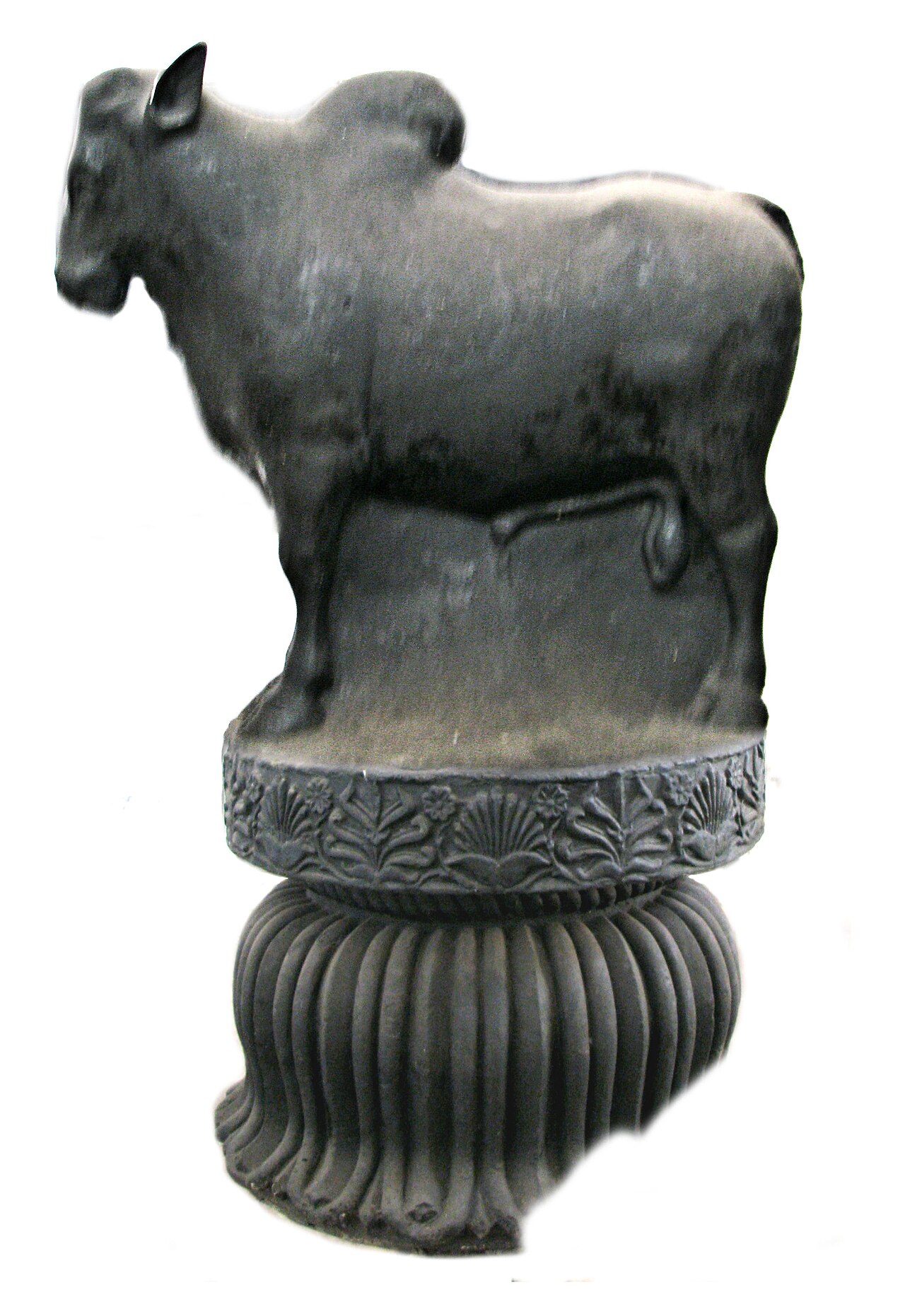
Rampurva Bull Capital
Tinucherian · 4th-3rd century BCE
A photograph of a polished stone bull capital from the Mauryan period, part of the artistic legacy of the empire Chandragupta Maurya founded.
This Mauryan bull capital reflects the artistic legacy of the empire Chandragupta Maurya founded, later continued under his grandson Ashoka.
About this source
What it is
This photograph, taken in 2010, shows the Rampurva bull capital, a black polished stone sculpture of a standing bull on a decorated base, held in the Indian Museum, Calcutta. The original full pillar is located at the Rashtrapati Bhavan presidential compound in New Delhi.
Why it matters
The capital dates from the Mauryan period, the empire founded by Chandragupta Maurya and later ruled by his grandson Ashoka. Scholars have noted that its floral details and sculptural style show influences reaching back to Achaemenid Persian and Greek art, revealing how connected the Mauryan world was to wider civilizations of its time.
Look closer
- What details on the bull and its base suggest skilled craftsmanship?
- Why might an empire's art show influences from distant civilizations like Persia or Greece?
- What is left out of a photograph like this that you might want to know about the object's original location or purpose?
This photograph is part of the curated material that grounds the AI version of Chandragupta Maurya on Humy.ai — when students ask about related events, the AI can quote it and cite it.
More Chandragupta Maurya sources
Meet the AI Chandragupta Maurya →Secondary source
Arthashastra
Chanakya (traditional attribution) · c. 1st–3rd century CE (traditionally attributed to Chanakya, c. 300 BCE)
 Document
Secondary source
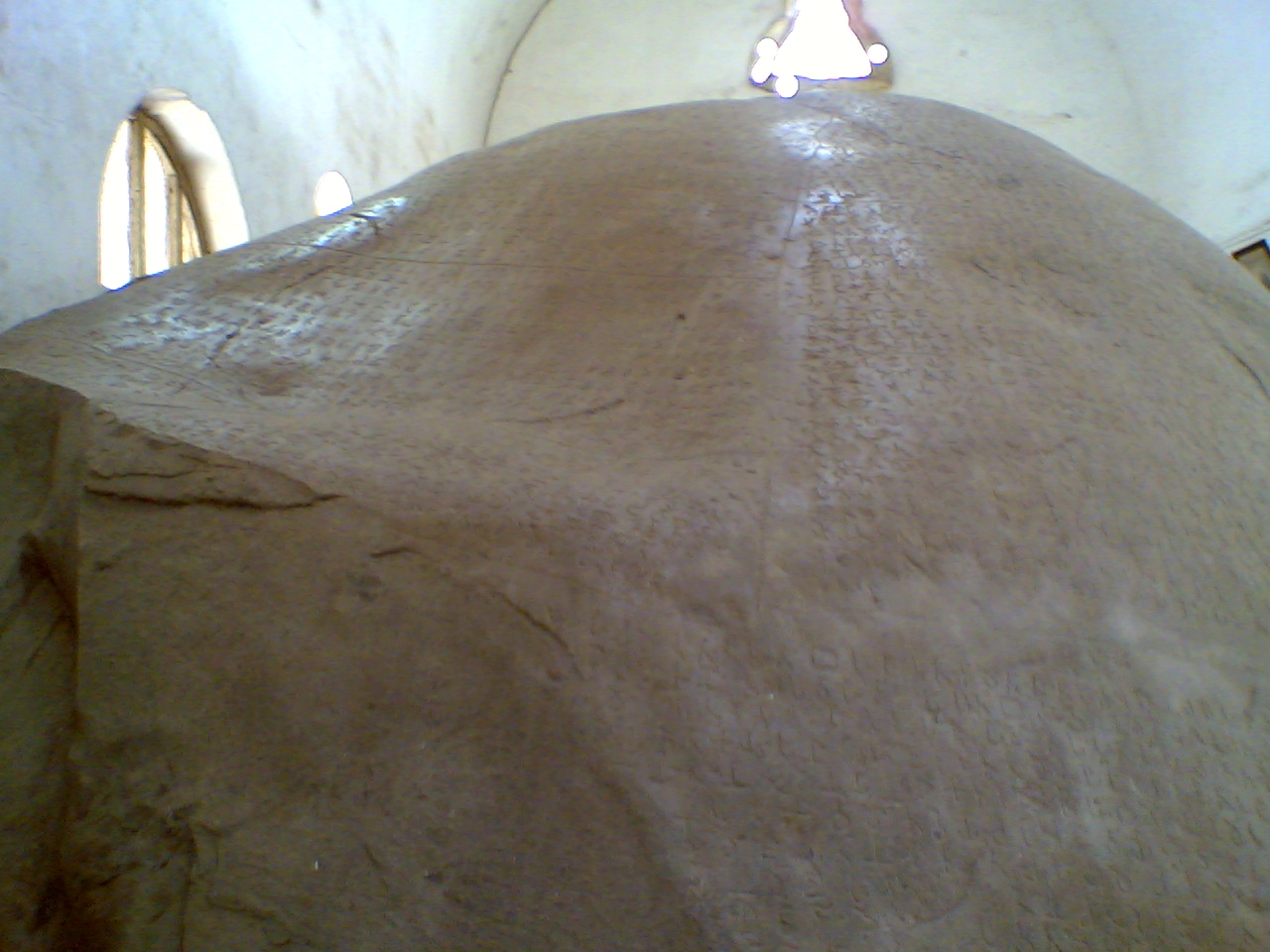
Junagadh Rock Inscription of Rudradaman
Rudradaman I (commissioner) · shortly after 150 CE
 Book
Secondary source
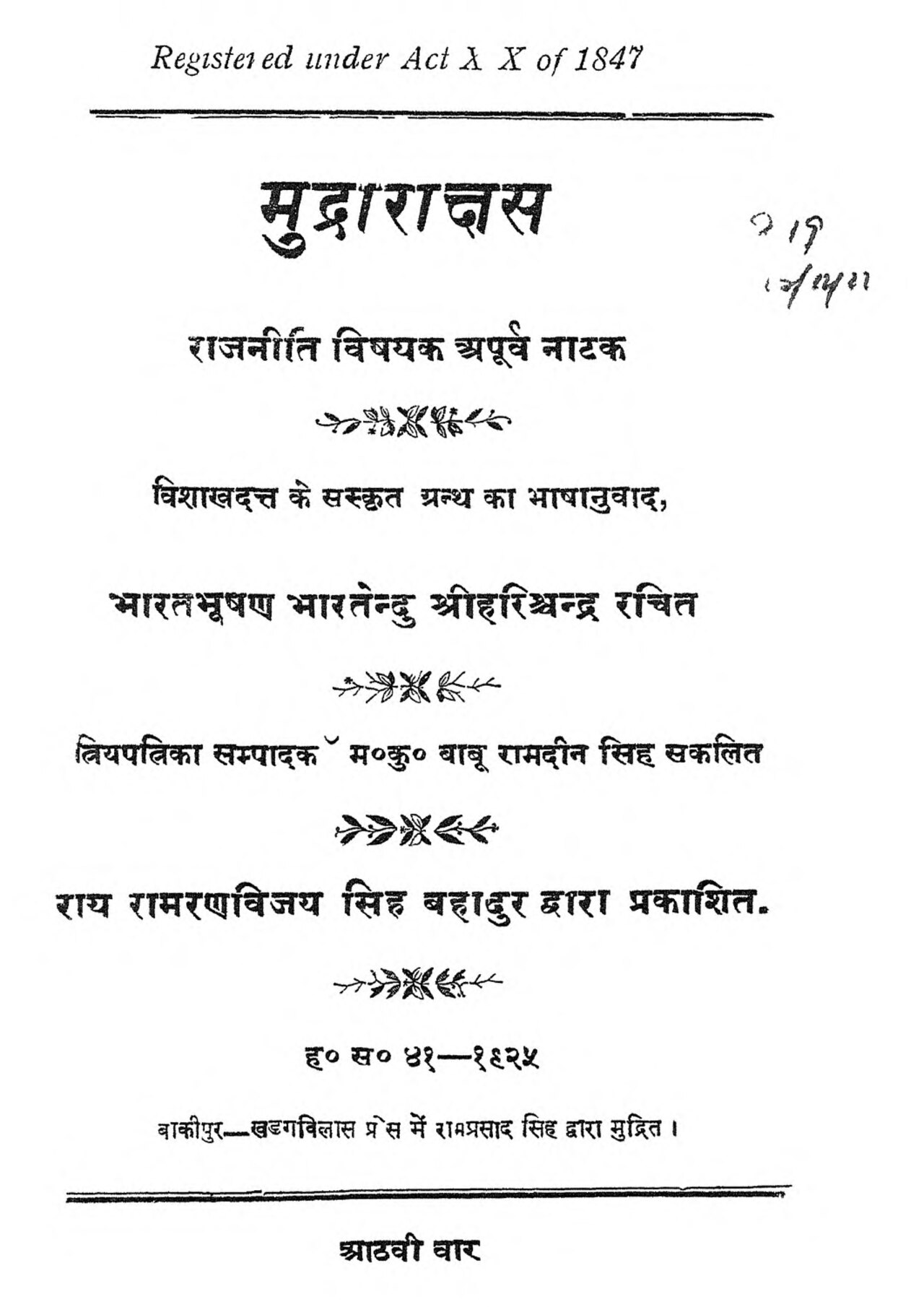
Mudrarakshasa
Vishakhadatta · between the 4th and 8th century CE
 Document
Primary source
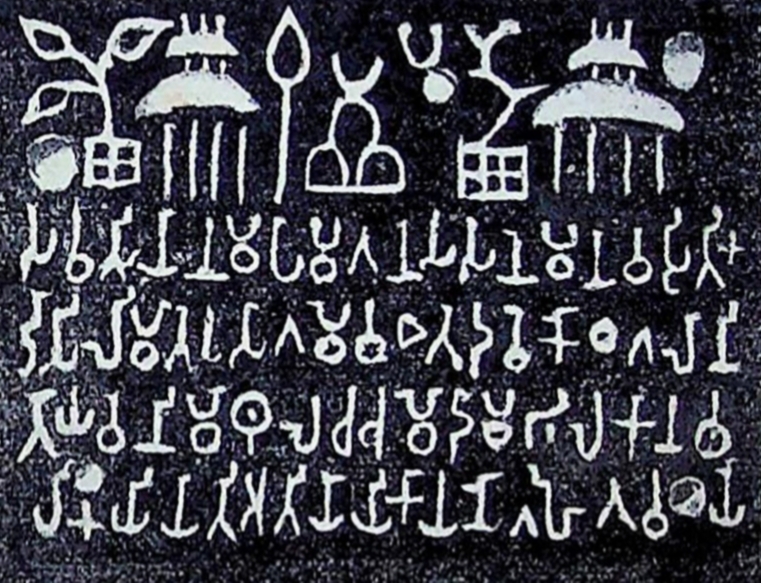
Sohgaura Copper Plate Inscription
3rd century BCE
 Document
Secondary source
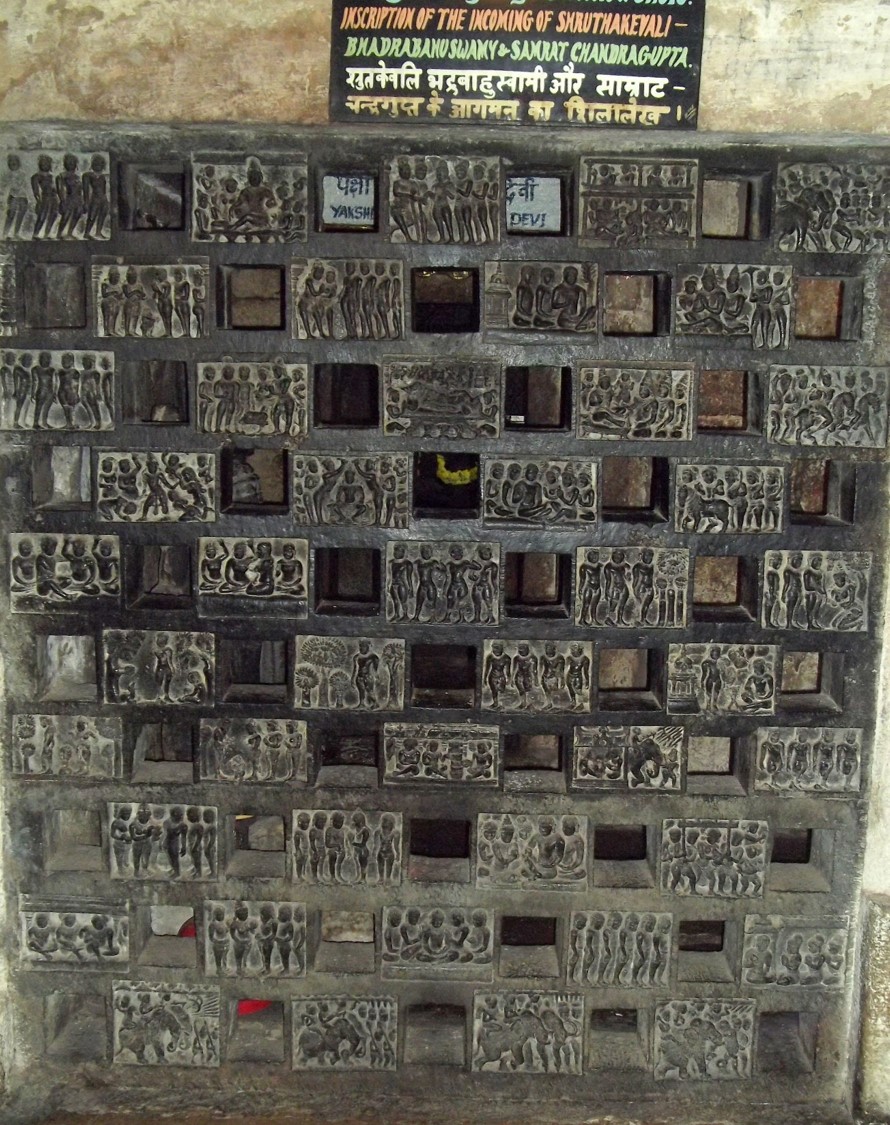
Shravanabelagola Inscription of Bhadrabahu and Chandragupta
Ready when you are
Start chatting with Chandragupta Maurya now.
20 messages free · No credit card · Available in 50+ languages.