


Primary sourceArtifact13th century BCE
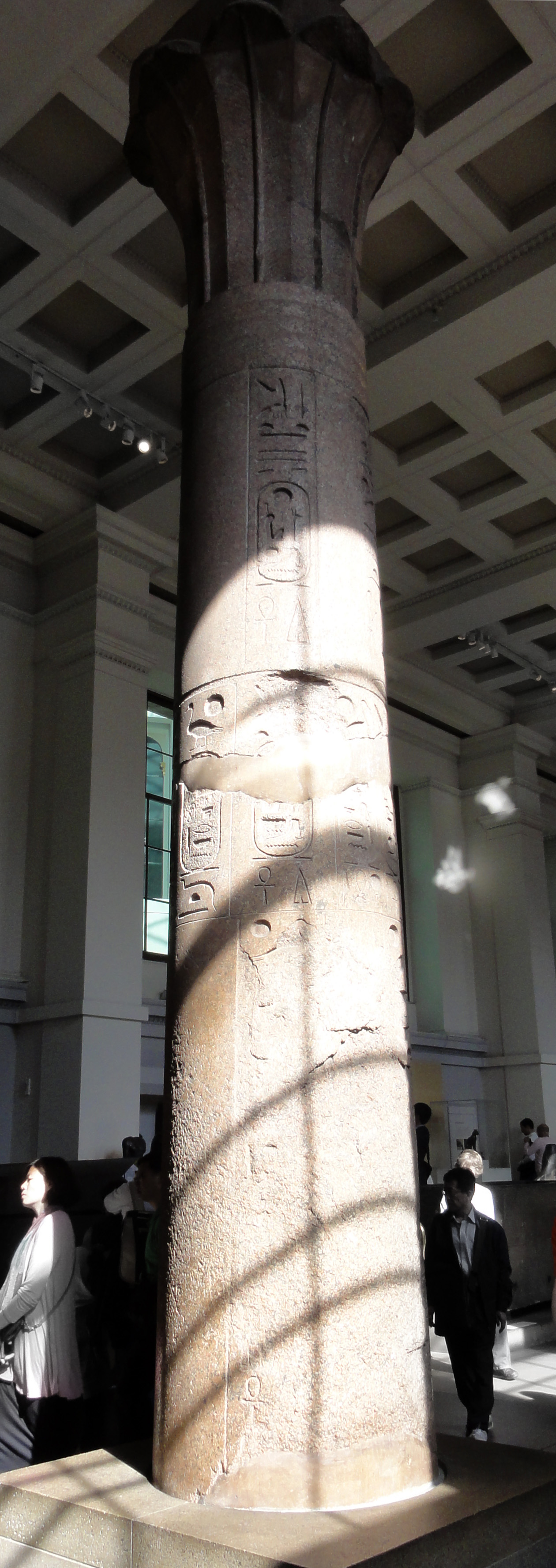
Red Granite Column of Ramesses II
13th century BCE
A red granite palm-capital column inscribed with the names and titles of Ramesses II, later partly re-inscribed by Osorkon II.
This column bears the names and titles of Ramesses II, later partly re-inscribed by Osorkon II, showing his monuments' long afterlife.
About this source
What it is
This is a tall red granite column with a palm-leaf capital, carved with hieroglyphic reliefs giving the names and titles of Ramesses II. It is held in the British Museum, and its cartouches show signs of having been partially altered by a later king, Osorkon II.
Why it matters
Egyptian rulers often reused and re-inscribed earlier monuments with their own names, a practice called usurpation. This column shows Ramesses II's original inscriptions being partly overwritten by Osorkon II centuries later, revealing how later pharaohs claimed earlier monuments as their own to link themselves to a powerful predecessor.
Look closer
- Can you see where the cartouches might have been changed from one king's name to another's?
- Why would a later king want to alter an existing monument instead of building a new one?
- What does this column's journey to the British Museum tell you about how ancient Egyptian objects have been collected and displayed?
This artifact is part of the curated material that grounds the AI version of Ramses II (Ramses the Great) on Humy.ai — when students ask about related events, the AI can quote it and cite it.
More Ramses II (Ramses the Great) sources
Meet the AI Ramses II (Ramses the Great) →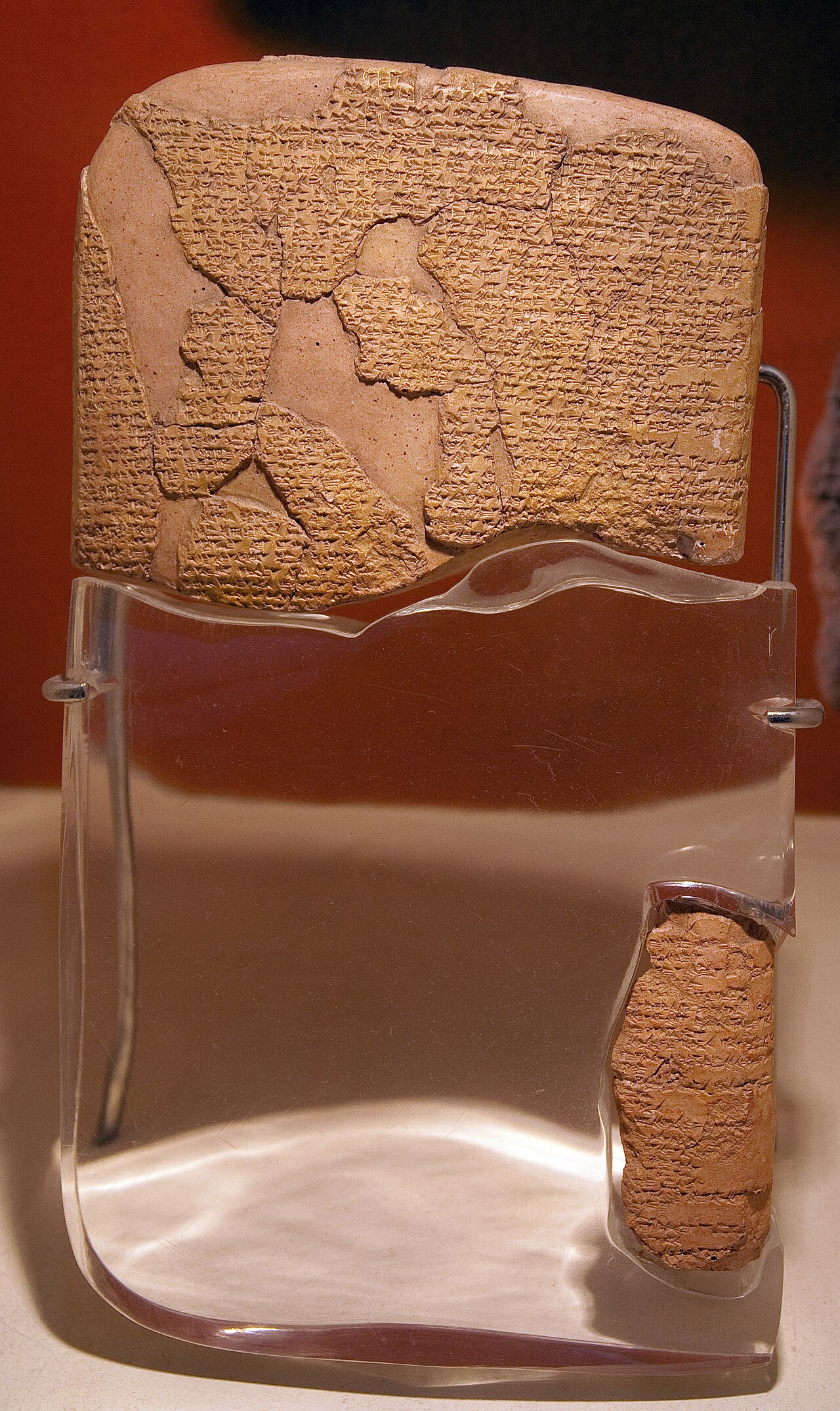 Document
Primary source
Egyptian–Hittite Peace Treaty
c. 1258 BCE
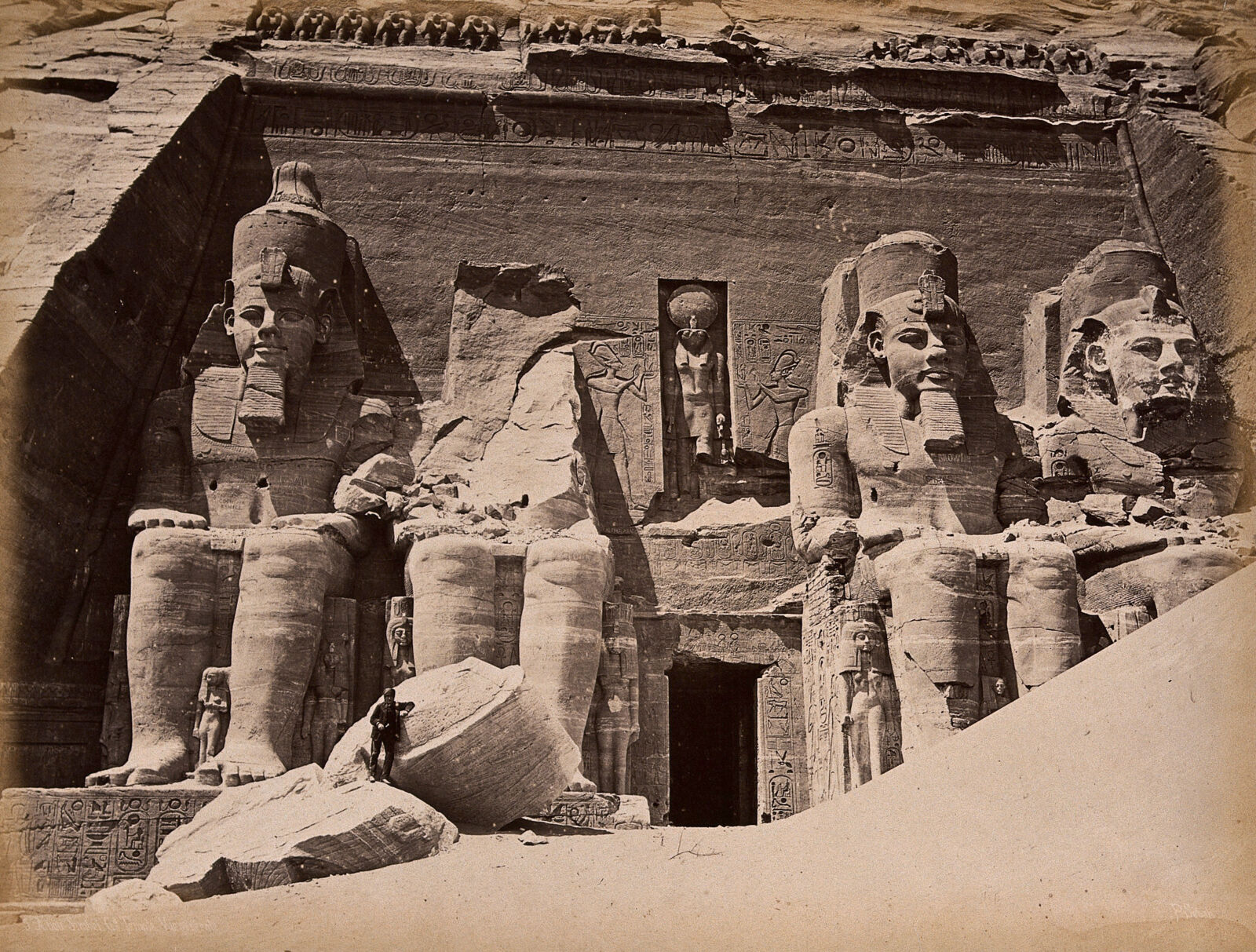 Photograph
Secondary source
Abu Simbel Temple Colossi
Pascal Sébah · 1875
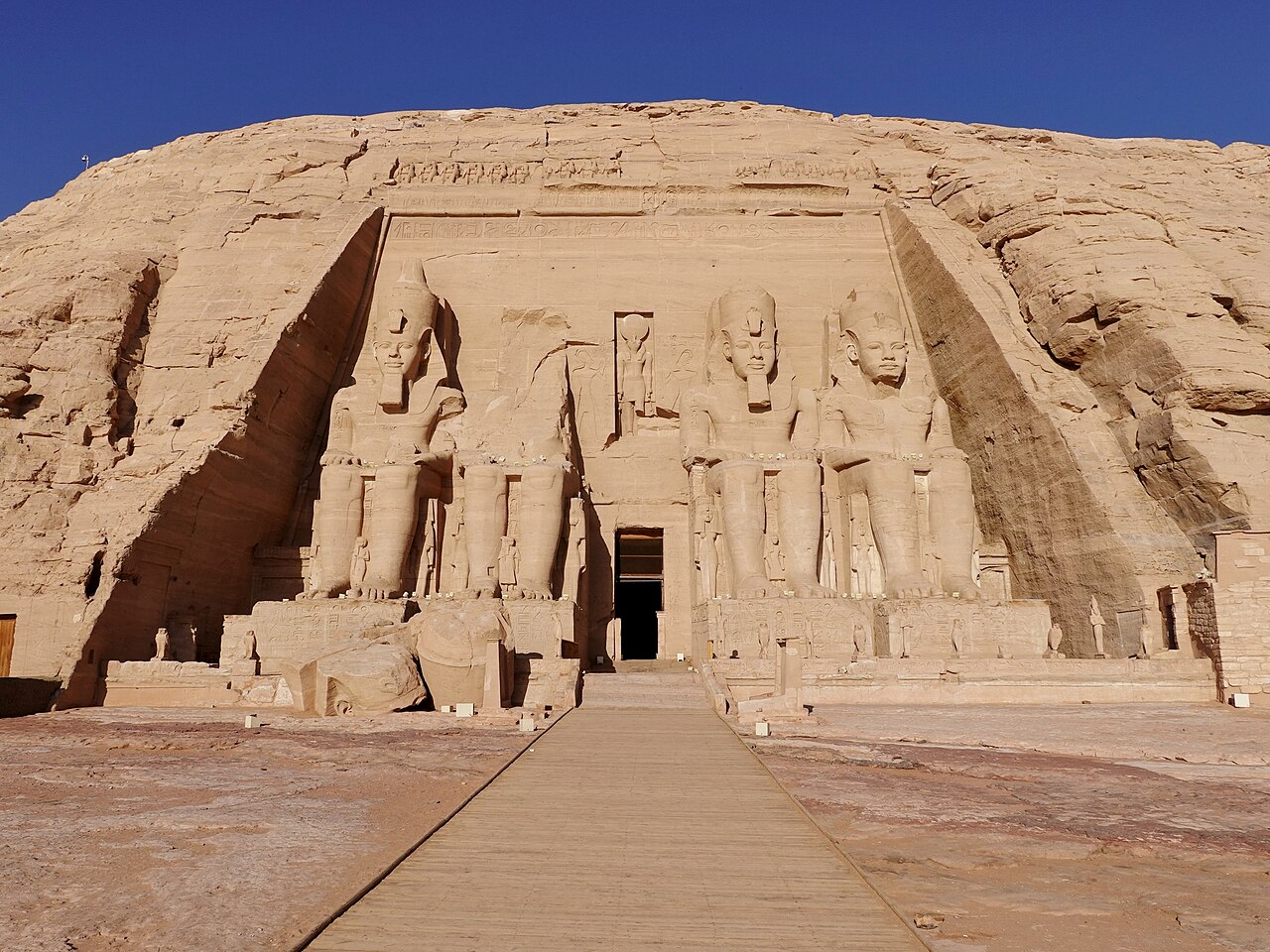 Artifact
Primary source
Abu Simbel
Ramesses II · c. 1273 BCE
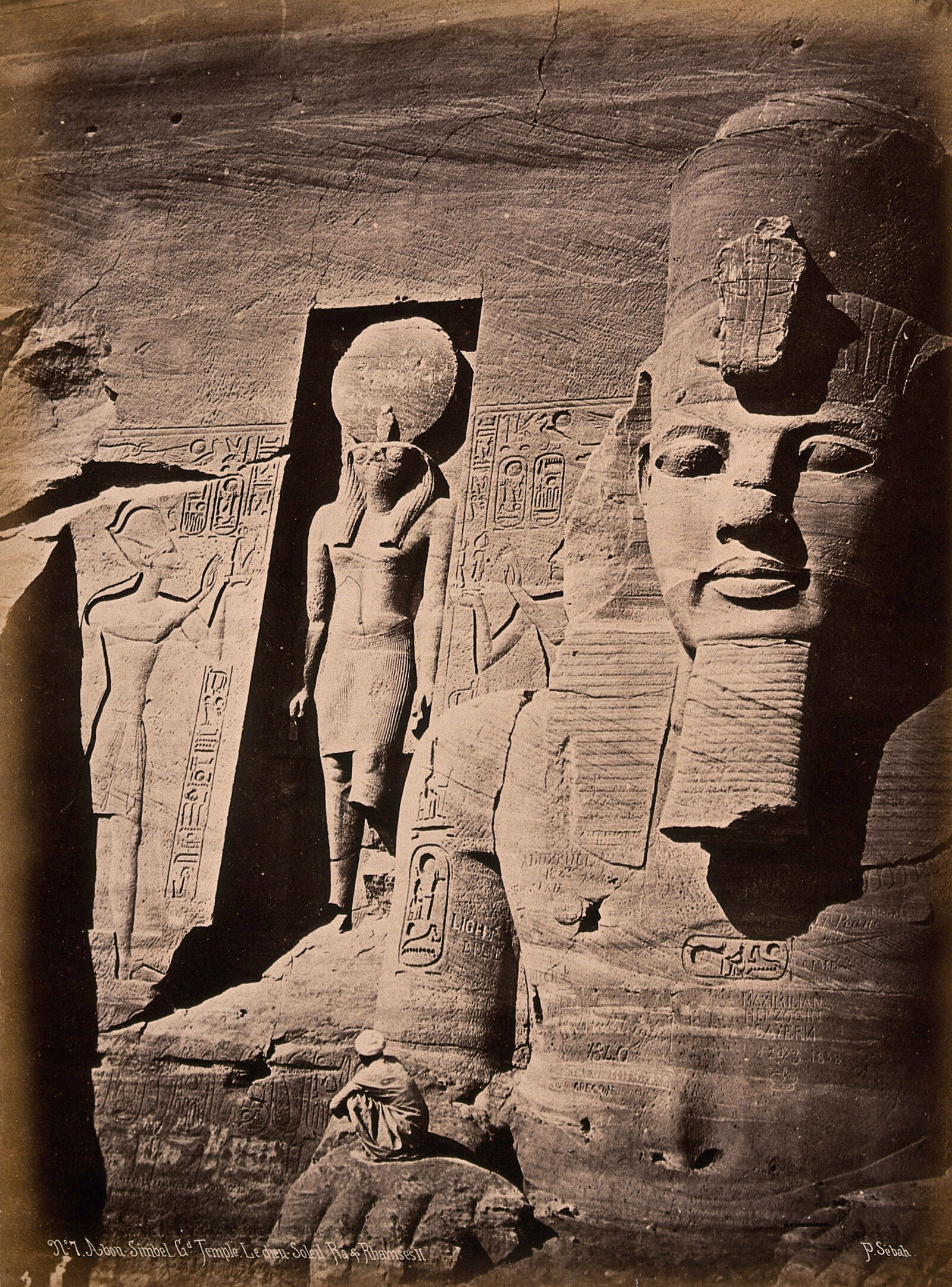 Photograph
Secondary source
Facade Detail of Abu Simbel Showing Ramesses II and Ra
Pascal Sébah · 1875
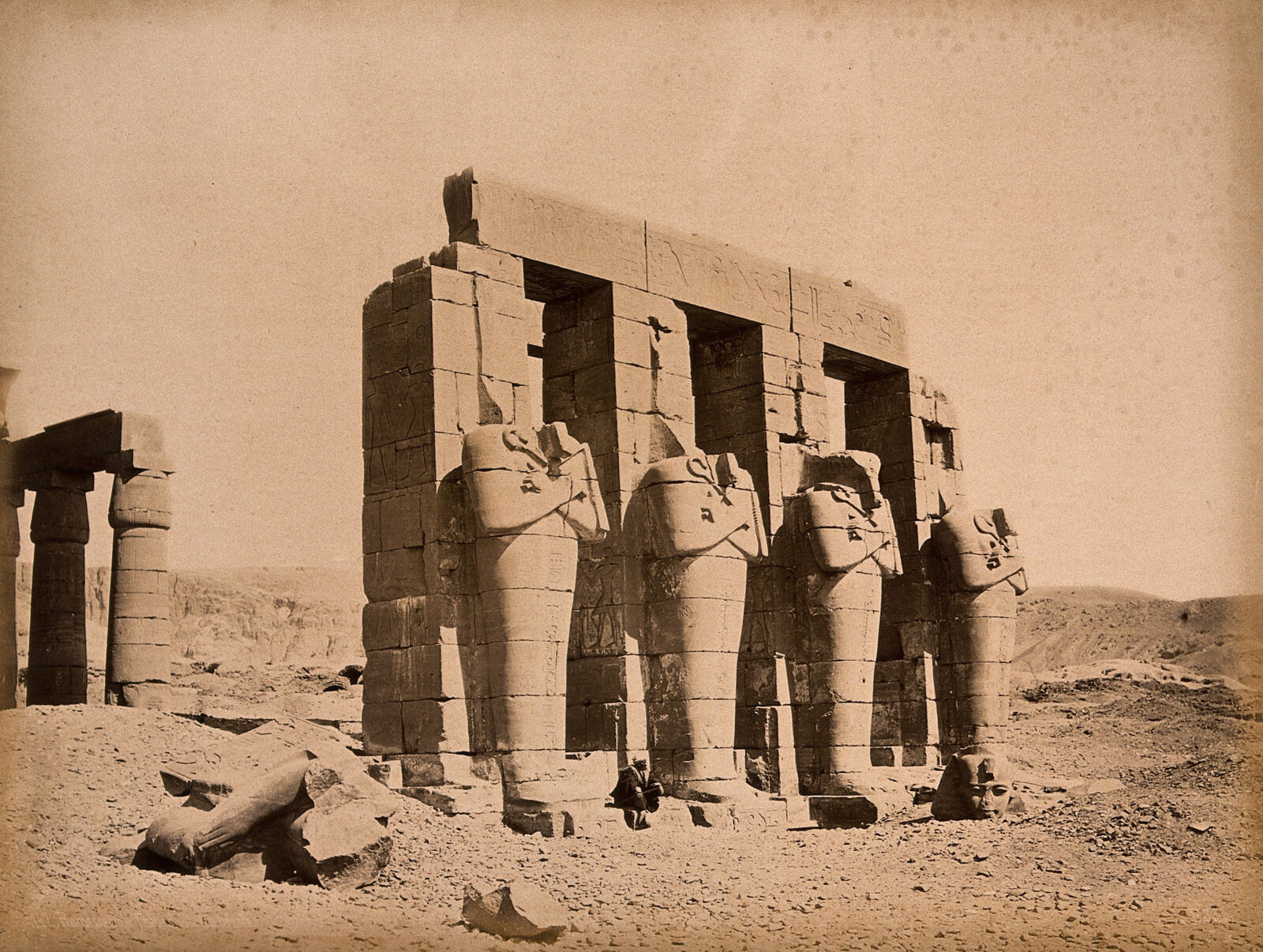 Photograph
Secondary source
Ramesseum Colossi in Ruins
Pascal Sébah · c. 1875
Ready when you are
Start chatting with Ramses II (Ramses the Great) now.
20 messages free · No credit card · Available in 50+ languages.