


Primary sourceSculpturec. 522-486 BCE
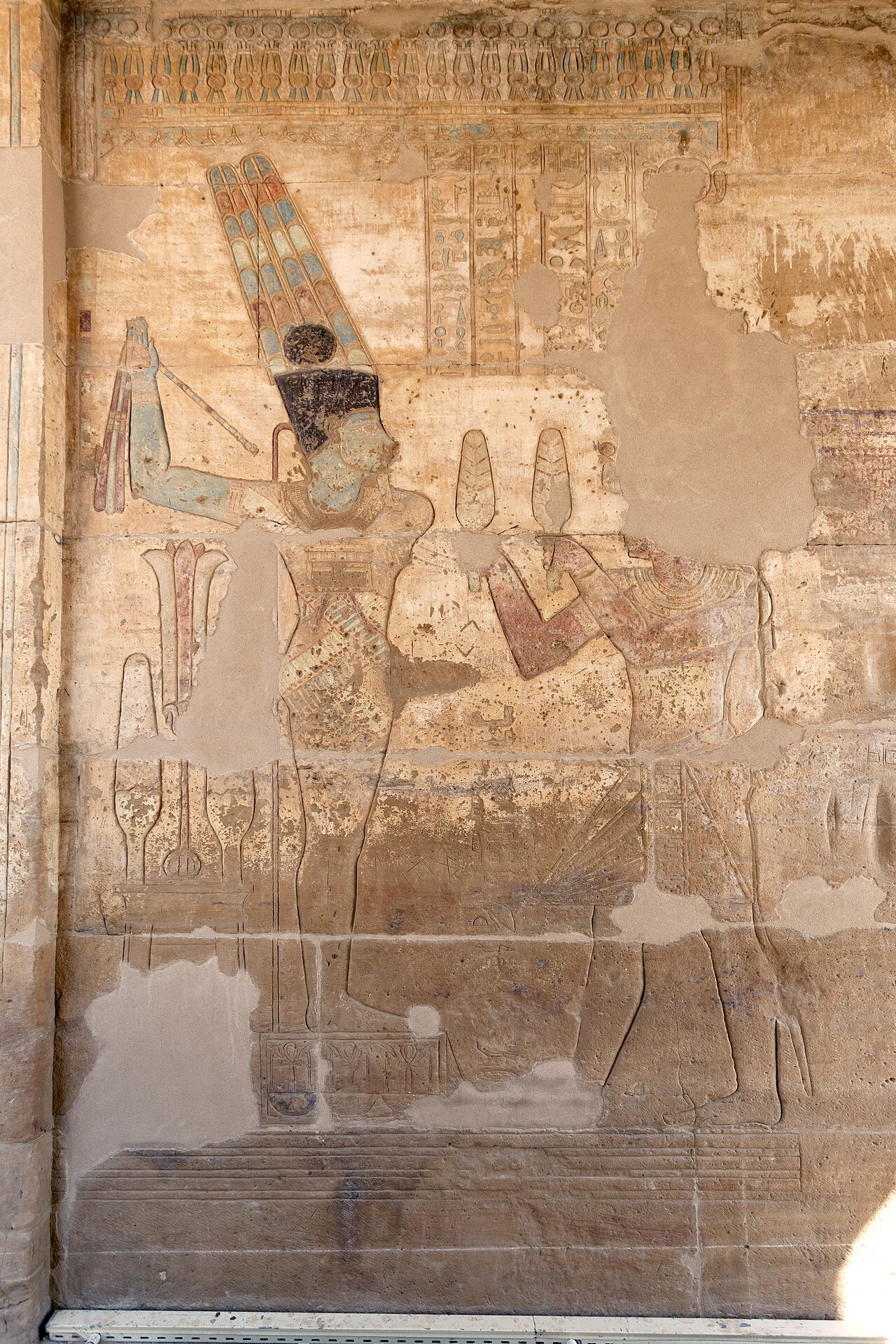
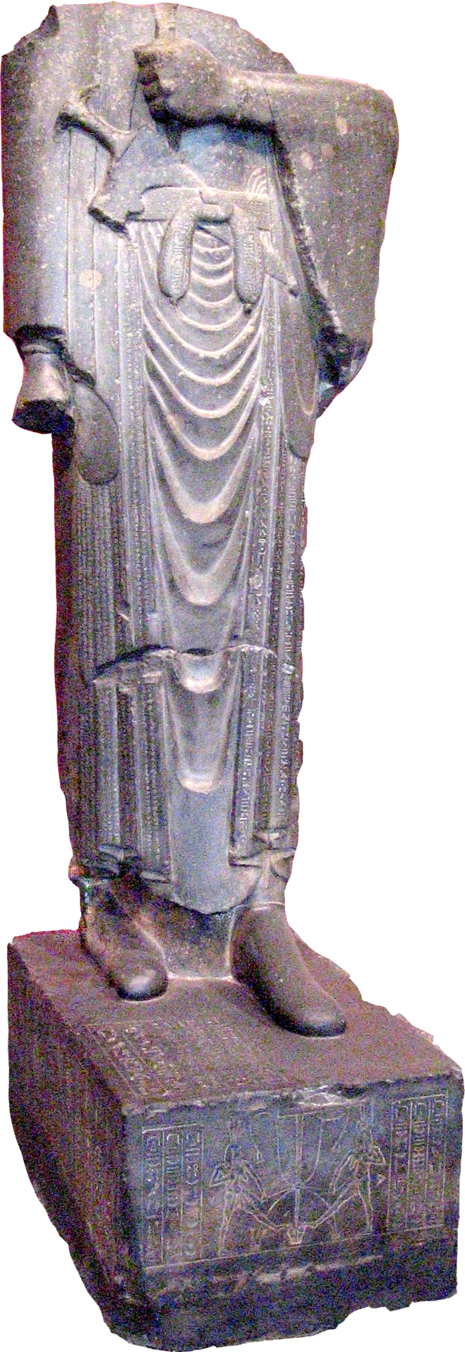
Relief of Darius Offering to Amun-Ra, Temple of Hibis
c. 522-486 BCE
A photograph of an ancient Egyptian temple relief showing Darius the Great, as pharaoh, making an offering to the god Amun-Ra.
Shows Darius depicted as pharaoh, offering to an Egyptian god, evidence of his rule over Egypt.
About this source
What it is
This photograph, taken in 2014, shows a carved and painted sandstone relief at the Temple of Hibis in Egypt's el-Kharga depression. It depicts Darius the Great seated in a tall crown holding a crook and flail, offering lettuces to the god Amun-Ra Kamutef, with hieroglyphic inscriptions and a lotus frieze around the scene.
Why it matters
Darius ruled Egypt as part of the Persian Empire, and this temple shows him presented in the traditional role of an Egyptian pharaoh, honouring Egyptian gods. It reveals how Persian kings adopted local religious imagery to legitimize their rule over conquered peoples.
Look closer
- Why might Darius have wanted to be shown as a traditional Egyptian pharaoh?
- What does this image suggest about how the Persian Empire managed different cultures?
- What is missing from this scene that might tell us more about Darius's actual rule?
This sculpture is part of the curated material that grounds the AI version of Darius the Great on Humy.ai — when students ask about related events, the AI can quote it and cite it.
More Darius the Great sources
Meet the AI Darius the Great →

Ready when you are
Start chatting with Darius the Great now.
20 messages free · No credit card · Available in 50+ languages.