


Primary sourceSculpture1292–1190 BCE
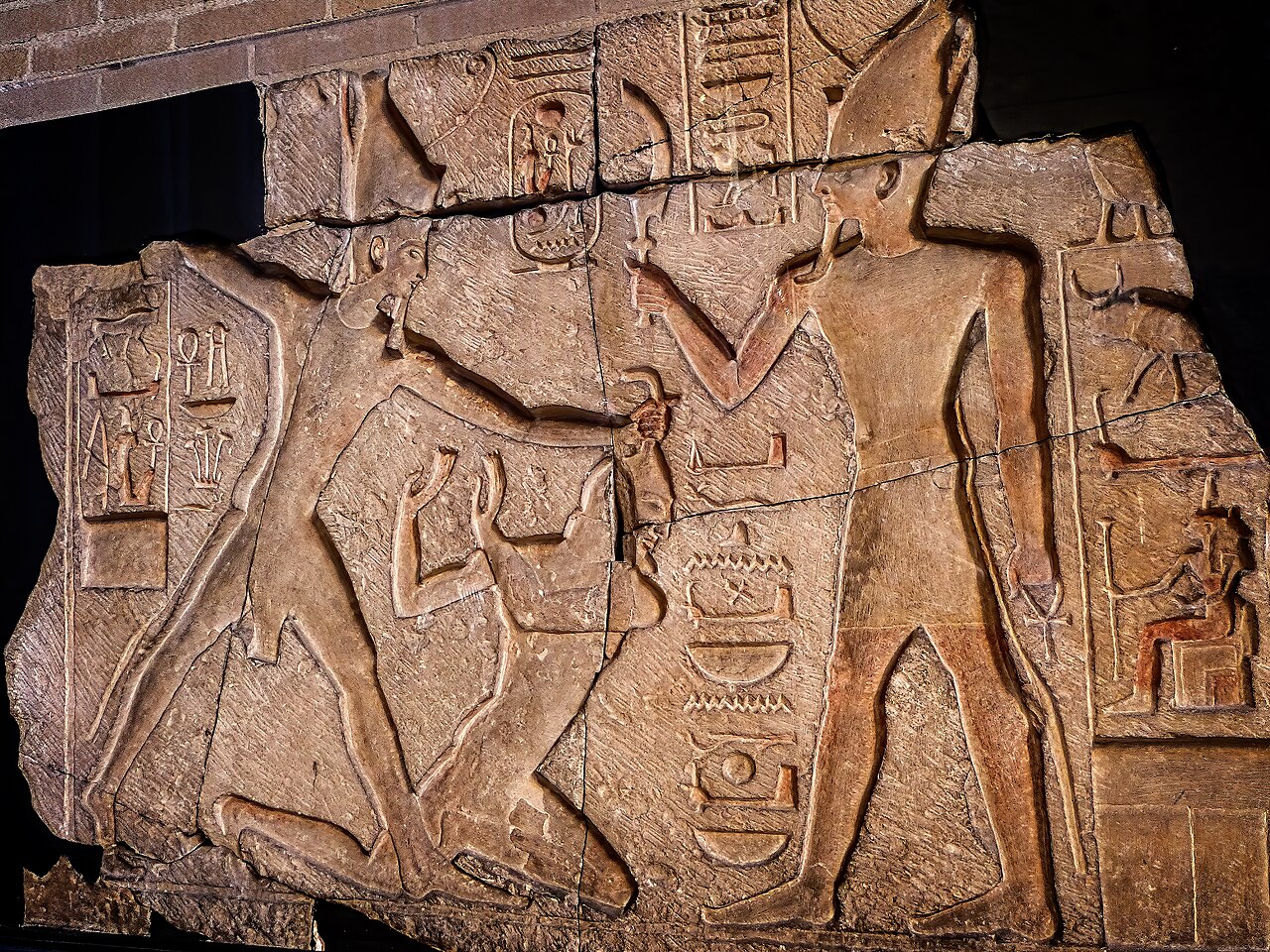
Relief of Ramesses II Slaying an Asiatic Enemy
1292–1190 BCE
A limestone temple relief from Tell el-Retaba showing Ramesses II striking a kneeling captive, a traditional scene of royal victory.
This relief depicts Ramesses II in the traditional pose of a triumphant pharaoh striking down an enemy.
About this source
What it is
This is a section of a limestone temple relief excavated at Tell el-Retaba, dating to the reign of Ramesses II in the 19th Dynasty. It shows the king holding a sword and an ankh over a kneeling captive, while the god Atum offers him the sword of victory. It is held at the Penn Museum.
Why it matters
This type of smiting scene was a standard way for pharaohs, including Ramesses II, to show their power over enemies and their favor with the gods. The relief reveals how Egyptian temple art combined religious ritual with political propaganda to present the king as triumphant and divinely supported.
Look closer
- What does the difference in size between the king and the captive tell you about how the artist wanted viewers to feel?
- Why might the god Atum be shown handing the king a sword in this scene?
- This image shows a ritualized act of violence — what might it leave out about the real experience of war?
This sculpture is part of the curated material that grounds the AI version of Ramses II (Ramses the Great) on Humy.ai — when students ask about related events, the AI can quote it and cite it.
More Ramses II (Ramses the Great) sources
Meet the AI Ramses II (Ramses the Great) →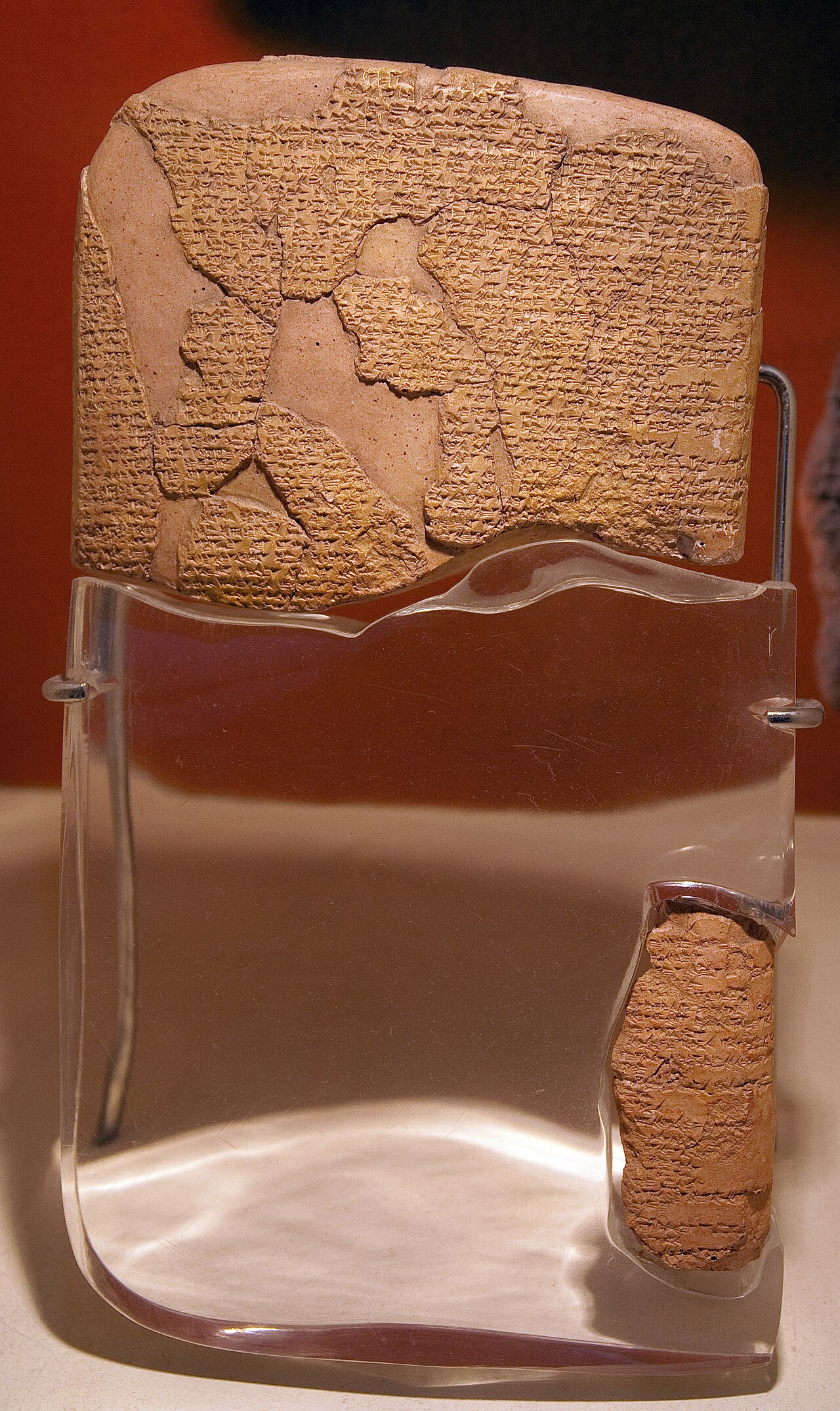 Document
Primary source
Egyptian–Hittite Peace Treaty
c. 1258 BCE
 Photograph
Secondary source
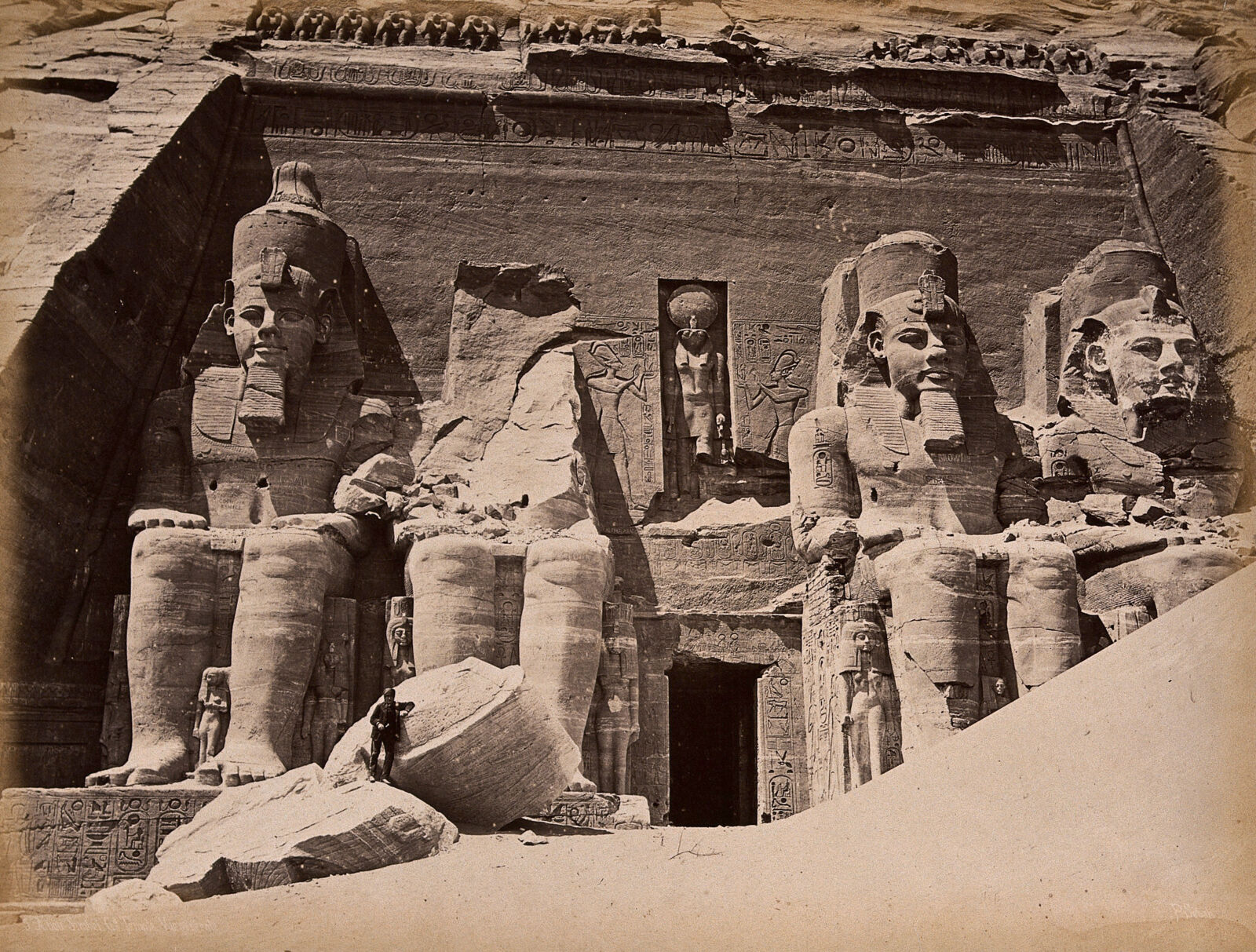
Abu Simbel Temple Colossi
Pascal Sébah · 1875
 Artifact
Primary source
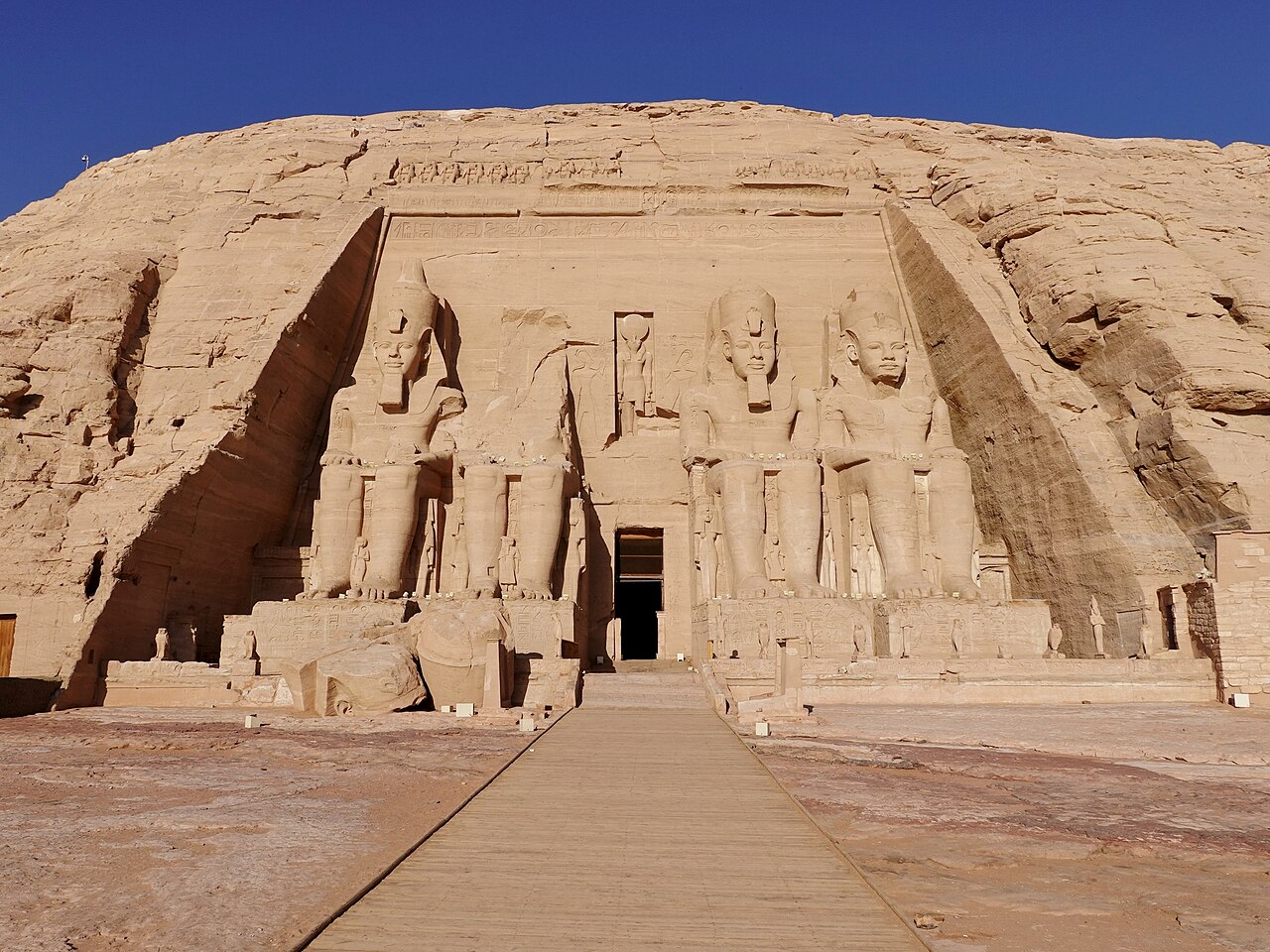
Abu Simbel
Ramesses II · c. 1273 BCE
 Photograph
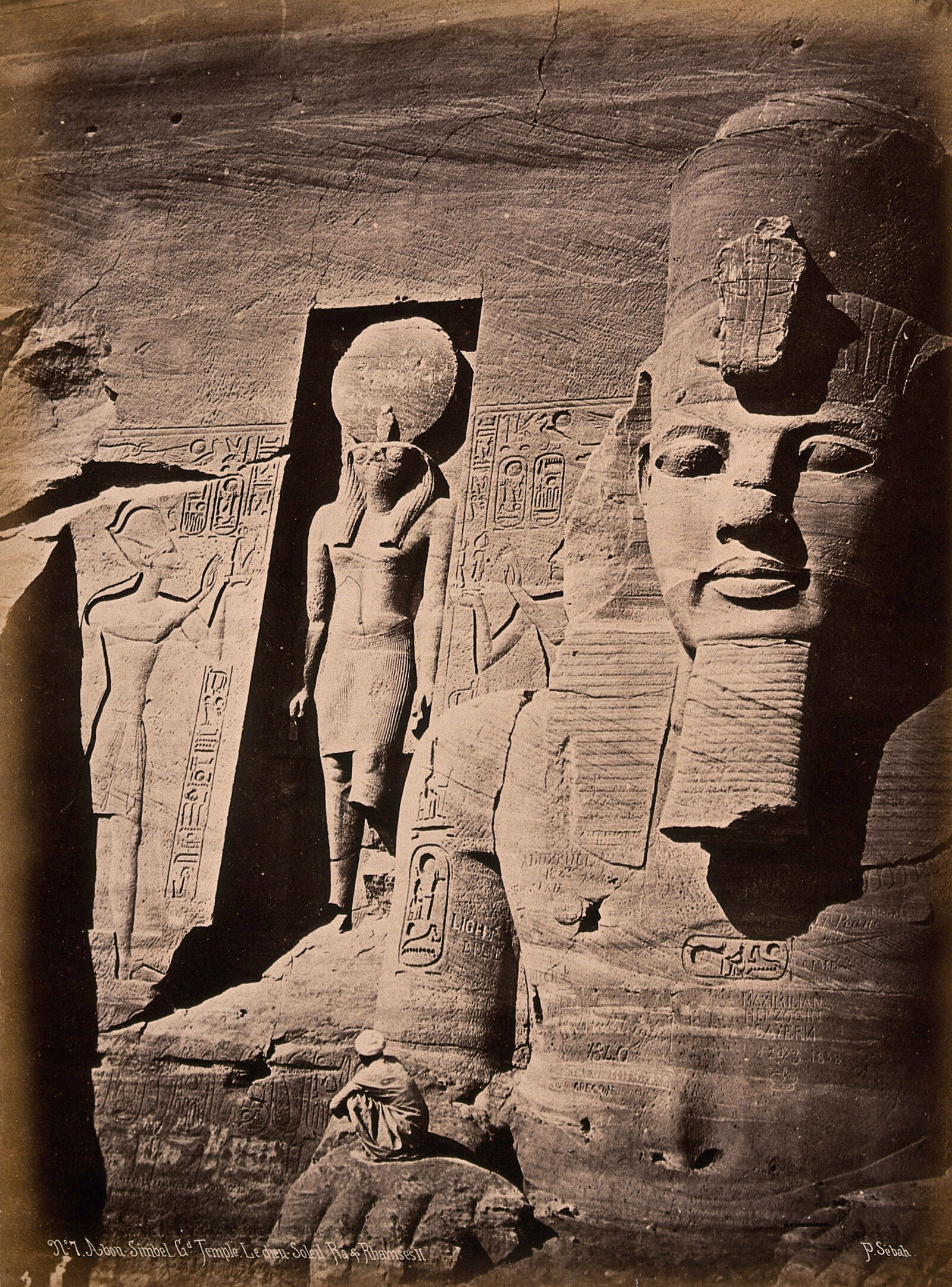
Secondary source
Facade Detail of Abu Simbel Showing Ramesses II and Ra
Pascal Sébah · 1875
 Photograph
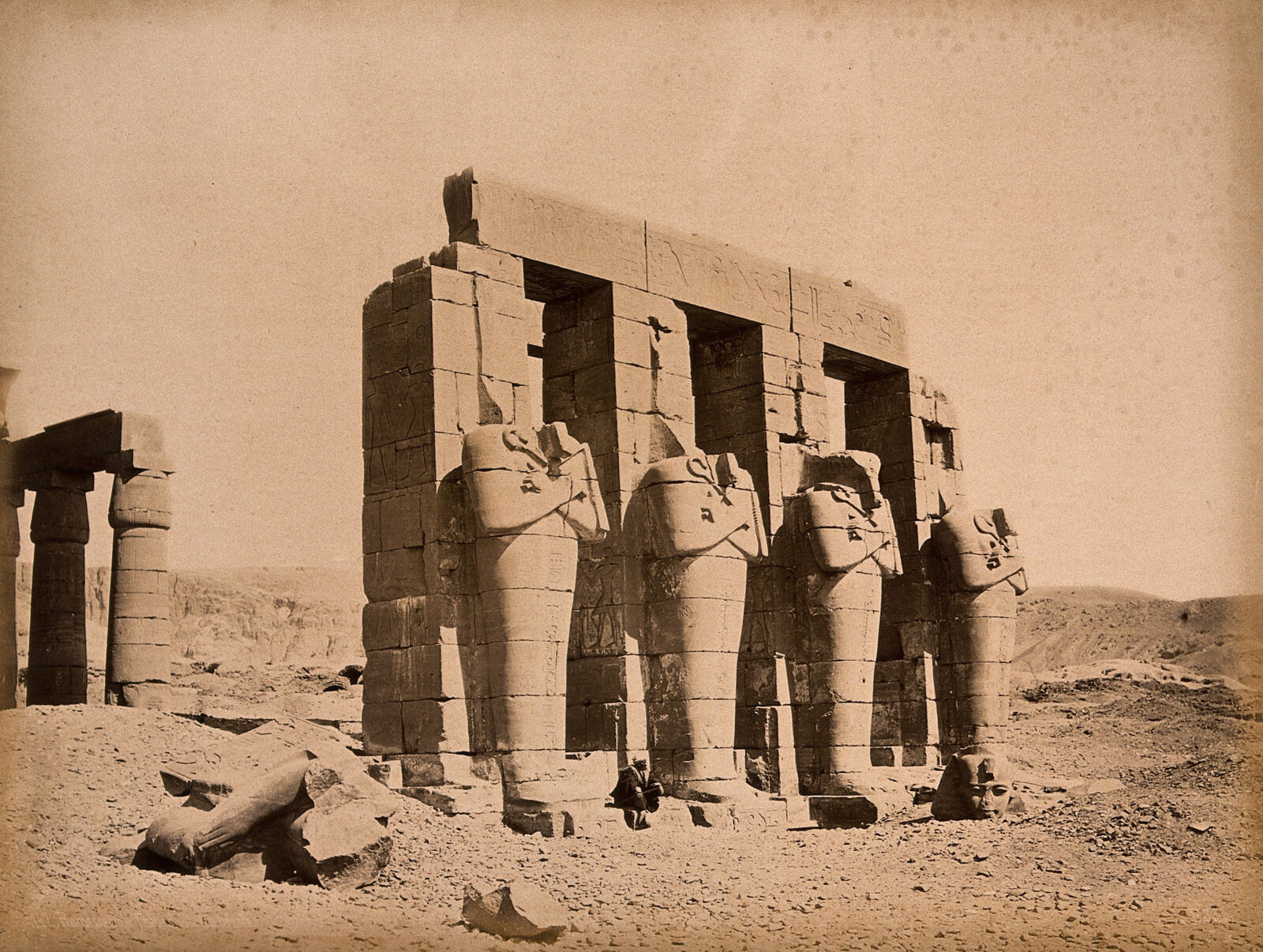
Secondary source
Ramesseum Colossi in Ruins
Pascal Sébah · c. 1875
Ready when you are
Start chatting with Ramses II (Ramses the Great) now.
20 messages free · No credit card · Available in 50+ languages.